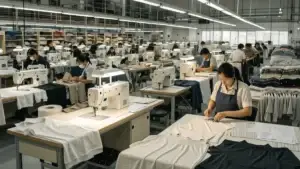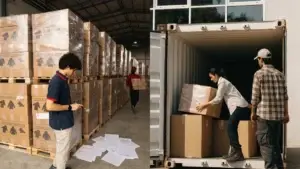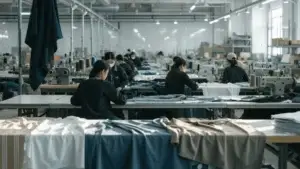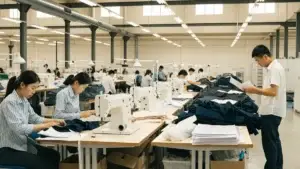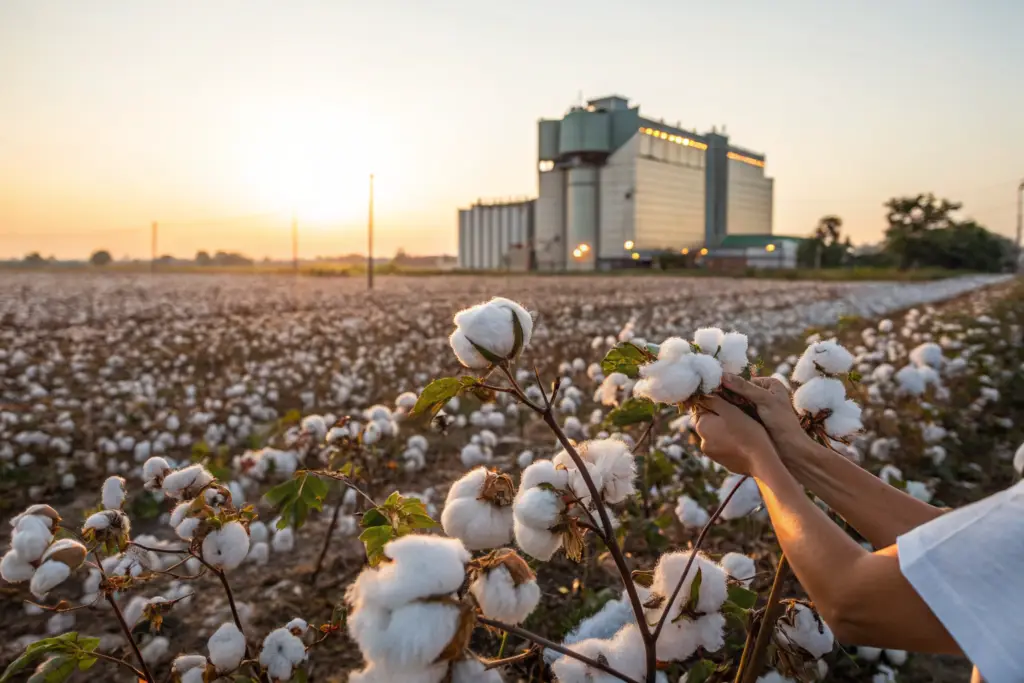
A brand owner from Oregon asked me a pointed question during a factory tour last fall. He stood in our fabric warehouse, touching a roll of our signature 8oz cotton twill. He looked at the selvedge label, then at me. "This feels different from what I get from my other suppliers," he said. "Where exactly does this cotton come from?" I did not give him a vague answer about "premium Asian mills." I walked him to our sourcing documentation shelf and showed him the exact mill certificates, the yarn spinning records, and the fabric lot traceability cards. His expression shifted from skepticism to trust. He told me later that transparency about raw material origin was the single biggest factor in his decision to move his entire classic shorts program to us.
Shanghai Fumao sources the cotton for its classic shorts range primarily from Xinjiang long-staple farms and Xinjiang organic-certified cooperatives, supplemented by sustainably certified Australian and Brazilian cotton when client specifications require specific organic or fiber length certifications.
Cotton sourcing is not just a procurement decision. It is a quality promise. The fiber length, strength, and purity of the raw cotton determine how your shorts will feel, drape, and survive after fifty washes. At Shanghai Fumao, we have spent years building direct relationships with cotton suppliers who meet our three non-negotiable requirements: consistent staple length, transparent chain of custody, and ethical production practices. Let me open our sourcing map to you so you understand exactly where the raw material for your classic shorts begins its journey.
Why Does Xinjiang Cotton Form the Backbone of Fumao's Shorts Fabric?
The most common misconception I hear from buyers is that cotton is just cotton. This is like saying steel is just steel. The difference between a 28mm staple length and a 34mm staple length is the difference between shorts that pill after ten washes and shorts that look new after fifty. Xinjiang cotton, particularly the long-staple variety grown in the region's irrigated farms, consistently delivers staple lengths of 32mm to 36mm. This fiber length allows us to spin a finer, stronger yarn. A stronger yarn means a tighter weave. A tighter weave means a short that holds its crease and resists abrasion.
Xinjiang long-staple cotton provides the superior fiber length, natural whiteness, and dye-absorption consistency that enables Shanghai Fumao to produce classic shorts fabric with a soft hand feel, high tensile strength, and low pilling rate at a competitive price point.
I compared two fabric swatches for a client last year. One was woven from a generic short-staple cotton sourced from a West African mill. The other was woven from our standard Xinjiang long-staple. The Xinjiang fabric was visibly smoother. Under a 60x loupe, the fiber ends were fewer because the longer fibers required fewer splices in the yarn. Fewer fiber ends mean less surface fuzz. Less surface fuzz means less pilling. The client immediately understood the material difference. He switched his specification to our standard cotton and never looked back.
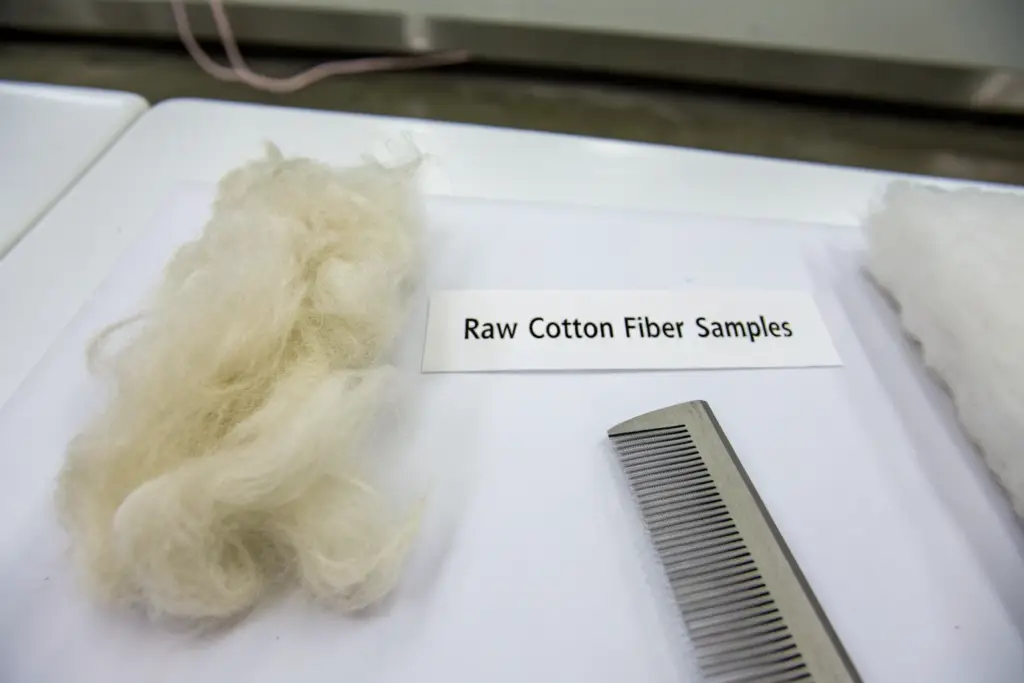
What Specific Quality Metrics Distinguish Xinjiang Long-Staple Cotton?
The quality of raw cotton is measured by several standardized metrics. Staple length is the most critical. We specify a minimum of 30mm for our classic twill shorts, which places the cotton firmly in the "long-staple" category. Micronaire value, which measures fiber fineness and maturity, must fall between 3.8 and 4.5 for optimal dye absorption. Fiber strength, measured in grams per tex, must exceed 28 g/tex to withstand the mechanical stress of industrial weaving and garment washing. These specifications are not marketing claims. They are testable parameters verified by third-party labs before we accept any raw material shipment. The detailed testing standards for cotton fiber properties are maintained by Cotton Incorporated, which publishes the benchmarks used globally by textile mills.
How Does Regional Climate Affect the Natural Whiteness of Raw Cotton?
The natural whiteness of raw cotton directly impacts the bleaching and dyeing process. Cotton that is naturally whiter requires less chemical processing to achieve a clean base for light colors like khaki, stone, and pastel shades. The Xinjiang region's climate—long sunshine hours, low humidity during the harvest season, and significant day-night temperature swings—produces a cotton boll with a naturally bright, creamy-white color. This is not a minor aesthetic detail. Less chemical bleaching means a softer fabric hand feel and a lower environmental load from effluent treatment. The correlation between regional growing conditions and fiber quality is well-documented by agricultural research from the International Cotton Advisory Committee, which tracks global cotton quality by origin.
What Certifications Validate the Ethical and Quality Standards of Our Cotton?
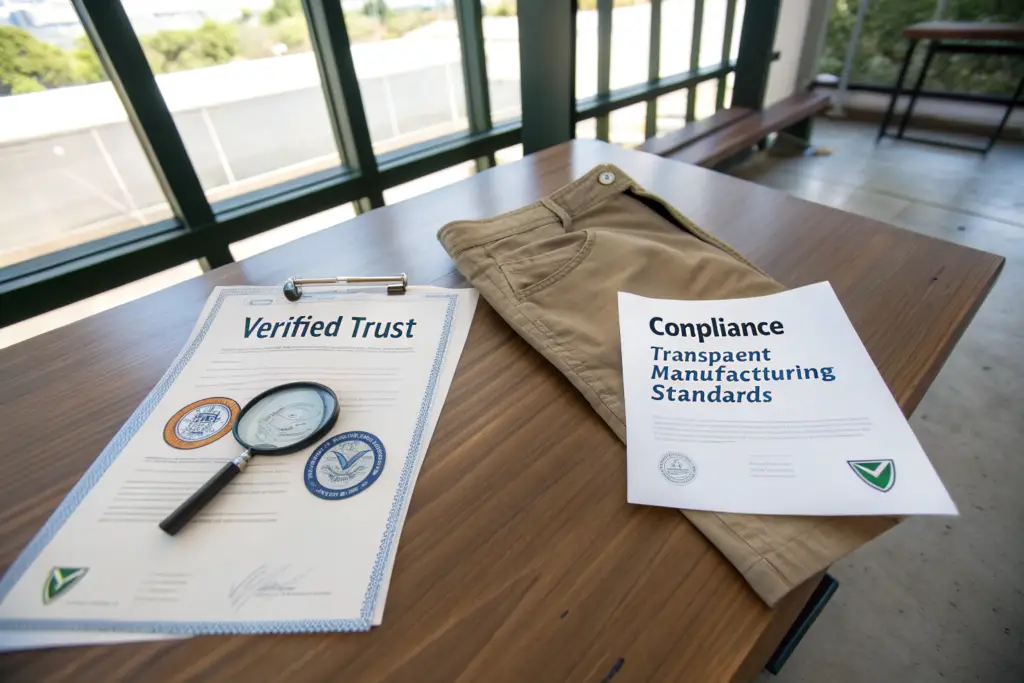
In today's market, a factory's word about ethical sourcing is worthless without independent verification. I know this. I have had buyers ask me point-blank: "Can you prove your Xinjiang cotton is not produced under forced labor?" It is a fair question. The geopolitics of cotton have made certification the most scrutinized document in the apparel supply chain. I answer that question by placing our third-party audit reports on the table, not by giving a speech. The documentation speaks for itself.
Shanghai Fumao's cotton supply chain is validated through OEKO-TEX Standard 100 certification for chemical safety, BCI membership for sustainable farming practices, and independent third-party social compliance audits of our fabric mills that verify ethical labor conditions.
I recall a tense conversation with a Scandinavian brand in 2023. Their compliance officer had flagged Xinjiang cotton as a potential risk. I provided our full audit trail: the mill's social compliance certificate, the yarn spinner's employee contract templates, and the lot traceability from farm to fabric roll. The compliance officer spent two weeks verifying every document with the issuing bodies. Every document checked out. The order proceeded. The brand now sources 100% of their classic shorts fabric through our approved supply chain. Transparency won a long-term partner.
What Does OEKO-TEX Standard 100 Certification Guarantee About Our Fabric?
OEKO-TEX Standard 100 is a chemical safety certification. It tests every component of the fabric—yarn, dyes, and finishing agents—for harmful substances. The test list includes over 100 regulated chemicals, including formaldehyde, heavy metals, and banned azo dyes. A certified fabric is safe for direct skin contact, even for babies. This certification is renewed annually through unannounced mill audits and random sample testing. You can verify any OEKO-TEX certificate number on the official OEKO-TEX database. We provide the active certificate number for every fabric lot we use. This is not a one-time paper exercise. It is an ongoing commitment with real audit consequences for non-compliance.
How Does BCI Membership Support Sustainable Cotton Farming Practices?
The Better Cotton Initiative licenses farmers who meet standards for water stewardship, reduced pesticide use, and fair labor practices. BCI cotton is not organic, but it is "better"—a practical, scalable improvement over conventional cotton farming. Our fabric mills source BCI-licensed cotton for brands that require a sustainability narrative on their hangtags. The BCI system operates on mass balance, meaning BCI cotton is mixed with conventional cotton at the gin, but the volume of Better Cotton purchased matches the volume claimed on the final product. The Better Cotton Initiative publishes annual impact reports that quantify the water savings and pesticide reductions achieved by licensed farms. We support BCI not as a perfect solution, but as a meaningful step toward a more sustainable cotton supply chain.
How Does Fumao Manage a Diverse Portfolio of Cotton Origins?
No single cotton origin can satisfy every client requirement. A premium menswear brand might demand Supima-certified cotton for its marketing value. A European eco-brand might insist on GOTS-certified organic cotton. A value-focused distributor simply wants the best price for a quality classic short. A factory that only offers one cotton option is a factory that will eventually say "no" to your evolving needs. We built our supply chain to say "yes" to a wide range of legitimate specifications.
Shanghai Fumao maintains a diversified cotton portfolio including Australian Supima-equivalent, Brazilian sustainable, and Indian GOTS organic cotton, allowing us to match specific client fiber certifications without compromising on the core fabric quality standards.
A client approached us two years ago with a hard requirement: all cotton must be GOTS-certified organic, and no Xinjiang origin would be accepted due to their home country's import regulations. Instead of arguing or losing the order, we sourced the fabric from a GOTS-certified mill in India using organic cotton from the Gujarat region. The staple length was slightly shorter than our Xinjiang standard at 30mm, but still within our acceptable range for a relaxed-fit short. The hand feel was different—slightly nubbier, which actually suited their "natural, unprocessed" brand aesthetic. The shorts sold well. We met the client where they were.
What Conditions Trigger the Use of Australian or Brazilian Cotton?
Australian cotton is prized for its exceptional whiteness and low contamination rates. It is often used for bright white shorts or light pastel colors where any impurity in the raw cotton would be visible in the final garment. Brazilian cotton has gained market share as a sustainable option, with a significant percentage of the crop being rain-fed rather than irrigated, which reduces water consumption. We source these origins when a client's specification demands a specific certification, such as the ABRAPA sustainability seal for Brazilian cotton, or when they need an origin story that aligns with their brand marketing. The flexibility to switch origins while maintaining our internal quality floor is a competitive advantage. Global cotton quality benchmarking data is regularly published by the USDA Foreign Agricultural Service, which we reference when evaluating new sourcing regions.
How Do We Ensure Consistent Fabric Quality Across Different Cotton Origins?
The origin of the cotton is less important than the specification of the yarn. We do not specify "Australian cotton" or "Indian cotton" in our internal production documents. We specify "30mm minimum staple length, 4.0 micronaire, 28 g/tex strength." The origin must meet the spec. The spec never bends to the origin. Our fabric technicians test every incoming fabric lot with a Uster tester, which measures yarn evenness, hairiness, and tensile strength. If a lot fails the spec, we reject it, regardless of how impressive the origin certificate looks. This mechanical verification is the only way to guarantee that a pair of classic shorts feels identical whether the cotton grew in the Northern Hemisphere or the Southern Hemisphere.
How Can Our Clients Verify the Cotton Origin in Their Specific Shorts Order?
Trust is built on verification, not promises. I encourage every client to test our claims. Do not accept a factory tour PowerPoint as evidence. Ask for the documents that attach to your specific purchase order. Your order of 3,000 classic shorts should have a traceable paper trail from the fabric roll back to the cotton bale. If the factory cannot produce this trail for your specific order, you have a generic story, not a verified fact. The story might be true. But in commerce, verified facts protect brands.
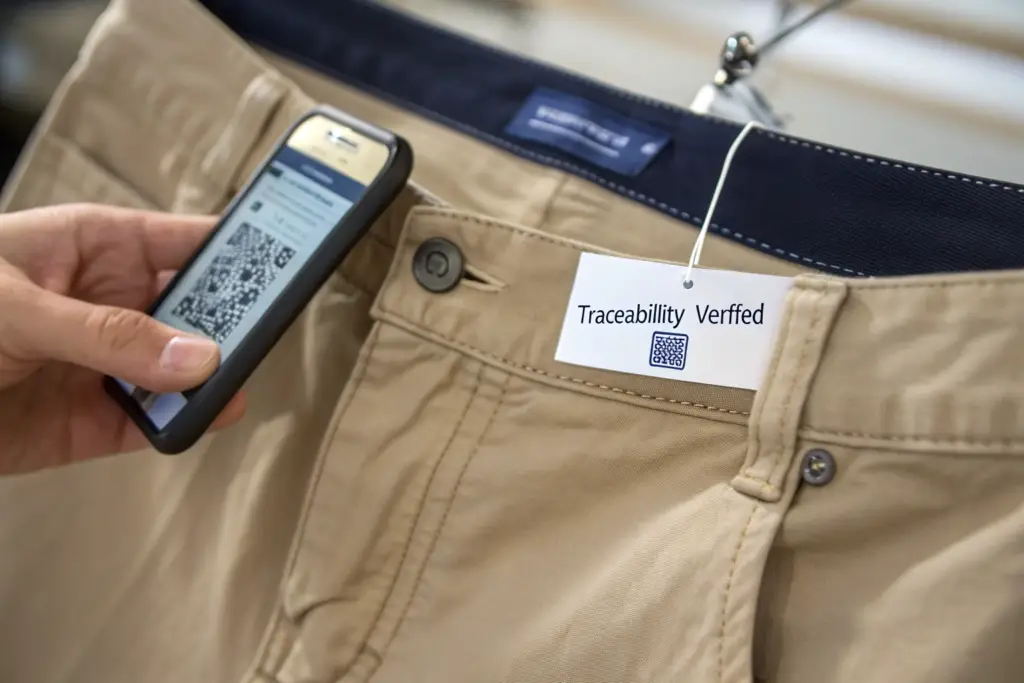
Clients can verify the cotton origin of their specific classic shorts order by requesting the Fabric Lot Traceability Certificate, scanning the QR code on our new transparency hangtags, and conducting independent fiber testing through a CPSC-accepted laboratory.
I remember a particularly rigorous audit from a Japanese brand. They did not ask us where our cotton came from. They sent an independent inspector to our fabric warehouse. The inspector randomly selected five fabric rolls from their order. He photographed the selvedge lot numbers. He traced those lot numbers back to the mill delivery notes, the yarn spinning batch records, and the raw cotton gin certificates. The entire traceability exercise took six hours. At the end, the inspector nodded and said, "All records match." That level of scrutiny is what separates a real supply chain from a marketing narrative.
What Is a Fabric Lot Traceability Certificate and How Do You Request It?
A Fabric Lot Traceability Certificate is a document we generate for each client order upon request. It lists the fabric lot numbers used in the order, the name and address of the weaving mill, the yarn spinner, and the country of origin of the raw cotton. It is signed by our Quality Manager and can be notarized for legal purposes if required by the importer's customs authority. This certificate bridges the gap between a general corporate claim and a specific order-level fact. If you want this for your next order, request it when you confirm the production order. We will include it in the shipping documentation package. No factory should resist providing this document if their supply chain is clean.
How Does the QR Code Hangtag Create Consumer-Level Transparency?
Starting in 2024, we began offering an optional QR code hangtag for clients who want to tell their cotton origin story at retail. The customer scans the code with their phone. They see a digital page showing the cotton origin, the mill certification, and a brief message from the brand about its sourcing values. This turns a supply chain detail into a marketing asset. The consumer feels informed and reassured. The brand builds trust at the point of sale. This level of transparency will become standard in the industry within five years. Early adopters will have already built the consumer loyalty. Learn more about consumer-facing traceability technology from the Fashion for Good initiative, which supports innovation in transparent supply chains.
Conclusion
The journey of a pair of classic shorts does not start at a sewing machine in our factory. It starts in a cotton field, under the sun, where a farmer grows the fiber that will eventually sit against your customer's skin. Where that field is located—Xinjiang, Gujarat, Mato Grosso, or Queensland—matters. It matters for fiber length and fabric strength. It matters for chemical safety and ethical production. It matters for the story your brand tells and the trust your customer places in you.
At Shanghai Fumao, we choose our cotton origins with the same care we apply to our stitching and our quality control. We lead with Xinjiang long-staple for its unmatched price-to-quality ratio. We offer certified organic and sustainable alternatives from India, Australia, and Brazil when your brand standards require them. And we back every claim with third-party certification and lot-level traceability that you can verify independently.
If you want to see our fabric sourcing documentation for yourself, I invite you to reach out. At Shanghai Fumao, we believe that a transparent supply chain is the strongest competitive advantage a brand can have. Contact our Business Director, Elaine, at elaine@fumaoclothing.com to request a sample yardage of our signature cotton twill and the accompanying mill certification pack. Let us show you exactly what goes into the fabric of your classic shorts.