Renting garments is gaining attention as a sustainable solution, but many buyers still don't understand what truly makes it environmentally responsible.
A rental garment is truly sustainable when its production, materials, usage, and lifecycle are optimized to reduce environmental impact while meeting high standards of quality, durability, and reusability.
While the idea of renting instead of buying sounds green, the reality is much more nuanced. From the choice of materials to reverse logistics, let me walk you through what really matters when evaluating the sustainability of rental clothing.
What makes a clothing brand sustainable?
If a brand says it's sustainable but still uses mass-produced polyester, is it really?
A clothing brand is sustainable when it integrates ethical sourcing, eco-friendly materials, low-waste manufacturing, transparent labor practices, and circular economy models like recycling or rentals.
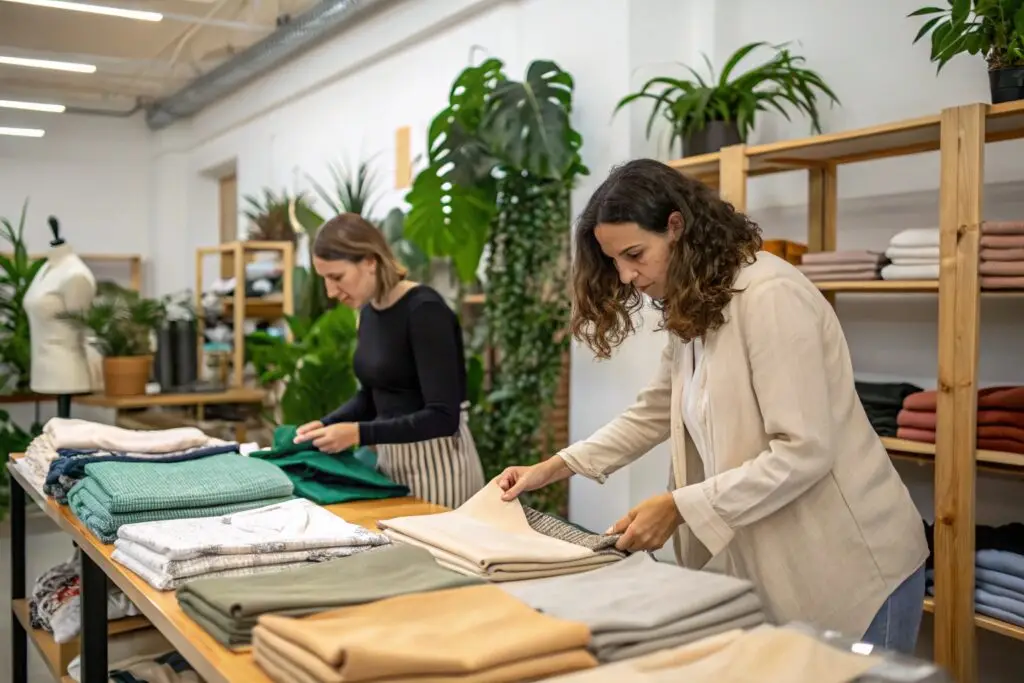
How does a clothing brand prove it practices ethical and eco-conscious production methods from start to finish?
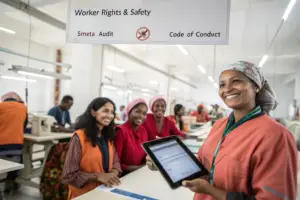
Too many brands slap the word "sustainable" on their website and expect buyers to believe it. In my own sourcing experience, I’ve found that only a few brands back it up with real certifications, factory audits, or environmental impact reports. A truly sustainable brand begins with ethical sourcing1. This means working with suppliers that follow environmental guidelines, avoid harmful chemicals, and provide fair labor conditions. Our factory in China, for instance, follows certified processes and ensures workers are treated fairly, because sustainability should never come at the cost of human dignity.
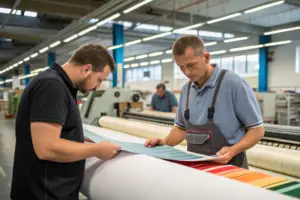
Low-waste manufacturing comes next. Look for brands using digital cutting technologies or recycled fabric scraps. Brands should also reduce excess packaging and offer take-back or repair programs. When I toured rental brands in the U.S. and Europe, I noticed the most sustainable ones focused not just on the fabric but on the full loop—from cradle to grave.
What kind of business models allow fashion brands to remain profitable while staying sustainable?
A big misconception is that sustainability isn't profitable. That’s false. Brands like Patagonia, Rent the Runway, and even our clients in Europe have proven that models like subscription rentals, on-demand manufacturing, or customization can increase profit margins while minimizing waste. At Fumao Clothing, we help brands achieve this with low MOQs and fabric optimization. We’re seeing a shift—brands are waking up to the fact that waste is expensive.
How do you know if a fabric is sustainable?
Fabric tags say a lot, but do they tell the whole truth?
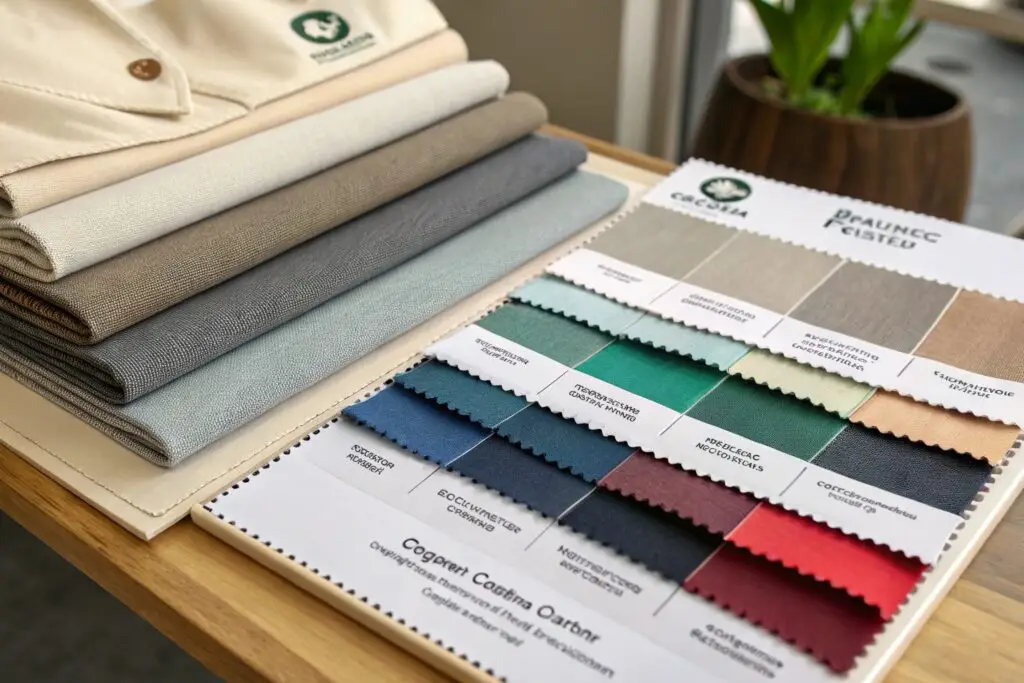
You can tell a fabric is sustainable when it’s made from renewable, biodegradable, recycled, or organic materials, and comes with third-party certifications like GOTS, OEKO-TEX, or Repreve.
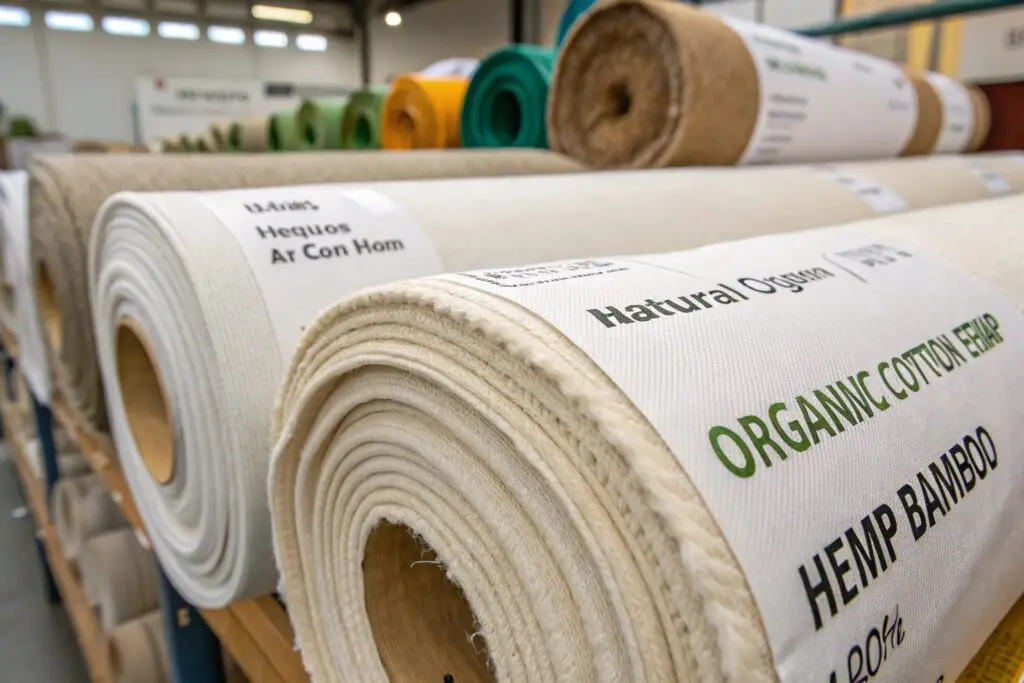
What types of fabrics offer the best mix of sustainability, durability, and comfort in rentals?
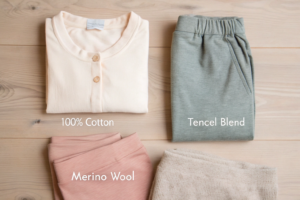
Let’s be real—no one wants to rent a stiff, scratchy "green" dress. Sustainable fabrics must balance eco-friendliness and performance. In our facility, we often recommend organic cotton2, TENCEL™3, or recycled polyester blends4 for rental garments. These materials are breathable, durable through multiple washes, and resistant to shrinking.
We also source bamboo and hemp fabrics for brands targeting eco-conscious consumers. These materials grow fast, use less water, and biodegrade naturally. Still, rental garments undergo frequent laundering. So, it’s vital to treat these fabrics properly to maintain texture and lifespan. Some of our clients use enzyme washes or ozone cleaning for this very reason.
Why should you be cautious about “greenwashed” fabric labels or half-truth marketing?
Here’s where most buyers go wrong: they take a “sustainable” label at face value. But many synthetic fibers like polyester are still marketed as “eco” just because they’re made from recycled bottles. That doesn’t make them biodegradable or toxin-free. Always ask for full fiber content, certifications, and production traceability.
We’ve had clients lose customers because they couldn’t prove their sustainability claims. At Fumao Clothing, we provide a breakdown of every yarn and chemical used in our fabric process. You deserve that level of transparency from any supplier.
What makes clothes unsustainable?
Is it only about the fabric, or is it also how we treat clothes?
Clothes are unsustainable when their production harms the environment, relies on fossil fuels, or leads to excessive waste, poor labor conditions, and fast fashion overconsumption.
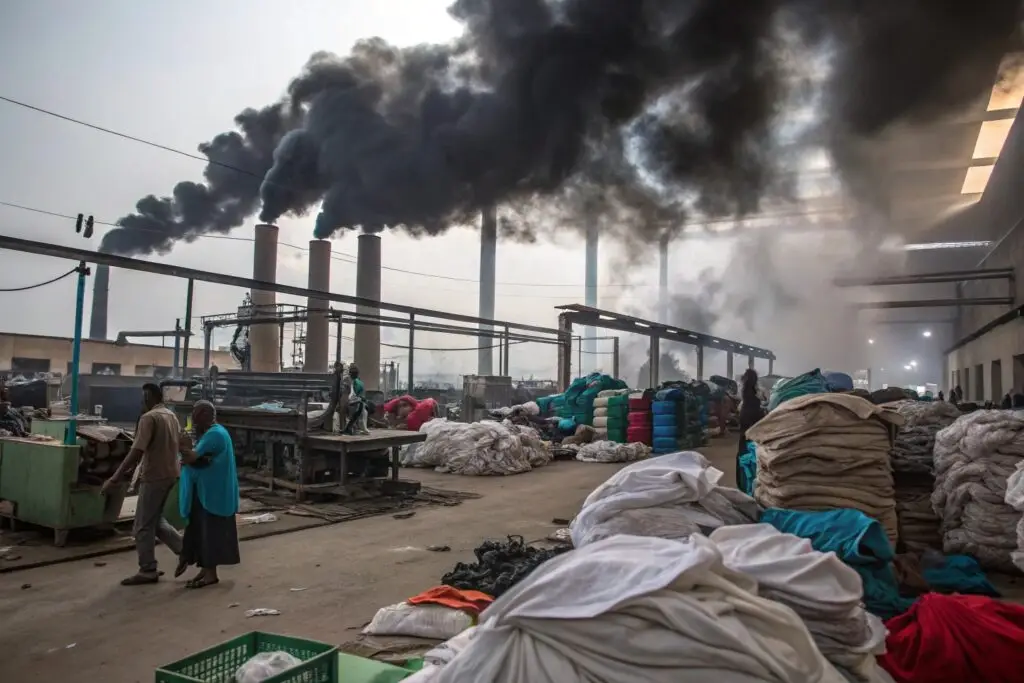
What are the most common sustainability pitfalls5 in the clothing manufacturing process?
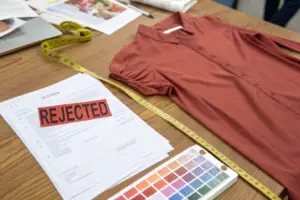
From over-dyeing to toxic water runoff, there are dozens of ways clothing production can damage the planet. Unsustainable practices include excessive water use, synthetic dyes, microplastic-shedding materials, and energy-intensive production. In one case, a brand I worked with had to recall an entire collection after discovering the mill used banned azo dyes.
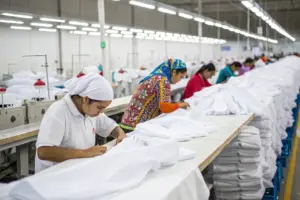
Labor is another huge factor. Some factories cut costs by skimping on wages or safety measures. If a shirt costs $2.00 FOB, someone somewhere paid the price—either the environment or a worker. Brands need to vet suppliers and demand audits.
How does the lifecycle of a garment—especially short-term fashion cycles—contribute to waste?
Let’s look at the numbers. The average American throws away over 80 pounds of clothing a year. Why? Because fast fashion6 is made to fall apart. When we churn out trendy pieces that last just a few wears, we accelerate landfill overflow and carbon emissions. For rentals, the key is extending the lifecycle. That means designing for durability7, easy repair, and restyling.
At Fumao Clothing, our rental clients often request reinforced seams and extra colorfastness testing. This is because a truly sustainable rental piece should last dozens of wears without losing shape or style.
What does sustainability mean for clothes?
We throw around the word “sustainable,” but what does it actually mean?
Sustainability in clothing means reducing environmental harm at every stage—fiber, manufacturing, transport, usage, and disposal—while respecting labor rights and promoting circular economy practices.
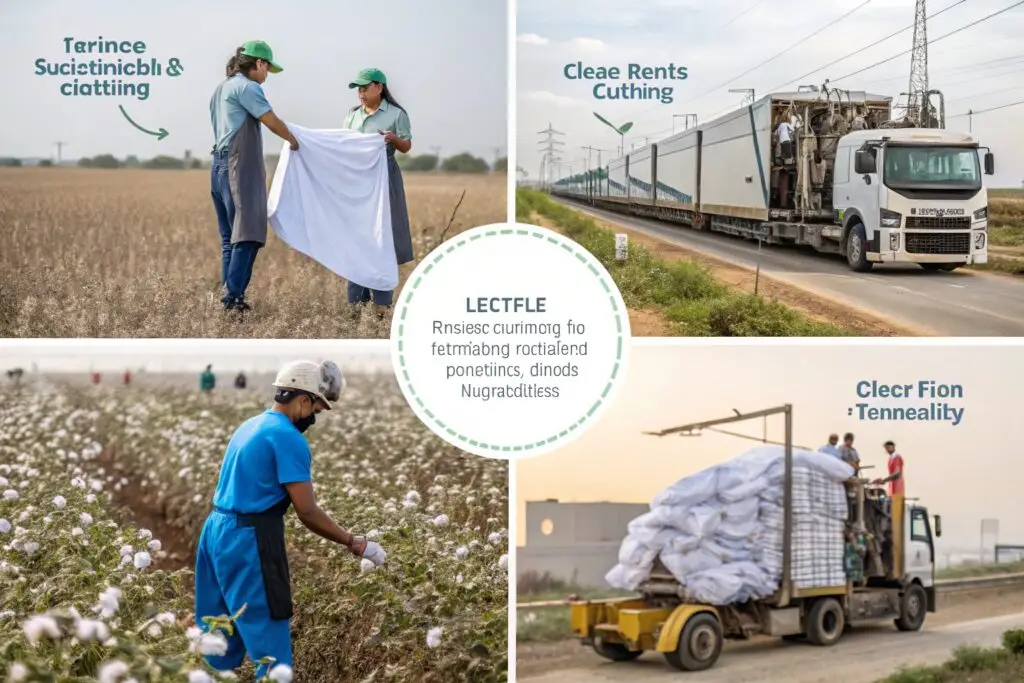
How do material, design, and production stages all contribute to a garment's total ecological footprint8?
Think of sustainability as a journey, not a checkbox. The most sustainable brands consider everything—from the fiber’s water footprint to the packaging. At our factory, we often help brands map their carbon output from raw material to final shipment. That includes:
| Stage | Impact Factor |
|---|---|
| Fiber Sourcing | Water, pesticide use |
| Dyeing | Chemical runoff, energy use |
| Cutting/Sewing | Fabric waste, labor conditions |
| Packaging | Plastic, recyclability |
| Shipping | Emissions, lead time optimization |
No single step can “offset” another. The goal is to minimize harm at each level.
How can circular economy models9 like rental and resale reduce the environmental cost of clothing?
The beauty of rental fashion10 lies in shared ownership. When one item gets worn by ten different customers instead of ten people each buying one, the resource savings are massive. Circular models like resale, rentals, or take-back programs extend product lifespans and slow down consumption rates.
But here’s the catch: these models only work if the garments are built to endure and suppliers ensure consistent quality. That’s where we come in—at Fumao Clothing, we design with durability in mind and help clients set up reverse logistics that actually function.
How to get sustainable clothing?
You want sustainable pieces—but how do you make sure you’re really getting them?
To get sustainable clothing, research your suppliers, look for third-party certifications, understand the full supply chain, and prioritize quality over quantity.

What are the top red flags to watch out for when sourcing “sustainable” clothing from overseas?
Over the years, I’ve seen buyers make the same mistakes—trusting cheap quotes without verifying the factory, believing vague claims like “eco-friendly fabric,” or skipping lab tests. Always ask for:
- Factory audits
- Fiber certifications (like GOTS, OEKO-TEX)
- Chemical testing reports
- Supply chain documentation
At Fumao, we provide all of these upfront. We understand that your reputation depends on our transparency. If a supplier won’t share their traceability reports, that’s a red flag.
What kind of partnerships ensure long-term, trustworthy sourcing of sustainable garments?
Long-term sustainability needs long-term partners. You need suppliers who don’t cut corners and who can scale responsibly. One of our European clients started small with 500 units per style, then scaled to 20,000+ once we proved our processes were clean and efficient. Trust is built over time through clear communication, certifications, and consistency.
Our DDP model also helps clients avoid surprise costs and delays, which are frequent pain points in sustainable sourcing. We ship with clear timelines, handle customs, and ensure certifications travel with the goods.
Conclusion
Sustainable rental garments don’t just look green—they function green, from materials to lifecycle. When built right, they save resources, reduce waste, and boost brand credibility. It all starts with smarter sourcing.
-
Understanding ethical sourcing is crucial for recognizing how brands ensure fair labor and environmental standards in their production processes. ↩
-
Explore the advantages of organic cotton, a top choice for eco-friendly and comfortable rental garments, ensuring both sustainability and style. ↩
-
Discover why TENCEL™ is praised for its sustainability and comfort, making it an excellent choice for rental clothing. ↩
-
Learn about the environmental benefits and performance of recycled polyester blends, crucial for eco-conscious rental fashion. ↩
-
Understanding these pitfalls can help brands improve their practices and reduce environmental impact. ↩
-
Exploring this topic reveals the hidden costs of fast fashion and its impact on sustainability. ↩
-
Learning about durability can guide consumers and brands towards more sustainable choices in fashion. ↩
-
Understanding the ecological footprint of clothing production can help consumers make informed choices about sustainable fashion. ↩
-
Exploring circular economy models reveals innovative solutions for reducing waste and promoting sustainability in the fashion industry. ↩
-
Discover how rental fashion contributes to sustainability by reducing waste and promoting shared ownership of clothing. ↩