You receive an invitation. "Summer cocktail party. Dress code: smart casual." You stare at your closet. You have a pair of shorts you wear to the beach. You have a pair of shorts you wear to the gym. You have a pair of shorts you wear to run errands. None of them feel right for this event. You are not alone. This is a daily dilemma for men everywhere. The boundary between "too sloppy" and "too stiff" is a thin line. Choosing the wrong short for the context sends a signal. You are either the guy who showed up underdressed, or the guy who looks like he is trying too hard. The difference between getting this right and getting this wrong is understanding the fundamental split in the classic shorts category. The split between tailored and casual.
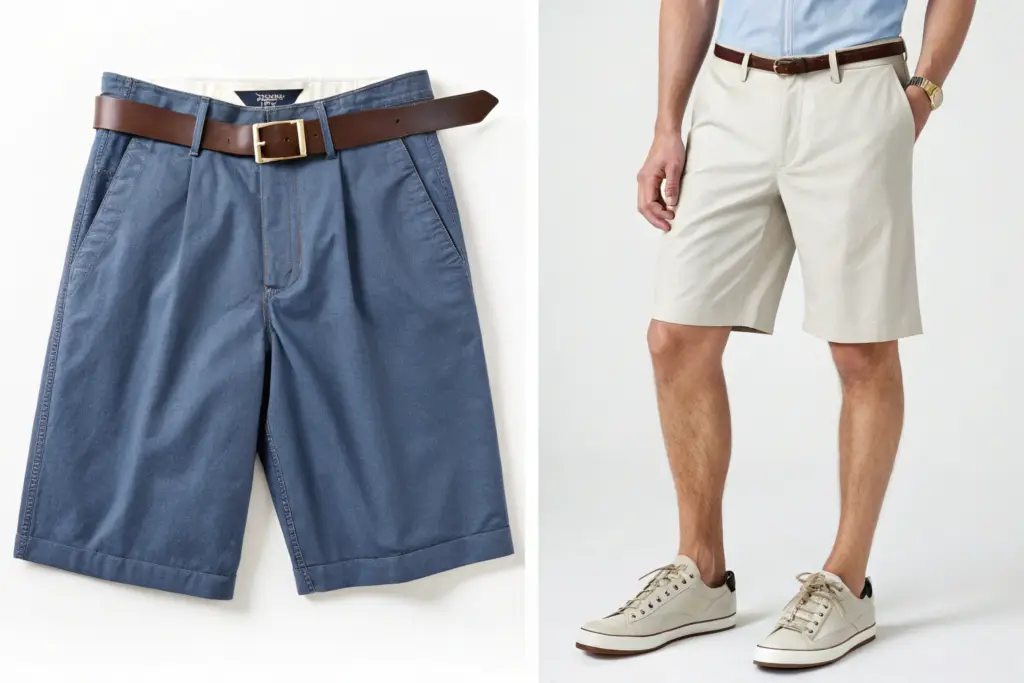
The difference between tailored and casual classic shorts lies in five specific design and construction elements: the waistband structure and closure system, the pocket style and configuration, the fabric choice and finishing, the presence or absence of a center crease, and the overall silhouette and fit intention. A tailored short borrows its details from dress trousers. It uses a structured waistband, a hook-and-bar or extended tab closure, slash and welt pockets, a crisp fabric like cotton-sateen or tropical wool, and a sharp center crease. A casual short borrows its details from workwear and military uniforms. It uses a softer waistband, a button closure or drawstring, patch or flap pockets, a relaxed fabric like garment-dyed twill or French terry, and no crease. One says "polished." The other says "relaxed." Both are classic. Both are essential. You need to know which is which.
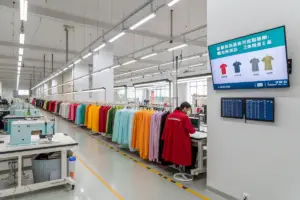
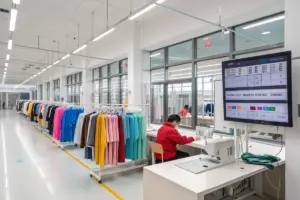
At Shanghai Fumao, we manufacture both tailored and casual classic shorts for different brands and different end uses. I see the production specifications side by side. I see how a small change, like replacing a welt pocket with a patch pocket, shifts the entire personality of the garment. This article breaks down the five key differences. Use it as a reference when you are developing your own collection. Use it to explain the options to your customers. Knowing this distinction will make you a better buyer and a better seller.
What Defines the Waistband and Closure in Tailored Versus Casual Shorts?
The waistband is the command center of the short. It holds the garment on the body. It is the area the wearer interacts with most directly. The construction of the waistband is the single biggest signal of whether a short is tailored or casual. A tailored waistband is a piece of engineering. It is structured, lined, and shaped. A casual waistband is simple, soft, and functional.
I recall a product development meeting with a brand that wanted a "tailored casual" short. That phrase is a contradiction. The waistband forces a choice. You either build it with structure or without. We made two samples. One had a curtained waistband with a hook-and-bar closure. One had a simple fused waistband with a button. The brand owner looked at both. He saw immediately that the hook-and-bar version looked expensive and intentional. The button version looked like a standard chino short. He could not have it both ways. He chose the tailored version for his premium line and the casual version for his basics line. The waistband dictated the product tier.
The waistband construction also affects the fit. A structured waistband sits firmly at the waist. It does not roll. It does not stretch out. A soft waistband is more forgiving and comfortable but less precise. Let’s examine the two closure systems in detail.
Why Does a Tailored Short Use a Hook-and-Bar or Extended Tab Closure?
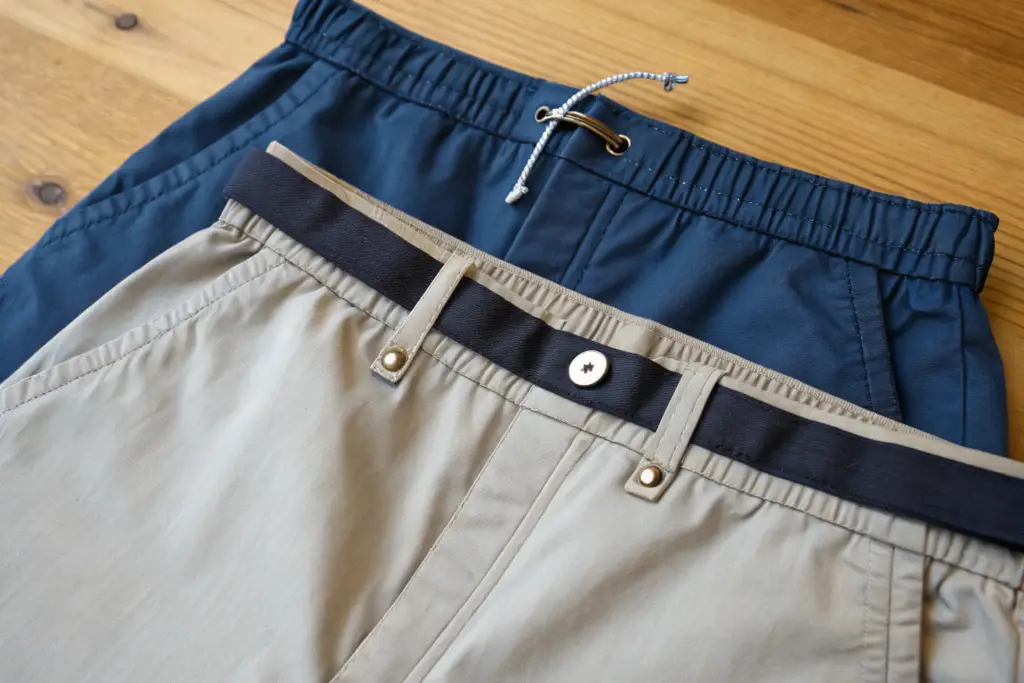
A hook-and-bar closure is a trouser closure. It consists of a metal hook that catches a metal bar. It sits inside the waistband, hidden from view. It creates a clean, flat front. There is no visible button creating bulk. An extended tab closure is a fabric extension that crosses the front and fastens with a hidden hook or button. Both systems create a seamless, uninterrupted waistline.
This closure is a signal of tailoring. It says the garment is built to the standard of a dress pant. It allows the waistband to lie completely flat against the body. A shirt tucked into a tailored short with a hook-and-bar closure looks clean. There is no bump from a button. The visual line is smooth. This detail is invisible when the shirt is untucked. But the wearer knows it is there. The wearer feels the precision when they fasten it. This tactile experience of quality is a hallmark of a tailored garment. The tailored trouser closure types guide explains these traditional trouser details. They are not decorative. They are functional and aesthetic choices rooted in Savile Row craftsmanship.
How Does a Simple Button Closure or Drawstring Define the Casual Short?
The button closure is the standard for a casual chino or denim short. A metal shank button or a flat sew-through button is attached to the waistband. It fastens through a buttonhole. This is a robust, simple system. It works. It is easy to repair. It communicates utility.
The drawstring closure is the ultimate casual waistband. It is found on athletic shorts, French terry shorts, and relaxed linen shorts. There is no zipper. There is no button. An elastic waistband with a drawstring provides adjustable comfort. This closure says the short is about ease. It is for the beach, the couch, or the gym. It is not for a setting where a tucked-in shirt is required. A drawstring waistband is often combined with a flat front to create a "pull-on" tailored look. This is a hybrid that is popular in comfort-driven brands. But a true classic casual short uses the button. The button is permanent. It cannot be adjusted. It is a fixed point of fit. The casual shorts waistband construction guide covers the different types. The choice between button and drawstring defines the entire personality of the short.
How Do Pocket Styles Distinguish a Tailored Short from a Casual One?
Pockets are the functional jewelry of a pair of shorts. Their style, placement, and construction communicate the garment’s intended use. A tailored short uses pockets that are integrated into the seam or finished with precise welts. A casual short uses pockets that are sewn onto the surface or designed for carrying bulky items. The pocket is not just a pouch. It is a design statement.
I once worked with a brand that tried to put welt back pockets on a cargo short. The combination was jarring. The welt pocket is a formal detail. The cargo side pocket is a utilitarian detail. They clashed. The short had an identity crisis. The brand removed the welt pockets and replaced them with patch pockets. The design clicked into place. The short knew what it was. This experience taught me that pocket styles must be consistent with the overall garment category. Mixing tailored and casual pocket types creates confusion.
The pocket configuration is one of the easiest ways for a buyer to categorize a short at a glance. Learn the language of pockets. You will instantly know if a short is tailored or casual.
Why Are Slash Pockets and Welt Pockets the Signature of a Tailored Short?
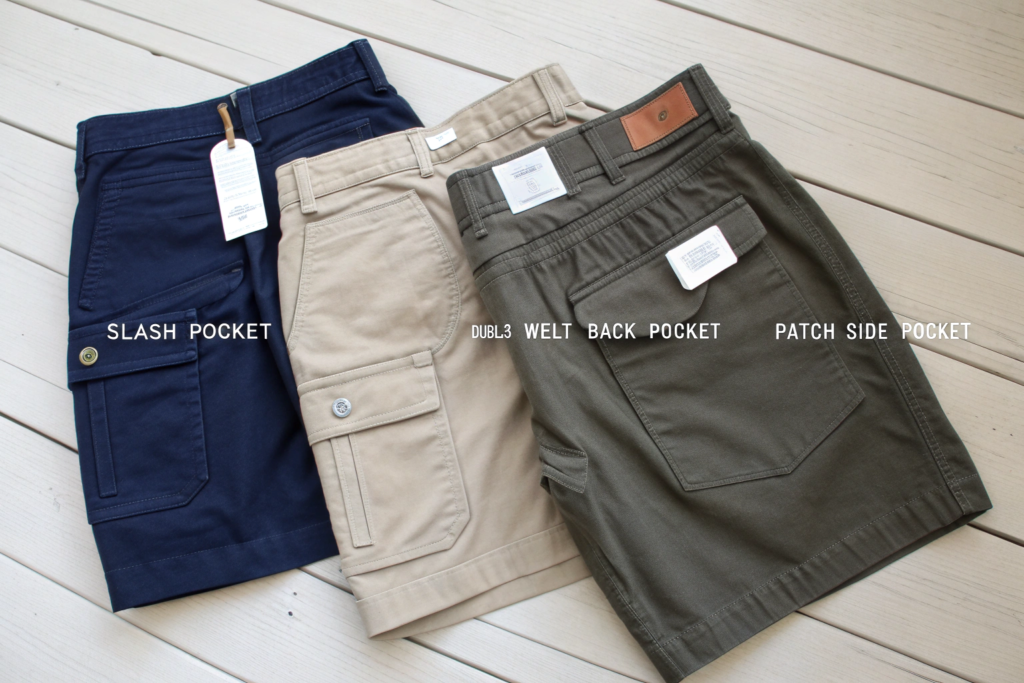
A slash pocket is set into the side seam at an angle. It is cut from the same fabric as the short. It lies completely flat. There is no extra piece of fabric sewn onto the outside. A welt pocket is a finished slit on the back of the short. It has a narrow fabric lip, or welt, covering the opening. It often has a small button closure. Both pocket types are sleek. They do not add visual bulk.
These pockets come from the tailoring tradition. They are the pockets found on a suit trouser. They communicate refinement. The slash pocket is deep enough for a phone and a wallet, but it does not bulge. The welt back pocket holds a card case securely. These pockets say the wearer values a clean silhouette over maximum carrying capacity. The manufacturing of a welt pocket is complex. It requires precise cutting and stitching. A poorly made welt pocket gapes open. A well-made welt pocket is a mark of a quality factory. The tailored trouser pocket styles guide explains the construction. A buyer should inspect the welt pocket on a sample. It should lie flat and closed.
How Do Patch Pockets and Cargo Pockets Define Casual Function?
A patch pocket is a piece of fabric sewn directly onto the outside of the short. It is visible. It adds a layer of material. A cargo pocket is a larger, often bellows-style patch pocket with a flap, placed on the side of the leg. These pockets are designed for utility. They carry more. They are accessible.
The patch pocket is the classic back pocket of a jean or a work short. It is simple. It is durable. It is informal. The cargo pocket is the extreme of casual function. It says the wearer needs to carry things. A phone, a multi-tool, a map, a snack. The cargo pocket is not concerned with a sleek silhouette. It is concerned with capability. These pockets are the opposite of the tailored welt pocket. They are a deliberate design choice for a relaxed, utilitarian garment. The patch pocket and cargo pocket sewing guide shows the construction differences. A casual short with patch back pockets and no side pocket flaps is the standard everyday short. A casual short with a cargo pocket is a specialized utility garment.
What Fabric Choices Separate Tailored Elegance from Casual Comfort?
Fabric is the raw material of the garment’s identity. A tailored short uses fabrics that are smooth, crisp, and often have a subtle luster. These fabrics hold a crease. They drape cleanly. They look like they belong with a blazer. A casual short uses fabrics that are textured, soft, and matte. These fabrics feel broken-in. They look better with a t-shirt than a tie. The fabric choice alone can shift a short from one category to the other.
I recall a brand that made a chino short in a heavy cotton-sateen. The sateen had a slight sheen. The short looked formal. It looked like a dress trouser cut at the knee. The same pattern made in a garment-dyed, enzyme-washed twill looked completely casual. The sheen was gone. The surface was soft and matte. The fabric had transformed the product. This is a powerful lesson for a buyer. You can take the same pattern block and create a tailored product or a casual product simply by changing the fabric. The fabric is the message.
The fabric finishing process is as important as the fiber. A fabric that is mercerized and calendared will look polished. A fabric that is enzyme-washed and tumbled will look relaxed. Let’s look at the specific fabric types for each category.
Why Is Cotton-Sateen the Go-To Fabric for Tailored Shorts?
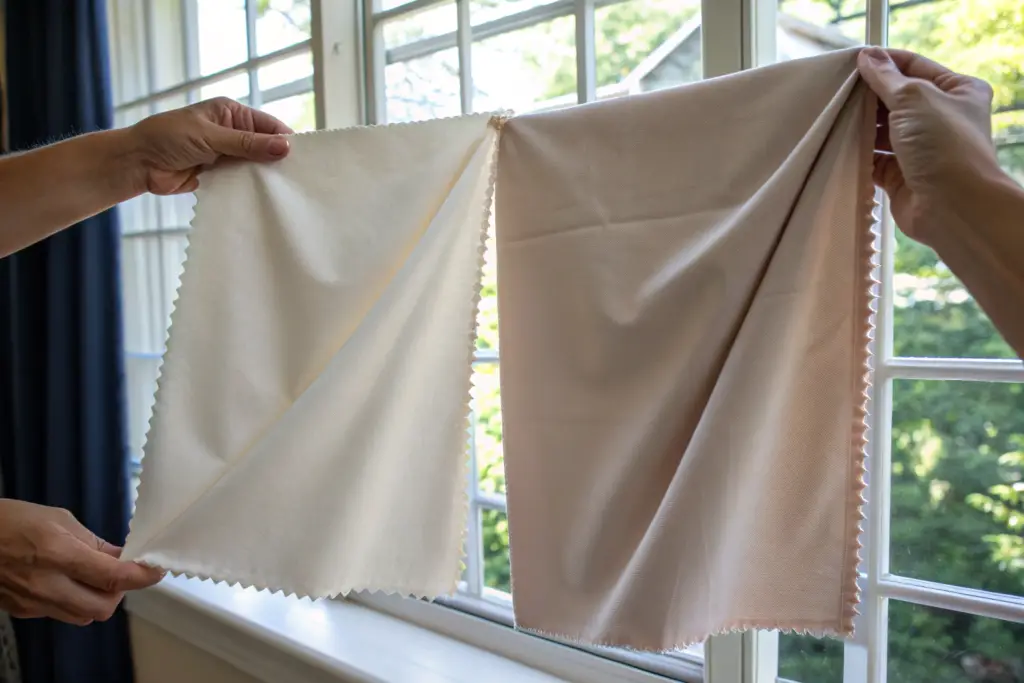
Cotton-sateen is a woven fabric with a satin weave structure. The warp yarns float over multiple weft yarns. This creates a surface that is extremely smooth and has a subtle, natural sheen. It catches the light. It feels almost silky to the touch. It holds a crease exceptionally well.
This fabric is the bridge between casual cotton and formal suiting. It is comfortable and breathable like cotton. It looks luxurious and crisp like a wool trouser. A tailored short in navy or charcoal cotton-sateen can be worn with a linen blazer and look completely appropriate for a summer evening event. The fabric weight is typically lighter, around 200 to 240 GSM, because the tight weave provides the opacity and body. The sheen elevates the color. A navy sateen short looks deeper and richer than a navy twill short. The cotton-sateen fabric properties guide explains the weave and its benefits. A buyer looking to create a premium tailored short should start with this fabric.
How Does a Garment-Dyed Twill Create the Perfect Casual Texture?
Garment dyeing is a process where the finished, sewn short is dyed. The entire garment goes into the dye bath. The dye penetrates the fabric and the stitching. After dyeing, the short is enzyme-washed. The enzymes eat away the loose surface fibers. The short is tumbled dry. The result is a fabric with an incredibly soft, broken-in hand feel. The surface is matte. The color has a subtle, lived-in variation, especially at the seams and edges.
This is the quintessential casual short fabric. It feels like a favorite pair of shorts from day one. It does not look stiff. It does not look shiny. It looks like it has a history. The garment dye process gives the short a relaxed, authentic character. It is the opposite of the crisp, uniform finish of a tailored short. A garment-dyed twill chino is the ultimate weekend short. It pairs perfectly with a worn-in t-shirt and canvas sneakers. The garment dyeing process and its effects guide explains how this finish creates a unique aesthetic. A buyer should specify garment dye and enzyme wash for a classic casual chino short.
How Does the Silhouette and Fit Differ Between the Two Categories?
The silhouette is the overall shape the short makes on the body. A tailored short aims for a clean, elongated, polished line. It often has a slightly shorter inseam, a slimmer leg, and a sharp crease to draw the eye vertically. A casual short aims for a relaxed, easy, comfortable shape. It often has a slightly longer inseam, a wider leg, and no crease. The fit is looser. The attitude is unhurried.
I remember fitting a tailored short on a brand owner. He wanted a slim, European look. We tapered the leg to a 20-inch opening. We set the inseam at 6 inches. The short looked sharp. It elongated his legs. He wore it with a linen shirt and loafers. He looked like he was on a yacht in the Mediterranean. Then we tried a casual short on him. We used a straight leg with a 22-inch opening. We set the inseam at 7 inches. The short looked relaxed. It looked easy. He could wear it to a barbecue. The same man. The same base size. Two completely different silhouettes. Two completely different occasions. The fit created the context.
The silhouette is not just about measurements. It is about the presence or absence of a center crease. The crease is the vertical line that structures the tailored short. Let’s look at both elements.
Why Is a Center Crease Essential for a Tailored Short?
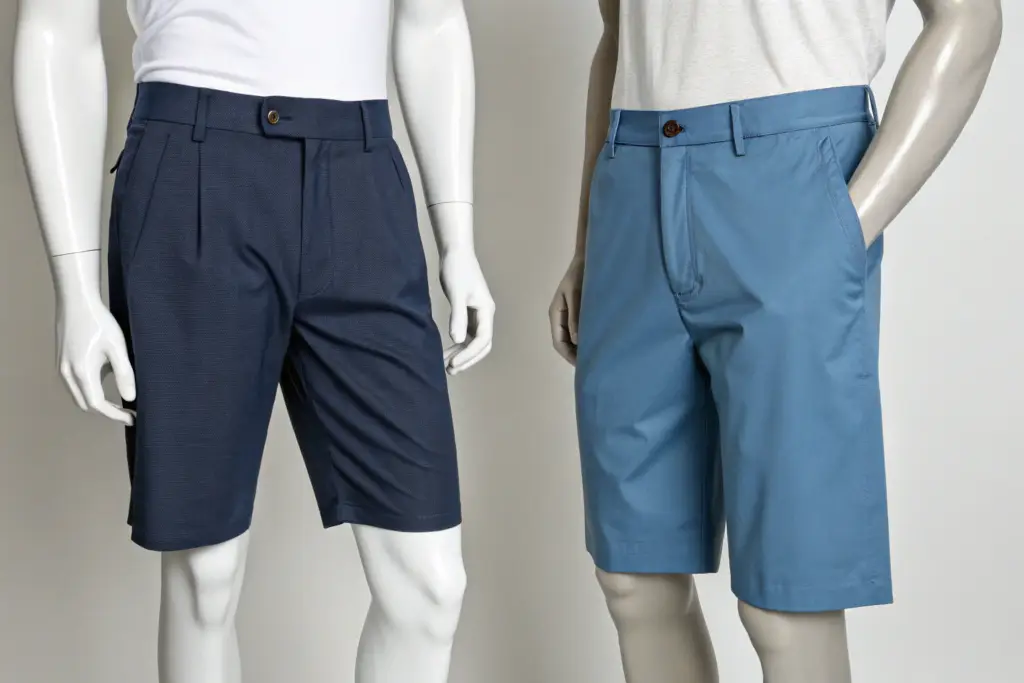
The center crease is a pressed fold running vertically down the front and back of the leg. It is the defining visual element of a tailored trouser. It creates a sharp, straight line from the waist to the hem. This line draws the eye down. It elongates the leg. It signals structure and formality.
A tailored short without a crease is just a slim chino short. The crease is the difference. It is a permanent or semi-permanent press that is applied with a buck press in the factory. A quality tailored short uses a fabric that holds a crease and a permanent crease finishing process. The crease should be sharp but not sharp enough to cut. It should survive multiple washes. This crease allows the short to be worn in a setting where a suit pant would be too much but a regular short would be too little. The permanent crease in tailored shorts is a topic of detailed discussion among menswear enthusiasts. It is a non-negotiable detail for a true tailored short.
How Does a Relaxed Silhouette Define the Casual Short?
A casual short has no crease. The leg is straight or slightly tapered. The fabric is allowed to drape naturally. There is no attempt to impose a strict, architectural line on the garment. The fit is often slightly more generous in the thigh and seat to prioritize freedom of movement.
This relaxed silhouette is the heritage of military and workwear garments. Soldiers and workers needed to move. They needed to bend, lift, and crouch. Their shorts were cut full for function. The modern casual short inherits this DNA. It is not oversized. It is just not restrictive. The wearer can sit cross-legged on the grass. They can throw a football. They can kneel down to fix a bike chain. The short moves with them. This functional ease is the hallmark of a casual garment. The relaxed fit shorts guide explains the measurements that create this comfortable silhouette. A casual short should have at least 2 inches of ease in the thigh compared to a tailored short in the same size.
How Do the Intended Use Cases Differ for Tailored and Casual Shorts?
The final difference between tailored and casual shorts is the context in which they are worn. A garment is a tool. Different tools are for different jobs. A tailored short is for situations where a degree of formality is required. A casual short is for situations where comfort and utility are the priorities. Wearing the wrong tool for the job creates discomfort, either physical or social.
I once attended a summer industry event. The dress code was "smart casual." I wore a pair of tailored cotton-sateen shorts with a blazer. Another attendee wore cargo shorts and flip-flops. We were both technically wearing shorts. But the social reception was different. He looked out of place. He was not treated poorly, but he was not taken as seriously. His clothing choice signaled a lack of understanding of the context. This is not about fashion snobbery. It is about social literacy. Garments have meanings. A buyer who understands these meanings can help their customers navigate their lives successfully.
A brand should offer both tailored and casual shorts. They are not competitors. They are complements. They serve different needs for the same customer. Let’s map the specific use cases.
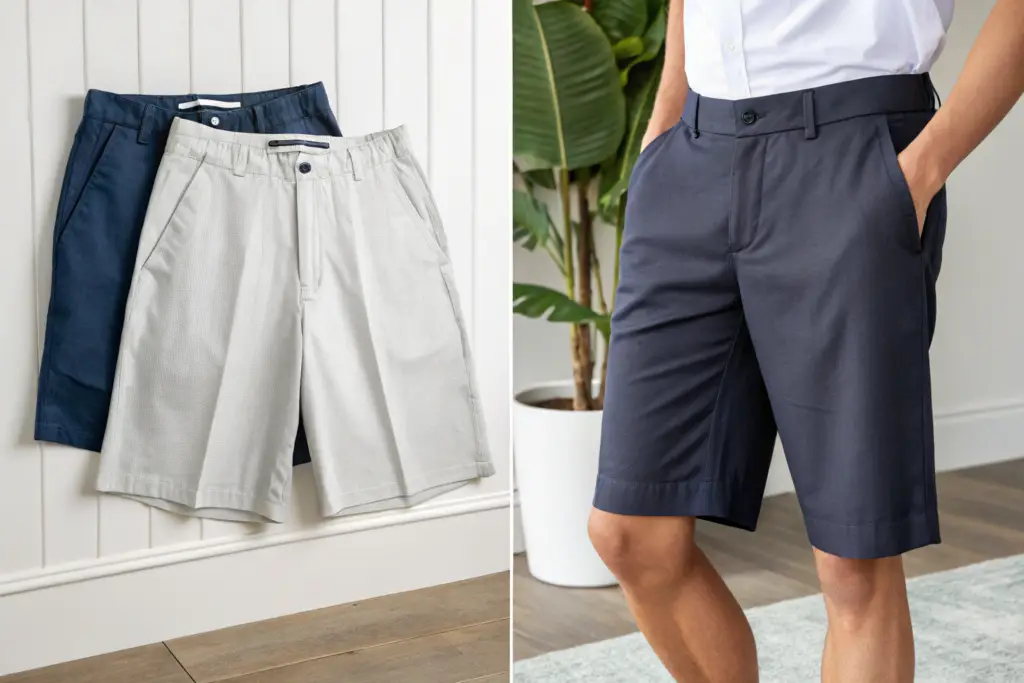
What Occasions Call for a Tailored Classic Short?
A tailored short is appropriate for smart-casual offices, summer weddings with a relaxed dress code, dinner dates at nice restaurants, cocktail parties, art gallery openings, and vacation evenings at a resort. Anywhere a sport coat would be welcome, a tailored short is appropriate if the weather is warm.
The key is the pairing. A tailored short should be worn with a collared shirt, a belt, and leather shoes. A tucked-in linen or cotton shirt. A lightweight blazer. Loafers, driving mocs, or clean minimal sneakers. The overall outfit should look intentional and polished. The tailored short is the bottom half of a summer suit. It is a garment for a man who cares about his appearance and wants to look put-together in a warm-weather social setting. The how to style tailored shorts guide provides outfit formulas. A brand that sells tailored shorts should provide this styling content to its customers.
When Is a Casual Classic Short the Obvious Choice?
A casual short is for weekends, beach trips, park visits, barbecues, sporting events, grocery runs, and lounging at home. It is for any situation where physical comfort is the priority and there is no formal or semi-formal dress code.
The casual short pairs with t-shirts, polo shirts, henleys, and casual button-downs worn untucked. It pairs with sneakers, sandals, and boat shoes. It is the go-to, everyday warm-weather bottom. It is the short a man wears when he does not want to think about his clothes. The casual short is the volume driver for most brands. It is the high-frequency wear garment. The casual shorts outfit ideas are endless. The casual short is the default choice.
Conclusion
The difference between tailored and casual classic shorts is a matter of specification, not opinion. The tailored short has a structured waistband with a hook-and-bar closure, slash and welt pockets, a crisp cotton-sateen or lightweight wool fabric, a sharp center crease, and a slim, elongated silhouette. It is built for polished, social warm-weather occasions. The casual short has a soft waistband with a button or drawstring closure, patch or flap pockets, a soft garment-dyed twill or French terry fabric, no crease, and a relaxed, comfortable silhouette. It is built for everyday life.
Neither is better. Both are essential. A well-rounded brand offers both. A well-dressed man owns both. The tailored short gives him confidence at a summer event. The casual short gives him comfort on a Saturday afternoon. The key is knowing the difference and communicating it clearly to the customer. Do not sell a tailored short as a "do-everything" short. It is not for the beach. Do not sell a casual short as a "dress up" short. It is not for a dinner date. Sell each for its intended purpose. The customer will appreciate the clarity. They will buy both.
At Shanghai Fumao, we manufacture tailored shorts and casual shorts with the same precision and care. We use the correct construction for each category. We do not blur the lines. We help our brand partners define their product tiers clearly. If you are developing a tailored short line or a casual short line, or both, we have the patterns, the fabrics, and the trims ready. Contact our Business Director, Elaine, at elaine@fumaoclothing.com. Tell her which category you want to explore. She will send you our tailored short fabric card or our casual short fabric card, along with sample specifications and pricing. Let us help you build a clear, compelling shorts assortment.