You open your summer wardrobe. You see the same flat-front chino shorts you have worn for five years. They are fine. They are safe. They are also boring. You feel a quiet dissatisfaction. You want something with more personality. Something that feels intentional. Something that looks like you understand style, not just clothing. You remember your grandfather's old trousers. The pleats. The drape. The way the fabric moved. You wonder if that look could work now. You search online. You see influencers, designers, and well-dressed men everywhere wearing pleated shorts. The look is back. But it is not your grandfather's baggy golf short. It is something new. It is refined. It is relevant. It is suddenly the most interesting thing in menswear.
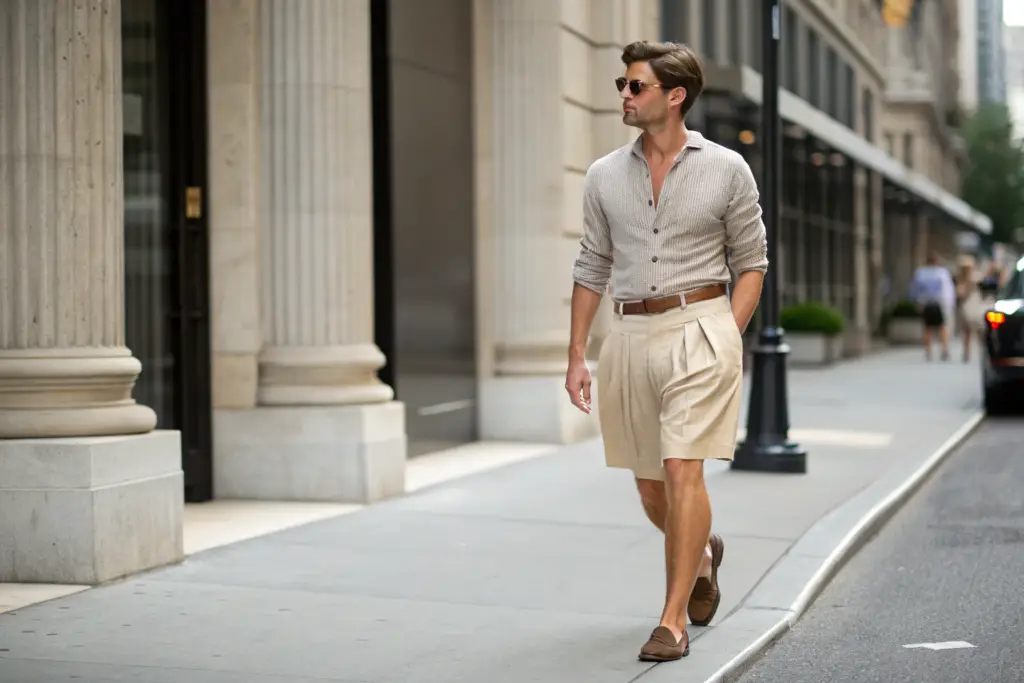
Pleated shorts are the new old trend for men in 2026 because they solve a modern style problem that flat-front shorts cannot: they provide physical comfort and visual sophistication simultaneously. The forward pleat creates hidden room in the thigh and hip, allowing a relaxed, elegant drape without looking baggy. The pleat adds a vertical design line that elongates the leg and signals a deliberate, tailored aesthetic. In a menswear landscape dominated by slim, flat-front everything, the pleated short stands out as a confident, mature choice. It is not a nostalgic costume. It is a functional, flattering garment updated with modern fabrics, shorter inseams, and trimmer proportions.
At Shanghai Fumao, I track production trends through our cutting tickets. Three years ago, pleated shorts were less than 5% of our men's shorts production. This year, they are approaching 25%. Brands that previously ordered only flat-front chino shorts are adding a pleated option. The growth is not coming from old men. It is coming from contemporary menswear brands targeting 25 to 40-year-old customers. The pleated short has crossed over from traditional to trendy. Let me explain why this happened, what makes a good pleated short, and how to add this silhouette to your collection.
What Exactly Is a Pleated Short and How Does It Differ from a Flat-Front Short?
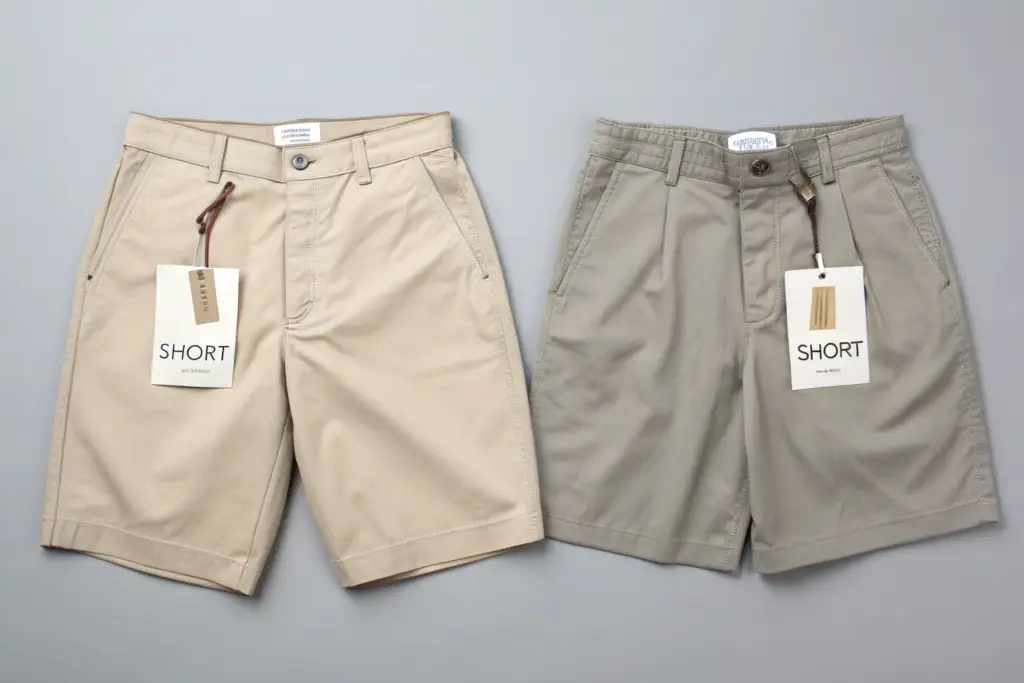
The difference between a flat-front short and a pleated short is visible in one second. A flat-front short has a smooth front panel. The fabric goes straight from the waistband to the hem with no folds. A pleated short has one or two folds of fabric sewn into the waistband. These folds, the pleats, point toward the center fly or toward the side pockets. They add extra fabric to the upper thigh and hip area. The fabric then tapers down toward the knee.
This small fold changes everything. It changes the way the short fits. It changes the way it moves. It changes the way it looks. A flat-front short is a simple cylinder for the leg. A pleated short is a shaped garment that accommodates the body in three dimensions. The pleat is a piece of functional engineering. It is not just decoration. I have explained this to many brand owners who were skeptical. They thought pleats were old-fashioned. Then they tried on a sample. They sat down. The pleats opened. The fabric did not pull. They stood up. The pleats closed. The short looked tailored. They understood immediately. The pleat is a mechanism.
The pleat has a specific anatomy. The depth, direction, and number of pleats determine the style and the function. A single pleat is cleaner and more modern. A double pleat is more traditional and provides more room. Let's break down the types.
What Are Forward Pleats and Reverse Pleats, and Which Is More Modern?
Forward pleats point toward the center fly. They open when the wearer sits or moves. They create a vertical line from the waist to the hem. Reverse pleats point toward the side pockets. They open outward. Forward pleats are considered the more modern and streamlined option. They are more common in contemporary menswear.
The forward pleat creates a clean, uninterrupted visual line from the waist down. It looks intentional. It looks like a design feature, not a comfort accommodation. Reverse pleats can create a bit of flare at the hip when they open. They have a more vintage, 1950s Ivy League association. Both can work. But for a brand launching a pleated short in 2026, the forward pleat is the safer, more fashion-forward choice. The pleat types in men's trousers guide explains the visual differences with photographs. A single forward pleat is the entry point. It signals that the short is modern and considered.
How Many Pleats Are Right for a 2026 Silhouette?
The number of pleats determines the amount of extra fabric. A single pleat adds a subtle amount of room. It creates a gentle drape. A double pleat adds more room. It creates a more pronounced, flowing silhouette. A triple pleat is rare and quite full.
For 2026, the single pleat is the dominant choice. It provides the functional benefit of the pleat without overwhelming the short with fabric. A single forward pleat, about 1.5 centimeters deep, is all that is needed to achieve the look. The short retains a trim leg line. It tapers slightly to the hem. The pleat is a detail, not the entire identity of the short. The double pleat is the choice for a more relaxed, pleated trouser short. It appeals to a customer who wants a vintage-inspired or resort-wear look. The single versus double pleat shorts discussion is active in menswear forums. The single pleat is winning the mainstream.
Why Are Men Choosing Pleated Shorts Over Flat-Front Styles Now?
The shift from flat-front to pleated is not just about aesthetics. It is about physical experience. Flat-front shorts, especially slim-fit ones, restrict movement. When a man sits, the fabric pulls tight across the lap and thighs. The pockets gape open. The waistband digs in. The short becomes a constraint. The pleated short solves this physical problem. The pleats open silently when the body moves. The fabric releases. The restriction disappears. The short moves with the body, not against it.
I recall a fitting with a brand owner, James. He was a die-hard flat-front advocate. He wore slim chino shorts every day. We gave him a single-pleat sample in the same size as his usual flat-front. He put it on. He sat down. His eyes widened. "I can actually move," he said. He crossed his legs. He leaned forward. The shorts accommodated every position. He looked at himself in the mirror. The pleats were closed. The front looked almost as clean as a flat-front. He placed an order for his next collection that same week. James is not an outlier. He is the trend. Men are discovering that comfort and style can coexist. The pleated short is the proof.
The cultural context also matters. Menswear has been dominated by skinny and slim fits for nearly two decades. The pendulum is swinging. Relaxed, comfortable, expressive clothing is in. The pleated short fits perfectly into this new paradigm. Let's explore the two main drivers.
How Do Pleated Shorts Provide Superior Comfort and Mobility?
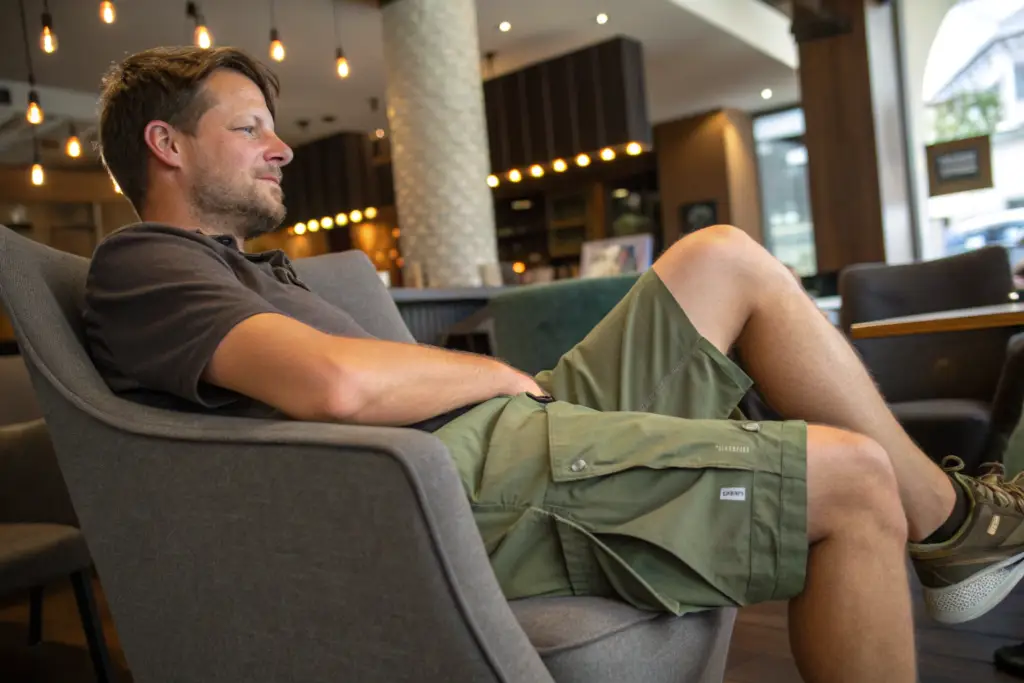
The pleat is a hidden fabric reservoir. When the wearer stands, the reservoir is closed. The short looks trim. When the wearer sits, the reservoir opens. The hip and thigh area gains an extra inch or two of fabric. This extra room prevents the fabric from pulling tight across the lap.
This is a mechanical advantage. It is not a style opinion. It is physics. A man with athletic thighs, a common body type, often struggles with flat-front shorts. The shorts fit at the waist but are tight in the thigh. Or they fit in the thigh but are loose at the waist. The pleated short accommodates the thigh without compromising the waist fit. The pleat provides the necessary ease. This makes the pleated short a more inclusive garment. It fits a wider range of body types comfortably. The comfort and fit of pleated trousers is a frequent topic of discussion. The consensus is clear: pleats are more comfortable.
Why Do Pleated Shorts Signal a More Mature, Confident Personal Style?
Wearing pleats is a statement. It says the wearer understands clothing history. He is not a victim of trends. He chooses garments based on function and elegance, not just what is advertised to him. A flat-front short is the default. A pleated short is a choice.
This choice signals confidence. The wearer is not afraid to wear something that is not the mainstream default. He is secure enough to embrace a detail that his grandfather might have worn, knowing he is wearing it in a completely modern way. The pleated short is a conversation starter. It gets noticed. It communicates a level of style literacy. In a sea of flat-front khaki shorts, the pleated short stands out. It suggests the wearer shops at specialty stores, reads about style, and cares about the details. This is a powerful brand association. The pleated shorts and personal style narrative is compelling for a brand to tell. It attracts a loyal, high-value customer.
How Are Modern Pleated Shorts Being Updated with Contemporary Fits?
The pleated short of the 1980s and 1990s was long, wide, and shapeless. The inseam was 9 or 10 inches. The leg opening was 24 inches or more. The silhouette was a rectangle. The 2026 pleated short is completely different. It is shorter. It is slimmer. It is shaped. The pleat remains, but the proportions around it have been completely re-engineered. This is what makes the trend new, not just old. The vintage reference is clear, but the execution is contemporary.
I worked with a brand to develop their modern pleated short. We started with a vintage 1950s pattern as inspiration. Then we adjusted everything. We raised the rise slightly. We trimmed the leg opening. We shortened the inseam to 6 inches. We used a lightweight cotton-linen blend instead of a heavy twill. The result was a short that had the soul of a vintage garment and the body of a modern one. The brand's lookbook images went viral in menswear communities. The short sold out in pre-order. The lesson was clear. The market wants pleats, but it wants them in a modern fit.
The modern pleated short is a hybrid. It respects the traditional detail but applies it to a contemporary block. The fit is the key to making it look current. Let's examine the specific measurements that define the new silhouette.
What Is the Ideal Inseam Length for a Modern Pleated Short?
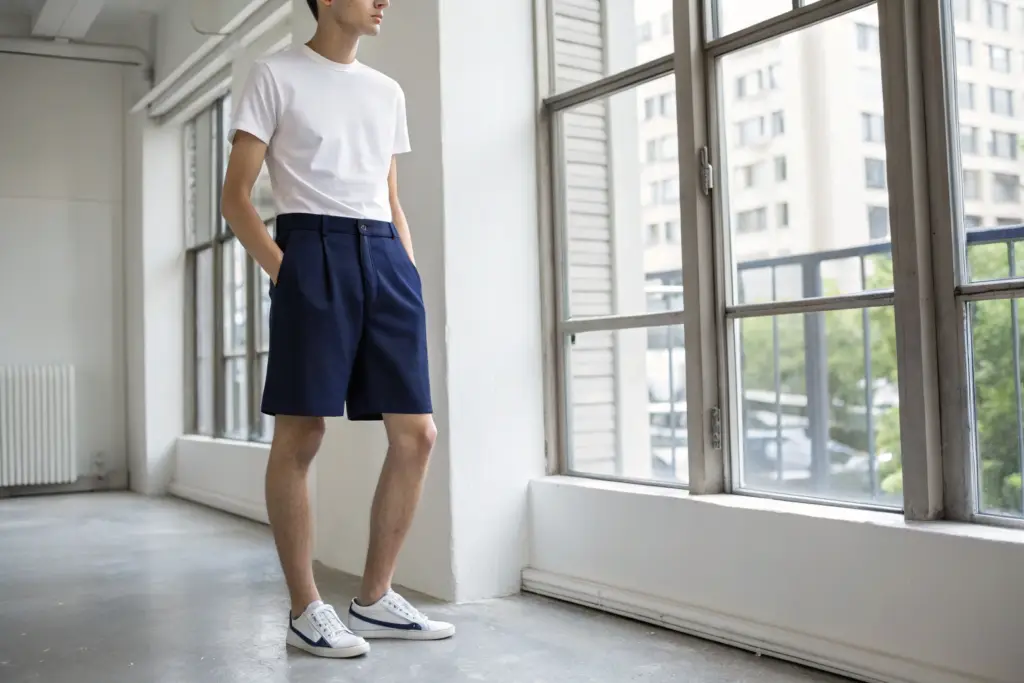
The inseam length determines the overall attitude. A long, 9-inch inseam on a pleated short looks traditional and can skew older. A shorter, 5 to 7-inch inseam looks modern, youthful, and fashion-forward. The shorter length shows more leg. It balances the extra volume of the pleat.
The 6-inch inseam is emerging as the sweet spot for modern pleated shorts. It hits at the mid-thigh. It is short enough to look intentional and stylish. It is long enough to remain comfortable and not feel like a short short. This length, combined with the pleat, creates a beautiful proportion. The pleat gives the upper block a relaxed drape. The short inseam gives the leg a long, lean line. The contrast between the full top and the short length is visually dynamic. The modern pleated shorts inseam guide for 2026 consistently recommends a 5 to 7-inch range. The 9-inch pleated short is for the traditional customer. The 6-inch is for the contemporary customer.
How Does a Slight Taper Create a Clean, Modern Silhouette?
The old pleated short had a straight or even flared leg. The new pleated short has a slight taper. The leg narrows gently from the hip to the hem. This taper removes excess fabric. It creates a clean, sharp line. It prevents the short from looking like a skirt.
The taper is subtle. A leg opening of 21 to 22 inches on a size 32 waist is typical. This is about an inch wider than a slim flat-front short, which might have a 20-inch opening. The extra inch accommodates the pleat volume. But it is not the 24-inch opening of a vintage pleated short. This subtle taper maintains the contemporary feel. The short looks tailored. It looks like it was made for the wearer. The tapered pleated shorts pattern is a specific design. The pattern maker must calculate the pleat depth, the hip width, and the hem width in relation to each other. A poorly designed taper will pull the pleats open. A well-designed taper allows the pleats to close naturally.
What Fabrics and Details Complete the Pleated Short Look?
The pleat is the main character, but the supporting cast matters. The fabric, the waistband, the hem finish, and the styling details all contribute to the overall look. A pleated short in a stiff, heavy canvas will not drape. The pleats will bulge. A pleated short in a too-light fabric will collapse. The fabric must have body and movement. The details must support the tailored, intentional aesthetic.
I recall a fabric trial for a pleated short. We tested a heavy 320 GSM twill. The pleats stood open like wings. It looked terrible. We tested a 180 GSM poplin. The pleats collapsed and disappeared. The fabric was too limp. We finally landed on a 240 GSM linen-cotton blend. The fabric had enough body to hold the pleat structure. It had enough drape to move fluidly. The balance was perfect. This trial-and-error process is essential for developing a good pleated short. The fabric is not an afterthought. It is the difference between a short that looks intentional and one that looks like a mistake.
The fabric choice for a pleated short is narrower than for a flat-front short. The pleat demands certain performance characteristics. Let's look at the best fabric types and the supporting details.
Why Does a Linen-Cotton Blend or Tropical Wool Drape Best?
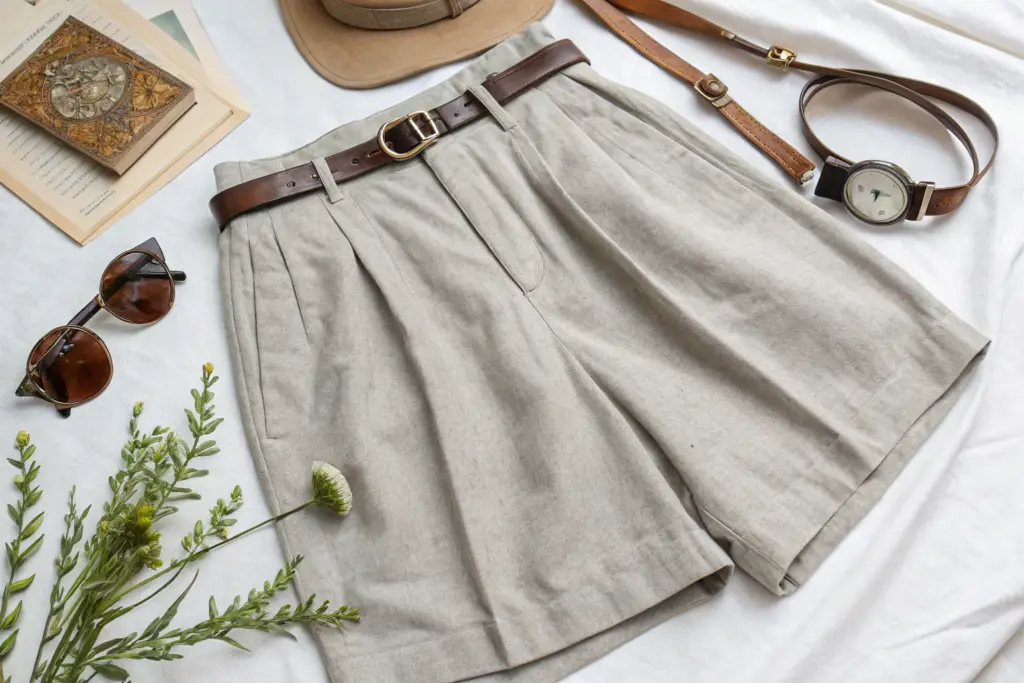
Natural fibers with a bit of weight and a loose weave drape beautifully. A linen-cotton blend, in a 55/45 or 70/30 ratio, is ideal for summer. The linen provides texture and breathability. The cotton provides stability and softness. The blend drapes in soft, flowing folds. It holds a crease enough to define the pleat but not so rigidly that the pleat looks sharp.
Tropical wool is the luxury option. It is a lightweight, open-weave wool fabric. It is breathable. It is wrinkle-resistant. It drapes like a dream. A tropical wool pleated short is the ultimate warm-weather tailored garment. It can be worn with a matching jacket for a summer suit look. The cost is higher, but the perceived value is immense. The best fabrics for pleated shorts guide recommends these natural, breathable materials. Avoid stiff, heavy cottons. Avoid limp, thin synthetics. The fabric must move.
How Do a Cuffed Hem and Side Adjusters Elevate the Design?
A cuffed hem adds weight to the bottom of the short. This weight helps the leg hang straight. It provides a visual anchor. It also adds a tailored, vintage-inspired detail that complements the pleat. A cuff of 1.5 to 2 inches is standard. It can be a turn-up cuff, sewn in place, or a permanent stitched cuff.
Side adjusters are small straps on the waistband that tighten or loosen the fit. They replace a belt. They are a classic tailoring detail found on high-end trousers. Adding side adjusters to a pleated short eliminates belt bulk. It keeps the waistband clean and flat. This detail signals a higher level of design and quality. The customer who recognizes side adjusters knows they are looking at a premium garment. The combination of pleats, a cuffed hem, and side adjusters creates a short that is cohesive in its tailoring language. Every detail reinforces the others. The cuffed hem and side adjusters on shorts are hallmarks of a garment that is made by people who care about menswear.
Conclusion
Pleated shorts are back because they work. They work physically, providing comfort and mobility that flat-front shorts cannot match. They work aesthetically, creating a sophisticated, intentional silhouette that stands out in a sea of sameness. The 2026 version is not a simple revival. It is a reinvention. The proportions are modern. The inseam is shorter. The leg is tapered. The fabrics are soft and draping. The details are elevated. The result is a garment that honors the past while living firmly in the present.
For a menswear brand, adding a pleated short is a strategic move. It attracts a customer who is style-conscious and tired of the flat-front default. It provides a point of differentiation in a crowded market. It allows for a higher retail price point because the garment is perceived as more designed, more intentional. The pleated short is not a replacement for the flat-front chino. It is an addition. It is the second short in a man's wardrobe. The one he wears when he wants to feel a little more polished, a little more expressive, a little more himself.
At Shanghai Fumao, we have developed a modern pleated short block that we offer to our brand partners. The pattern is refined. The fabric options, from linen-cotton to tropical wool, are sourced and tested. We can customize the pleat style, the inseam length, the hem finish, and the branding details. If you are interested in adding a pleated short to your collection, contact our Business Director, Elaine, at elaine@fumaoclothing.com. She will send you our pleated short sample pack and fabric options. Let us help you create a short that your customers will not find anywhere else.