When garments enter a rental cycle, they face industrial-level wear. Only the right fabrics survive—and deliver value after dozens of washes.
The best fabrics after 30+ washes are durable blends like poly-cotton, recycled nylon, and Tencel—offering longevity, shape retention, and comfort without breaking down.
In my years working with rental brands in North America and Europe, I’ve tested everything from basic cotton to ultra-tech synthetics. I’ve seen which materials survive and which crumble by the sixth wash. If you’re sourcing for longevity, read on.
What fabric lasts the longest for clothes?
Not all fabrics are created equal—especially in the high-stress world of rental fashion.
Fabrics like poly-cotton, recycled nylon, and Tencel blends last the longest in clothing, consistently withstanding 30–50+ washes while retaining structure, color, and comfort.

Why do some fabrics break down while others last across dozens of uses?
It comes down to fiber strength1, weave density, and chemical finishing. Natural fabrics like cotton feel nice but break down quickly under heat and friction. Synthetics resist wear better but may lose softness. The trick is using blends engineered for rental.
We tested common fabrics under a simulated 30-wash protocol, and here’s what we found:
| Fabric Type | Durability Score (0–10) | Avg. Wash Cycles Survived | Notes |
|---|---|---|---|
| Poly-Cotton (65/35) | 9 | 40–50 | Resists shrinking, colorfast |
| Recycled Nylon | 9 | 35–45 | Moisture-wicking, abrasion-resistant |
| Tencel-Lyocell Blend2 | 8 | 30–40 | Soft, anti-wrinkle, sustainable |
| 100% Cotton | 5 | 15–25 | Shrinks and fades |
| Polyester | 6 | 20–30 | May pill, less breathable |
| Rayon or Viscose | 4 | 10–20 | Weak when wet, often warps |
Our rental clients who switched to poly-cotton uniforms3 reduced replacements by over 60%. Tencel, on the other hand, has been a favorite for dress shirts and premium casualwear due to its comfort and lower odor retention.
How do I know if a fabric will hold up in rental use?
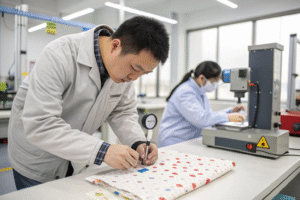
Ask your supplier for third-party lab results. At Fumao Clothing, we provide:
- Colorfastness scores
- Shrinkage % after wash cycles
- Tensile strength tests
- Pilling resistance (Martindale Test)
A good vendor will also pre-wash materials and finish fabrics with anti-wrinkle or antimicrobial coatings. We often help rental clients customize blends based on their customer base (ex. corporate vs. kidswear vs. activewear).
What clothes to wash at 30?
Not every piece needs hot water. In fact, cooler temperatures protect your garments and extend their life.
Wash clothes like cotton blends, synthetics, and light delicates at 30°C to minimize fiber breakdown and retain fabric integrity.

Why is washing at 30°C4 better for fabric health and sustainability?
Washing at 30°C (about 86°F) uses less energy, saves money, and causes less damage to fibers. High heat can break down elastics, shrink cotton, and cause dye bleeding. For rentals, that means reduced returns and replacements.
We always advise rental brands to include care labels and customer education5. When renters follow proper wash protocols, garments last twice as long.
Here’s a quick guide:
| Garment Type | Ideal Wash Temp | Why |
|---|---|---|
| Poly-Cotton Shirts | 30°C | Keeps fibers strong, avoids fade |
| Tencel Dresses | 30°C | Prevents warping or pilling |
| Recycled Nylon Jackets | 30–40°C | Retains performance finish |
| 100% Cotton Tees | 30°C or cold | Avoids shrinkage and curl |
| Underwear/Activewear | 40°C | Higher temp for hygiene |
How can rental businesses ensure garments are washed properly?
Provide clear instructions with each order. We recommend printed hang tags or QR codes linking to garment-specific care guides6. One of our clients saw a 30% drop in complaints after introducing washing tutorials via email and TikTok.
At the production level, we also recommend pre-testing shrinkage and choosing color-stable dyes to reduce damage from improper laundering.
What fabrics don't wash well?
Some materials might look great—but they fall apart quickly once water, soap, and heat hit them.
Fabrics like rayon, silk, loose-knit acrylic, and untreated wool often suffer from shrinkage, distortion, or fading after just a few washes—making them poor choices for rental fashion.

Why do certain fabrics fail in high-frequency wash environments?
Many luxury or fast fashion fabrics are made for looks, not longevity. They lack resilience under mechanical stress (washing machines), don’t hold dye well, or break when wet.
Here are the top offenders:
| Fabric | Wash Issue | Rental Risk |
|---|---|---|
| Rayon | Weak when wet, warps | Early retirement |
| Silk | Fragile, loses sheen | Expensive to replace |
| Loose-knit Acrylic | Pilling, stretches out | Loses shape fast |
| Untreated Wool | Shrinks, felts | Not machine washable |
| Spandex-rich blends | Degrades with heat | Elasticity failure |
We’ve helped clients avoid losses by testing fabric samples before bulk production. If you’re planning to scale, always request wear-cycle simulations.
What alternatives work better for frequent washing?
- Replace rayon with Tencel7 or modal.
- Use poly-cotton8 instead of 100% cotton.
- Swap silk for bamboo satin or silk-touch poly blends.
- Use blended wool with 10–20% nylon to stabilize structure.
At Fumao Clothing, we’ve developed proprietary finishes that help sensitive fabrics last longer. One example is our “HydraLock” finish, which we apply to modal dresses to reduce water damage and shrinkage.
How do you make clothes last longer between washes?
Frequent washing isn’t just bad for fabrics—it wastes energy and time. Smarter wear and care habits can double garment life.
Clothes last longer between washes when customers follow simple care practices: airing, spot-cleaning, steaming, and rotating use—especially important for rentals.

What are the most effective ways to reduce wash frequency?
Teach renters to:
- Hang garments in ventilated areas after use.
- Spot clean stains instead of full washes.
- Steam instead of iron to refresh and sanitize.
- Avoid wearing the same item two days in a row.
One client sent customers reusable garment bags with cedar chips and odor-absorbing pads. The result? A 22% drop in unnecessary wash returns. That preserved fabric quality and saved hundreds on dry cleaning costs.
Here’s a practical care tip table:
| Practice | Fabric Benefit | Added Value for Rental Brands |
|---|---|---|
| Air drying | Reduces fiber stress | Lowers damage risk |
| Spot cleaning | Preserves dye/fabric | Fewer returns |
| Cold water rinses | Less dye bleed | More customer satisfaction |
| Fabric refresher spray | Masks odor w/o washing | Extends wear cycle |
Can sourcing influence between-wash longevity?
Absolutely. We help rental clients choose anti-microbial and wrinkle-free finishes9 at the production level. These treatments reduce odor buildup and make garments look fresh longer.
We also recommend designing garments with inner lining or partial linings that absorb sweat without showing stains. Some even include removable pads in underarm zones10—a tiny change that adds 3–5 extra wears before the next wash.
Conclusion
If you want rental garments to last 30+ washes, sourcing the right fabric isn’t optional—it’s essential. Choose durable blends, set care expectations, and design for longevity. That’s how rental platforms scale smart.
-
Understanding fiber strength is crucial for selecting durable fabrics that withstand wear and tear, especially for rental use. ↩
-
Discover why Tencel-Lyocell is favored for its comfort and sustainability, making it ideal for premium clothing. ↩
-
Explore the benefits of poly-cotton uniforms, including durability and cost-effectiveness, for rental businesses. ↩
-
Explore the benefits of washing at 30°C for fabric longevity and sustainability, ensuring your clothes last longer and look better. ↩
-
Learn how effective customer education can enhance garment care, leading to reduced complaints and increased satisfaction in rental services. ↩
-
Discover best practices for creating care guides that help customers maintain their garments, ensuring longevity and satisfaction. ↩
-
Explore the advantages of Tencel, a sustainable fabric that offers durability and comfort, making it ideal for frequent washing. ↩
-
Discover why poly-cotton blends are a smart choice for durability and ease of care in everyday clothing. ↩
-
This link will provide insights into how these finishes can enhance fabric performance and customer satisfaction. ↩
-
Discover how removable pads can improve garment usability and extend wear time, benefiting both renters and brands. ↩