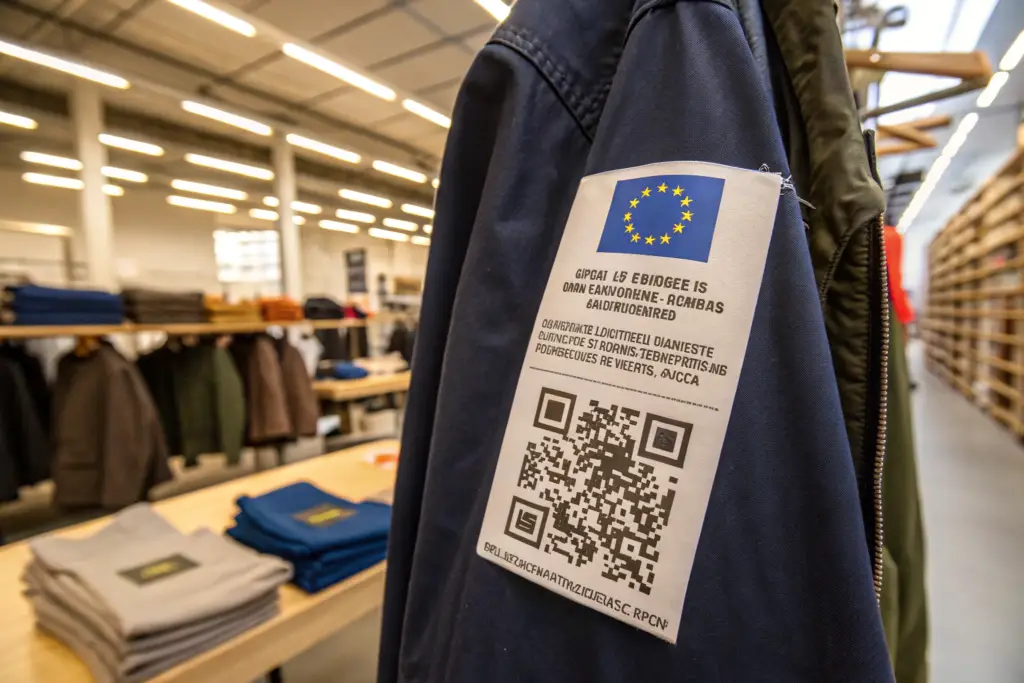
Last month, I had a tense call with a distributor in Amsterdam. He was panicking. He had read a blog post about the new EU Digital Product Passport rules. He thought his entire fall collection of 5,000 wool coats would be blocked at Rotterdam port. He asked me, "Is my shipment illegal now?" His fear was real, but his information was incomplete. The EU is not banning garments without a digital passport overnight. But they are building a framework that will change how every stitch of clothing enters Europe. If you ignore this shift now, you will be scrambling later.
The new EU Digital Product Passport (DPP) requirements for garment importers, driven by the Ecodesign for Sustainable Products Regulation (ESPR), mandate that by 2027, many textile products sold in the EU must carry a unique digital identifier. This passport, often a QR code or NFC tag, links to a secure record of the garment's supply chain, material composition, recycled content, and end-of-life instructions. It is a mandatory transparency tool designed to enable circularity, not just a label.
This regulation is a seismic shift. It moves clothing from a physical good to a data carrier. The passport tells the full life story of a jacket. Where did the cotton grow? Who spun the yarn? Which chemicals were used in the dye bath? Can the zipper be easily removed for recycling? These questions are no longer just for eco-brands. They are becoming legal requirements. As a factory owner, I see this as a massive opportunity for prepared suppliers. At Shanghai Fumao, we have already started mapping our supply chain to comply with these data demands.
What Exactly Is a Digital Product Passport for Clothing Under EU Law?
Many distributors think a Digital Product Passport is just a fancy QR code on a hangtag. It is much more than that. It is a regulated data set. It is a legal filing, like a digital customs document that stays with the product for its entire life. The EU does not want a marketing landing page. They want structured, verified information that recyclers, repairers, and regulators can read. It is a technical passport, not a branding tool.
A Digital Product Passport for clothing, as defined by the proposed Ecodesign for Sustainable Products Regulation (ESPR), is a digital record containing mandatory sustainability and traceability data. It uniquely identifies a specific product batch, detailing its material sourcing, manufacturing processes, chemical safety, and circularity attributes. The passport makes this data accessible via a data carrier physically attached to the garment, allowing stakeholders to make informed repair, resale, or recycling decisions.
Think of it like the nutrition label on food. Before nutrition labels, you had no idea how much sugar was in your soda. The DPP is a nutrition label for fashion. It will tell you the "health" of a garment. Is it made of 100% virgin polyester, or does it have recycled content? Can the fabric biodegrade? Was forced labor involved in its production? The EU wants to empower consumers and waste sorters with this data. This means the data must be standard, machine-readable, and, crucially, authentic. Falsifying DPP data will carry heavy penalties.
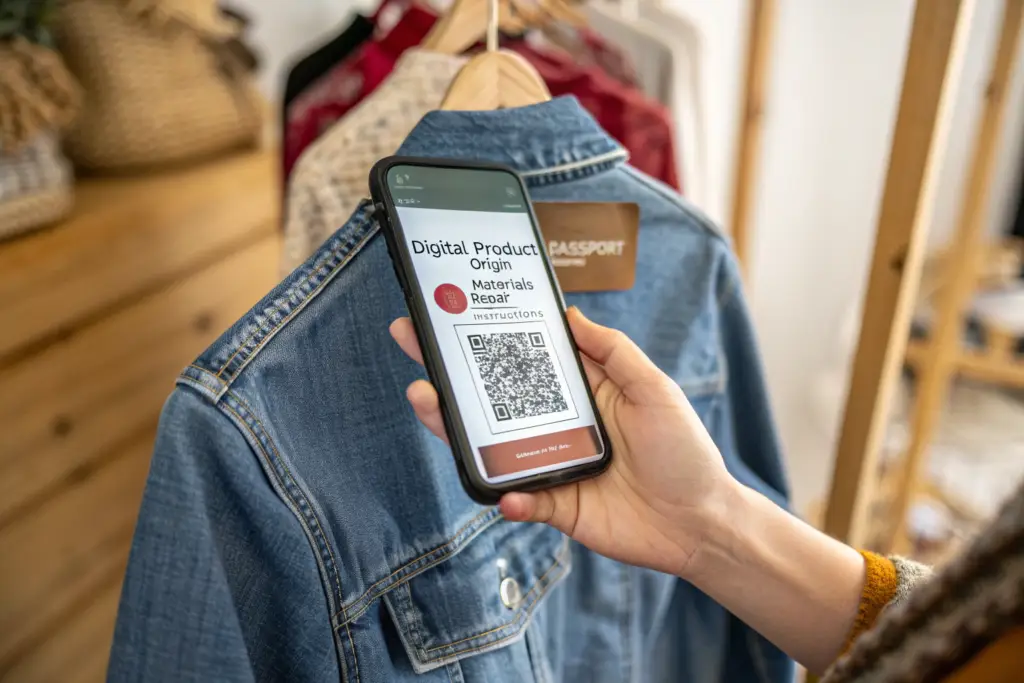
Which Specific EU Regulations Are Driving the DPP Mandate?
The main engine is the Ecodesign for Sustainable Products Regulation, or ESPR. This regulation entered into force in July 2024. It is a framework law. It sets the rules for how the EU will demand sustainable design across many product categories, with textiles being a priority. ESPR replaces the old Ecodesign Directive and expands its scope massively beyond energy-related products.
The other critical law is the EU Strategy for Sustainable and Circular Textiles. This strategy explicitly mandates the DPP for textiles. It states that by 2030, all textile products placed on the EU market must be durable, repairable, and recyclable, made to a great extent of recycled fibers, and free of hazardous substances. The DPP is the enforcement mechanism to check these claims.
These two legislative drivers work together. ESPR provides the legal power to impose the DPP. The Textiles Strategy provides the specific deadlines and requirements for our industry. The European Commission is currently developing the "delegated acts" for textiles. These are the detailed technical rules. They will specify exactly which data fields a jacket needs versus a t-shirt. We expect these specific textile rules to be adopted by 2026, with the obligation for large brands starting in 2027. Tracking these updates through official sources like the European Commission's website is essential for staying ahead.
What Information Will a Typical Garment DPP Need to Store?
The DPP will not just say "100% cotton." It will contain a structured digital file, probably in a JSON or XML format, with several mandatory data groups. The data is split into three main clusters: product identification, sustainability attributes, and circularity instructions.
First, the product identification. This includes a unique product ID, a Global Trade Item Number (GTIN), the manufacturer's details, and the importer's EU address. This is the basic "who made it and who imported it" information.
Second, the sustainability attributes. This is the deep data. It will require the exact material composition, including the percentage of recycled content, proven by third-party certification like the Global Recycled Standard. It will need the list of chemicals used in production, referencing the ZDHC Manufacturing Restricted Substances List. It must disclose the factory locations for cutting, sewing, and finishing. And it will include environmental footprint metrics, like the carbon footprint and water usage for that specific product batch.
Third, the circularity instructions. This is a new concept for many. The passport must tell the user how to repair the garment. It must explain how to disassemble it for recycling. For example, "The zipper is a YKK NATULON® recycled zipper; it can be mechanically recycled. Remove it by unstitching the tape." This turns the garment into a manual for its own rebirth. This level of detail requires a complete digital chain of custody from every supplier in the pipeline.
Why Are Traceability and Green Claims Verification Now Essential?
You cannot fake a Digital Product Passport. The EU is building strict verification mechanisms to back up the system. For years, the fashion industry has been the "Wild West" of green claims. Brands could print "eco-friendly" on a polyester shirt made from crude oil, and no one stopped them. That era is ending. The EU is bringing a "trust but verify" approach, backed by audits and digital verification. This is fantastic news for honest factories like ours.
Traceability and green claims verification are now essential because the EU's Green Claims Directive and the DPP require companies to substantiate any environmental label with verified data. A generic "sustainable" tag without a digital passport linking to a certified supply chain will be deemed a misleading practice. Importers must hold genuine transaction certificates from raw material sources to finished goods, enforced by accredited third-party auditors.
This shift from storytelling to data reporting kills the marketing fluff. You can no longer just put a picture of a leaf on your website. You need a digital thread of evidence. For a garment to claim it is made of organic cotton, that cotton must be traced from the farm, through the gin, to the spinner, to the knitter, to the sewer. The transaction certificates, or TCs, must match the physical goods. The DPP links directly to these certification databases to check if the claim is valid in real time.
How Does the EU's Green Claims Directive Affect Your Marketing?
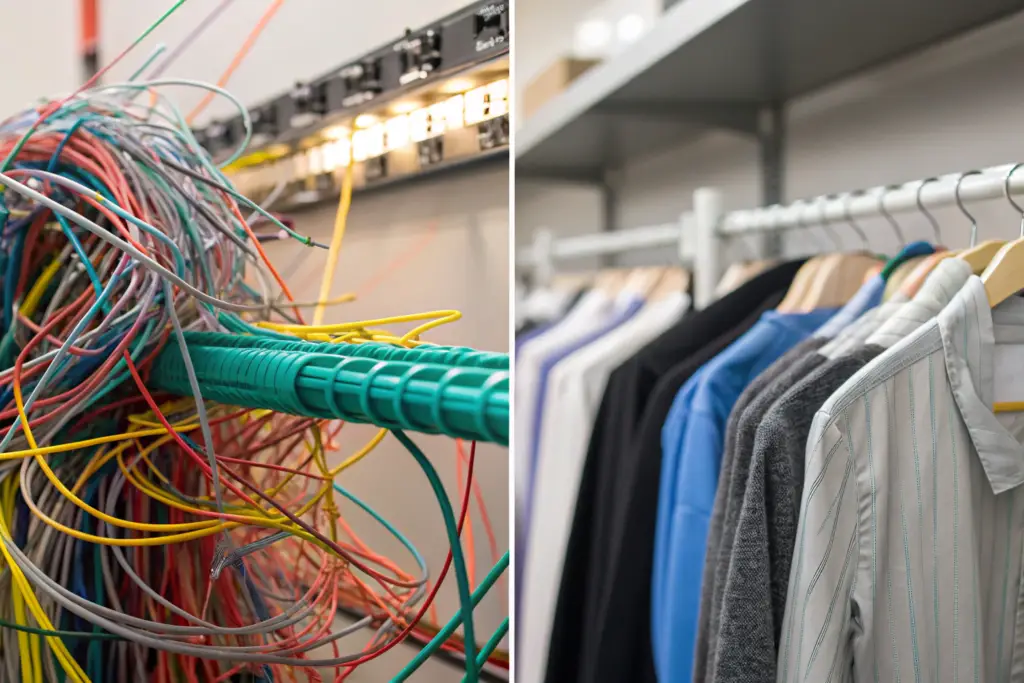
The Green Claims Directive is designed to stop "greenwashing." If you, as a brand or importer, make a claim about your product's environmental performance, you must back it up with a recognized method for substantiation. The DPP is the tool for that substantiation.
Imagine you are selling a winter coat. You want to market it as "made with recycled wool." Under the new directive, this is an "explicit environmental claim." You cannot just show an invoice from a mill that says "recycled wool." The claim must be verified. The Digital Product Passport will automatically pull the certification data. If the scanned QR code shows the wool is only 30% recycled, but your marketing says "eco-friendly wool coat," you are in violation. The authorities can do a simple scan of the passport and compare it to your advertisement.
This creates a direct link between the factory floor and the marketing headline. If I, as a factory, make a mistake in the material traceability, the brand gets sued for misleading advertising. The responsibility is shared. This is why we at Shanghai Fumao now treat the Bill of Materials like a legal deposition. Every percentage point of fiber content must be exact. We use certified labs to verify composition. The days of guessing the hand feel are over. We study the EU Green Claims Directive closely to ensure our documentation allows our clients to market their products without legal risk.
What Role Do Third-Party Auditors Play in DPP Compliance?
The EU does not trust self-declaration. The DPP data will likely need to be verified by an independent, accredited third party. This is similar to a financial audit. Just as a company cannot just say "we made a million euros," an importer cannot just say "our carbon footprint is low." An auditor must sign off on the data methodology.
These auditors will check the "digital backbone" of the passport. They will verify that the data carrier, the physical QR code, links to the correct digital record. They will check that the unique identifiers are not duplicated. They will audit the chain of custody certificates. If you are claiming the product is free of restricted chemicals, the auditor might pull the lab test report from the database and verify it directly with the testing house.
I remember a complicated discussion with a certifier a few months ago. We were preparing a line of women's blouses for a brand that wanted to claim "biodegradable packaging." We had to provide a full decomposition test report from a lab for the poly bags. The auditor wanted the report number, the test standard used (ISO 14855), and the batch date of the bags. We had it all organized in a data room. If we had been a factory just winging it, we would have failed that audit immediately. This is why serious factories are integrating audit trails into their daily operations. The audit is not a one-day event; it is a constant state of readiness. For detailed information on auditing standards, we refer to the guidelines provided by ISO on conformity assessment.
How Can a Chinese Factory Prepare Your Order for EU DPP Compliance?
The DPP might seem like a burden placed on the European importer. But in reality, 80% of the data required by the passport is generated right here on the factory floor. The brand cannot trace the cotton gin. I can. The brand does not know the exact dye recipe. I do. The importer relies entirely on the manufacturing partner to feed accurate data into the system. If the factory is not digitized, the importer's DPP will be empty. This makes a tech-enabled factory extremely valuable.
A Chinese factory can prepare for EU DPP compliance by implementing a digitized Bill of Materials system, securing a UDI (Unique Device Identification) for each product batch, and integrating with blockchain or cloud-based traceability platforms. The key is transforming physical production steps into structured digital events that can feed the passport's data model automatically, starting from the raw material source.
At Shanghai Fumao, we have started a "pre-compliance" program for our EU-bound clients. We do not wait for the final text of the law. We build the data pipes now, using the draft requirements. This means when the 2027 mandate hits, our clients are not panicking. They are just switching on the data feed.
How Can You Digitize Your Bill of Materials for the DPP?
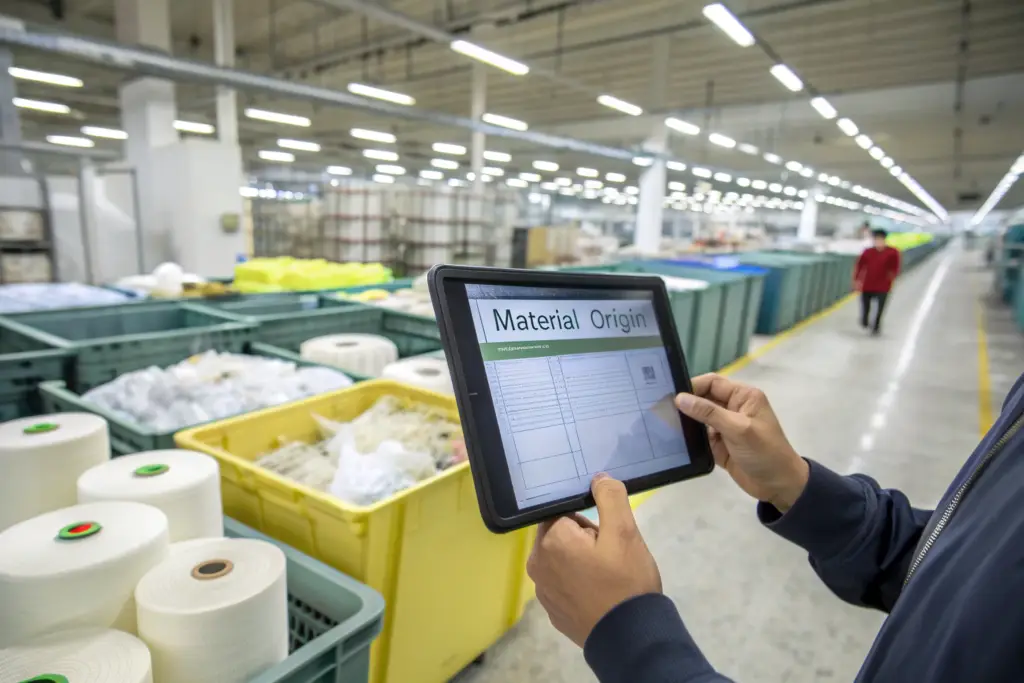
A traditional Bill of Materials is an Excel file. It says "Cotton Fabric, 1.5m." That is dead data. For the DPP, every item on the BOM needs a digital identity. The fabric needs a lot number, a mill certificate, and a fiber origin statement attached as metadata.
We have digitized our BOM process using a cloud-based PLM (Product Lifecycle Management) system. When our sourcing team purchases a roll of organic cotton, the supplier uploads the transaction certificate directly into the PLM. The warehouse team scans a QR code on the roll to receive it. That scan links the physical roll to the digital certificate. When the cutting room uses that specific roll, they scan it again. The system records that this exact batch of cotton went into these specific 500 shirts. The chain of custody is unbroken.
This is not complex robotics. It is disciplined data entry. We generate a unique batch number for every production run. We file the supply chain documents against that number. We keep a digital folder ready to be mapped to the DPP's required fields. For brands that want to offer full transparency, this data can be connected to consumer-facing platforms like EON, which links physical products to their digital twins.
What Is the Best Way to Manage Chemical Compliance Data?
Chemicals are the most technical part of the passport. The ZDHC Manufacturing Restricted Substances List (MRSL) is the industry bible for this. The MRSL bans specific hazardous chemicals from being used in the manufacturing process, even if they don't end up in the final product. The EU is likely to use the ZDHC MRSL as a reference for the DPP's chemical reporting module.
Managing this means you cannot just ask the dye house "is it safe?" You need the exact chemical formulations. We have a simple rule for our wet processing partners. They must provide a ZDHC InCheck report for every batch. If they cannot, we do not use them. It is a strict vendor qualification criterion.
We consolidate these chemical reports, alongside our input chemical inventory, into a compliance dossier. This dossier proves that no restricted substance was used to make the garment. We use screens to test for priority chemicals. We do not just rely on the final product testing; we audit the inputs. Preventing the bad chemical from entering the factory is safer than finding it on the finished dress. This proactive approach is what the DPP rewards. It shifts the burden from testing problems out, to keeping them out from the start, following the principles laid out by the Zero Discharge of Hazardous Chemicals Foundation.
Will the New EU Rules Create New Hidden Costs for Small Importers?
There is real anxiety among my smaller distributor clients. They fear that these digital passports will require a team of data scientists and a Silicon Valley budget. They see these rules and think, "This is the end of my business. I cannot compete with Zara." I understand that fear. But I also see a path through it. The rules will create costs, yes. But the biggest cost is doing nothing and losing access to the single European market entirely. Ignoring DPP is not a cost-saving strategy; it is an exit strategy.
The new EU rules will create initial investment costs for data management and certification, but they will not necessarily cripple small importers. The costs are shifting from marketing photography to data photography. The risk comes from waiting too long. Late adopters will face rush fees from certifiers and chaos at customs, while early adopters can spread the investment and use it as a competitive advantage against less prepared rivals.
Think of it like organic certification 15 years ago. At first, it was a niche cost. Then it became table stakes. Now, you cannot sell to a health food store without it. The DPP is following the exact same adoption curve. The smart small importers are not trying to fight the tide. They are using their nimbleness to adopt faster than the slow-moving giants. A small brand can switch to a compliant factory in a season. A huge brand takes years to overhaul its supply chain.

How Can You Amortize the Cost of Digital Tagging?
The physical data carrier, likely a QR code or NFC tag, has a unit cost. Sewing a QR code onto a care label adds a few cents to the garment. But this tag replaces other costs. If the QR code links to the DPP, you no longer need a multi-page paper booklet with care instructions in 15 languages. That booklet was expensive. It was also easy to lose. The digital tag reduces the need for physical paper.
We have been running pilot projects with woven QR codes that integrate directly into the brand label. The cost is about $0.08 more than a standard satin label. But the brand saved $0.25 on printed collateral. The net cost was negative. They saved money.
For small importers, the key is to amortize the setup cost over several seasons. The backend digital infrastructure, the cloud server for the passport, has an annual license fee. But that fee covers an unlimited number of products. We advise our clients to bundle their product lines. Do not create a separate passport system for a shirt and a dress. Use the same data pipe. This reduces the per-unit data cost significantly. Firms specializing in supply chain mapping, such as TrusTrace, offer scalable solutions that allow smaller brands to start with a manageable digital backbone and expand as needed.
What Happens if You Ignore the DPP Deadline?
The most expensive thing you can do is ignore the deadline. The EU is not going to grandfather existing stock. Once the delegated act enters into application, every product "placed on the market" after that date must comply. If your shipment of women's blouses arrives at Hamburg port a day after the deadline without a DPP, it is a non-compliant product.
The penalties are handled at the member state level. They can include fines, a forced recall of the product, and a ban on the marketing of the product. The product becomes legally unsaleable. You cannot even donate it to charity within the EU. It becomes waste.
I have seen this movie before with the REACH regulation. Brands that ignored it had container loads of shoes and bags destroyed at their own expense. The cost of destruction and landfill fees is huge. The cost of lost customer trust is even bigger. A boutique that buys from you will not survive if their delivery is seized by customs. The DPP is not a voluntary sustainability badge. It is a passport. Just as you cannot fly internationally without a passport, you will not be able to import textiles without a digital one. This is a hard market access requirement, and treating it as optional is a business-ending mistake.
Conclusion
The Digital Product Passport is not a distant bureaucratic fantasy. It is a concrete regulation that is being coded into law right now. We have looked at how the ESPR and the EU Textiles Strategy are creating a mandatory digital identity for clothing, transforming a simple dress into a data-laden asset with a complete life story. We have seen how the Green Claims Directive puts teeth into marketing, demanding verified data from the factory floor rather than poetic copy from an ad agency. And we have explored the practical steps a Chinese factory must take, from digitizing the Bill of Materials to managing ZDHC chemical compliance, to feed this data securely to the EU importer.
The central truth is that the DPP ends the era of anonymous clothing. Every garment will carry a passport that names its materials, its makers, and its fate. For those of us who run clean, professional factories, this is a moment of validation. It rewards honest manufacturing with data transparency.
At Shanghai Fumao, we have already aligned our operations with the draft requirements. We treat traceability not as a burden, but as a product feature. We want our distributors to scan that first QR code on their sample and feel a surge of confidence, not anxiety. We want them to know the data is real, the chain of custody is solid, and their market access is secure.
If you are importing women's wear, men's wear, or children's wear into the European Union, the time to prepare is now. Do not wait for the final legal text to drop. Start building the digital infrastructure with a partner who understands both the sewing machine and the database. Contact our Business Director, Elaine, at elaine@fumaoclothing.com. She can show you a sample of our digital Bill of Materials report, walk you through our chemical compliance protocols, and help you plan a compliant supply chain that keeps your brand safe, sustainable, and saleable in the new European market.