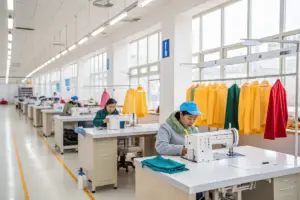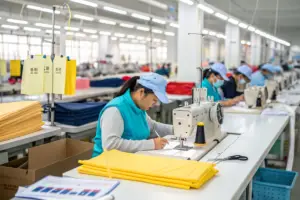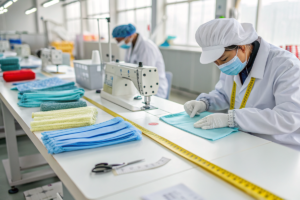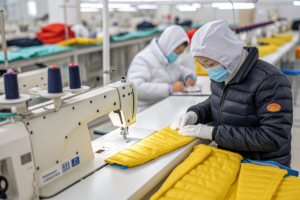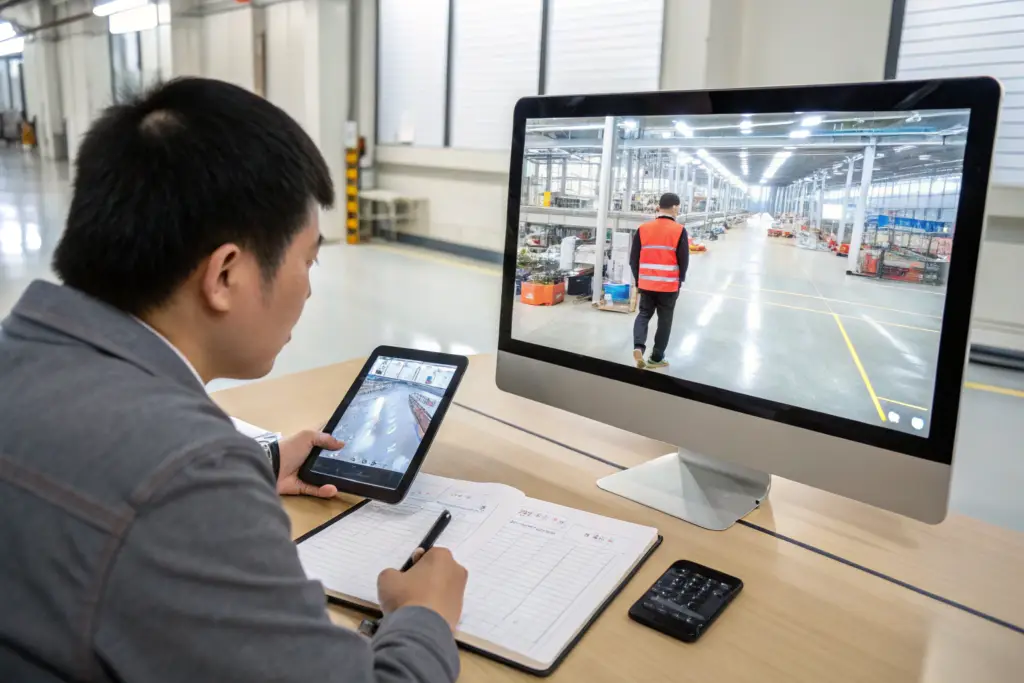
In the spring of 2024, a brand owner from Austin, Texas, sat in her home office and took a virtual tour of a factory she was considering for her knitwear production. The factory's sales representative walked her through the facility on a video call. The cutting room was clean. The sewing lines were busy. The finished goods area was organized. The tour lasted 25 minutes. The brand owner hung up feeling positive. She placed a trial order of 800 units. When the goods arrived, the stitching was inconsistent, the fabric had a different hand feel than the approved swatch, and the delivery was three weeks late. She called me afterward and said, "The virtual tour looked great. What did I miss?" She missed the questions that penetrate the performance. A virtual tour is a curated experience. The camera shows what the factory wants you to see. The questions you ask determine whether the camera reveals the truth or the performance.
The best questions to ask during a virtual factory tour are questions that require the camera to show you specific, verifiable details that cannot be staged on short notice. Ask to see the production schedule whiteboard with the current date visible. Ask to zoom in on a traveler ticket attached to a bundle of cut fabric and read the cut date aloud. Ask to walk into a random sewing station and speak to the operator, asking how long they have worked at the factory. Ask to see the quality control rejection area, not just the finished goods area. Ask to open a fabric inspection report and read the result from the most recent roll inspected. These questions cannot be answered with a rehearsed script. They require the factory to show you its real operations, in real time.
At Shanghai Fumao, I conduct virtual tours for brand partners who cannot travel to Shanghai. I walk them through every department, and I answer every question they ask. I do not script the tour. I do not restrict the camera to the cleanest aisle. I show them what they ask to see, because a virtual tour that only shows the good parts is not a tour. It is a commercial. Here are the specific questions that separate a real factory tour from a staged performance, organized by the area of the factory you are viewing.
What Questions About the Cutting Room Reveal Real Production Quality?
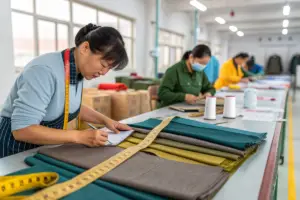
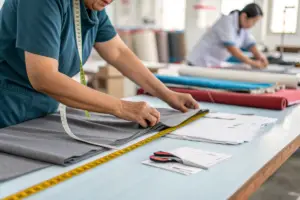
The cutting room is the origin of quality. A factory that cuts fabric accurately produces garments that sew together correctly. A factory that cuts fabric sloppily produces garments with mismatched seams, skewed grainlines, and size inconsistencies. The cutting room also reveals the factory's organization, its workflow discipline, and its capacity utilization. A virtual tour that skips the cutting room or rushes through it is avoiding the area that contains the most objective evidence of production quality.
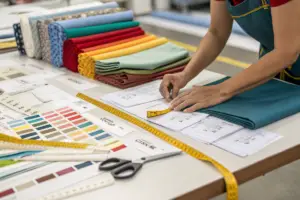
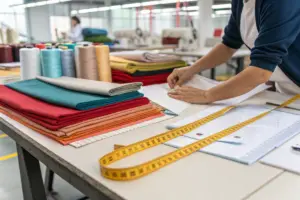
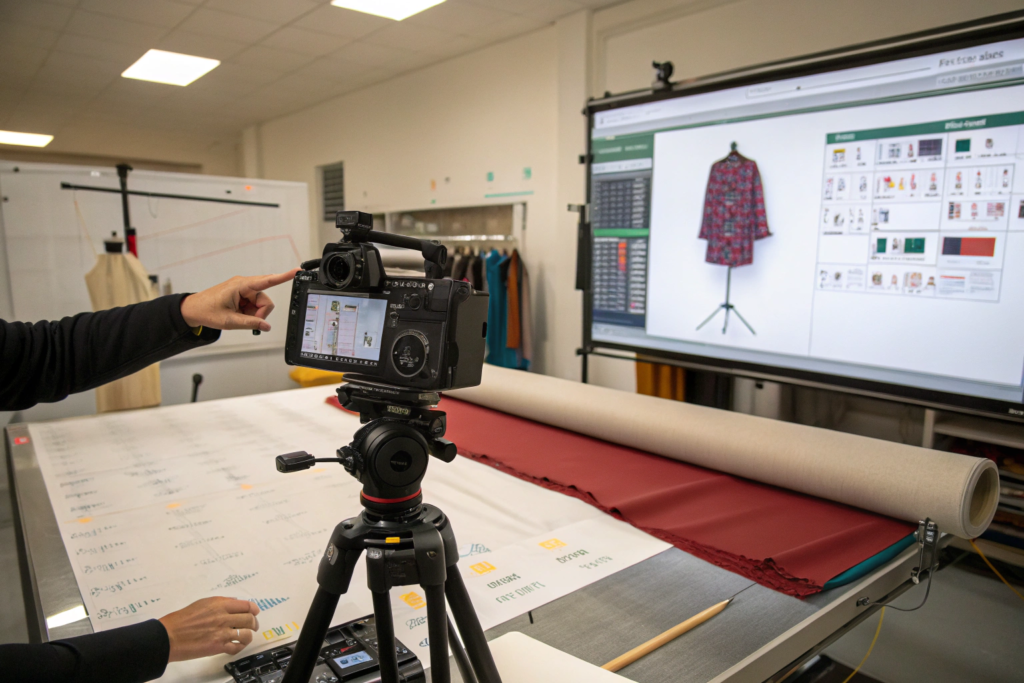
The cutting room questions that reveal real production quality are: "Can you show me the cutting table with the fabric currently being spread? Zoom in on the lay height and tell me how many plies are in this spread. Can you show me the marker paper on top of the fabric and zoom in so I can see the pattern piece outlines? Can you pick up a traveler ticket from a cut bundle and read me the cut date, the style number, and the bundle quantity? Can you show me your fabric utilization tracking board or your marker efficiency report for the current week?" A factory that can answer these questions immediately, with the camera showing the evidence, has a disciplined cutting operation. A factory that hesitates, changes the camera angle, or says the cutting room is not operating today, is hiding cutting problems.
The cutting room does not lie. The lay height on the table shows whether the factory is cutting tall spreads for efficiency or short spreads for small orders. The traveler ticket date shows whether bundles are flowing to sewing promptly or sitting for days. The marker efficiency report shows whether the factory is managing fabric waste. Here are the specific questions about marker efficiency and fabric lot tracking.
How to Ask About Marker Efficiency Without Sounding Technical?
Marker efficiency is the percentage of fabric that becomes garment pieces versus waste. A higher marker efficiency means lower fabric cost per garment. The brand does not need to ask for the efficiency percentage directly. The brand can ask a visual question that reveals the same information.
The question is: "Can you show me the marker on top of the fabric spread? Zoom in so I can see the gaps between the pattern pieces. Are the gaps wide, or are the pieces nested tightly together?" A factory with good marker efficiency will show a marker where pattern pieces fit together with minimal waste between them. The pieces will be angled and interlocked. The gaps will be small. A factory with poor marker efficiency will show a marker with large, irregular gaps, pieces placed without optimization. The visual evidence is clear even to a non-technical viewer. The follow-up question is: "Do you use CAD software for marker making, and can you show me the efficiency report for this marker on the screen?" A factory using CAD marker making can display the efficiency percentage instantly.
What Does Fabric Lot Tracking Tell You About Quality Control Systems?
Fabric lot tracking is the system that ensures every garment piece in an order comes from the same fabric dye lot. Without lot tracking, different dye lots can be mixed during cutting, producing a garment where the left sleeve is a slightly different shade than the body. This is a defect that generates customer returns.
The question is: "Can you show me how you track fabric dye lots from the fabric inspection report through to the cutting table? I want to see the lot number on a fabric roll in your inventory, then see that same lot number on the cutting work order or the traveler ticket." A factory with a proper lot tracking system can trace a dye lot number from receiving through inspection through cutting. The numbers will match on every document. A factory without lot tracking will not be able to show this continuity. The fabric roll will have a lot number. The cutting document will not. Or the documents will not be immediately available. A factory that cannot demonstrate lot tracking in real time during a virtual tour is likely not tracking lots systematically, and dye lot mixing is a risk.
What Questions Should You Ask While Walking the Sewing Lines?
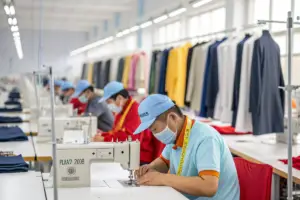
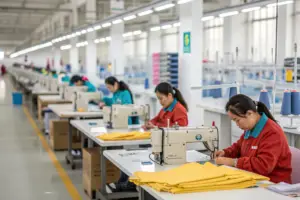
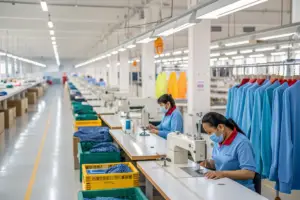
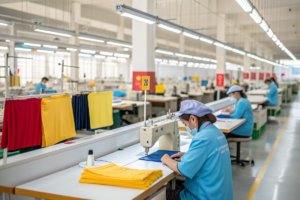
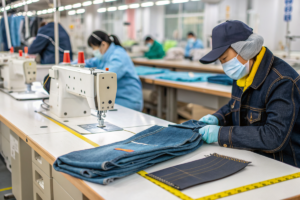
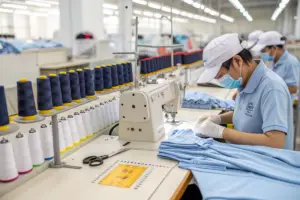
The sewing lines are the heart of the factory. The machines, the operators, the workflow, and the inline quality control all happen here. A virtual tour of the sewing lines reveals more about the factory's true capability than any certificate or spreadsheet. The brand must control the camera's path, not the factory manager. The brand must ask to stop at specific stations, zoom in on specific details, and speak to specific people. A factory manager who controls the camera and narrates continuously, never stopping for a close-up, is managing the tour as a presentation, not as an inspection.
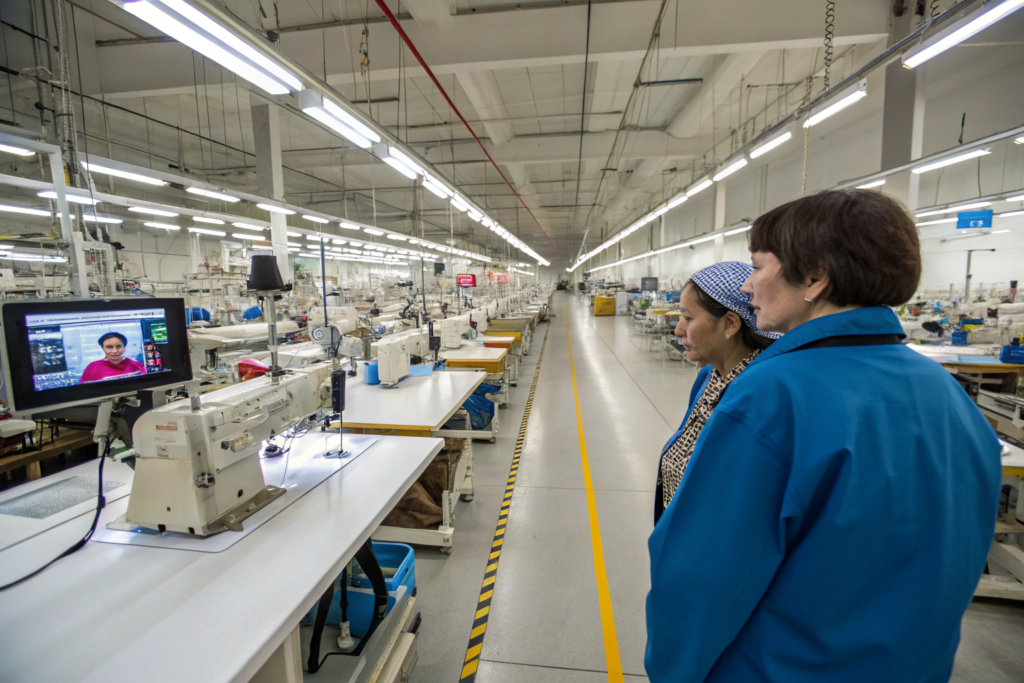
The sewing line questions that reveal operational reality are: "Can you stop at this station and let me watch the operator complete a full operation? Zoom in on the seam as it is being sewn. Can you ask the operator how long they have worked at this factory? Can you show me the inline quality inspection station? How many inspectors are on this line, and can I see their inspection records from this morning? Can you show me the bundle ticket on the next bundle waiting at this station and read me the cut date?" These questions require the factory to engage with its operators and its quality systems in real time, in front of the camera.
A factory where operators look up, make eye contact, and answer questions comfortably is a factory with a healthy workplace culture. A factory where operators keep their heads down, avoid eye contact, and the manager answers for them is a factory where workers are coached or fearful. The difference is visible. Here is how to ask about inline quality checks and how to spot worker skill through the camera.
How to Verify Inline Quality Inspection Processes Remotely?
Inline quality inspection means checking garments during production, not just at the end. A factory with inline inspection catches defects when they occur, not after 500 units have been sewn. The question is: "Can you walk me to an inline inspection station on this sewing line? Show me the inspector's workstation. What tools does the inspector have, a measuring tape, a stitch counter, a spec sheet? Show me the inspection record for this line from this morning. How many units were inspected? How many defects were found? What types of defects?"
A factory with a functioning inline inspection system will have an inspector at a designated station, with tools and records at hand. The inspector will be able to explain what they are checking. The records will show specific defect counts and types. A factory without inline inspection will not have a designated inspector station. The manager may point to a supervisor and say they also do inspection. The records will be vague or non-existent. The absence of a dedicated inline inspector with current records is a red flag for quality control.
What Operator Behavior Indicates Skill Level and Workplace Culture?
The skill of the operator is visible in their hands. A skilled operator moves fabric through the machine smoothly, without hesitation. The fabric flows. The seam is straight. The operator trims threads as part of the motion, not as a separate step. An unskilled operator stops frequently, adjusts the fabric, checks the seam, and restarts. The difference is visible within 30 seconds of observation.
The workplace culture is visible in the interactions between the manager and the operators. When the manager approaches a station, do the operators look up and acknowledge the manager? Do they appear comfortable? Does the manager greet them by name? A manager who knows the operators' names and greets them naturally is a manager who is present on the floor regularly. A manager who walks through the line without interacting with operators, or who speaks to them in a commanding tone, reveals a different culture. Ask the manager: "Can you introduce me to this operator? What is their name, and what operation are they performing?" A manager who can answer immediately knows their workforce. A manager who hesitates or deflects does not.
What Questions About the Finishing and Packing Area Expose Hidden Problems?
The finishing and packing area is where the factory's final quality decisions are made. It is where garments are pressed, inspected, labeled, and packed. It is also where rejected garments accumulate. A factory that shows only the perfect finished goods rack and moves quickly past the packing tables is hiding the evidence of its quality failures. Every factory has rejects. The question is whether the factory will show them and explain them.
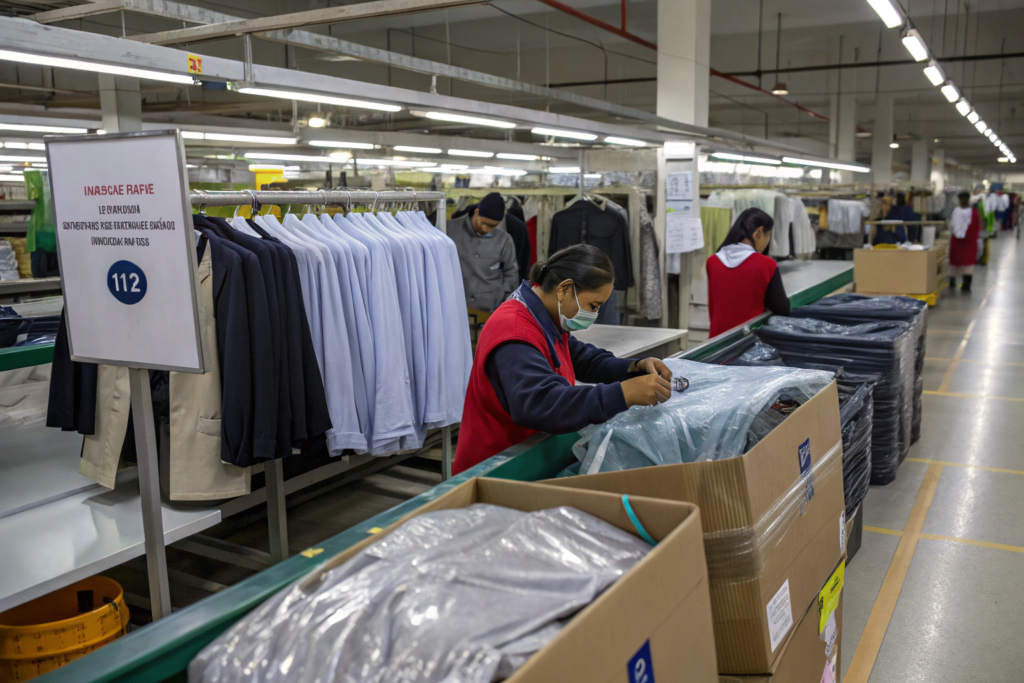
The finishing and packing area questions that expose hidden problems are: "Can you show me your quality rejection rack or hold area? How many units are on it right now? Can you pick up a rejected garment and show me the defect tag? What is the defect, and what is the disposition, rework, downgrade, discard? Can you show me your daily packing log from yesterday? How many units were packed? How does that compare to the production schedule?" A factory that freely shows its rejection area and explains its defects is managing quality transparently. A factory that claims to have no rejects, or that cannot show a rejection area, is concealing its quality failures.
Every garment factory has internal defects that are caught and reworked before shipping. A factory that claims a zero internal defect rate is either not inspecting, or is not telling the truth. The rejection area is a sign of a functioning quality system, not a sign of a failing factory. Here is how to ask about rework rates and how to check for label accuracy.
Why Should You Ask to See the Rework and Rejection Log?
The rework and rejection log is the factory's honest diary of its quality problems. It records every unit that failed inspection, the defect type, and the disposition. The log reveals patterns. A log that shows 15 units rejected for "uneven hem" this week is a pattern. The factory should be able to explain what caused the uneven hems and what corrective action was taken.
The question is: "Can you show me the rework log for the past week? Walk me through the entries. What were the most common defects? What corrective actions were taken? Can you show me the rework area where these garments are being corrected?" A factory with a transparent quality system will open the log and walk you through it. The log will be handwritten or digital, with current dates and specific defect descriptions. A factory that cannot produce a rework log, or that produces a blank log, is either not tracking rework or is hiding the data.
How to Verify Label and Hangtag Accuracy During a Virtual Walkthrough?
Label errors, incorrect fiber content, wrong size label, missing care instructions, are a leading cause of retail chargebacks. A virtual tour can verify the factory's label attachment process and its checking system. The question is: "Can you walk me to a packing station where labels and hangtags are being attached? Show me the label that is being attached to this garment. Read me the fiber content, the size, and the country of origin. Now show me the purchase order or the packing instruction for this style. Do the label details match the instruction exactly?"
This live cross-check reveals whether the packing team is verifying labels against the purchase order or attaching labels from memory. A factory that can show a matching label and instruction, in real time, has a disciplined packing process. A factory where the manager fumbles for the instruction document, or where the label does not match, has a packing process that is not under control. The test is simple, but a factory that fails it in real time cannot hide the failure.
What Facility and Compliance Questions Should You Ask Before Ending the Tour?
The production floor is only part of the factory. The facility infrastructure, the fire safety systems, the chemical storage, the worker amenities, and the compliance documentation, are equally important. A factory that produces beautiful garments in an unsafe building is a liability to the brand. A factory that mistreats its workers is a reputational risk that can damage the brand more than a late shipment ever could. The virtual tour must include these non-production areas.
The facility and compliance questions to ask before ending the tour are: "Can you walk me to the nearest fire exit and show me that it opens freely? Show me the fire extinguisher inspection tag, what is the last inspection date? Show me your chemical storage area, are flammable and toxic chemicals stored separately? Can you walk me through the worker break area and the bathroom facilities? Can you show me your payroll records for the past month, with worker names redacted, so I can verify average working hours?" A factory that can show these items comfortably is a factory that manages compliance proactively. A factory that resists, deflects, or claims these areas are off-limits is a factory with compliance problems.
Compliance is not a certificate on the wall. It is the condition of the fire exits, the cleanliness of the bathrooms, and the accuracy of the payroll records. These conditions are visible during a virtual tour if the buyer asks to see them. Here is how to verify fire safety and chemical storage.
How to Check Fire Safety and Emergency Exits Remotely?
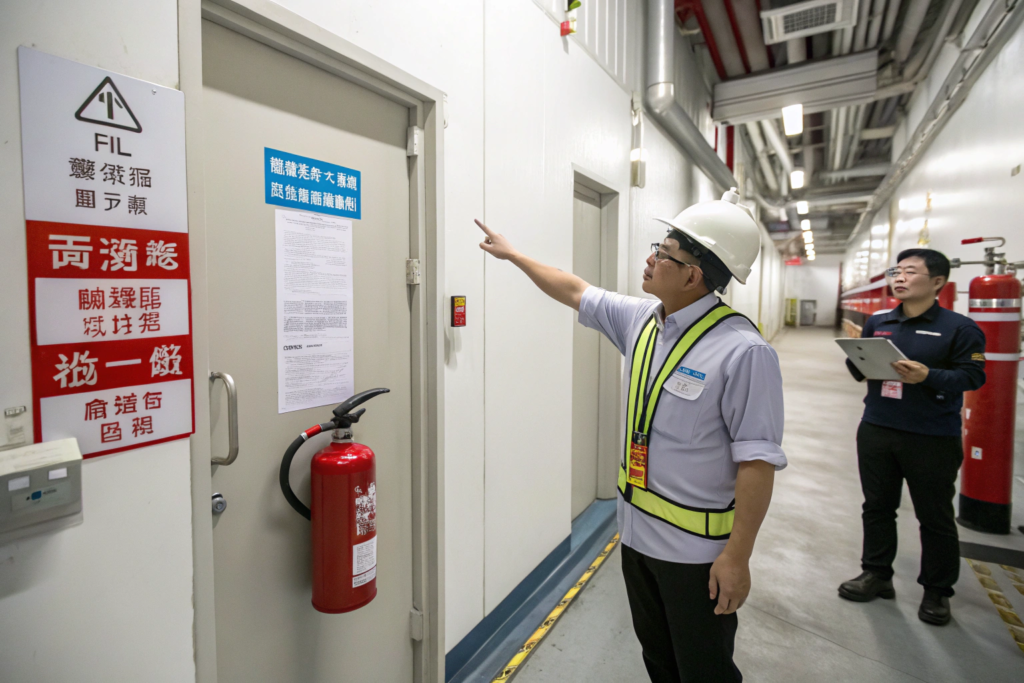
The question is: "Can you walk to the nearest fire exit from where we are standing right now? Show me the exit door. Push it open. Does it open freely? Show me the evacuation route map posted on the wall. Show me the fire extinguisher next to the exit. Zoom in on the inspection tag. What is the date of the last inspection?"
A factory with proper fire safety will have an exit door that opens freely, an evacuation map that is current, and a fire extinguisher with an inspection tag dated within the last month. A factory that hesitates to walk to the fire exit, or where the exit door is blocked or locked, or where the extinguisher inspection tag is expired or missing, has fire safety violations. These violations are immediately visible on camera. The brand should document them and require corrective action before placing an order.
What Chemical Storage Practices Should You Look For?
Garment factories use chemicals, spot-cleaning solvents, dyes, lubricants, that must be stored safely. Flammable chemicals must be stored in fire-resistant cabinets. Toxic chemicals must be labeled and stored separately from food and worker areas. The question is: "Can you show me your chemical storage area? Walk me through what is stored here. Show me the labels on the containers. Are flammable solvents stored in the yellow fire cabinet? Where are the Safety Data Sheets for these chemicals kept?"
A factory with proper chemical storage will have a designated area with fire-resistant cabinets for flammables, clearly labeled containers, and accessible Safety Data Sheets. A factory without proper chemical storage will have chemicals stored in unlabeled containers, near ignition sources, or in areas where workers eat or take breaks. The camera will show the difference. A factory that refuses to show the chemical storage area is hiding a known violation.
Conclusion
A virtual factory tour is not a substitute for an in-person audit, but it is a powerful screening tool when the buyer controls the questions and the camera. The questions that reveal the truth are specific, visual, and verifiable. They ask the factory to show you the traveler ticket date, not tell you the lead time. They ask the factory to read the defect from the rejection tag, not tell you the defect rate. They ask the factory to push open the fire exit, not tell you the building is safe.
At Shanghai Fumao, I welcome virtual tours that ask these questions. I walk brand partners through our cutting room and let them read our traveler tickets. I stop at sewing stations and introduce our operators. I open our rework log and explain our defect patterns. I push open our fire exits and show our extinguisher inspection tags. I do this because a brand that sees our factory honestly is a brand that trusts our production. The questions that reveal the truth do not scare an honest factory. They scare a factory that has something to hide.
If you are evaluating manufacturing partners remotely and you want to conduct a virtual tour that goes beyond the curated highlights, let us schedule a call. We will walk you through every department, answer every question on this list, and show you the evidence that proves our production capability. Reach out to our Business Director, Elaine, at elaine@fumaoclothing.com. The camera does not lie when the questions are right.