
In the fast-moving world of apparel manufacturing, success isn’t just about sourcing the right products—it’s about managing the right supplier relationships over time. A trusted factory can mean the difference between consistent quality and chaos, between on-time delivery and missed retail windows.
Supplier Relationship Management (SRM) is the structured process of building long-term, mutually beneficial partnerships with your apparel suppliers. At Shanghai Fumao, we’ve worked with dozens of U.S. and European brands and have seen firsthand how great supplier relationships lead to better pricing, better communication, and fewer production surprises.
In this article, I’ll share proven SRM strategies for fashion brands, distributors, and sourcing managers who want more predictability, profitability, and trust in their supply chain.
What Are the Foundations of Strong Supplier Relationships?
Great supplier relationships don’t happen by accident. They’re built on trust, transparency, and alignment of goals. This is especially true in apparel, where last-minute design changes and unpredictable sales cycles are the norm.
Establishing strong foundations ensures both sides are motivated to collaborate, not just transact.

Why Is Transparency Critical from Day One?
Factories don’t like surprises—and neither should buyers. Transparency means:
- Sharing seasonal calendars and order forecasts
- Communicating delays early (from either side)
- Being upfront about payment ability and order potential
Suppliers reciprocate when they see consistent behavior. For example, at Fumao, we prioritize brands who send clear tech packs, realistic lead times, and accurate PO terms.
For tips on supply chain transparency, visit Sedex or SupplyShift.
If your brand emphasizes sustainability, ethical labor, or rapid fulfillment, your supplier must align. Values alignment makes collaboration easier, especially in:
- Material selection (e.g. GOTS-certified cotton)
- Factory audits and compliance standards
- Lead time compression for fast fashion
You can explore global factory code alignment at WRAP or BSCI's code of conduct.
Our best clients involve us in their brand story—so we can offer proactive suggestions that reflect those values.
How to Build a Communication Framework That Works?
Poor communication is the #1 cause of supplier breakdowns. Late replies, vague emails, and inconsistent points of contact lead to mistakes, reworks, and missed launch windows.
The solution is creating a structured communication framework that matches your production rhythm.
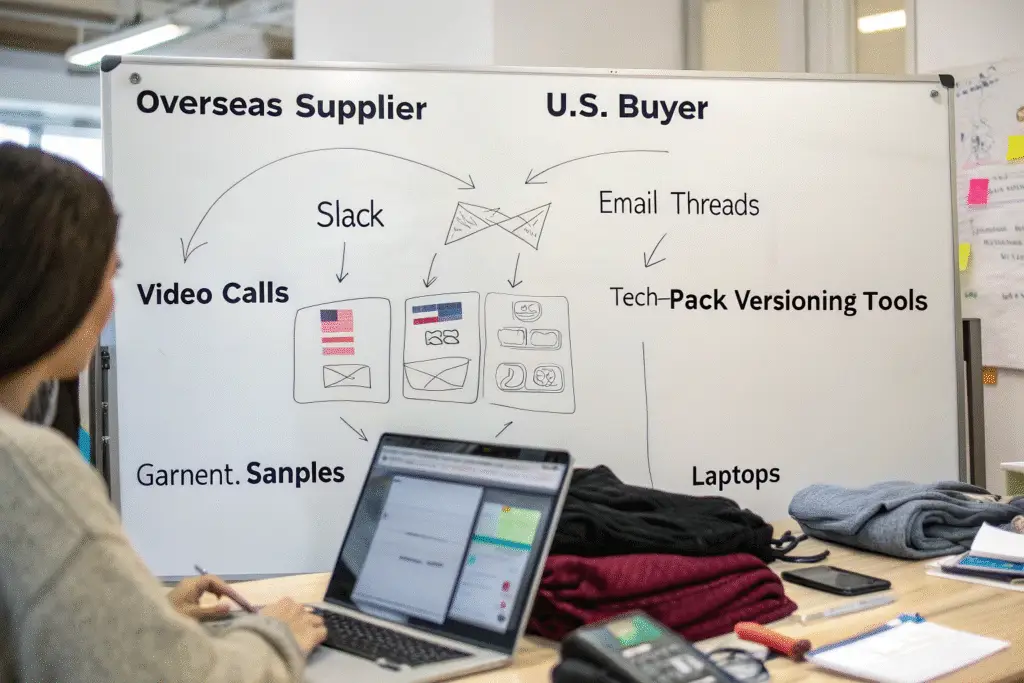
What Tools Improve Supplier Collaboration?
Best practice tools include:
- Slack or Microsoft Teams for real-time project threads
- Google Drive or Dropbox for shared sampling folders
- Notion or ClickUp to track task updates and sampling rounds
- Zoom or Google Meet for weekly video check-ins
Platforms like Techpacker also allow you to version control your tech packs and centralize communication.
At Fumao, we assign a dedicated English-speaking merchandiser and share progress via Slack or WhatsApp, depending on client preference.
Should You Set Weekly Checkpoints or Monthly Reviews?
Yes. Proactive check-ins beat reactive panic. Common cadences include:
| Stage | Meeting Type |
|---|---|
| Sample Development | Weekly video sync |
| Bulk Production Phase | Biweekly check-in |
| Post-Order Debrief | Monthly review |
These meetings create a culture of accountability—and reduce assumptions. Tools like Calendly and Loom help maintain structure across time zones.
What Performance Metrics Should You Track in SRM?
If you can’t measure it, you can’t improve it. Strong supplier relationships depend on clear, objective performance data—not just gut feeling.
Tracking supplier KPIs helps identify strengths, expose risk, and support data-driven negotiations.
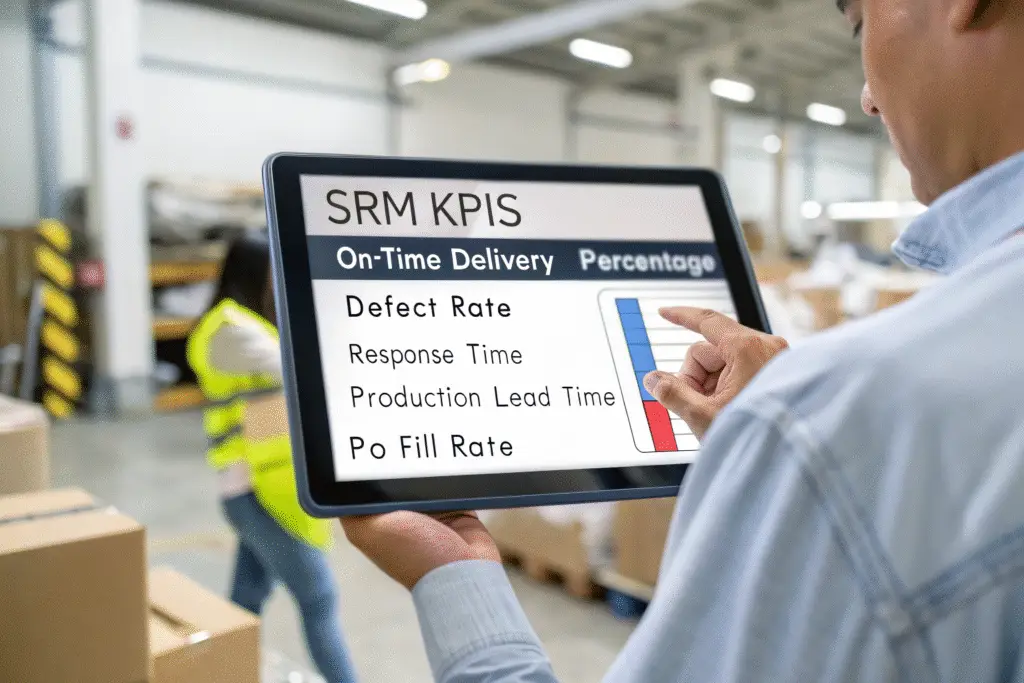
What Are the Most Common KPIs for Apparel Suppliers?
| KPI | Why It Matters |
|---|---|
| On-time Delivery Rate | Reliability |
| First-pass QC Acceptance | Quality |
| Sample Turnaround Time | Agility |
| Response Speed | Communication effectiveness |
| PO Fill Rate | Capacity and allocation |
Many clients build SRM dashboards with Airtable or Smartsheet. You can also export data from your ERP or PLM system.
How Can You Use These Metrics in Supplier Reviews?
At Fumao, we offer quarterly reviews with high-volume clients using Excel-based reports. These reviews often lead to:
- Better payment terms for consistent performance
- Dedicated production slots during peak seasons
- Shared investment in new equipment for joint innovation
Suppliers appreciate it too—it shows commitment and encourages mutual growth.
To structure your own review system, consult Procurement Leaders’ SRM toolkit or CIPS guidelines.
How to Handle Conflict and Renegotiation with Respect?
Every long-term partnership hits bumps—late shipments, quality issues, or unexpected price hikes. What matters is how you resolve those problems without damaging the relationship.
Conflict doesn’t have to mean confrontation. With the right strategy, it can lead to stronger alignment.

What’s the Best Way to Raise a Quality or Delivery Issue?
Don’t accuse. Instead:
- Provide documented evidence (photos, timestamps)
- Focus on impact (“we missed retail launch”)
- Suggest solutions: remake, credit, or repair
- Escalate only if internal resolution fails
It helps to define an issue escalation ladder in advance. You can study ISO 10002 complaint handling guidelines or browse QIMA resolution protocols.
When and How Should You Renegotiate Terms?
Renegotiation is best timed:
- After 2–3 successful order cycles
- When volume increases substantially
- When the product line becomes stable (no major changes)
Focus on win-win terms:
- Slight price drop for larger MOQ
- DDP logistics at no extra cost
- Faster lead time for repeat SKUs
Negotiation tools from Negotiation Experts or Harvard Program on Negotiation can help refine your approach.
Conclusion
Managing your supplier relationships is as important as managing your brand. When done right, SRM leads to better quality, better pricing, and more agile collaboration across seasons. It’s not just about buying—it’s about building.
At Shanghai Fumao, we see ourselves not just as a supplier—but as a long-term partner in your success. We provide full-package clothing manufacturing with English-speaking merchandisers, transparent lead time reporting, and a culture of proactive communication.
📩 Ready to start or strengthen your relationship with a reliable supplier? Reach out to our Business Director Elaine at elaine@fumaoclothing.com and let’s build together—order after order.