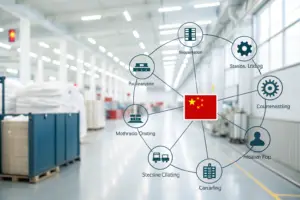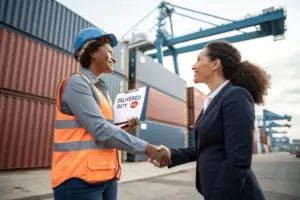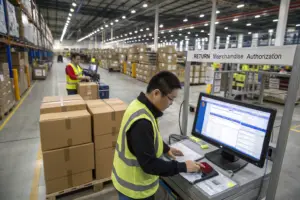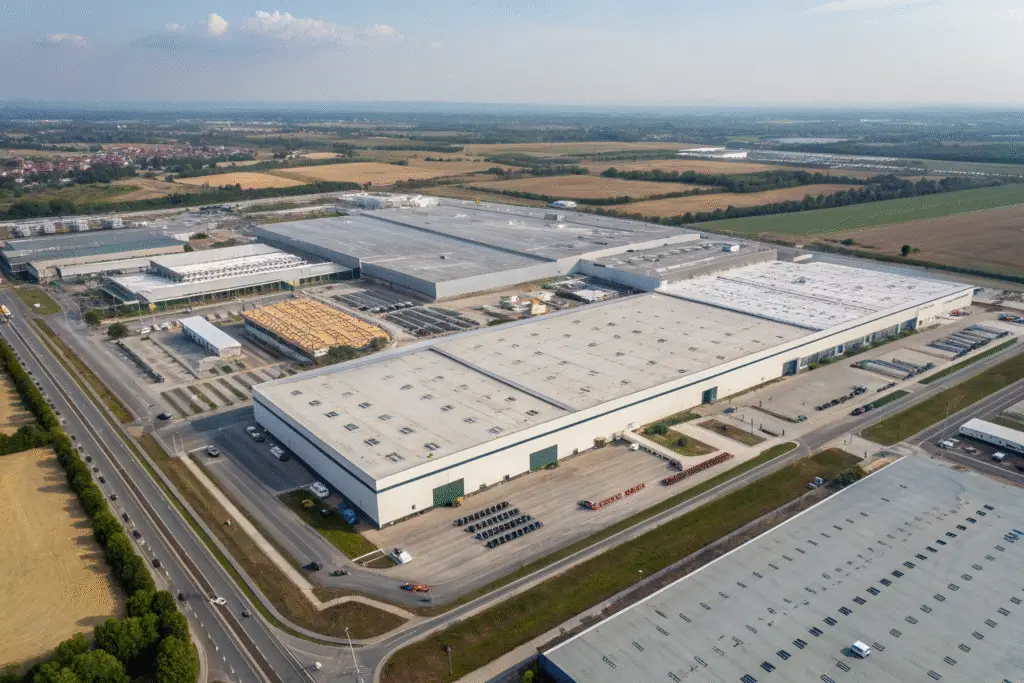
Your fabric is delayed at a mill. Your trim supplier shipped the wrong color zippers. Your printing subcontractor is behind schedule. Each external dependency is a point of failure in your production timeline. Now imagine a model where fabric knitting, dyeing, cutting, sewing, and finishing all happen under one coordinated roof, managed by one team with one goal: your order's success. This isn't a fantasy; it's the reality of vertical manufacturing, and it's transforming how smart brands bring products to market.
The vertical clothing manufacturing model, where most or all stages of production are controlled within a single organization, delivers significant benefits in timeline compression, cost control, quality consistency, and supply chain resilience. By internalizing the key stages from yarn to finished garment, vertical factories eliminate the friction and uncertainty of dealing with multiple, disconnected suppliers. In an era where speed and agility are paramount, vertical integration is a powerful competitive advantage.
I saw the difference firsthand before we fully embraced this model at Shanghai Fumao. We were producing a complex order of technical jackets that required laminated fabric. Our external fabric supplier had a production issue, then the laminator had a delay, and by the time the material reached our sewing floor, we had lost three weeks. We delivered late. That experience was our catalyst. We invested in bringing key processes in-house. Now, for a similar jacket, we control the fabric formation and lamination, allowing us to guarantee a timeline that is 30% faster and with far higher consistency. Let's examine the concrete benefits this control unlocks.
How Does Vertical Integration Radically Improve Your Timeline?
Time is the most valuable currency in fashion. Every day saved in production is a day gained for marketing, a day closer to the selling season, or a buffer against the unexpected. The vertical model's most immediate impact is the dramatic compression of the critical path from concept to shipment.
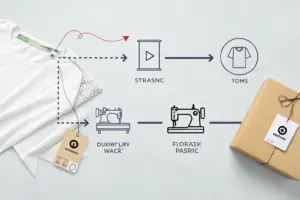
By removing the need to coordinate, negotiate, and wait on external vendors for each component, vertical factories collapse the traditional sequential timeline into a parallel, synchronized workflow.
What Steps Are Eliminated or Accelerated?
In a traditional, fragmented model:
- Procurement Lead Times: You wait for quotes, place orders, and manage logistics with separate fabric mills, trim suppliers, and sub-processors (printers, embroiderers).
- Communication & Coordination Delays: Misunderstandings between multiple parties cause errors and rework.
- Buffer Stock & Logistics: Each transfer between suppliers requires shipping, handling, and quality checks, adding days or weeks.
In a vertical model like ours:
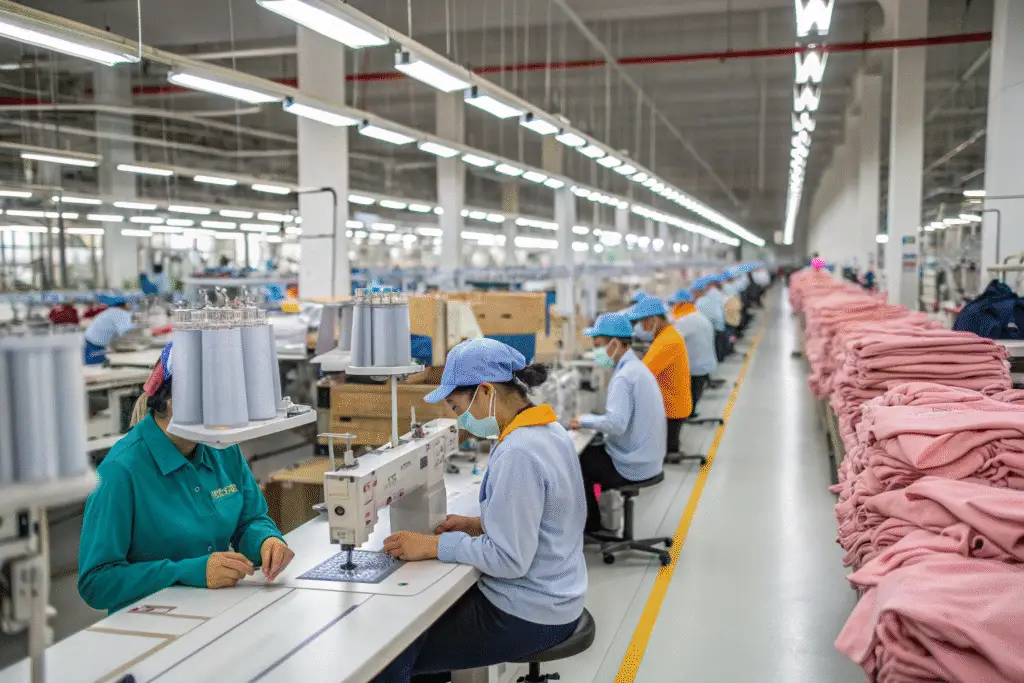
- Internal Sourcing: The fabric department produces or procures yarn and fabric based on an internal schedule aligned with the sewing plan. There's no sales negotiation or external shipping delay.
- Parallel Processing: While fabric is being finished, the trims department can be producing the required buttons and labels, and the cutting room can be preparing markers—all simultaneously.
- Instant Problem-Solving: If a dye shade is off, the dye house manager walks directly to the production manager to adjust it in real-time, rather than sending emails across companies.
Can You Quantify The Time Saved?
Absolutely. For a standard woven shirt order:
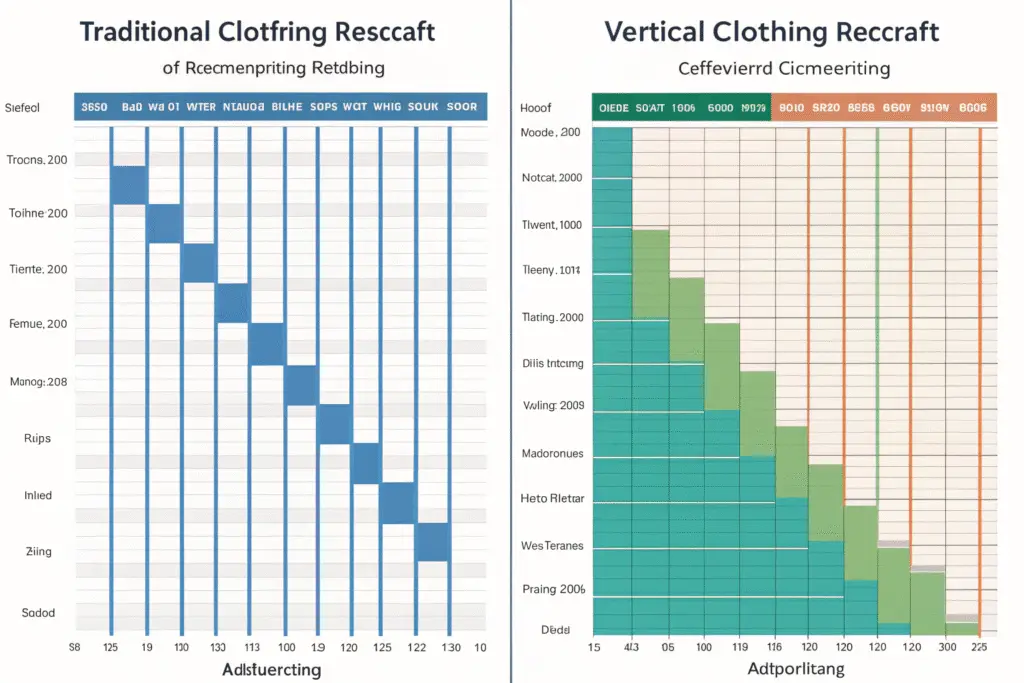
- Traditional Model: Fabric procurement (4-6 weeks) + Trims sourcing (2-3 weeks) + Garment production (3 weeks) + Buffer for transfers (1-2 weeks) = 10-14 weeks total.
- Vertical Model: Integrated fabric/trim procurement & production (5-7 weeks) + Garment production (3 weeks) = 8-10 weeks total.
This 2-4 week saving is the difference between catching and missing a key delivery window.
How Does It Enhance Quality Control and Consistency?
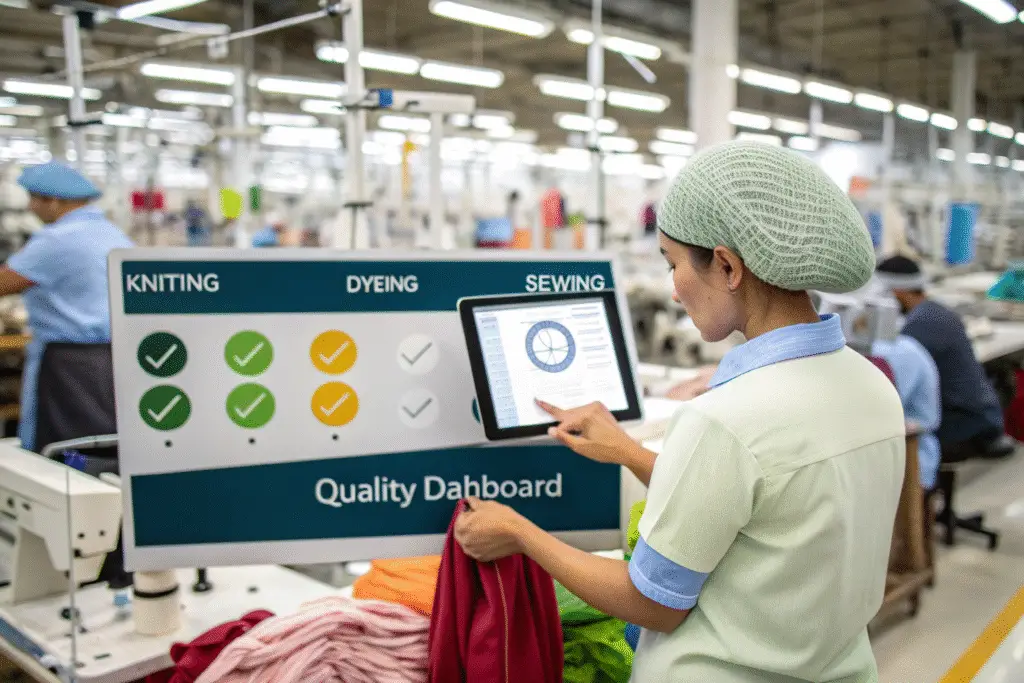
Quality isn't just inspected in; it's built in. When every stage of production is under one management system and one quality standard, consistency skyrockets. The ability to trace any issue back to its root cause—whether in the yarn tension, dye chemistry, or sewing stitch—is immediate and precise.
Vertical integration turns quality from a checkpoint into a continuous thread woven through the entire process.
Where Does In-House Control Make the Biggest Difference?
- Fabric Integrity: Controlling knitting/weaving and dyeing means we can enforce strict in-process quality checks at the yarn, greige fabric, and dyed fabric stages. A flaw can be corrected before thousands of meters are cut. We once caught a minor yarn irregularity during our in-house knitting process. We adjusted the machine settings immediately, preventing a potential barre effect in 5,000 sweaters.
- Color Matching Perfection: Lab dips and bulk dyeing are done in the same facility under the same lighting and water conditions. This eliminates the common headache of color variation between fabric lots from an external mill and dye house.
- Trim & Component Compatibility: Producing or sourcing all trims in-house ensures they are tested for compatibility with the fabric (e.g., shrinkage rates, colorfastness) from the start.
What is the Impact on Your Brand's Reputation?
The result is batch-to-batch consistency that brands dream of. Your customers receive a product that feels, looks, and performs identically every time they order. This builds immense brand loyalty and reduces returns/complaints. For a sportswear brand we work with, our vertical control over the moisture-wicking fabric and its seamless integration with the sewing process has reduced their defect rate to under 0.5%, a figure nearly impossible in a fragmented supply chain.
What Are The Tangible Cost Savings and Economic Benefits?
While the upfront investment in vertical infrastructure is significant, the long-term economic benefits for the brand are substantial and multifaceted. Savings aren't just about a lower price per piece (though that often happens); they're about eliminating hidden costs that erode profitability.
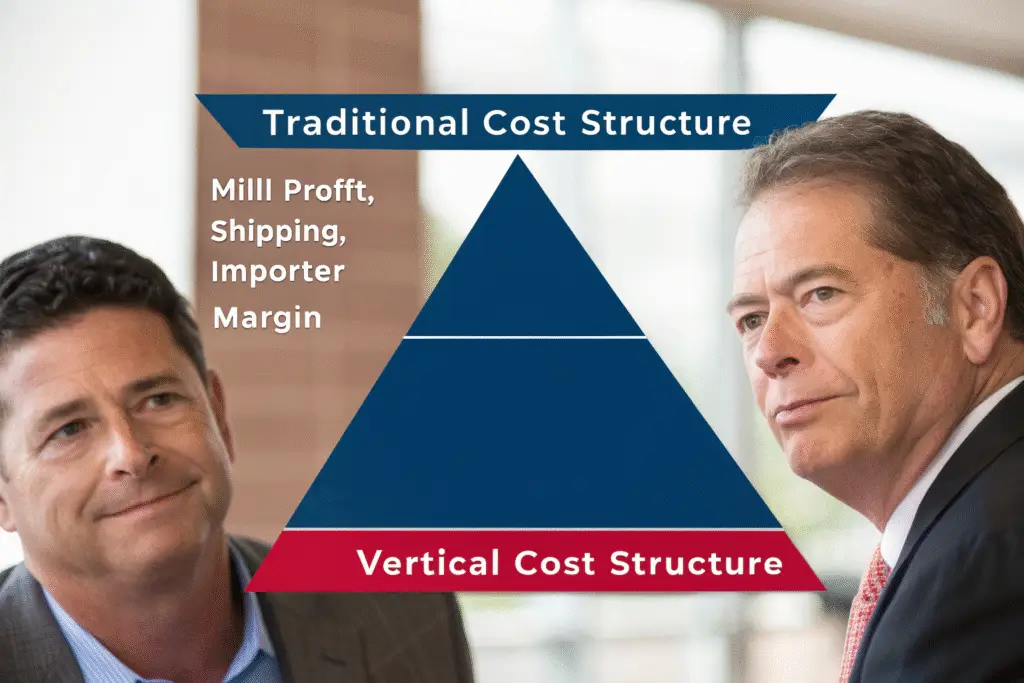
Vertical manufacturing optimizes the entire cost structure, not just individual line items.
How Are Direct Costs Reduced?
- Elimination of Supplier Markups: When you buy fabric from a mill, you pay for their overhead and profit. When a vertical factory produces its own fabric, that intermediate margin is eliminated or reduced.
- Reduced Material Waste: Coordinated planning between the fabric production and cutting rooms allows for highly efficient fabric utilization. Markers can be optimized based on the exact fabric width produced, and leftover fabric can be easily redirected for other uses (e.g., trims, smaller items).
- Lower Logistics & Transaction Costs: No multiple shipping fees, import/export duties for semi-finished goods, or costs associated with managing numerous purchase orders and invoices.
How Are Indirect Costs and Risks Mitigated?
The savings here are often greater:
- Reduced Inventory Holding Costs: With faster turnaround, you can move towards smaller, more frequent Just-in-Time (JIT) production runs, reducing the capital tied up in warehouse inventory.
- Minimized Cost of Delays: The financial impact of missing a selling season (markdowns, lost sales) is enormous. Vertical integration's timeline reliability protects your revenue.
- Lower Cost of Quality Failures: Catching defects early (at the yarn or fabric stage) is exponentially cheaper than discovering them in finished garments at your warehouse. Rework is internal and efficient.
For our clients, this often translates to a 5-15% lower total landed cost when factoring in speed, reliability, and quality savings, even if the initial FOB quote is comparable to a traditional factory.
How Does It Provide Unmatched Supply Chain Agility and Responsiveness?
In today's market, the ability to react quickly to trends, customer feedback, or supply chain disruptions is a superpower. Vertical manufacturing turns your supply chain from a slow-moving convoy into a nimble speedboat.
Control translates directly into agility. You can make changes that would be impossible or prohibitively expensive in a traditional model.
What Does "Agility" Look Like in Practice?
- Rapid Prototyping & Sampling: Need a new fabric blend sample? The R&D lab can produce it in days, not weeks. This accelerates your design process tremendously.
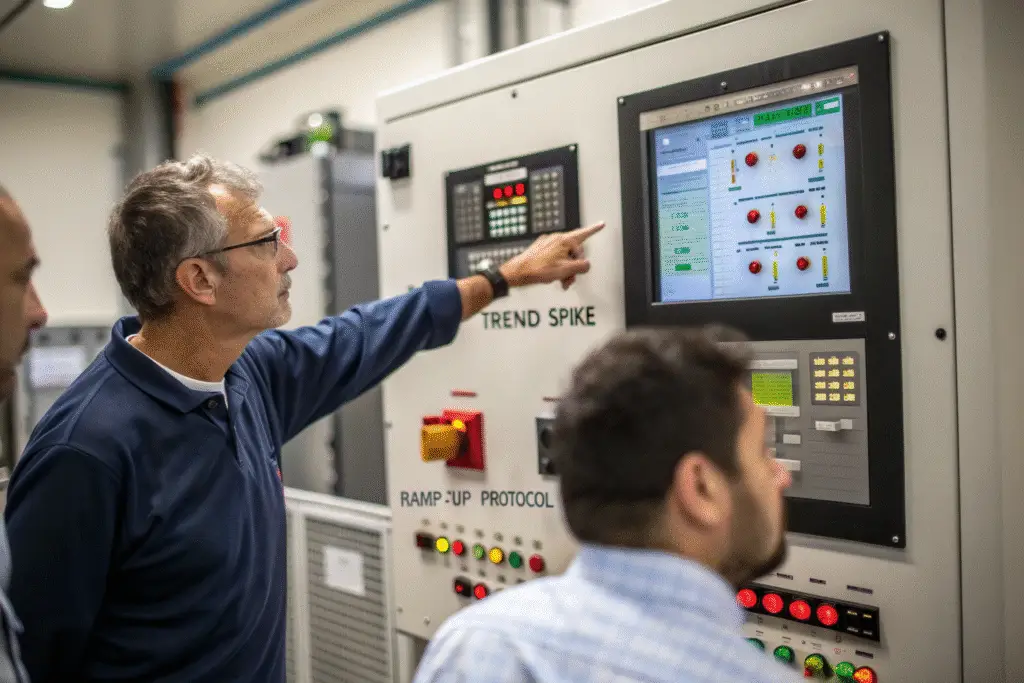
- Mid-Stream Adjustments: Imagine a style starts trending on social media after production has begun. In a traditional model, increasing quantity is nearly impossible due to fabric lead times. In our vertical setup, we can often ramp up yarn orders and dyeing schedules within the same production cycle to fulfill extra volume.
- Risk Mitigation During Disruption: When global port congestion or a regional lockdown hits, a vertical factory with in-house material production is less vulnerable. We experienced this during a past logistics snarl; because we control our fabric, we were able to maintain production while competitors reliant on imported fabrics ground to a halt.
How Does This Support Sustainable and Ethical Practices?
Vertical control also extends to responsibility:
- Traceability: It is far easier to ensure ethical sourcing of raw materials (like certified cotton) and enforce social compliance standards when the entire workforce is under one roof and one management system.
- Environmental Management: We can implement closed-loop water systems in our dye house, recycle fabric scraps efficiently, and manage chemical use to a high standard—practices that are hard to audit across multiple external suppliers.
This level of oversight is increasingly demanded by consumers and is a core part of building a reputable, modern brand.
Is The Vertical Model Right For Your Brand?
Vertical manufacturing offers profound benefits, but it's not a one-size-fits-all solution. It is particularly powerful for brands with certain characteristics. Understanding the fit will help you determine if partnering with a vertical manufacturer is your optimal strategic move.
The ideal partnership maximizes the model's strengths for your specific business needs.
Which Brands Benefit The Most?
- Brands Prioritizing Speed-to-Market: Fast-fashion labels, contemporary brands, and companies using trend forecasting.
- Brands with Complex Technical Products: Activewear, outerwear, or performance wear requiring specialized fabric development and precise construction.
- Brands Valuing Premium Consistency: High-end labels where fabric hand-feel, color accuracy, and flawless construction are paramount.
- Growing Brands Seeking Scalability: Brands that need a partner capable of handling increased complexity and volume without adding supply chain partners.
What Should You Look For in a Vertical Partner?
Not all "vertical" factories are equal. Due diligence is key:
- Scope of Integration: Do they spin yarn, weave/knnit, dye, and sew? Or just a few of these? The more stages integrated, the greater the benefit.
- Technology Investment: Modern vertical manufacturing requires significant investment in automated cutting, CAD systems, and ERP software to synchronize flows. Visit or take a virtual tour.
- Transparency & Communication: The model's efficiency hinges on internal coordination. Ensure they have a clear system for keeping you updated. At Shanghai Fumao, clients have visibility into their fabric status just as they do into sewing progress.
If your brand's strategy aligns with the need for speed, control, and consistent quality, then the vertical model is not just an option; it's a strategic imperative for modern growth.
Conclusion
The vertical clothing manufacturing model represents a fundamental shift from fragmented, reactive supply chains to integrated, proactive production ecosystems. Its benefits—dramatically compressed timelines, ironclad quality consistency, tangible cost optimization, and unparalleled supply chain agility—provide a formidable competitive edge in today's fast-paced, quality-conscious market. This is not merely a production method; it is a strategic partnership model that aligns the manufacturer's capabilities directly with the brand's commercial goals.
For brands ready to move beyond the constraints of traditional outsourcing, partnering with a true vertical manufacturer like Shanghai Fumao is an investment in predictability, quality, and growth. It transforms the production process from a source of constant anxiety into a reliable, powerful engine for your brand's success.
If you are looking to harness the power of integration for your next collection, we are built for this challenge. Our vertical capabilities are designed to give you control, speed, and peace of mind. Let's discuss how we can streamline your journey from concept to customer. Contact our Business Director Elaine to explore a truly integrated partnership: elaine@fumaoclothing.com.