In today’s fast-paced apparel market, price negotiations can either make or break your sourcing strategy. If you're a buyer looking to maintain healthy margins while ensuring product quality, you’ve probably been burned by vague quotes, last-minute price changes, or confusing payment terms. Sound familiar?
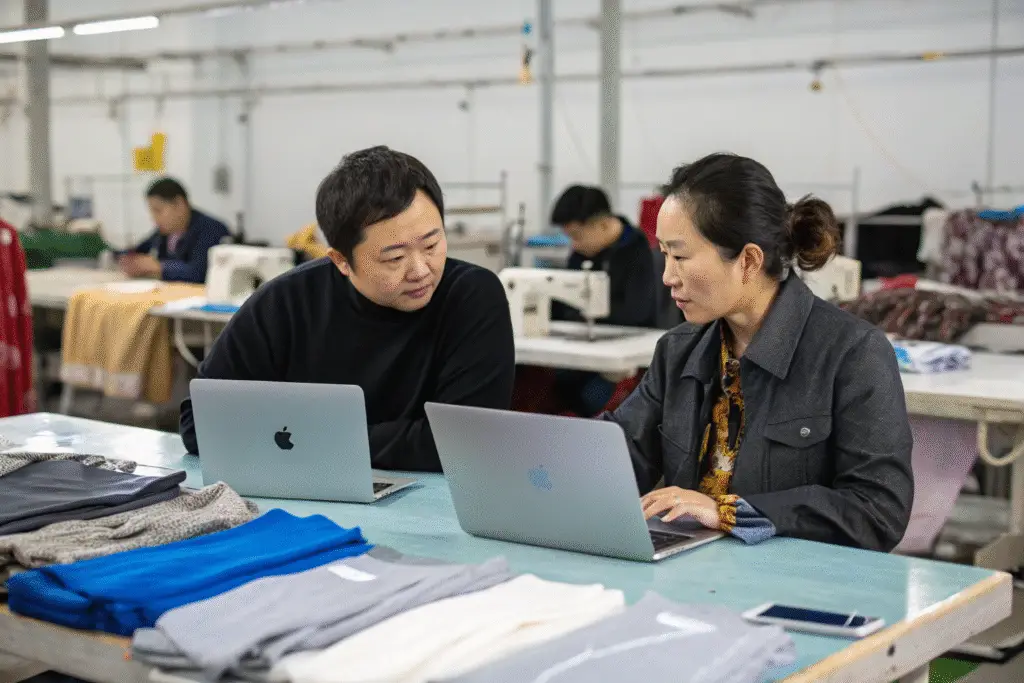
The key to successful wholesale price negotiation lies in preparation, transparency, and relationship building. With the right tactics, even smaller brands can confidently negotiate with large-scale garment factories.
Whether you're sourcing from China, Vietnam, or India, understanding how factories calculate costs and how you can influence them gives you a strong position. In this article, I’ll walk you through proven techniques to secure competitive pricing without sacrificing quality or delivery.
What Factors Determine Wholesale Garment Pricing?
Knowing what drives pricing helps you ask the right questions and negotiate smarter.
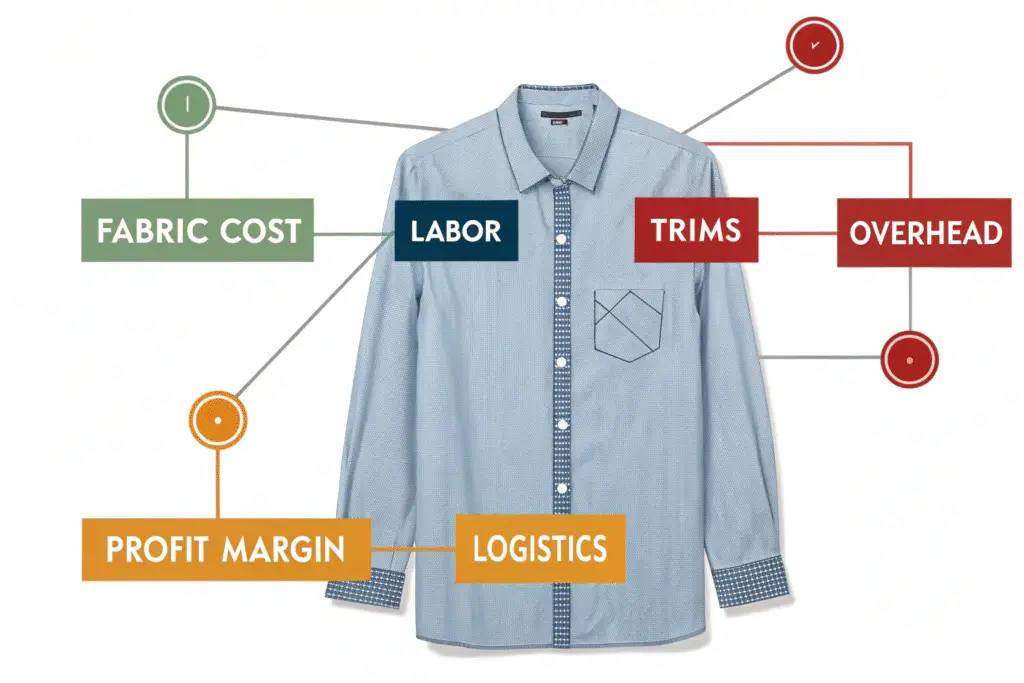
Wholesale garment prices are built from raw material costs, labor, overhead, margin, and more. Factories don't randomly quote a price. Each dollar has a logic behind it.
What’s Included in the Price Breakdown?
Typically, a garment factory’s quotation includes several core components:
| Cost Element | What It Covers |
|---|---|
| Fabric | Base material, printing, dyeing |
| Trims | Zippers, buttons, labels |
| Labor | Cutting, stitching, finishing |
| Overhead | Utilities, management, rent |
| Factory Margin | Factory’s profit expectation |
| Logistics (Optional) | Local transport, export processing if DDP |
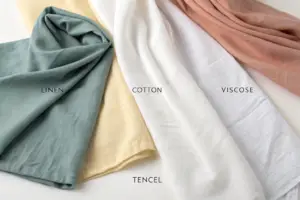
For instance, factories using premium organic cotton fabric may pass on that added cost to you. If you don’t ask what’s driving price increases, you lose leverage in negotiation.
How Can Buyers Influence Cost Drivers?
Not every cost is fixed. If you want to reduce the total price:
- Offer simpler designs that reduce production complexity.
- Order in higher quantities to reduce per-unit costs.
- Accept longer lead times for better production slot pricing.
And always check whether the price includes shipping (FOB vs DDP). Many clients overpay because they don't compare Incoterm structures.
How to Prepare Before Price Negotiations?
Great negotiation begins before the first email or call.
Preparation builds confidence. Without a clear plan and knowledge of market pricing, you’re negotiating blind.

Why Should You Benchmark Factory Prices?
You need to know your market before asking for a better deal. Use platforms like Alibaba or Fibre2Fashion to gather:
- Quotes from multiple suppliers for the same item
- Price ranges for different MOQs
- Regional cost variances between China, India, and Vietnam
Once you have data, you can ask a factory:
“Another supplier quoted $4.80 FOB for 1,000 pcs. Can you match or explain the difference?”
Yes, but with caution.
Let’s say your target price is $5. You can tell the factory you’re working within a $5.20–$5.50 budget. This allows room for discussion while showing you’re serious.
Don’t say “give me your best price” — it shows no direction. Instead, position yourself as a potential long-term partner looking for sustainable pricing.
What Are Effective Negotiation Techniques?
Once you sit down with the supplier, these strategies help close the gap between quoted and target price.
Effective negotiation is not about forcing a factory to lower prices — it’s about achieving mutual value.

How Do You Leverage Long-Term Orders?
Volume matters. Factories love predictability.
Offer them this:
“I can start with 1,000 pieces, but if it runs well, I’ll reorder every quarter with 20% volume increase. Can you give me an incentive to build this together?”
That type of proposal can help unlock better rates or even free warehousing deals.
What Should You Say When Facing a Firm Price?
If a factory won’t budge, try asking for:
- Free sample production
- Better packaging options
- Faster lead times
You could also explore modifying specs: using a lighter GSM fabric or replacing metal buttons with plastic alternatives — those reduce cost.
Explore tools like Techpacker to collaborate on design changes live with factories.
How to Avoid Hidden Costs and Pricing Traps?
Great prices mean little if they come with hidden charges later.
Ask the right questions upfront, or you might find costs added post-production.

What Terms Must You Clarify Early?
Ask the factory:
- Is this a FOB, EXW, or DDP price?
- Are trims included in this price?
- What happens if the USD exchange rate shifts?
This prevents disputes later, especially if sourcing through Trade Assurance or other platforms.
How Can You Verify Costs with a Proforma Invoice?
Before confirming any order, ask for a detailed Proforma Invoice (PI). It should break down:
- Per unit cost
- Quantity
- Delivery terms
- Payment terms
- Tax/VAT
Cross-check the PI with prior discussions. If anything is vague, clarify it now, not after production starts.
You can also ask for a packing list sample in advance to estimate volume-based logistics charges.
How to Build Relationships That Lead to Better Prices?
Beyond negotiation tricks, trust is the ultimate currency in manufacturing.
Factories give their best prices to partners, not to one-time buyers.

Why Do Loyal Clients Get Priority?
Factories allocate their best production slots, fastest shipping, and most competitive pricing to buyers they trust.
If you’re a buyer who:
- Pays on time
- Communicates clearly
- Gives fair feedback
You’ll be top-of-mind during busy seasons. This is how long-term clients lock in fixed rates even during raw material price surges.
What Are Ways to Strengthen Factory Relationships?
Besides visiting the factory in person, here’s what works:
- Send periodic updates on how their products are performing in your market
- Offer to share marketing visuals using their production scenes
- Invite them to future planning meetings
The more they feel like part of your brand’s journey, the more flexibility you’ll have on pricing and lead times.
Conclusion
Negotiating wholesale garment pricing is more than a numbers game. It’s about understanding the full picture—what goes into pricing, how factories operate, and how to build a relationship that rewards both sides. At Fumao Clothing, we welcome transparent, win-win negotiations. With our five production lines, flexible MOQs, and deep understanding of U.S. buyers' priorities, we’re ready to offer both quality and competitive pricing.
If you're ready to bring your apparel brand’s next collection to life with a reliable partner in China, contact our Business Director Elaine today at elaine@fumaoclothing.com. Let’s build something great together.