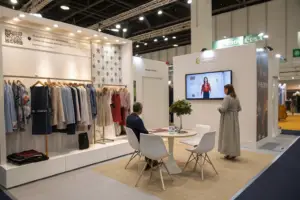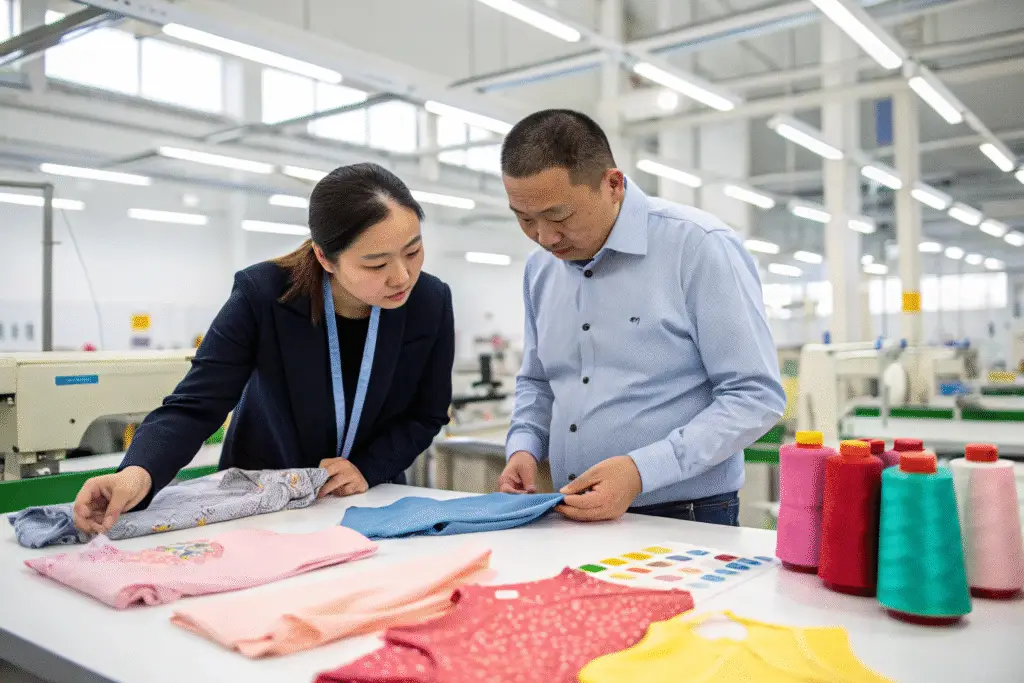
Finding the right manufacturing partner for custom baby bodysuits involves more than simply requesting a quote. Safety certifications, MOQ flexibility, and fabric selection all play key roles in determining whether a supplier can truly support your brand. Many buyers from the U.S. prioritize not only price but also reliability, especially during peak selling seasons.
The ideal babywear manufacturer offers certified materials, low MOQs, quality assurance, and on-time delivery. Customization options should include private labeling, color matching, and flexible size breakdowns—all tailored for growing baby apparel brands.
A poor sourcing decision could damage your brand reputation or delay seasonal launches. In this guide, I’ll walk you through the four most important questions to consider before choosing a factory for baby bodysuits.
What Certifications Should Baby Bodysuit Manufacturers Have?
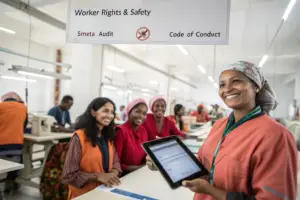
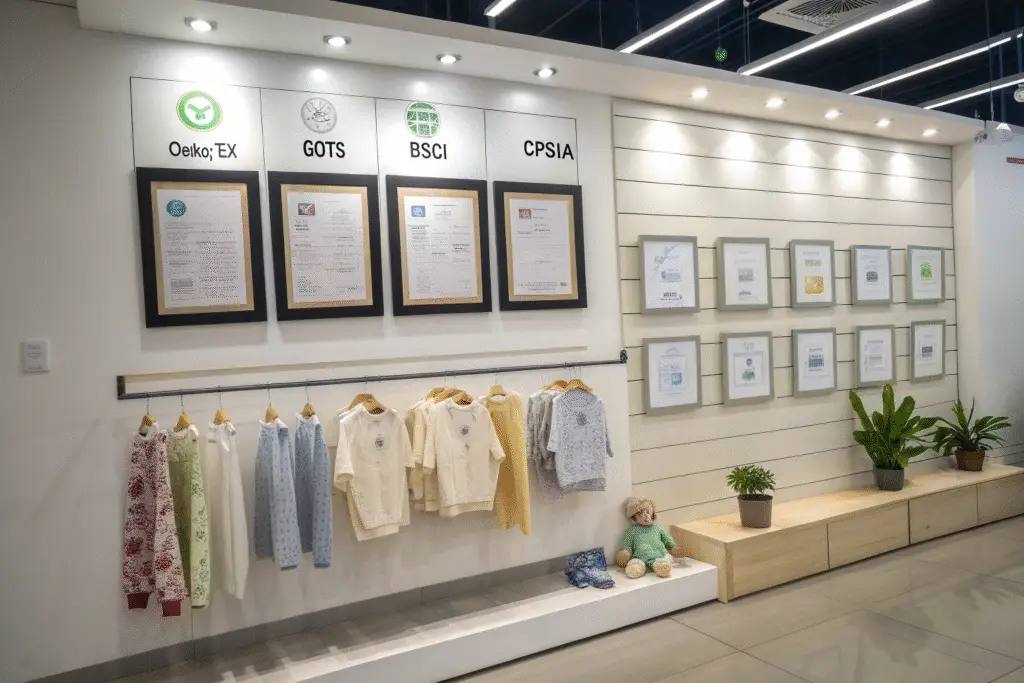
When sourcing baby bodysuits, safety should always come first. Reputable manufacturers will hold valid certifications that demonstrate product compliance with U.S. or EU standards. If you’re distributing in North America, certifications like OEKO-TEX, GOTS, CPSIA, and BSCI are critical. Factories that invest in proper testing and compliance tend to take quality and reliability more seriously overall.
Why Are Certifications Like OEKO-TEX and CPSIA So Important?
Many first-time buyers overlook the importance of certifications when sourcing baby bodysuits. For infants, fabric safety is critical. Certifications like OEKO-TEX® STANDARD 100 ensure that every material—from snaps to dyes—is tested against harmful substances. CPSIA compliance is another must-have for entry into the U.S. market. GOTS-certified organic cotton is also increasingly in demand from eco-conscious parents and retailers.
A trustworthy supplier will present test reports proactively. If you ever sense hesitation—or worse, if the certificates are expired or unverifiable—it’s a red flag. Ask for lab test reports by recognized third parties like SGS or Intertek, and verify them via the official websites.
How Can You Spot Fake or Misleading Certificates?
Some unethical factories will Photoshop fake certificates or show outdated reports. When in doubt, cross-reference the factory name on the BSCI platform or check OEKO-TEX’s online validation. Use their license number to ensure the certificate matches the product category (i.e., infant apparel).
You can also check on the GOTS database to verify organic claims. Partnering with a transparent manufacturer saves time, money, and legal risks down the line.
What MOQ and Pricing Can You Expect for Custom Orders?
MOQ and pricing often determine whether a supplier can work with a small-to-medium babywear brand. Some factories require large orders to start, while others allow test orders with limited customization. Understanding the MOQ threshold for fabric types, colors, and logo techniques is key to budgeting and planning inventory cycles.
What’s the Typical MOQ for Custom Babywear?
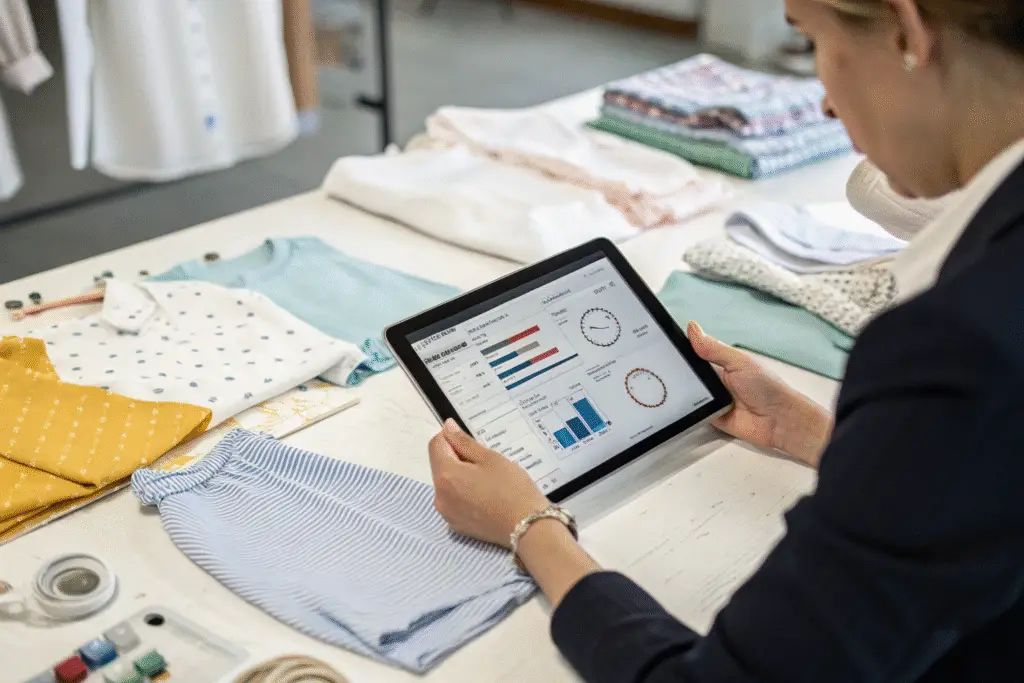
Minimum order quantity (MOQ) can vary widely by manufacturer. For example, small workshops in India may offer as low as 200 pieces per color, while mid-sized Chinese factories like ours often set MOQ at 500–1000 pieces per style, depending on the fabric and printing process. The MOQ also varies with customization—simple heat transfers allow lower MOQs, while complex embroidery or woven labels often require larger runs.
If your brand is just starting out, ask if the factory supports trial orders. This lets you test product-market fit without high upfront costs. But make sure the price per piece isn’t significantly inflated.
How Do You Balance Low Prices with High Quality?
It’s tempting to choose the lowest quote, but it often leads to quality issues or hidden costs. A $0.30 price difference might mean cheaper thread, thinner cotton, or poor snap closures. Ask for a detailed breakdown that includes stitching quality, fabric GSM, wash shrinkage tolerance, and delivery terms.
Sites like Alibaba are helpful for initial browsing, but serious buyers should request real samples and test wash/dry performance before approving mass production.
What Fabric Choices Are Best for Baby Bodysuits?
Fabric is the foundation of every baby bodysuit. Your choice affects comfort, shrinkage, print quality, and wash durability. Softness and stretch are critical for infant clothing. Eco-conscious fabrics also help you stand out in a saturated market.
Which Fabrics Combine Softness, Durability, and Safety?
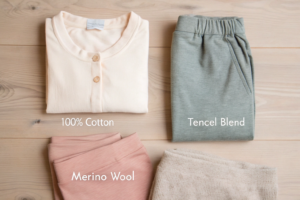
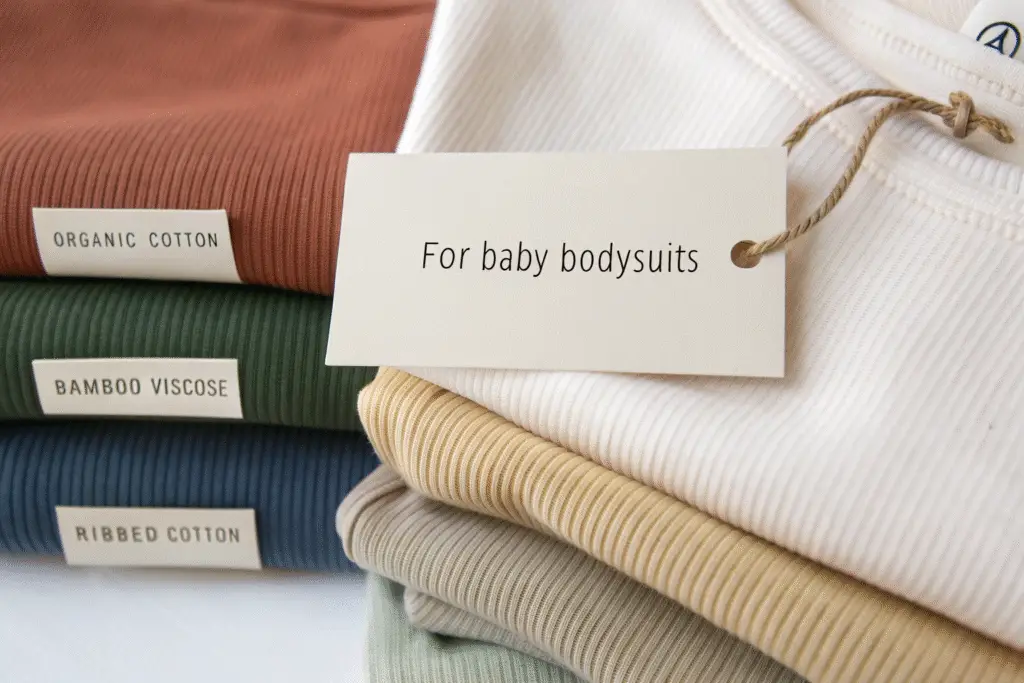
For babies, softness and breathability come first. Most trusted suppliers use interlock cotton (thick, smooth, and stretchy) or 1x1 rib knit (soft with excellent recovery). Organic cotton with a GOTS certificate is now standard in many premium babywear lines.
We often suggest bamboo viscose blends for clients who want a silky touch, natural antibacterial benefits, and eco-positioning. However, bamboo’s durability under frequent washing can vary. Always test fabric performance before confirming bulk.
Are Eco-Friendly Fabrics Worth the Extra Cost?
Yes—especially in the U.S. and European markets. Eco-aware parents are willing to pay more for bodysuits labeled “GOTS-certified” or “sustainably dyed.” That premium often translates to higher retail margins. Check if your supplier can source GRS-certified recycled packaging, too, as it boosts your brand value.
Buyers sourcing from China should also confirm if the dyeing mill complies with ZDHC standards—an important factor in sustainable textile sourcing.
How Can You Customize Baby Bodysuits for Branding?
Customization transforms a basic baby bodysuit into a branded product with value. Whether you want logo embroidery, care label printing, or retail-ready packaging, the right supplier should offer full customization services. Mockup previews and sample confirmation are also critical.
What Branding Options Are Available for Babywear?
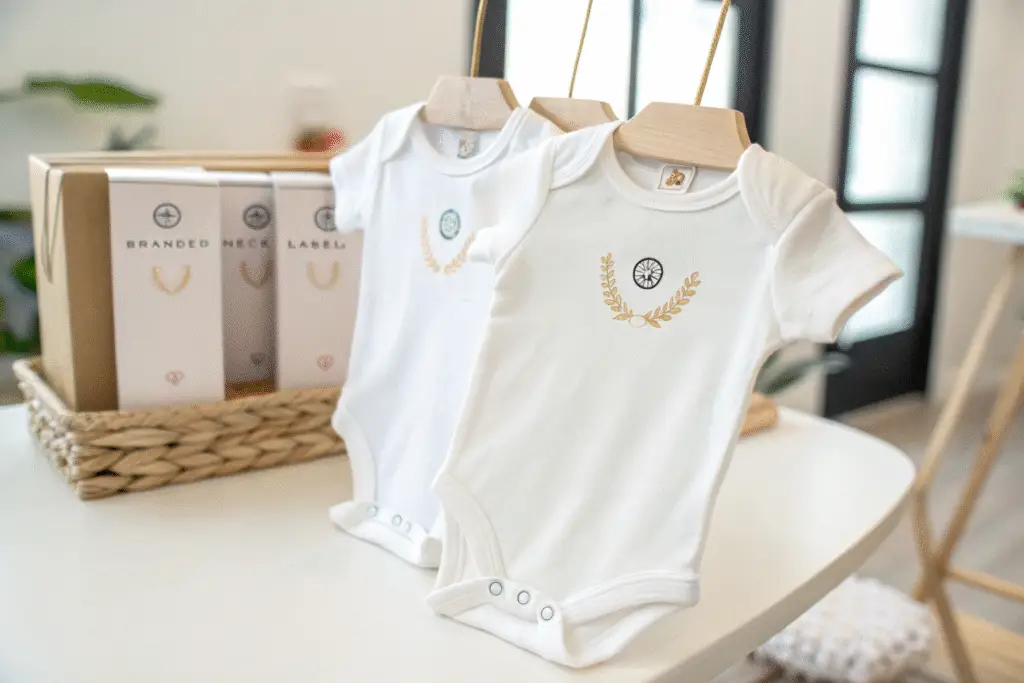
Even simple baby bodysuits can look premium with the right brand elements. You can add heat-transfer logos, woven neck labels, or printed care instructions. Embroidered chest logos or baby-themed prints help you stand out.
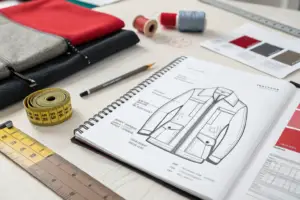
We often assist our clients by showing CAD mockups before sampling. This ensures logo placement, scale, and color come out right. You can even brand the packaging with custom kraft tags or eco polybags for DTC channels.
Can You Mix Sizes and Colors in One Order?
Yes—and we recommend it. Most baby brands sell in size runs from NB to 24M, so choose a supplier flexible enough to mix sizes and colors in one PO. We typically offer size ratio packing, such as 2:3:3:2 across four sizes. Make sure to confirm this during quoting.
Also, check if the factory supports seasonal Pantone matching for colors. Offering hues that align with current babywear color trends will make your products more appealing online and in-store.
Conclusion
Finding a manufacturer for custom baby bodysuits is not just a procurement task—it’s a strategic investment in your brand. The ideal partner combines certified materials, low MOQs, reliable sampling, and robust customization options. Whether you’re launching your first babywear collection or scaling a successful line, working with the right factory makes all the difference.
At Fumao Clothing, we support babywear brands with certified fabrics, competitive MOQs, flexible customizations, and worry-free DDP shipping to the U.S. Our 5 production lines in China are built to support boutique labels and volume buyers alike. If you're ready to start your next baby apparel line, we invite you to reach out.
You can contact our Business Director Elaine directly at elaine@fumaoclothing.com for a tailored sourcing solution.