Finding the right wholesaler can be the turning point for your boutique’s success. Get it right, and you’ll grow with speed and confidence. Get it wrong, and you’ll lose money on poor quality or slow shipping.
To find a wholesaler for your boutique, search trusted B2B platforms, attend virtual trade shows, connect with manufacturers, and request samples to test quality and service.
At Fumao, we’ve worked with boutique owners across the globe. The ones who succeed always follow a clear supplier vetting process. Here’s exactly how to do it.
How can I find a wholesaler?
If you Google “wholesale clothing supplier,” you’ll get millions of results. But how do you find one that actually fits your boutique’s vibe, price point, and quality standard?
You can find wholesalers by using B2B marketplaces, factory websites, trade shows, and supplier directories. Look for businesses that align with your niche and allow flexible order sizes.

What are the top places boutique owners look for wholesalers?
| Source Type | Examples | Why It Works |
|---|---|---|
| B2B Marketplaces1 | Faire, FashionGo, Alibaba | Access to a wide range of vendors |
| Supplier Websites2 | Fumao, Indie Apparel, Tasha Apparel | More control, private label options |
| Online Trade Shows3 | MAGIC Digital, StyleMax Virtual | Product previews, new contacts |
| Social Media | Instagram, TikTok vendors | Real-time drops, live try-ons |
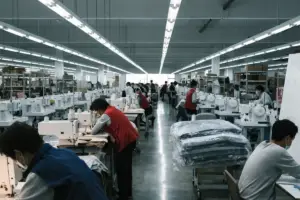
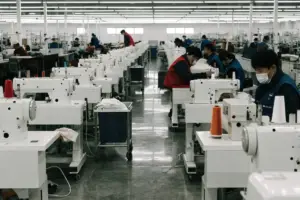
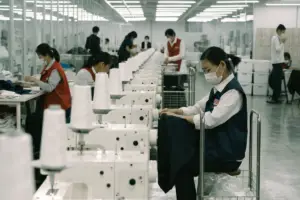
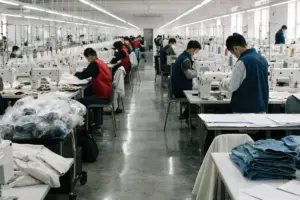
If you want a more customized approach, work directly with factories. At Fumao, we offer white label and private label production with quick turnaround for online boutique owners.
What should I prepare before reaching out to wholesalers?
- A basic understanding of your niche and customer
- Your ideal price range and quantity per style
- Whether or not you want custom branding
- Shipping location and timeline expectations
Clear communication = faster responses and better results.
How to choose a clothing wholesaler?
Finding is one thing. Choosing the right one for long-term success is another.
To choose a clothing wholesaler, assess product quality, reliability, return policies, private label options, and how well their styles match your brand.
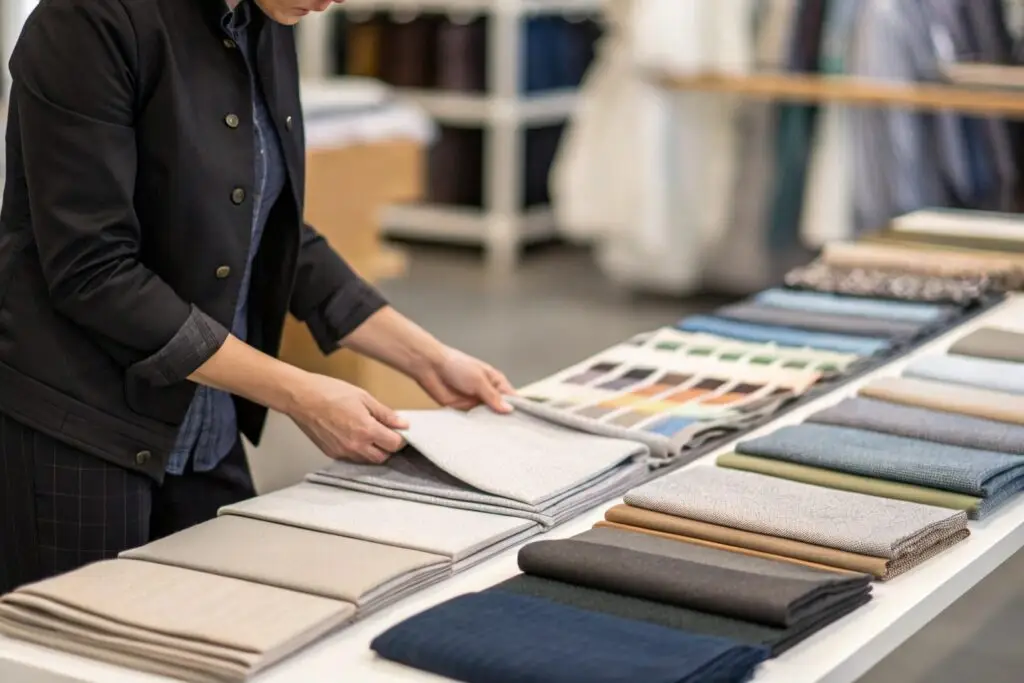
What criteria should I use when evaluating wholesalers?
| Evaluation Area | What to Look For |
|---|---|
| Product Quality4 | Samples, real photos, material details |
| MOQ5 | 50–200 pcs is ideal for boutique-sized businesses |
| Shipping Time | DDP or express options with tracking |
| Return/Refund Policy6 | Reasonable and transparent terms |
| Labeling & Packaging | Option to customize with your brand name |
| Communication Clarity | Fast replies, clear invoices, detailed quotes |
Suppliers like Fumao offer small MOQs, sampling options, and private label capabilities—ideal for boutique brands who want quality and flexibility.
What red flags should I watch out for?
- Generic catalogs that don’t match your niche
- No sample policy or vague product descriptions
- Delayed replies or unprofessional emails
- “Too good to be true” prices with no references
Trust is built on proof: request factory photos, past client work, and physical samples before committing to your first big order.
Does Amazon do wholesale?
Many boutique owners wonder if Amazon can be a supplier—or if it’s just for end customers.
Yes, Amazon does offer wholesale programs through Amazon Business and certain bulk product categories, but it’s not tailored to boutique needs or brand building.

What options exist for boutiques on Amazon?
| Amazon Channel | Description | Good For? |
|---|---|---|
| Amazon Business | Offers bulk pricing to verified businesses | Basic items, backstock fillers |
| Third-Party Wholesalers | Vendors that list bundles or packs | Accessories, generic basics |
| Amazon FBA (Fulfilled by Amazon) | Private label sellers who buy from factories | Not boutique-specific |
If you’re a brand-focused boutique, Amazon won’t give you:
- Exclusive rights
- Custom labels
- Niche-friendly styles
- Design flexibility
That’s why most serious boutique brands work directly with suppliers like Fumao or source from dedicated boutique wholesale marketplaces7.
Should I buy wholesale clothing from Amazon?
Only for filler products (accessories, leggings, etc.), not core brand pieces. Amazon is fast but generic. You risk brand dilution8 and limited customer loyalty if your product can be found elsewhere with one click.
Which country is best for wholesale clothing?
Location matters—especially for delivery time, cost, and trend fit. Each region offers its own strengths.
The best countries for wholesale clothing include China, Turkey, India, Vietnam, and the USA—depending on your needs for price, customization, and delivery.
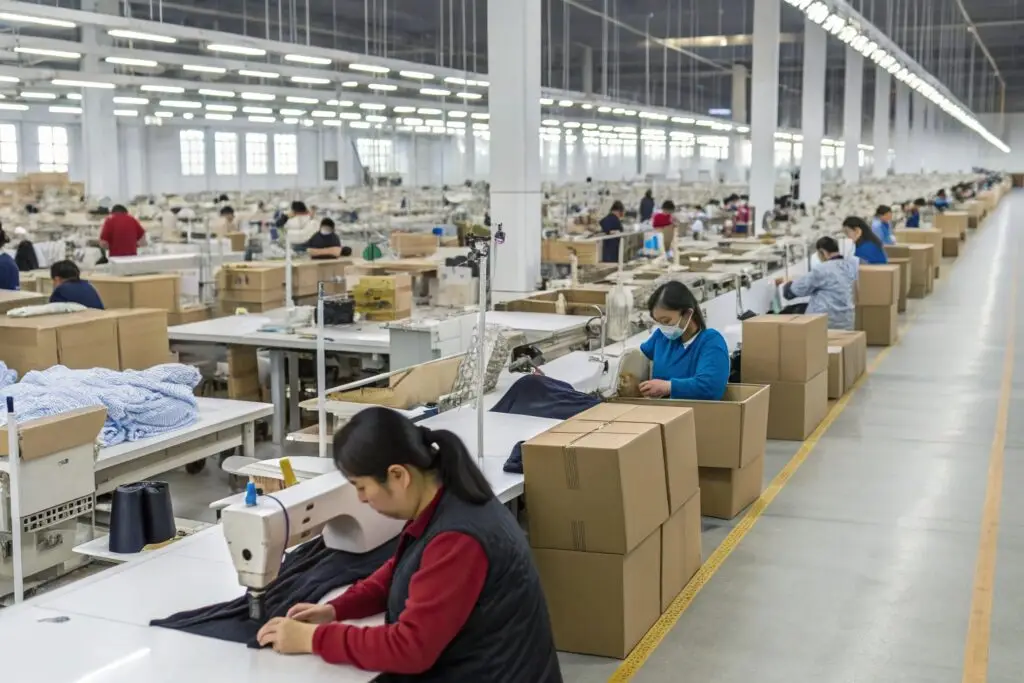
What makes each country a good fit for boutique sourcing9?
| Country | Best For | Why Boutique Owners Choose It |
|---|---|---|
| China | All categories, private label10 | Wide variety, low cost, fast sample times |
| USA | Fast delivery, trend responsiveness | Local sizing, better return options |
| Turkey | Knitwear, fashion-forward styles | Great for EU boutiques |
| India | Cotton, artisan/eco lines | Unique textures, sustainable brands11 |
| Vietnam | Basics, outerwear, large runs | Quality stitching, stable output |
We operate from China and offer DDP shipping worldwide. That means customs, duties, and delays are handled on our end—giving you peace of mind and predictable pricing.
How do I choose the right country for my boutique?
Ask:
- Do I want fast restocks or unique fabrics?
- Can I wait 25–35 days or do I need local delivery?
- Do I need full customization or ready-made lines?
- What kind of communication and production support do I need?
For fast-moving online boutiques, China remains the most flexible, especially if your factory (like Fumao) supports quick pattern adjustments and seasonal collections.
Conclusion
Finding a great wholesaler online isn’t about luck—it’s about clarity, testing, and partnership. Choose someone who matches your vision, adapts fast, and grows with your brand. That’s how online boutiques scale from a side hustle to a serious business.
-
Explore this link to discover top B2B marketplaces that can connect you with a variety of wholesalers, enhancing your sourcing options. ↩
-
This resource will guide you to trustworthy supplier websites, ensuring you find quality products and private label options for your boutique. ↩
-
Learn how online trade shows can provide valuable insights and connections for boutique owners looking to expand their product offerings. ↩
-
Evaluating product quality is essential for maintaining your brand’s reputation and customer satisfaction; learn effective assessment methods. ↩
-
Understanding the ideal MOQ helps you find suppliers that align with your business needs, ensuring flexibility and quality. ↩
-
A solid return/refund policy is crucial for protecting your investment and ensuring a trustworthy supplier relationship. ↩
-
Explore this link to discover specialized platforms that cater to boutique brands, ensuring unique styles and better brand integrity. ↩
-
Understanding brand dilution is crucial for boutique owners to maintain their unique identity and customer loyalty in a competitive market. ↩
-
Understanding boutique sourcing can help you make informed decisions for your business, ensuring you choose the best suppliers and strategies. ↩
-
Exploring private label benefits can enhance your retail strategy, allowing for unique branding and better profit margins. ↩
-
Learning about sustainable brands can inspire your boutique to adopt eco-friendly practices, appealing to conscious consumers. ↩