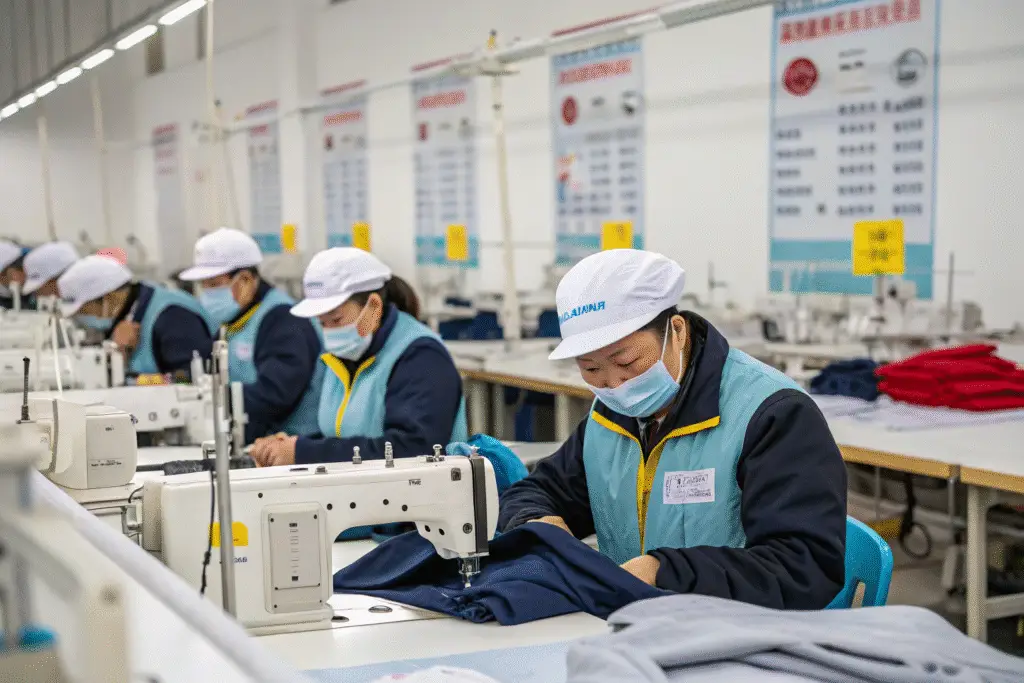
Ethical labor practices are no longer optional in the global apparel industry. U.S. consumers, retailers, and even customs officials are demanding transparency in how clothing is made — not just where. Still, many brands struggle to ensure that their overseas factories meet labor standards without being physically present.
Ensuring ethical labor practices in clothing factories means setting clear expectations, verifying through third parties, and choosing the right sourcing partners. With growing regulations and brand scrutiny, your commitment to labor rights directly impacts your reputation and business growth.
In this article, I’ll walk you through the most practical and effective strategies apparel brands are using in 2025 to safeguard labor standards — from onboarding new factories to long-term auditing solutions.
What Standards Define “Ethical” Labor in 2025?
Ethical labor practices are built on globally recognized pillars — not personal opinions.
International standards like ILO Conventions, BSCI, and WRAP define the rules, while audits and certifications enforce them.
What Are the Most Common Labor Compliance Standards?
Here are the most respected frameworks you should align your sourcing with:
| Certification | Focus Area |
|---|---|
| BSCI | European-led social auditing system |
| WRAP | U.S.-based ethical manufacturing verification |
| SA8000 | Comprehensive social accountability standard |
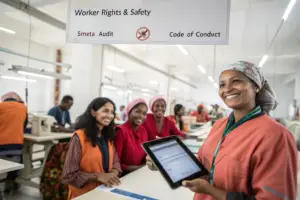
| SMETA | Sedex audit for social, environmental, business ethics |
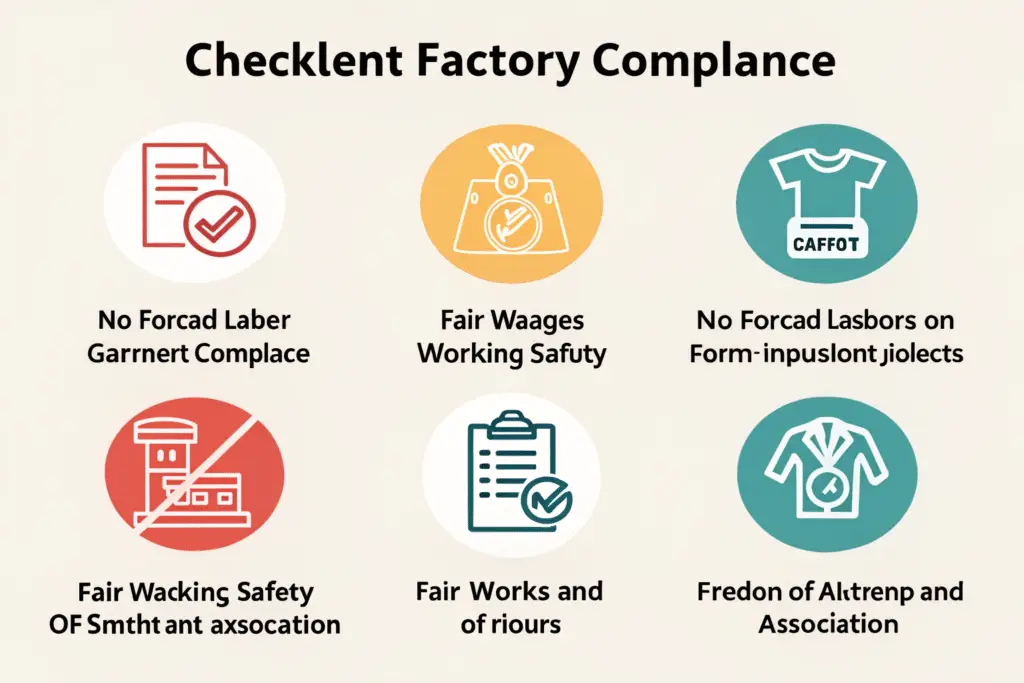
These standards cover issues like:
- No child labor or forced labor
- Legal working hours and overtime limits
- Safe working conditions
- Freedom of association
You can learn more on the ILO website or through amfori BSCI.
Why Do U.S. Brands Need These Certifications?
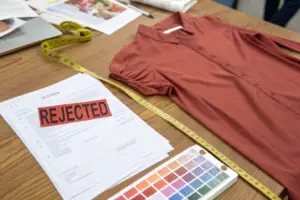
Many retailers — especially in California and New York — now require social compliance documentation before onboarding new vendors. Without valid certificates, your shipments may be rejected or flagged at customs under rules like the Uyghur Forced Labor Prevention Act (UFLPA).
How to Vet a Factory Before Production Starts?
Choosing the right factory is the first step in ethical production.
Pre-production due diligence saves time, money, and reputation down the line.
What Documents Should You Request?
Before placing your first PO, request:
- Current social compliance certifications (BSCI, WRAP, etc.)
- Audit reports (SMETA, third-party QC inspections)
- Copies of internal labor policies
- Proof of wage payment records
- Factory layout and evacuation plans
Then verify the documents by searching official registries such as wrapcompliance.org or Sedex Members.
Can You Conduct a Remote Factory Assessment?
Yes. Platforms like QIMA and Intertek offer virtual inspections where auditors do:
- Live video walk-throughs
- Staff interviews
- Documentation reviews
If the factory resists remote audits, it may be a red flag for hidden violations.
What Monitoring Systems Work During Production?
Audits aren’t just for onboarding — they should be routine.
Ongoing monitoring is key to sustaining ethical standards throughout production.
What In-Process Monitoring Should You Require?
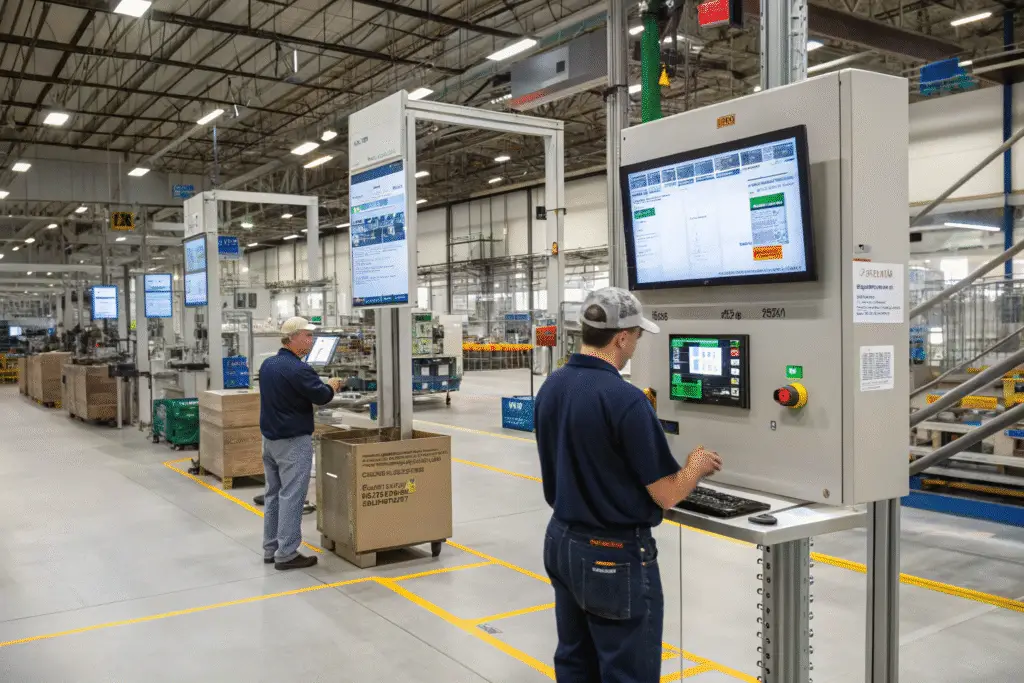
You can ask your factory or third-party partner to implement:
- Random worker interviews
- Monthly payroll record audits
- Health & safety checks
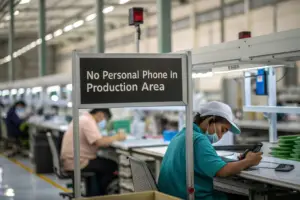
- CCTV footage of key areas (cutting, packing)
More advanced facilities now offer access to live monitoring portals — ask your supplier if they use software like Inspectorio or ETI Base Code.
How Should You Handle Violations?
If issues are found, don’t immediately cancel the order. Instead:
- Request a Corrective Action Plan (CAP)
- Set a timeline for changes
- Schedule a re-audit
Factories willing to fix issues show higher accountability than those who deny problems. Always document the process to protect your brand.
How Can You Build Long-Term Ethical Partnerships?
Ethics isn't just about paperwork — it’s about commitment and consistency.
Training, transparency, and shared goals create ethical factories that last.
What Ongoing Support Should You Provide?
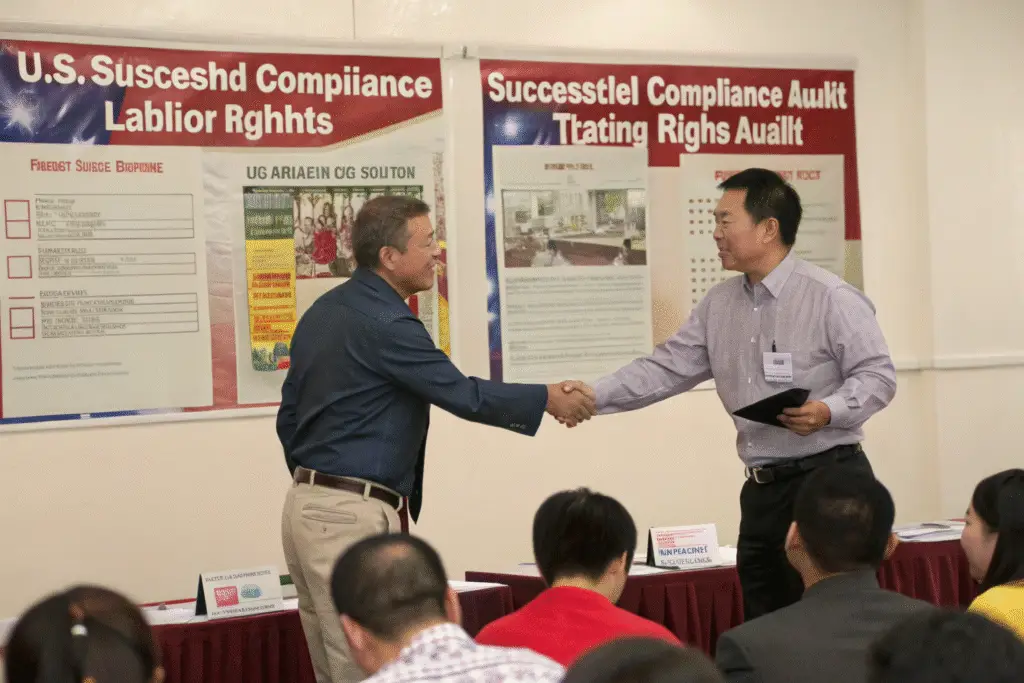
- Share your code of conduct clearly in local language
- Provide supplier training on labor laws and buyer expectations
- Cover partial costs for third-party audits (for smaller factories)
- Incentivize factories that maintain high ethical scores with larger orders
For reference, check how Patagonia builds long-term supply chain accountability.
Why Are Chinese Factories Often Better Equipped?
Compared to many developing nations, Tier 1 factories in China already operate under:
- Established labor law enforcement
- Better digital infrastructure for audits
- Multi-year audit histories
- Awareness of U.S. regulations
At Fumao Clothing, we proactively update buyers with audit results, social training records, and even offer bilingual compliance support to help U.S. clients pass their retailer vetting process.
Conclusion
Ethical labor practices are no longer a checkbox — they are a core pillar of apparel sourcing strategy in 2025. By understanding international standards, vetting suppliers thoroughly, monitoring during production, and investing in education, you can ensure your garments are made with dignity and transparency.
At Shanghai Fumao Clothing, we don’t just comply — we lead. Our partner factories are WRAP and BSCI certified, our team provides full compliance documentation, and we work hand-in-hand with U.S. clients to build brands that do good while looking great.
Contact our Business Director Elaine today at elaine@fumaoclothing.com to start producing ethically — without the guesswork.