Fast fashion taught us to value clothing by its price tag. But in rental fashion, that mindset is costing us far more than we think.
The true lifecycle value of rental garments is defined by wear frequency, maintenance cost, customer retention, and environmental footprint—not just purchase price.
As someone who has worked with rental platforms across North America and Europe, I’ve seen how a deeper understanding of lifecycle value changes everything—from sourcing decisions to brand strategy. Let’s break it all down.
What is the life cycle of fast fashion clothing?
Most fast fashion garments are designed to be disposable, not durable. Their lifecycle ends before it even begins.
The typical fast fashion item is worn fewer than 7 times and often discarded within 35 days of purchase, creating massive waste and inefficiency in both ownership and rental models.
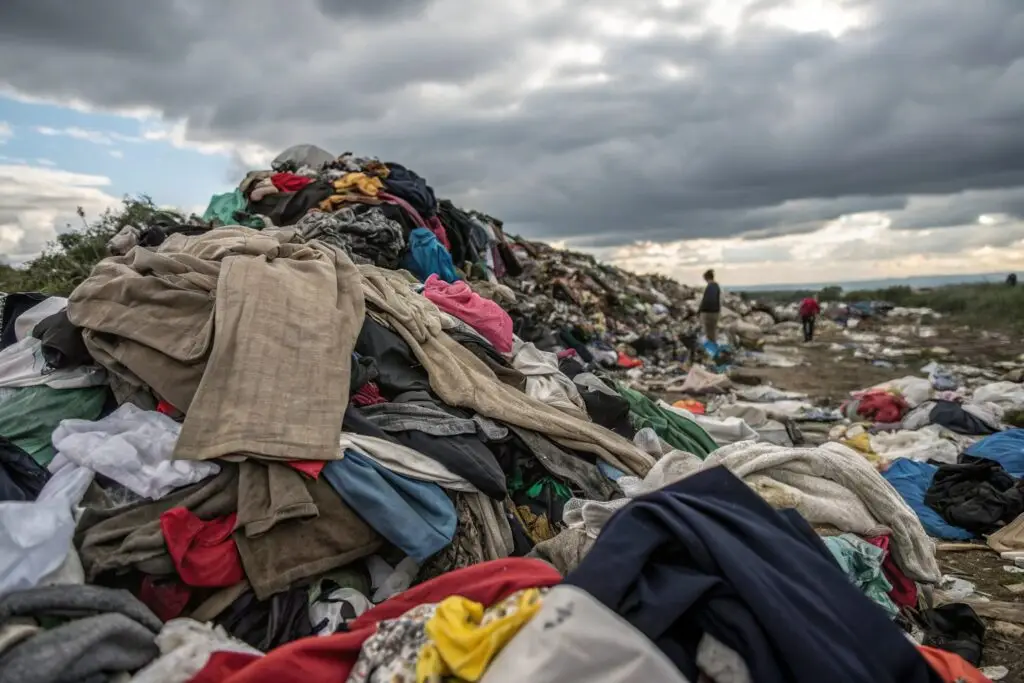
Why does fast fashion1 fail to deliver long-term value in rental?
Fast fashion thrives on quick turnover. That model works (barely) in retail but breaks down in rental. Rental clothing needs to survive multiple customers, laundry cycles, and transport handling. Most fast fashion isn’t built for that. Fabric pills, seams rip, zippers fail.
Many rental startups we’ve worked with initially tried sourcing from low-cost retail suppliers. The result? Returns spiked. Items were retired after 3–5 uses. That means higher inventory costs, higher labor for replacements, and negative reviews.
A simple dress from a fast fashion label might cost $8 wholesale, but if it fails after 3 rentals, you’re looking at a cost-per-wear2 of $2.67. Compare that to a $20 item that lasts 25 rentals—just $0.80 per wear. The math tells the truth.
How can I measure the real lifecycle value3 of garments in my rental business?
Here’s a formula we help our clients use:
Lifecycle Value = (Number of Rentals x Rental Price) – (Purchase Cost + Maintenance + Replacement Rate)
Let’s break it down with a table:
| Garment Type | Rentals Achieved | Rental Fee per Use | Purchase Cost | Maintenance | Lifecycle Value |
|---|---|---|---|---|---|
| Fast Fashion Top | 5 | $3 | $8 | $2 | $5 |
| Durable Tunic | 25 | $3.50 | $18 | $4 | $65.50 |
The longer a garment lasts, the more profit it brings. It also reduces operational headaches—no need to chase replacements mid-season.
Can rental platforms contribute to more sustainable fashion consumption?
Renting seems eco-friendly—but it only helps when the product lifecycle is long, traceable, and circular.
Rental platforms reduce fashion’s environmental footprint only when garments are reused enough times to offset manufacturing and logistic impacts. That means reusability is key.
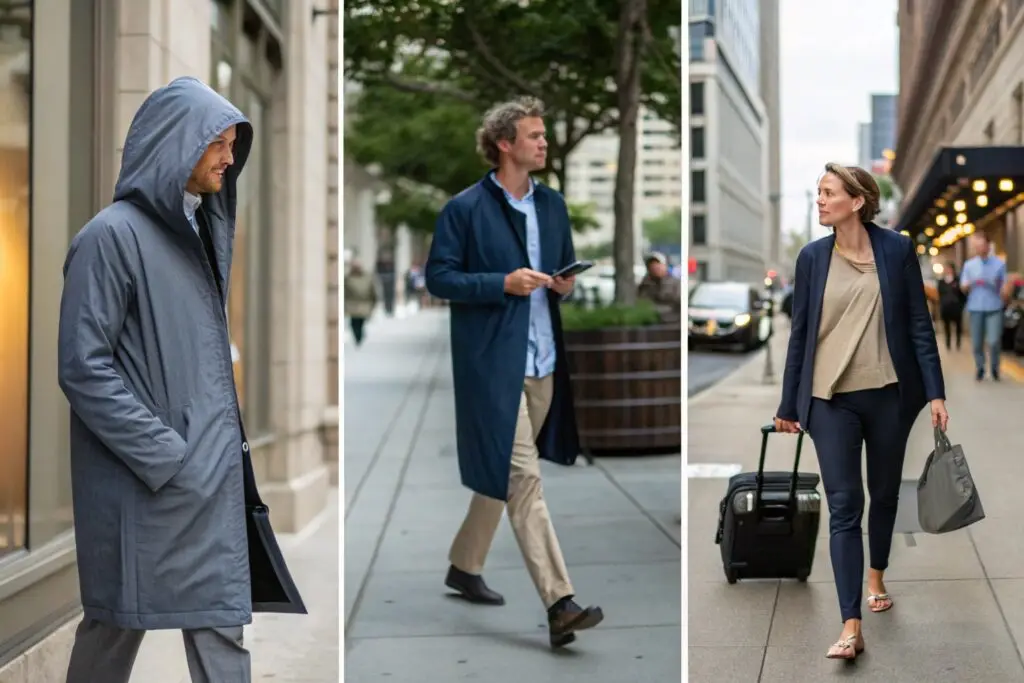
What sustainability factors must rental platforms consider to be truly green?
Many forget that cleaning, delivery, and returns create emissions too. Renting a polyester jacket five times and discarding it is no better than buying it outright. True sustainability in rental means sourcing long-lasting garments4, optimizing logistics, and tracking end-of-life recycling.
I once toured a warehouse where returned clothes were tossed due to minor tears. We helped that client introduce repair-friendly designs5 and get to 40% longer usage per item. That shift alone reduced their carbon intensity by 22% annually.
How do we calculate environmental ROI on rental items?
You can use a metric called Wear-Based Emissions Reduction (WBER)6:
WBER = (CO₂ Emissions from new item × Wear count avoided) – (CO₂ from maintenance & logistics)
We help clients assess this by garment type and category. For example:
| Item Type | Avoided CO₂ (kg) | Cleaning & Logistics (kg) | Net CO₂ Savings (kg) |
|---|---|---|---|
| Rental Blazer | 12 | 3 | 9 |
| Fast Dress | 6 | 4 | 2 |
| Reusable Tee | 3 | 1 | 2 |
Items with better durability ratings and easier maintenance routines consistently perform better.
How to solve fast fashion?
We don’t fix fast fashion with slogans—we fix it by changing the sourcing, pricing, and usage model that drives its waste.
To replace fast fashion, rental platforms need to prioritize modular designs, long-lasting fabrics, ethical factories, and slow-cycle sourcing models.
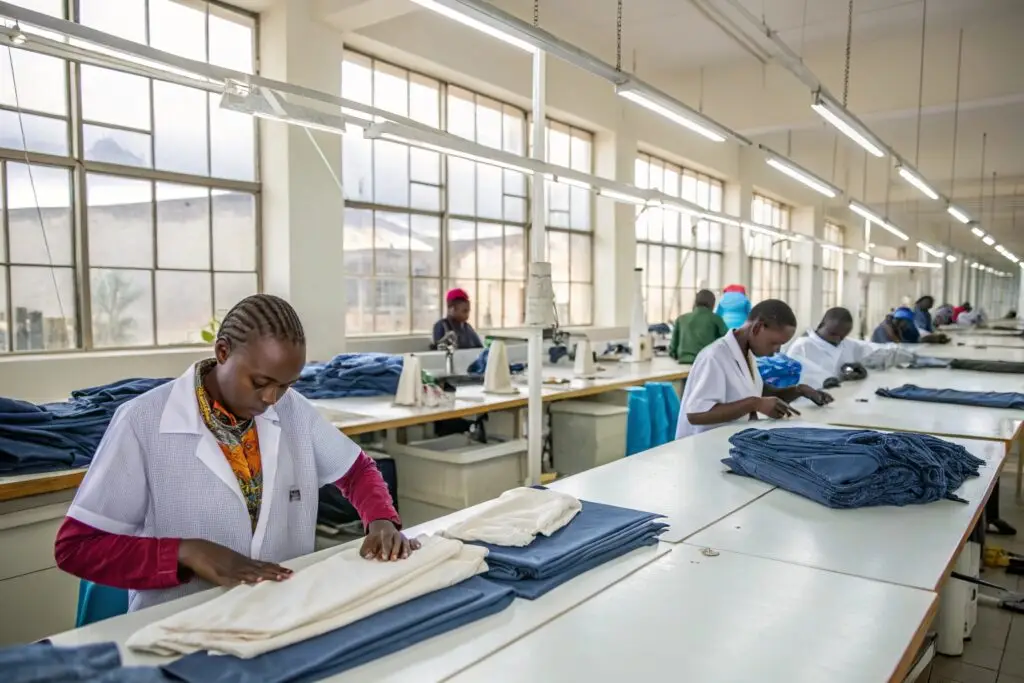
What sourcing practices can help break the fast fashion cycle?
Fast fashion is built on speed, shortcuts, and trend-chasing. Rental fashion must be built on planning. Our most successful clients select timeless styles and modular pieces. For example, a neutral-tone dress with changeable belts or collars can serve multiple client types and rental needs.
At Fumao Clothing, we offer style customization and material upgrades based on predicted wear cycles. One client replaced synthetic linings with moisture-wicking bamboo viscose. That one change extended rental lifespan by 40% and improved customer satisfaction.
Here's a practical framework:
| Sourcing Strategy | Effect on Lifecycle | Notes |
|---|---|---|
| Timeless Color Palettes7 | Longer relevance | Reduces style obsolescence |
| High-Wear Stress Testing8 | Better performance | Use third-party labs for 30-wash tests |
| Modular Component Design | More versatility | Swap collars, sleeves, accessories |
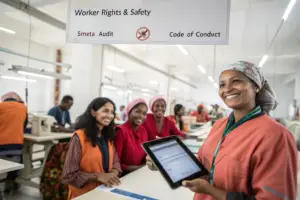
| Ethical Factory Audits9 | Higher quality | Fewer defects, less QC overhead |
How can rental brands educate customers to reduce fashion churn?
It’s not just sourcing—it’s storytelling. Rental brands that communicate “why we choose durability” convert better and retain longer. Simple labels with “This item has saved X kg of CO₂” build pride in participation.
One of our clients includes a QR code inside each garment. It links to care instructions, usage history, and an “impact meter.” Their reorder rate jumped 19% after launching that initiative. Customers want to be part of the solution—they just need a nudge.
How many times are clothes worn before being discarded?
Globally, clothing utilization is declining. In some developed countries, it’s almost criminal how underused most garments are.
The average garment today is worn just 7–10 times before being discarded, with some studies showing as low as 3 uses in fast fashion purchases.
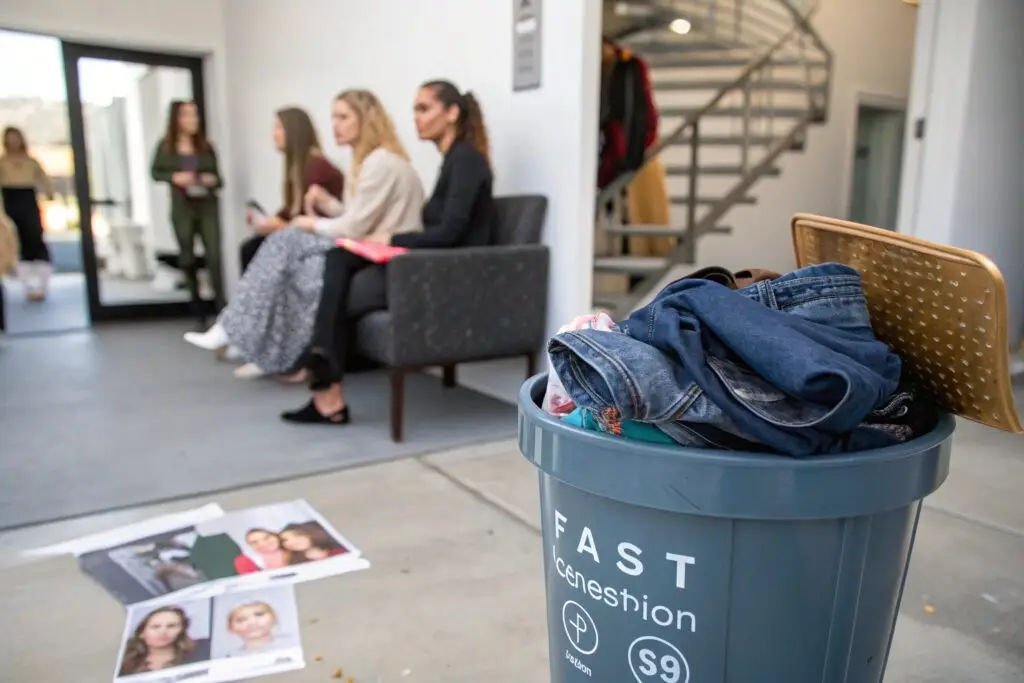
Why is low clothing usage a problem for rental models?
In retail, low usage is the consumer’s burden. In rental, it’s ours. If customers don’t treat garments well, or if garments degrade quickly, it breaks the business model.
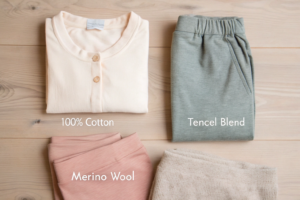
We’ve seen brands struggle when they don’t screen fabrics or fail to provide care guidance. Cotton shrinks. Silk stains. Synthetics melt under heat. Rental success depends on garments surviving at least 15–20 wears.
One of our American clients used to discard 30% of their kidswear inventory within the first month. We helped them switch to wrinkle-free blends with triple-stitched hems and zippered cuffs. Their per-item wear rate jumped to 28 cycles on average.
How can brands extend clothing lifecycle10 in practice?
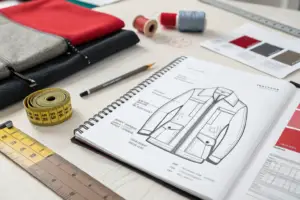
Start with garment design11. Opt for reinforced seams12, easy-to-clean fabrics, and non-fragile accessories. Then build systems for repair, refresh, and reuse.
We offer clients a fabric reinforcement service, where we upgrade high-risk areas like underarms and necklines before bulk production. This adds weeks of usage in real-world scenarios. Combined with repair kits and return incentives, lifecycle can double.
Here’s a lifecycle extension strategy you can adopt:
| Method | Estimated Lifecycle Gain | Notes |
|---|---|---|
| Reinforced Stitching | +5–10 wears | Especially important for kidswear |
| Breathable Lining | +3–7 wears | Prevents odor buildup |
| Spot-Treatment Guides | +3–5 wears | Reduces stain-based retirement |
| Modular Repairs | +10+ wears | Zippers, buttons, hemlines |
Conclusion
In rental fashion, lifecycle value is your real bottom line. The more your garments last, the less you spend, and the more sustainable your brand becomes. Count every wear—it counts.
-
Understanding the pitfalls of fast fashion in rental can help you make informed decisions for your business. ↩
-
Exploring cost-per-wear can reveal insights into pricing strategies and garment selection for rentals. ↩
-
Learning to measure lifecycle value can optimize your rental strategy and improve profitability. ↩
-
Exploring the significance of long-lasting garments can enhance your understanding of sustainable fashion and its impact on the environment. ↩
-
Learning about repair-friendly designs can inspire innovative solutions for reducing waste and promoting sustainability in fashion. ↩
-
Understanding WBER is crucial for evaluating the environmental impact of rental items, making it a key concept for sustainable practices. ↩
-
Exploring this resource will reveal how timeless color palettes can enhance sustainability and reduce waste in fashion. ↩
-
Understanding high-wear stress testing can help you appreciate the importance of quality in rental fashion and its impact on sustainability. ↩
-
Discover how ethical factory audits contribute to higher quality and sustainability in fashion, making a positive impact on the industry. ↩
-
Exploring this resource will provide insights into innovative methods for prolonging the lifespan of garments, crucial for sustainable fashion. ↩
-
Understanding the role of garment design in durability can help brands create longer-lasting products, reducing waste and improving rental models. ↩
-
This link will explain how reinforced seams enhance garment longevity, a key factor for rental success and sustainability in fashion. ↩