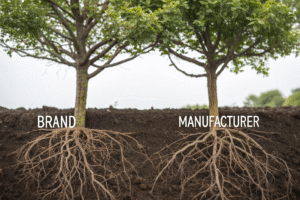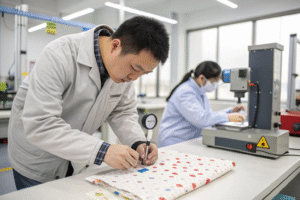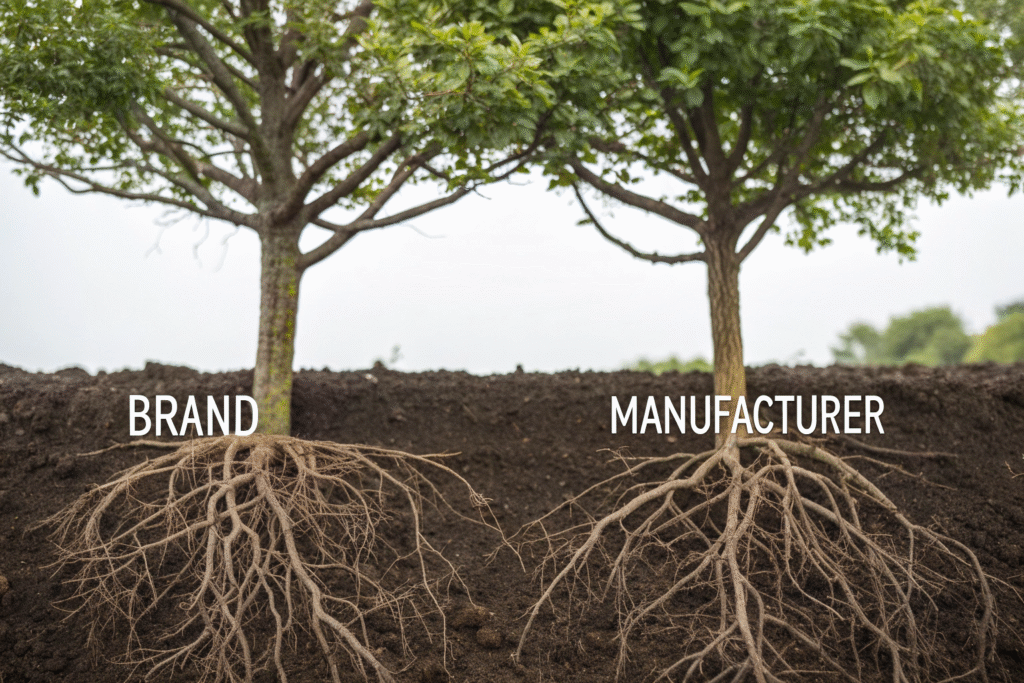
You've survived the first order with a new factory. The goods shipped, maybe with a few hiccups. Now what? Many brands treat this as the end of a transaction, moving on to the next supplier hunt for the next season. This is a costly, short-sighted mistake. The real value in apparel manufacturing isn't captured in a single order; it's unlocked over years through a strategic long-term partnership. Such a partnership transforms your manufacturer from a cost center into a competitive asset, driving innovation, efficiency, and resilience in your supply chain.
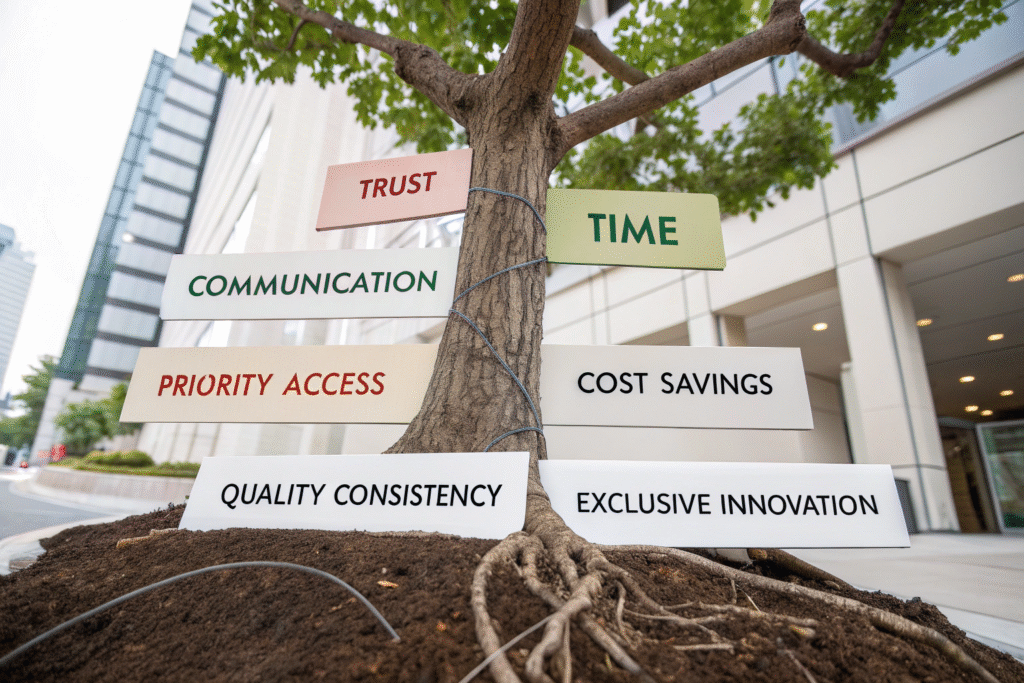
Building a long-term partnership with your garment manufacturer requires a deliberate shift from a transactional, price-focused relationship to a collaborative, value-focused alliance. It is founded on mutual trust, transparent communication, shared growth goals, and a commitment to treating each other as extensions of one another's business. This evolution yields compounding benefits: cost predictability, priority treatment, proactive problem-solving, and co-developed innovation that a new vendor can never offer.
At Shanghai Fumao, our longest-standing partner is a US-based activewear brand we've worked with for 7 years. Our relationship began with a 500-piece order of leggings. It has grown to encompass their entire collection. The transformation didn't happen overnight. It was built through shared challenges: we jointly navigated a fabric scarcity during the pandemic, co-developed a proprietary recycled fabric blend, and now hold quarterly strategic planning meetings. Last season, they faced a sudden surge in demand. Because of our partnership, we reshuffled our production lines to prioritize their emergency order, delivering in 4 weeks what would normally take 10. They didn't pay a rush fee; it was an investment in our shared future. Let's map the blueprint for this kind of relationship.
Why Shift From a Vendor to a Partner Mindset?
The first step is a mental shift. A vendor supplies a service for a fee. A partner shares in the success and challenges of the business. This mindset dictates every interaction, from negotiation to problem-solving.
The vendor mindset focuses on extracting maximum value from each transaction. The partner mindset focuses on building value over the long term.
What Are The Limiting Beliefs of a Transactional Vendor Relationship?
- Information Asymmetry: Both sides hide information—the brand hides true sales data; the factory hides true costs—to gain advantage in the next negotiation.
- Zero-Sum Negotiation: Every discussion is a battle where one side's gain is the other's loss. Pressuring for a 5% price cut is a win, even if it forces the factory to compromise on material quality.
- Short-Term Focus: Decisions are made for the immediate order, with no consideration for future efficiency or innovation.
- Blame Culture: When problems arise, energy is spent on assigning fault rather than solving the issue.
What Defines a True Manufacturing Partner?
A partner exhibits these traits:
- Transparency: Openly shares cost structures, capacity constraints, and challenges.
- Proactivity: Flags potential issues in your design or timeline before they become problems. Suggests improvements without being asked.
- Shared Risk & Reward: Invests in developing exclusive processes or materials for you, with the understanding that mutual success will yield mutual benefit.
- Relational Equity: Values the relationship itself as an asset. Will go the extra mile during a crisis because of the history and future you share.
Adopting this mindset is not altruism; it's a superior business strategy. It reduces friction, lowers long-term costs, and creates a more agile and responsive supply chain.
What Foundational Behaviors Build Trust From The First Order?
Trust is the currency of partnership. It is earned, not assumed, through consistent, reliable actions from the very first interaction. Setting the right tone and expectations at the beginning creates a template for the relationship.
Your first order is the audition for a decade-long partnership.

How Can You, The Brand, Demonstrate You Are A Good Partner?
- Be Prepared & Professional:
- Provide a complete, clear tech pack. This shows respect for the factory's time and process.
- Know your budget and communicate it honestly. Don't waste their time if there's a fundamental mismatch.
- Communicate Clearly & Decisively:
- Give consolidated, actionable feedback on samples. "Make the sleeve shorter" is vague. "Per spec, reduce sleeve length by 1 inch from shoulder seam" is professional.
- Adhere to agreed approval timelines. Your delay is their delay.
- Be Transparent About Your Business:
- Share your brand's vision, target market, and growth aspirations. This helps the factory understand how to support you best.
- Be honest about order volumes. Don't promise 10,000 pieces to get attention if you plan to order 1,000.
- Pay On Time: This is the most basic yet powerful trust signal. Consistent, timely payments build immense goodwill and creditability.
What Should You Look For From The Factory?
- Realistic Promises: A factory that pushes back on an impossible timeline is being honest, not difficult.
- Proactive Communication: Do they ask insightful questions about your tech pack? Do they flag potential cost or construction issues early?
- Transparency in Challenges: If there's a delay, do they inform you immediately with a reason and a new plan, or do they hide it until the last minute?
From our side at Shanghai Fumao, we view the first order as a mutual investment. We assign a dedicated project manager, provide more hand-holding than might be profitable on that single order, and aim to over-deliver on communication. We're investing in proving we are the partner you can rely on for the long haul.
How Does Strategic Communication Cement The Partnership?
Beyond the basics, long-term partnership requires moving from reactive, order-specific chats to strategic, forward-looking dialogue. This means scheduling communication that isn't about a current crisis, but about shaping the future.
Regular, structured strategic dialogue is the glue that binds the partnership.

What Should Be on The Agenda of a "Partnership Review" Meeting?
Move beyond weekly production updates. Schedule quarterly or bi-annual strategic meetings. Agenda items should include:
- Post-Mortem & Lessons Learned: Review the past season's orders. What went well? What could be improved? Discuss delays or quality issues openly without blame, focusing on process fixes.
- Forward Planning & Forecasting: Share your sales forecasts and product roadmap for the next 6-12 months. This allows the factory to plan capacity, pre-book fabric, and be ready for you.
- Cost & Value Engineering Review: Collaboratively analyze the cost structure of best-selling items. Can fabric be bought earlier for a better price? Can a design tweak save 3 minutes of labor? This is where true cost savings are found, not through annual price haggling.
- Innovation & Development Pipeline: Discuss new fabric technologies, sustainability goals, or construction techniques you want to explore. A true partner will co-invest in this R&D.
The Role of Technology in Partnership Communication
Utilize shared digital tools:
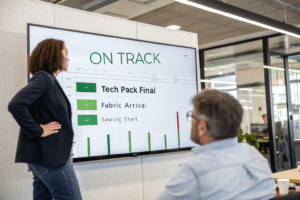
- Shared Dashboards: Real-time visibility into production status, fabric inventory, and sample progress.
- Cloud-based PLM: A single source of truth for all tech packs, revisions, and approvals.
- Dedicated Communication Channels: Using platforms like Slack or Microsoft Teams for quick questions, separate from email, can speed up decision-making.
This structured approach transforms the relationship from a series of transactions into a continuous, evolving business collaboration.
What Are The Tangible, Compounding Benefits of a Long-Term Partnership?
The investment in building a partnership pays dividends that increase every season. These are not soft benefits; they are hard, measurable advantages that directly impact your bottom line and operational stability.
Think of it as the compound interest of supply chain management.
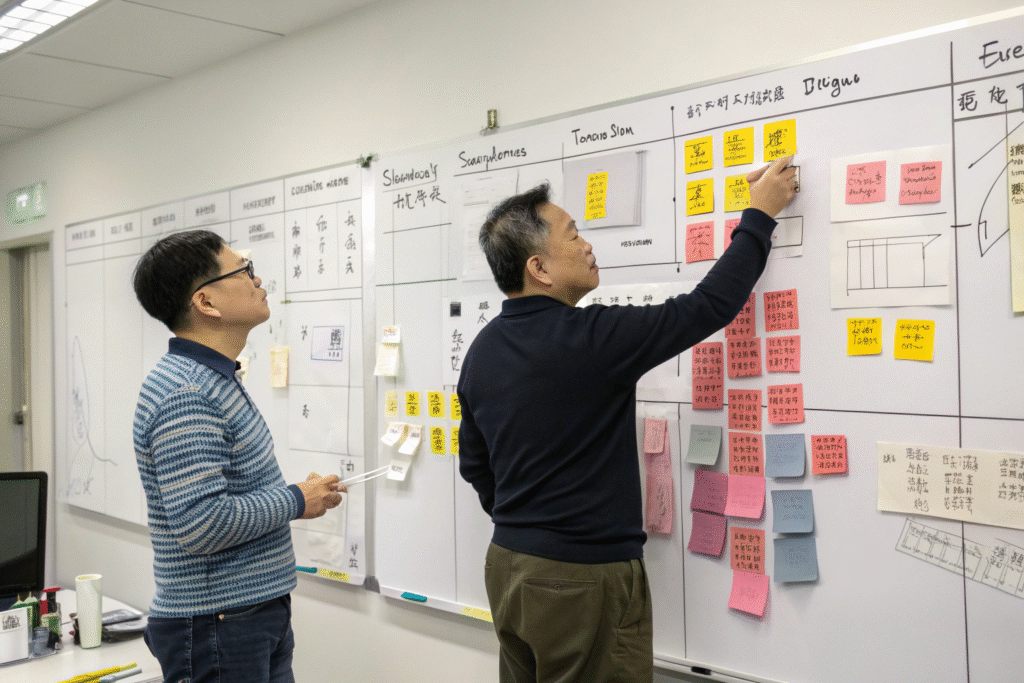
1. Priority Access & Agility
You become a "key account." This means:
- Preferential Scheduling: Your orders get slotted into prime production times, not fitted around larger, newer clients.
- Crisis Response: When you have an emergency (a bestseller needs restocking, a sample is needed for a press shoot), the factory will move mountains to help you because you are a valued partner, not just another customer.
- Access to Innovation: You get first look at new factory capabilities or fabric developments.
2. Continuous Cost Optimization (Not Just Cost Cutting)
Instead of annual price negotiations that strain the relationship, you engage in value engineering.
- Example: After three seasons of producing the same blazer, our pattern makers at Shanghai Fumao suggested a slight adjustment to the underarm curve that saved 0.1 yards of fabric with no change to fit or look. Over 10,000 units, that saved the client $3,500. We shared the savings. This is collaborative cost reduction.
3. Predictable Quality and Fewer Errors
The factory deeply understands your standards. The learning curve is over.
- Operators become familiar with your preferred stitch types and finishes.
- QC inspectors know exactly what you consider a major vs. minor defect.
- This leads to a higher First Pass Yield and fewer inspection failures.
4. Co-Development of Exclusive Assets
This is the pinnacle of partnership. You can develop things no competitor can easily copy:
- Proprietary Fabrics: Developed exclusively for you with a mill.
- Customized Processes: A unique wash, dye, or finishing technique perfected over time.
- Shared Intellectual Property: Patterns or construction methods developed together.
These become true competitive moats for your brand.
How To Navigate Inevitable Challenges and Conflicts?
No partnership is without conflict. A delayed shipment, a quality issue, a misunderstanding—these are inevitable. The test of a partnership is not the absence of problems, but how you resolve them together.
Handling conflict constructively deepens trust; avoiding or mishandling it destroys it.
Adopt a "Problem-Solving" Not "Blame-Finding" Stance
When an issue arises, the immediate joint question should be: "How do we fix this now, and how do we prevent it in the future?" not "Whose fault is this?"
- Bad Response: "Your quality control failed. You need to pay for this." (Accusatory, defensive)
- Good Response: "We have a defect rate of 8% on this shipment, which is above our agreed AQL. Let's analyze the defective pieces together to find the root cause. Was it a material issue, a sewing error, or an unclear spec? Then we can implement a corrective action."
Establish Clear, Agreed-Upon Protocols
- Escalation Paths: Define who to contact for what type of issue (project manager for daily issues, directors for strategic or major problems).
- Dispute Resolution Mechanism: Agree in principle on how to handle financial disputes (e.g., third-party inspection, cost-sharing based on root cause analysis).
- Regular Health Checks: Don't let resentment fester. Address small irritations in regular reviews before they become deal-breakers.
A true partner will meet you in this problem-solving space. At Shanghai Fumao, we view every problem as a system failure, not a personal one. We engage in root cause analysis with our clients to strengthen our joint process, making the partnership more resilient.
Conclusion
Building a long-term partnership with your garment manufacturer is a strategic business decision that yields exponential returns. It requires an intentional departure from transactional thinking and an investment in transparency, strategic communication, and shared goals. The rewards—operational resilience, continuous innovation, predictable costs, and unwavering quality—create a formidable competitive advantage that cannot be replicated by constantly changing suppliers.
In an industry defined by volatility, a strong manufacturing partnership is your most stable anchor and powerful engine for growth. It is the ultimate supply chain strategy.
If you are ready to move beyond the order-by-order rollercoaster and build a manufacturing relationship that grows with your brand, we are designed to be that partner. At Shanghai Fumao, we measure our success by the long-term growth of our clients. We are committed to building the transparency, systems, and collaborative spirit that form the foundation of a decades-long partnership. Contact our Business Director Elaine to begin building a future together: elaine@fumaoclothing.com.