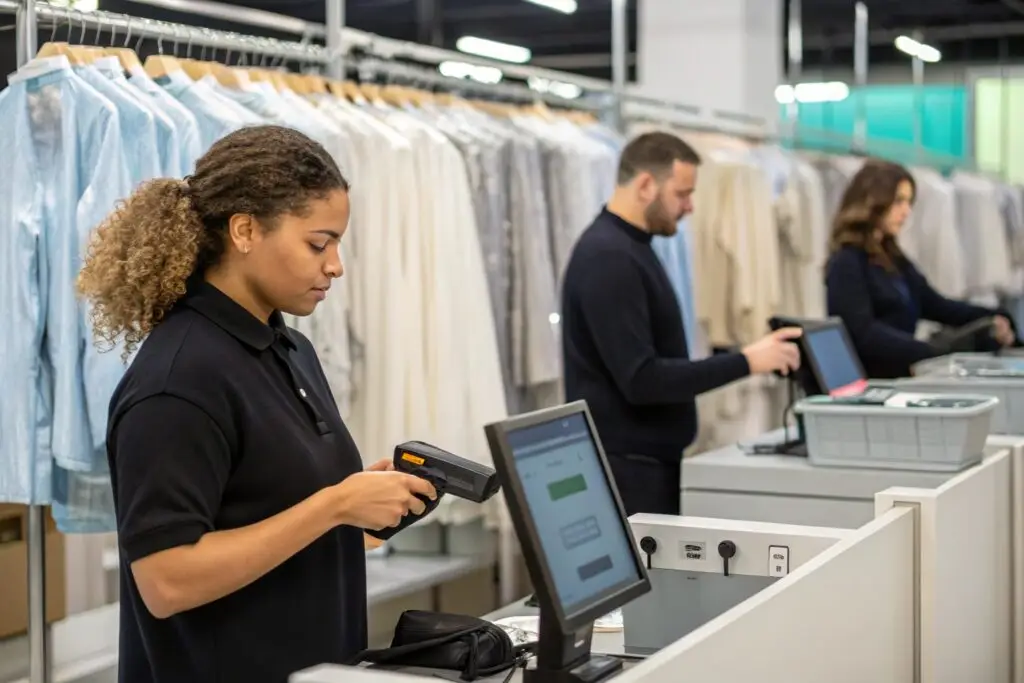
Rental businesses lose millions each year to damaged, misplaced, or unreturned garments—and poor sourcing is often the root cause.
Smart sourcing helps reduce garment losses by choosing better vendors, tracking-enabled materials, and building systems that prevent loss before it happens.
After working with dozens of rental fashion platforms in the U.S. and Europe, I’ve seen a clear pattern: the companies that suffer the most from lost garments usually ignored one thing—sourcing smart. Here's what we’ve learned.
Tracking-Enabled Tags That Prevent Garment Loss
You can't manage what you can’t track. And in rental fashion, losing sight of one item can spiral into operational chaos.
RFID, QR tags, and digital IDs reduce garment losses by enabling end-to-end tracking, return compliance, and wear-cycle monitoring across logistics and customer use.
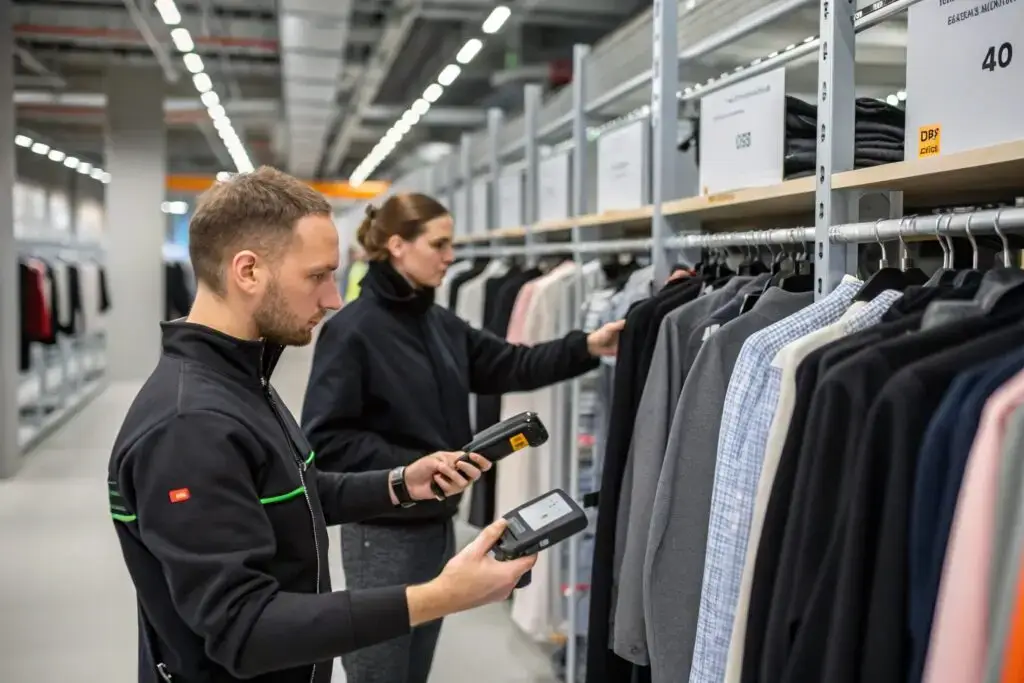
Tracking-enabled tags—like RFID chips2, NFC labels, and printed QR codes—give every garment a digital fingerprint. That means you can track its location, return status, cleaning schedule, and damage history in real time. If an item isn’t returned, the system knows exactly who last rented it and when.
One of our clients in California used to lose up to 18% of their dresses each season. After embedding QR labels3 that auto-scanned during packing and return, their loss rate dropped to 3% in six months. The system paid for itself within two quarters.
Here's a quick breakdown of the most common tracking tools:
| Tag Type | Scannable? | Cost per Unit | Ideal Use Case |
|---|---|---|---|
| QR Code Label | Yes | $0.03–$0.10 | Short-term, lightweight use |
| RFID Chip | Yes | $0.12–$0.25 | High-volume, reusable stock |
| NFC Fabric Tag | Yes | $0.30+ | Premium or durable items |
| Barcode Sticker | Yes | <$0.05 | One-time or backstock use |
Smart tags are only part of the solution. The backend system matters just as much. We help clients integrate these tags with inventory software that logs every scan—whether it's during outbound delivery, laundry check-in, or customer return.
If an item is returned late or not at all, alerts are triggered automatically. Some rental apps even charge users late fees or send pickup requests. This automation eliminates the guesswork and makes tracking seamless.
How does vendor quality impact rental return rates?
Even the best systems can’t save you if your garments fall apart after a few uses. That’s why sourcing the right vendors is mission-critical.
Vendors who provide durable, rental-grade garments reduce return issues, extend product life, and decrease the cost of repairs, refunds, and replacements.

Why do low-quality vendors4 cause high return rates in rental?
Low-quality production means weak seams, shrinking fabric, inconsistent sizing, and fast fading. These issues drive complaints, refunds, and discards. Your customers aren’t just renting a garment—they’re renting an experience. If the quality falls short, your brand takes the hit.
One of our clients used to import low-cost jumpsuits from an unknown supplier. Within three months, 30% of those garments were retired due to zipper breaks and color loss. When we switched them to our wrinkle-free poly-rayon blend with industrial zippers, the return rate dropped by over 60%.
How can I audit vendor performance before it becomes a loss?
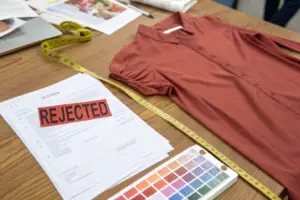
At Fumao Clothing, we encourage clients to request:
- 30-wash lab test reports
- Shrinkage and tensile strength data
- Seam strength and button pull tests
- Past client references with rental use cases
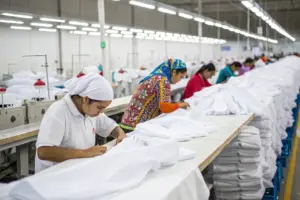
You should also check vendor processes. Do they double-stitch high-stress areas? Are zippers YKK grade? Are fabrics tested post-dyeing?
Here’s a checklist to compare:
| Quality Indicator | Low-Quality Vendor | High-Quality Vendor (like Fumao) |
|---|---|---|
| Seam Reinforcement | Single stitch | Double/triple stitch |
| Size Consistency | Variable | Standardized grading |
| Fabric Durability | Poor after 3 washes | Holds up after 30+ washes |
| Replacement Rate | 30%+ per season | <10% per season |
| Garment QC Process | Manual guesswork | Multi-point inspection |
Top Sourcing Strategies to Cut Replacement Costs
Every replacement hurts your bottom line. But better sourcing can slash that burden—if done smartly.
To reduce replacement costs, rental businesses must choose high-performance fabrics, insist on quality controls, and build garments for repair and reusability from day one.

What kind of materials lead to fewer replacements?
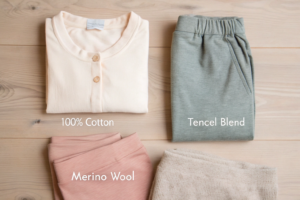
Rental garments are washed and worn far more than retail items. That means you need fabrics that resist pilling, fading, shrinking, and fraying. At Fumao Clothing, we’ve had great success with:
- Poly-cotton blends5: Strong, soft, and easy to wash
- Tencel or bamboo viscose6: Sustainable and wrinkle-resistant
- Recycled nylon7: Perfect for outerwear and activewear
One client replaced 100% cotton uniforms with our poly-cotton blend and extended lifespan from 12 to 36 uses—cutting replacement spending by 66%.
How does design impact garment longevity and cost control?
Simple design changes go a long way. Eliminate fragile embellishments. Choose hidden zippers. Use snap buttons instead of fragile hooks. Reinforce stress zones like collars, cuffs, and underarms.
Here’s a side-by-side strategy table:
| Sourcing Decision | Result |
|---|---|
| Pre-washed fabrics | Less shrinkage complaints |
| Double-stitch construction | Fewer seam failures |
| YKK-grade hardware | More durable closures |
| Wrinkle-free finishes | Less ironing labor |
| Modular components | Easy repairs, longer life |
We also recommend testing a sample batch in your real rental cycle before scaling. If a garment fails early, it’s cheaper to fix the sourcing than your reputation.
Why Inventory Visibility Is Key in Rental Fashion?
You can’t prevent losses if you don’t know what you have—or where it is. That’s why smart sourcing includes transparency from factory to final return.
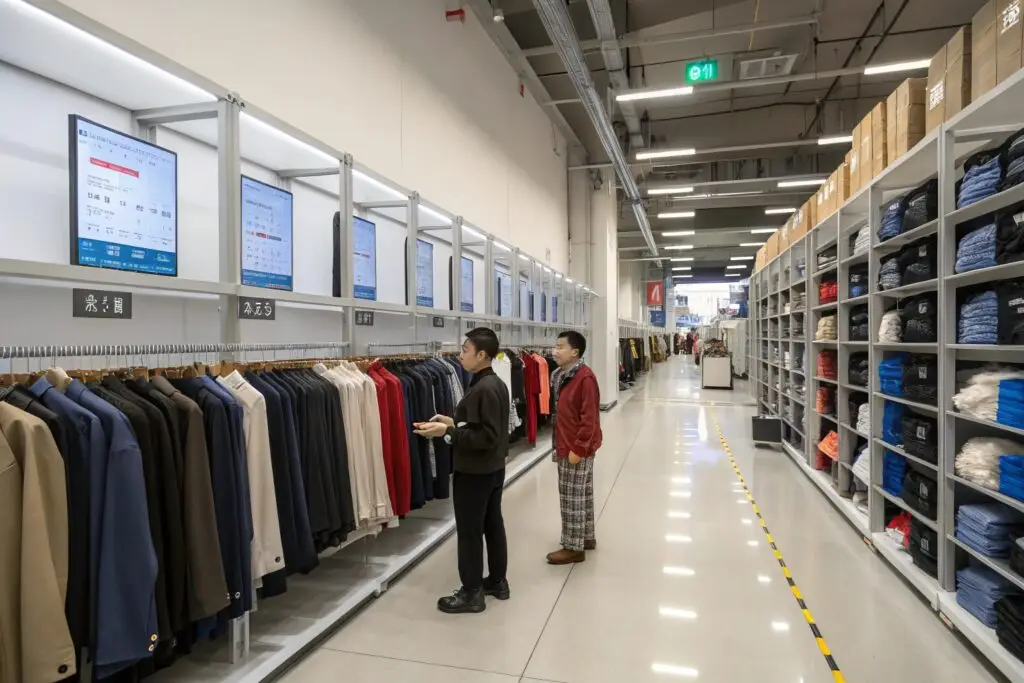
High inventory visibility allows rental brands to track every garment, reduce shrinkage, forecast restocking, and improve operational efficiency.
What problems does poor inventory visibility8 create in fashion rentals?
When you don't know what’s available or where your items are, your operations suffer. You double-order stock, miss rental windows, or fail to restock in time for seasonal peaks.
We’ve worked with clients who had thousands of garments “lost in limbo”—some returned but not scanned, others never marked shipped. After integrating a simple inventory dashboard9, they gained full transparency. That cut reorder time by 50% and increased item usage by 25%.
How can sourcing practices improve inventory visibility?
Start with tagging during production. At Fumao Clothing, we print or embed codes on each item before shipping. That code stays with the garment from the warehouse, to the customer, to returns and laundry. We also help sync that data with inventory software like Rentle or Shopify-based systems.
Here’s a breakdown of how smart sourcing10 improves visibility:
| Stage | Traditional Sourcing | Smart Sourcing (Fumao) |
|---|---|---|
| Production Tagging | None or manual | QR/NFC/RFID by default |
| Shipment Labeling | External only | Item-level internal IDs |
| Platform Integration | None | API-compatible inventory logs |
| Return Scanning | Manual forms | Auto-scan and logging |
| Damage Tracking | Ad hoc reports | Photo + tag-linked system |
This kind of data clarity reduces losses and boosts team accountability.
Conclusion
Garment loss isn’t just a logistics problem—it’s a sourcing problem. Smarter sourcing practices reduce returns, cut replacement costs, and increase profitability. In rental fashion, your suppliers define your success.
-
Explore how digital tracking tags enhance inventory management and reduce losses, providing real-time insights and automation. ↩
-
Learn about the advantages of RFID chips in rental businesses, including improved tracking and reduced loss rates. ↩
-
Discover how QR labels can significantly lower rental losses by improving tracking and return processes. ↩
-
Understanding the effects of low-quality vendors can help you make informed decisions to reduce return rates and improve customer satisfaction. ↩
-
Explore the advantages of poly-cotton blends for durability and comfort in rental garments. ↩
-
Learn about the sustainability and benefits of Tencel and bamboo viscose in fashion. ↩
-
Discover how recycled nylon contributes to eco-friendly fashion and durability. ↩
-
Understanding inventory visibility can help fashion rental businesses optimize operations and reduce losses. Explore this link for insights. ↩
-
An effective inventory dashboard is crucial for tracking items and improving visibility. Learn about essential features to enhance your operations. ↩
-
Smart sourcing techniques can revolutionize inventory management, leading to better efficiency and reduced costs. Discover more about it here. ↩