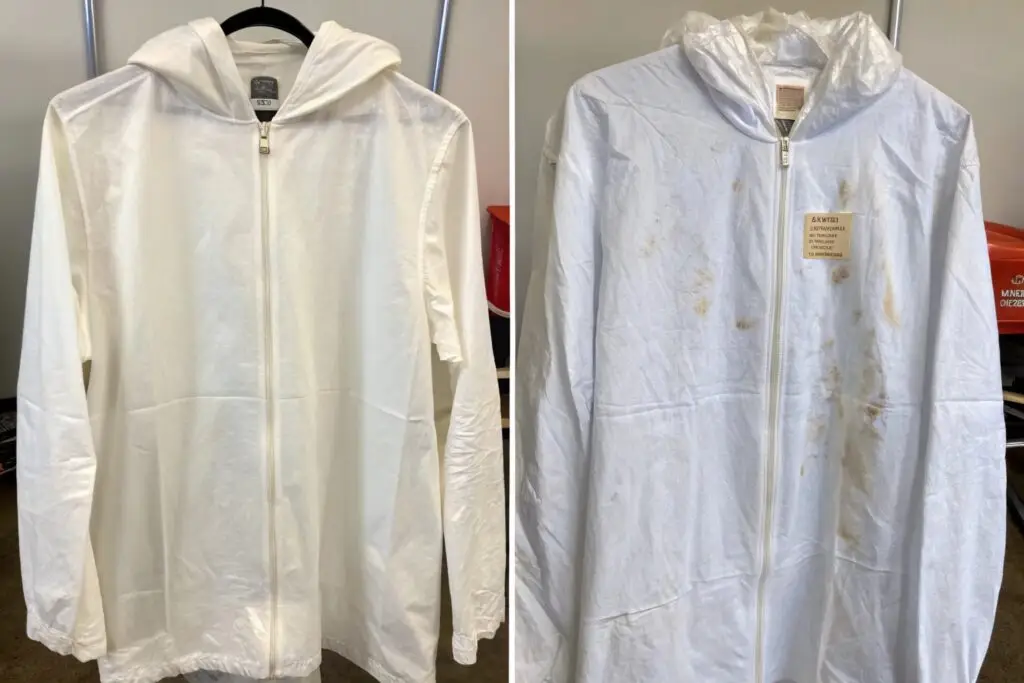
Sustainability claims are everywhere in rental fashion—but do they hold up when garments are only used a few times?
Reuse rates directly impact the sustainability of fashion rental models. If clothes are not worn enough times, the environmental costs of production, cleaning, and transport outweigh the benefits.
Renting clothes isn’t automatically green. Without enough rotations, rental platforms risk being less eco-friendly than even fast fashion. That’s why tracking and improving reuse rates is critical to making rental business models genuinely sustainable.
How Many Times Must Clothes Be Rented to Be Sustainable?
Many rental companies make eco claims—but few talk about the real math behind them.
A garment must be rented at least 20 times to offset its environmental footprint compared to buying new, factoring in emissions from manufacturing, cleaning, and logistics.
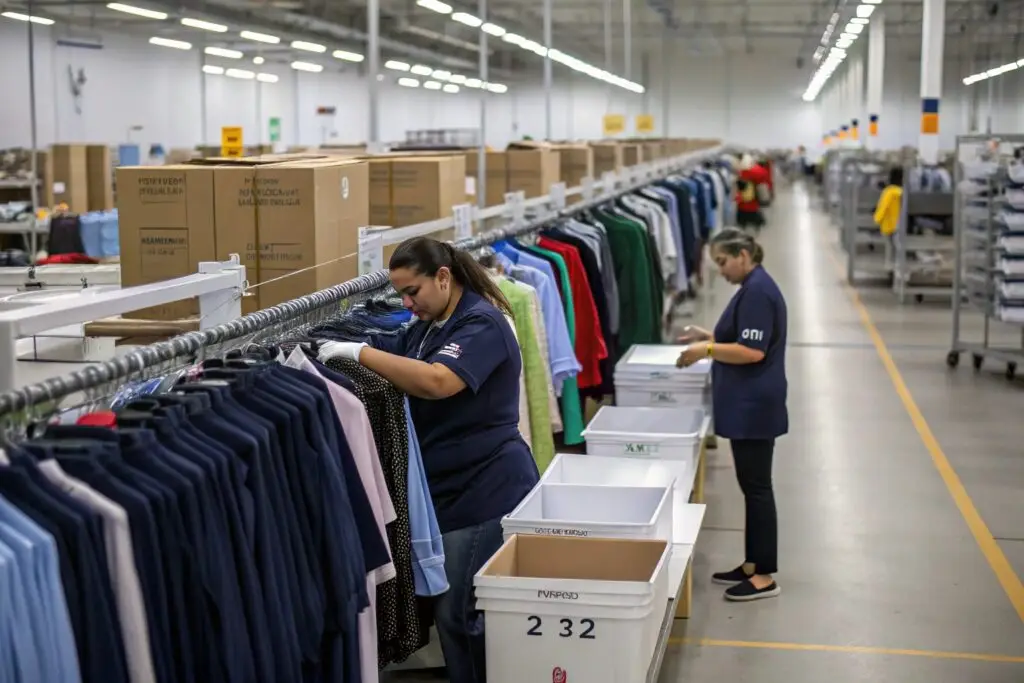
Why does the "break-even point" for sustainability in rentals depend on reuse frequency?
Each rental adds CO2 from delivery, dry cleaning, and packaging. If a garment is only rented 5 times, these emissions can surpass those of buying and wearing a fast fashion piece. That’s why many experts point to a 20-use threshold1 as the breakeven point. At Fumao Clothing, we work with rental brands to hit or exceed that number. We provide reinforced stitching, repair kits, and wrinkle-resistant fabrics to prolong wearability. A U.S. client increased their reuse rate from 12 to 26 after switching to our ripstop fabric and double bar-tacking at stress points.
| Lifecycle Phase | Emissions (kg CO2) | Notes |
|---|---|---|
| Manufacturing | 10 | Once per item |
| One Rental Round (avg.) | 1.2 | Includes cleaning + delivery/return |
| 5 Rents | 16 | Higher than owning one fast fashion item |
| 20 Rents | 34 | Lower than 4 fast fashion purchases |
What garment features help increase reuse rates and reduce lifecycle emissions?
- Fabric durability2 (e.g. high GSM, anti-pilling treatments)
- Fade resistance to maintain fresh appearance
- Shrink-resistance to ensure long-term fit
- Repair-friendly construction3 with modular design
We design all of this into our products for B2B rental clients. It’s not about more garments—it’s about smarter garments that last longer in circulation.
Does Higher Garment Reuse Actually Lower Emissions?
The short answer: yes, but only if the logistics and care processes are optimized, too.
Higher garment reuse significantly lowers per-wear emissions by spreading the environmental cost of production across more uses, but gains are only real with efficient cleaning and transport systems.
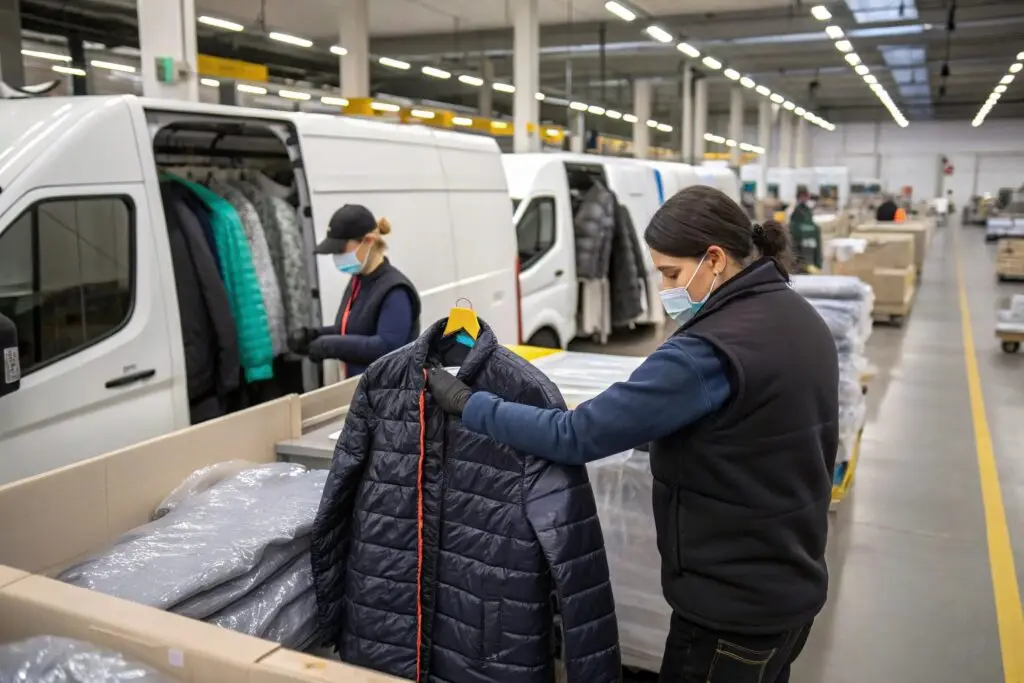
How does the emissions-per-wear curve drop as reuse rates4 increase?
The biggest emissions come from production. So, the more you wear a garment, the less each use contributes to total CO2. Here’s how it works:
| Uses | Total Emissions (kg CO2) | Emissions per Use (kg) |
|---|---|---|
| 1 | 12 | 12.00 |
| 5 | 16 | 3.20 |
| 10 | 22 | 2.20 |
| 20 | 34 | 1.70 |
| 30 | 45 | 1.50 |
However, if transport involves long-distance shipping or garments are dry cleaned with harsh chemicals, these benefits drop. At Fumao Clothing, we advise our clients to locate inventory closer to users, use eco-packaging, and design garments compatible with water-saving cleaning techniques. One rental platform in Canada reduced their transport footprint by switching to our DDP fulfillment model.
Why do poor cleaning and repair processes cancel out reuse benefits?
Each cleaning cycle uses water, energy, and detergent. If garments require dry cleaning5 after every wear, CO2 quickly adds up. Plus, poor repairs can shorten life instead of extending it. We help solve this by:
- Selecting machine-washable fabrics
- Reinforcing high-friction zones (crotch, underarms, hems)
- Providing matching repair patches
When one of our clients moved from dry-clean-only to washable inventory, their per-wear CO2 dropped by 30%—and their customer satisfaction went up too.
Fashion Rental vs. Fast Fashion: Which Is Greener?
Rental sounds greener than fast fashion—but that’s only true if systems are designed right.
Rental can be more sustainable than fast fashion when reuse rates are high and operations are efficient, but low-rotation rentals with poor logistics may actually emit more CO2.
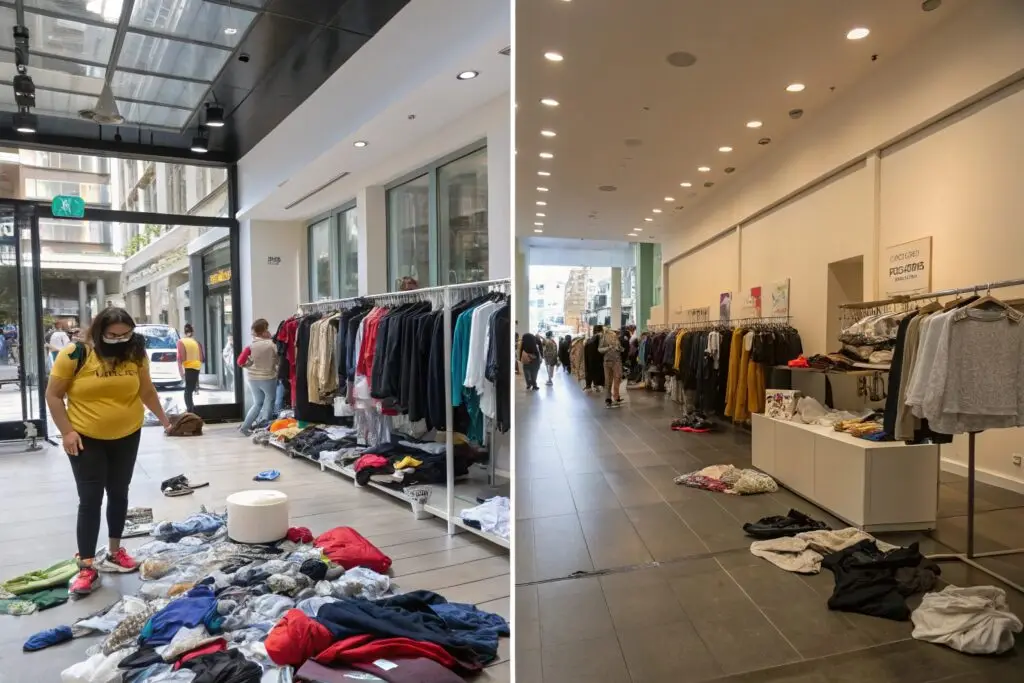
What emissions factors make fast fashion surprisingly competitive in certain cases?
Fast fashion skips logistics and professional cleaning between uses. So while its per-garment emissions are high, there are no recurring impacts per wear. A $10 shirt worn 20 times at home may outperform a rental worn only twice. That’s why reuse frequency6 is crucial. Our clients use tracking systems to monitor garment lifespans and flag underperforming items.
| Model | Emissions (kg CO2 per wear) | Reuse Dependency |
|---|---|---|
| Fast Fashion (worn 5x) | 2.5 | Low |
| Rental (worn 10x) | 2.2 | Medium |
| Rental (worn 20x) | 1.7 | High |
At Fumao Clothing, we help brands focus on quality over quantity. Rental brands can only beat fast fashion if they design for high rotation from the beginning.
Why do resale and repair often outperform rental on sustainability metrics?
Resale avoids cleaning and transport emissions between uses. Repair extends the life of what already exists. That’s why many hybrid models—where garments are rented, then sold or offered for repair—work best. We support these flows by providing garment tech sheets7 for repair partners and fabric traceability systems8 for resale audits. One of our European partners added a resale line for older inventory and turned a sustainability cost into a revenue channel.
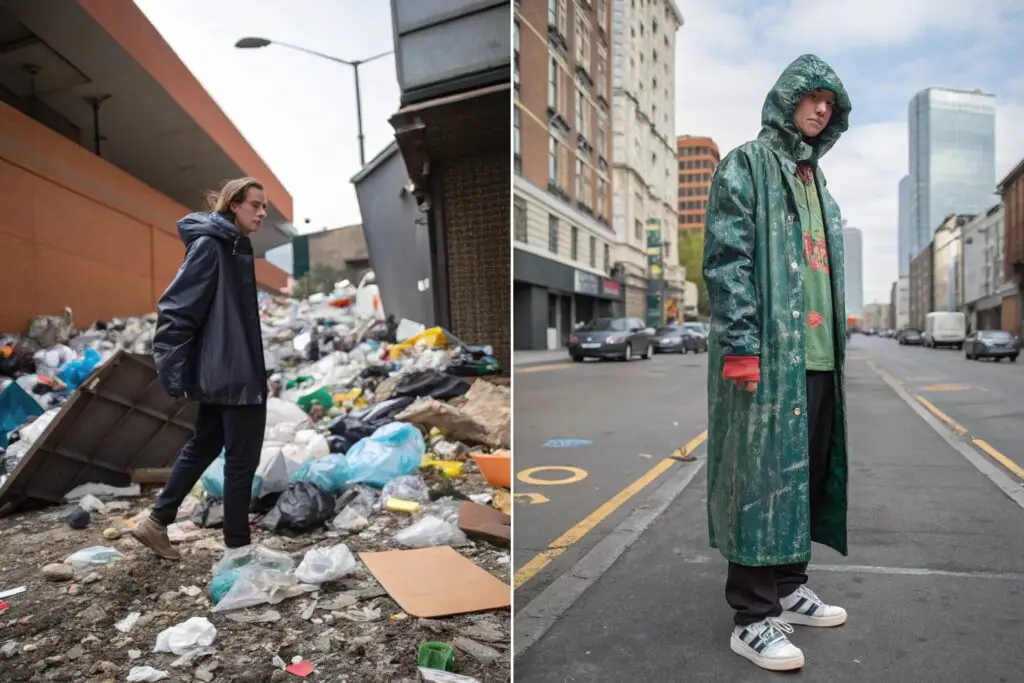
Environmental Impact of Low vs. High Rental Reuse Rates
Low reuse doesn’t just affect profits—it undermines sustainability claims completely.
Low rental reuse rates lead to higher emissions per wear than owning, while high reuse rates (20+ uses) enable meaningful environmental savings and validate eco branding.
What drives low reuse rates in fashion rental platforms and how can suppliers help solve this?
Several issues cause garments to retire early:
- Poor fabric quality or design flaws
- Lack of size flexibility
- Seasonal style irrelevance
- High repair costs
Suppliers like us play a key role. At Fumao Clothing, we:
- Offer modular design options9 for trend-agnostic pieces
- Customize unisex and size-adaptive garments10
- Provide repair-friendly construction details
- Conduct abrasion testing to simulate 30+ wash cycles
By designing for longevity and easy maintenance, we help rental brands extend use life and reduce retirements.
How can rental brands use data to track and improve environmental ROI?
Tracking reuse metrics lets rental platforms understand which garments perform and which don’t. We support clients with:
- QR-coded inventory systems11
- Digital wear logs
- Per-item emissions reporting
- Lifecycle optimization reports
One North American client now removes low-performing items early, reallocates styles that overperform, and reduces environmental waste across the board. That’s the future: using data not just to sell clothes, but to use them better.
Conclusion
In fashion rental, sustainability starts with reuse. Without enough wears, the model breaks down. With strong design, tracking, and supplier support, high reuse rates can turn rental into the greenest option out there.
-
Understanding the 20-use threshold is crucial for evaluating the sustainability of rental models and their environmental impact. ↩
-
Exploring fabric durability can reveal how it contributes to reducing emissions and increasing garment lifespan in rentals. ↩
-
Discover how repair-friendly designs enhance garment longevity and sustainability, making them ideal for rental markets. ↩
-
Discover how increasing reuse rates can significantly lower emissions and promote sustainability in fashion. This resource will provide valuable insights. ↩
-
Dry cleaning can negate the benefits of reuse. Learn more about its environmental impact and explore alternatives for sustainable cleaning. ↩
-
Understanding reuse frequency can reveal how often garments are worn, impacting their overall sustainability and emissions. ↩
-
Garment tech sheets provide essential information for repairs, enhancing garment longevity and reducing waste in the fashion industry. ↩
-
Fabric traceability systems ensure transparency in sourcing, helping brands make informed decisions that promote sustainability and ethical practices. ↩
-
Explore how modular design can enhance garment longevity and adaptability in fashion rental, benefiting both suppliers and brands. ↩
-
Learn about size-adaptive garments and their role in increasing customer satisfaction and reducing returns in rental fashion. ↩
-
Discover the efficiency of QR-coded inventory systems in tracking garments and improving operational performance in rentals. ↩