The rental revolution isn’t just changing how people wear clothes—it’s changing how we make them.
Rental fashion demands durable, versatile, and quickly replenishable garments—forcing sourcing teams to prioritize longevity, low MOQs, and speed over trend cycles.
As a clothing manufacturer supporting both rental startups and traditional brands, I’ve watched rental needs reshape every sourcing conversation. And if you don’t adapt your sourcing approach for rental, you’ll lose both time and money.
Why Rental Requires Durable and Multi-Wash Materials?
Retail clothes are built to last a few wears. Rental clothes need to survive a dozen or more—and still look great.
Rental sourcing requires materials that can withstand 15–30 industrial washes, resist fading and shrinkage, and maintain comfort over time.
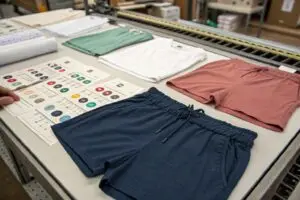
What material qualities matter most for rental garments?
In traditional retail sourcing, fabric selection is often led by:
- Trend appeal
- Hand feel
- Immediate appearance
But in rental, performance over time matters more. We help clients select fabrics based on:
- Shrink resistance
- Colorfastness
- Pilling resistance
- Stretch recovery
- Wrinkle resistance
Examples of strong rental-ready fabrics:
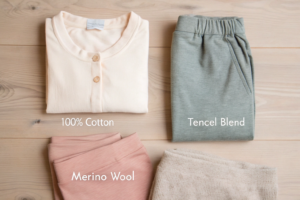
- Cotton-modal blends (soft + durable)
- Polyester interlock (good drape, resists pilling)
- Nylon-spandex jersey (stretch + memory)
- Recycled poly with mechanical stretch
| Feature | Traditional Retail Focus | Rental Sourcing Priority |
|---|---|---|
| Visual Appeal | High | Moderate |
| Wash Durability | Low–Medium | Very High |
| Stretch Recovery | Optional | Required |
| Stain Resistance | Rare | Preferred |
| Shrink Control | Optional | Mandatory |
How do fabric finishes improve rental performance?
We apply:
- Anti-bacterial treatments (to reduce odor after multiple uses)
- Stain-resistant coatings (common in babywear and toddler garments)
- Anti-fade dyes (especially for dark garments)
Durability = value. The longer a fabric holds up, the higher your profit per piece.
Sourcing Priorities Shift: From Trends to Longevity?
Rental brands don’t chase micro-trends—they invest in pieces that work across seasons and age ranges.
Sourcing for rental shifts focus away from rapid style turnover toward timeless design, modular construction, and ease of care.
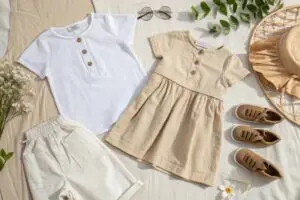
How does trend sourcing differ between retail and rental collections?
In fast fashion, collections change every 4–8 weeks. That means sourcing new fabrics, trims, and prints constantly.
In rental:
- Brands often run 2–4 capsules per year
- Core items (tees, leggings, rompers) repeat across years
- Colorways and prints are updated, but base silhouettes stay consistent
This allows us to:
- Reuse existing patterns
- Maintain stock fabrics across multiple seasons
- Produce in batches and restock with confidence
| Sourcing Focus | Retail Brands | Rental Brands |
|---|---|---|
| Design Turnover | Very High | Low–Medium |
| Fabric Reusability | Rare | High |
| Fit Variation | Trend-driven | Functional + consistent |
| Print Usage | Novelty-heavy | Seasonal rotation |
What design and sourcing strategies support long-term usability?
We recommend:
- Neutral color palettes for core lines
- Interchangeable separates (capsule style)
- Minimal hardware (zippers and buttons = repair risk)
- Adjustable features (waistbands, sleeves)
The goal is not just to wear the item often—but to wear it well.
How Rental Models Influence MOQ and Lead Times?
Rental isn’t about one huge drop. It’s about flexible reorders, responsive manufacturing, and smarter MOQ management.
Rental platforms demand low minimum order quantities, faster replenishment cycles, and flexible restocking to match real-time rental usage.

Why do rental brands push for lower MOQs?
In rental, overordering is risky:
- Inventory must rotate
- You don’t want deadstock
- Demand varies by size, not just style
We often get asked for MOQs like:
- 100 pcs per style
- 20 pcs per size
- 2–3 colorways per run
This requires us to:
- Share fabric lots across clients
- Offer modular sewing lines
- Batch production across weekly waves
| Sourcing Metric | Traditional Retail | Rental Fashion |
|---|---|---|
| Minimum Order Quantity | 1,000–5,000 pcs/style | 100–300 pcs/style |
| Order Frequency | Seasonal (2x–4x/yr) | Monthly/rolling |
| Size Curve Flexibility | Fixed | Dynamic, usage-based |
| Fabric Utilization | One-time | Reused across cycles |
How can sourcing teams balance flexibility with factory efficiency?
We support rental brands by:
- Keeping core fabrics stocked
- Building blank base programs (same base, different prints)
- Using automated cutting to handle small-batch variability
- Prioritizing low-lead-time materials for reorders
Shorter lead times = less guesswork = lower environmental risk.
Building Supplier Partnerships for Rental-Ready Apparel?
Rental sourcing needs deeper collaboration—not just price quotes and spec sheets.
Long-term partnerships with flexible, quality-driven suppliers are key to delivering durable rental garments at the right speed and scale.
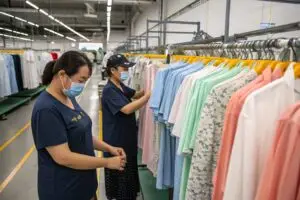
What supplier traits matter most for rental fashion brands?
The best rental suppliers:
- Understand multi-use performance
- Accept lower MOQs
- Offer repair support or post-shipping adjustments
- Track QC at the unit level, not just per batch
We work with clients to:
- Review rental return damage
- Adjust construction techniques
- Improve next round production
This feedback loop is critical.
| Supplier Capability | Importance for Rental Brands |
|---|---|
| Low MOQ Flexibility | ✅ Must-have |
| Material Performance Test | ✅ Required |
| Quick Reorder Ability | ✅ Strongly Preferred |
| Repair/Restock Support | ✅ Adds long-term value |
How do strong supplier relationships reduce long-term costs?
Better partnerships = fewer rejections, lower replacements, faster restocks.
We’ve reduced per-unit cost for clients by:
- Pre-testing all trims
- Jointly developing washable labels
- Running small test batches first
Rental sourcing isn’t transactional—it’s relational.
Conclusion
Rental fashion is rewriting the sourcing rulebook. From fabric selection to MOQ planning, everything shifts toward durability, flexibility, and efficiency. The brands that thrive in this space don’t just chase styles—they build systems. And that system starts with sourcing.