We all want fashion to be more sustainable. But is renting clothes really helping?
Clothing rental can support sustainability—but only when systems are optimized to reduce overproduction, manage logistics efficiently, and extend garment lifespan.
As a manufacturer working closely with rental brands, I’ve seen both sides. Rental can be green. But it’s not automatic. It depends on how it's done. Let’s break it down.
Environmental Impact: Rental vs. Traditional Retail?
At first glance, rental looks like a win. Fewer new clothes produced, more wear per item.
In theory, renting reduces environmental impact by maximizing usage per garment and delaying landfill waste—but logistics and cleaning must be tightly managed.

How do the emissions and resource use compare between rental and retail?
Let’s start with the basics. Producing one cotton t-shirt typically uses:
- ~2,700 liters of water
- ~2.1 kg of CO₂ emissions
- ~150g of textile waste (cutting waste, overstock)
Now imagine that t-shirt is rented 10 times instead of sold once. You’ve saved the production of 9 additional shirts.
But here’s the catch:
- Every rental involves transportation
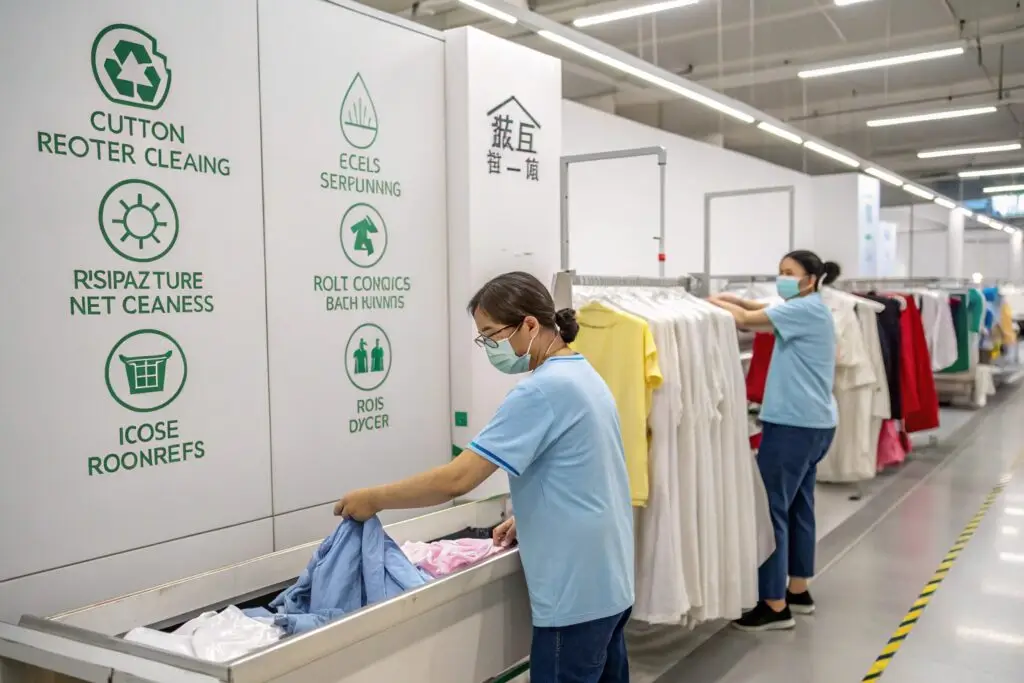
- Every return involves cleaning
- Packaging is used more than once
So we have to measure the net effect:
| Environmental Metric | Retail (1 use) | Rental (10 uses) | Notes |
|---|---|---|---|
| Water Usage (production) | 2,700L | 2,700L | Same—item produced once |
| CO₂ from Shipping | 0.4 kg | 2.5–3 kg | Depends on distance & carrier |
| Energy for Washing | N/A | ~0.2–0.4 kWh/use | Adds up over time |
| Total Textile Waste | 150g | <20g per cycle | Lower if lifespan managed |
In short: rental reduces production emissions, but increases transport emissions.
It only wins when garments are reused many times—usually 8+ rotations.
What variables most influence rental’s environmental impact?
Three key factors:
- Garment durability – If it rips after 3 rentals, it’s worse than retail.
- Transport logistics – Long-distance returns with no consolidation hurt emissions.
- Cleaning methods – Dry cleaning is more harmful than machine washing.
The more optimized your system, the greener rental becomes.
Does Rental Reduce Overproduction and Waste?
Fast fashion thrives on overproduction. Can rental fix that?
Yes—rental models reduce overproduction by aligning inventory with usage rather than speculative sales, and by reusing garments across multiple users.
How does rental change production strategies for brands?
Traditional brands forecast demand months in advance. They overproduce “just in case” and markdown what doesn’t sell.
Rental changes this:
- You produce smaller batches
- You refill based on real usage
- You design for longevity, not just visual trends
We’ve seen brands reduce inventory by 60% after switching to capsule-based rental. Instead of 20 styles, they launch 5 well-made styles and reuse them.
| Inventory Strategy | Traditional Retail | Fashion Rental |
|---|---|---|
| Forecasting Method | Trend & marketing-led | Usage & return data–driven |
| Production Volumes | High (overstock risk) | Low–medium (based on need) |
| Unsold Stock Risk | Very High | Low (reusable inventory) |
| Markdown/Disposal | Frequent | Rare |
How does rental extend garment life and reduce waste?
When one item is worn 10–15 times instead of once, the per-use impact drops dramatically. We’ve helped brands tag and track garments across cycles. Some bodysuits made it through 28 rentals before being retired.
Rental also enables repair instead of discard. Loose seams? Broken zipper? Fix it and relist.
And what happens after final use? Many brands resell or donate gently worn pieces—giving each item a second (or third) life.
Key Factors That Determine Rental’s True Sustainability?
Not all rental is created equal. Some models are wasteful. Others are revolutionary.
Sustainable rental depends on garment design, logistics optimization, cleaning practices, and user behavior—all working together.
What makes one rental platform more sustainable than another?
We’ve audited multiple rental clients and here’s what makes the difference:
| Factor | Low Impact Rental | High Impact Rental |
|---|---|---|
| Garment Lifespan | 12+ uses | <5 uses |
| Transportation | Consolidated/local | Nationwide single-ship |
| Cleaning Process | Cold wash, bulk machines | Daily dry cleaning |
| Packaging | Reusable, minimal | Single-use plastic |
| Customer Behavior | Return on time, care well | Late, damaged, high churn |
For example, one of our kidswear clients uses local drop-off lockers, batches returns weekly, and machine-washes everything. Their CO₂ emissions per rental are 48% lower than the industry average.
How can brands maximize the environmental benefits of rental?
- Design durable garments: No fasteners that break, no trendy prints that fade
- Encourage batch orders: Group rentals to reduce transport emissions
- Use sustainable cleaning: Switch to ozone or cold-wash technology
- Track item cycles: Know when to retire, repair, or resell
- Educate users: Proper care = longer life = better sustainability
When Rental Works—and When It Doesn’t—for the Planet?
Let’s be honest—rental isn’t always better. In some cases, it’s worse.
Rental fashion works best when garments are durable, logistics are local, and usage is high. It fails when garments break early, require dry cleaning, or ship long distances individually.
What are the “green flags” of truly sustainable rental fashion?
If your rental model includes:
- Durable items made for 10+ uses
- Batch shipping and returns
- Washable designs (no dry cleaning)
- Local inventory hubs
…then you’re winning.
These systems reduce:
- CO₂ per use
- Water waste
- Product loss
One of our clients achieved net negative waste by renting, repairing, then reselling each item. Nothing went to landfill.
What are the warning signs of an unsustainable rental business?
Be cautious if:
- You rely on daily long-distance couriers
- Items are dry cleaned after each use
- Returns sit idle or go untracked
- Most garments don’t make it past 3 rentals
In these cases, rental becomes a high-emission service masking as eco-friendly.
Rental isn’t a silver bullet. But done right, it’s powerful.
Conclusion
Clothing rental can support sustainable fashion—but only when built on durability, smart logistics, and conscious consumer behavior. It’s not just about reducing what we buy. It’s about using better, longer, and smarter. The future of sustainable fashion depends on getting that balance right.