You pull on your favorite pair of classic chino shorts. They look great standing up. Then you sit down. The button digs into your stomach. The waistband feels tight after lunch. You unbutton them slightly under your untucked shirt, hoping no one notices. You love the look. You hate the feel. You wonder why style and comfort cannot coexist in one pair of shorts. You are not alone. The pandemic changed how millions of people think about clothing. Comfort became non-negotiable. Hard pants and rigid waistbands became symbols of a pre-2020 world. The market shifted. The consumer demanded clothing that feels as good as it looks. The classic short with an elastic waistband is the garment that answers this demand. It is not the sloppy, all-elastic gym short of the past. It is a hybrid. A tailored front. A forgiving back. The look of a classic chino. The feel of a lounge short.
Classic shorts with elastic waistbands are indeed becoming the new comfort standard for a significant and growing segment of the American market. This is not a temporary trend. It is a structural shift driven by the permanent adoption of hybrid work, an aging demographic that values comfort, and a broader cultural acceptance that clothing should not hurt. The modern elastic-waist classic short solves the core problem of the traditional rigid waistband: it accommodates the body's natural fluctuations in size throughout the day, during meals, and across different sitting and standing positions. It delivers the polished appearance of a classic short with the all-day comfort of an athleisure garment. For brands and distributors, it represents a high-growth, high-margin subcategory within the classic shorts market.
At Shanghai Fumao, our production data reflects this shift. Five years ago, elastic-waist classic shorts were a niche product, mostly for the senior market. Today, they are one of our fastest-growing categories, ordered by brands targeting men and women from 30 to 60 years old. The designs have evolved. The old full-elastic, drawstring waistband has been replaced by sophisticated hybrids: flat fronts with elastic backs, side-tab adjusters combined with internal elastic, and paperbag waists with hidden comfort stretch. This article explains the cultural shift, the product evolution, the demographic drivers, and the sourcing specifications that define the new elastic-waist classic short.
What Cultural and Lifestyle Shifts Are Driving the Elastic Waistband Renaissance?
The elastic waistband is not a new invention. It has been used in sweatpants, gym shorts, and senior clothing for decades. What is new is its acceptance in classic, tailored, public-facing garments. This acceptance was accelerated by the global pandemic. Millions of people spent two years wearing soft, comfortable clothing at home. When they returned to public life, they did not want to return to restrictive clothing. They wanted to bring the comfort with them. The rigid waistband became a symbol of a previous era. The elastic waistband, in its modern, hidden forms, became a symbol of a new, more humane approach to dressing.
I spoke with a brand owner who launched a "commute-to-couch" short in 2021. It was a classic chino short from the front, with a hidden elastic back waistband. He thought it was a pandemic novelty. It became his best-selling SKU. Four years later, it is still his best-selling SKU. The customer who discovered the comfort of an elastic waistband is not going back. The post-pandemic shift to comfort in apparel is a permanent change in consumer preference. The classic short with an elastic waistband is the garment that embodies this change.
The shift is supported by hard data on work patterns and demographics. The traditional office, with its rigid dress codes, has been permanently altered. The consumer base is aging. Both trends favor the elastic waistband.
How Has the Hybrid Work Model Permanently Changed Casual Bottoms Expectations?
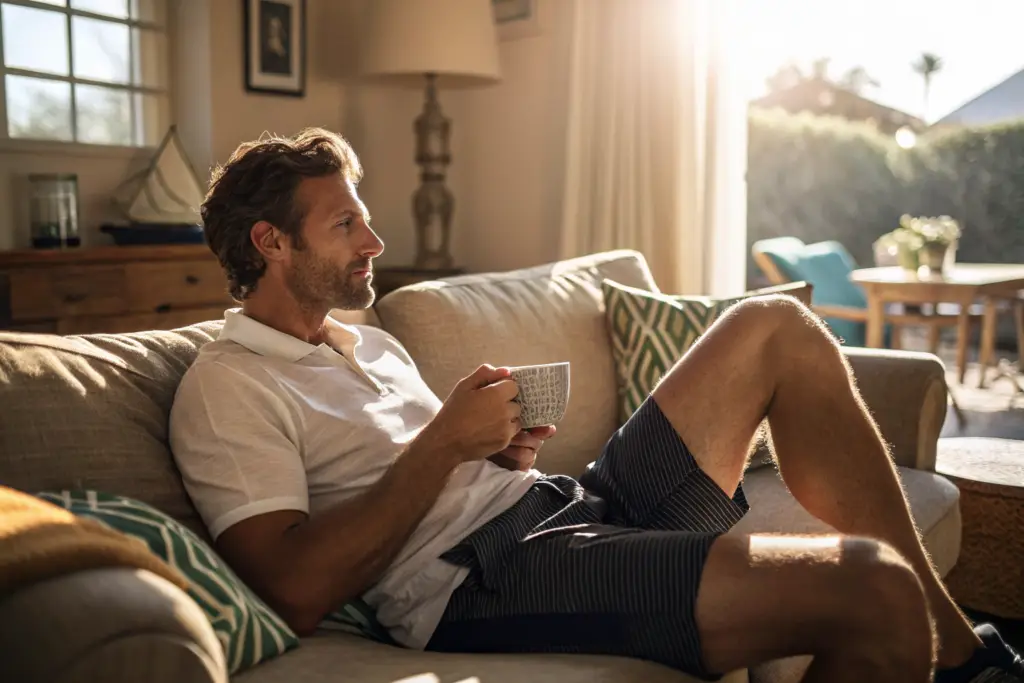
Hybrid work is now a permanent feature of the American economy. Millions of workers spend three days at home and two days in the office, or some variation. Their clothing needs to transition between these environments. A rigid-waist short is comfortable enough for the office but not for the home couch. A full-elastic gym short is comfortable for the home but not appropriate for the office. The hybrid elastic-waist classic short, flat front with hidden elastic back, solves both needs. It looks appropriate on a video call and feels comfortable for an afternoon on the couch.
The consumer now expects this versatility. The idea of changing clothes to be comfortable at home feels outdated. The hybrid work and apparel demand shifts data shows sustained demand for comfort-oriented categories that maintain a polished appearance. The elastic-waist classic short is in this sweet spot.
Why Is the Aging Consumer Demographic a Massive Market for Comfort-Driven Design?
The American population is aging. The over-50 demographic is large, affluent, and active. This consumer wants to look good. He is not ready for "old man" clothing. But his body has changed. The rigid waistband that was tolerable at 30 is painful at 55. It digs into a softer midsection. It does not accommodate the natural expansion that occurs throughout the day. The hidden elastic waistband solves this problem without sacrificing style. It allows the 55-year-old man to wear the same classic short silhouette he has worn for decades, but with a level of comfort that makes it wearable all day.
This demographic has significant spending power. It is loyal to brands that serve its needs. The apparel market for aging consumers is underserved by fashion-forward brands. The classic short with an elastic waistband is a product that serves this demographic beautifully.
What Design Innovations Have Elevated the Elastic Waistband Beyond "Old Man" Pants?
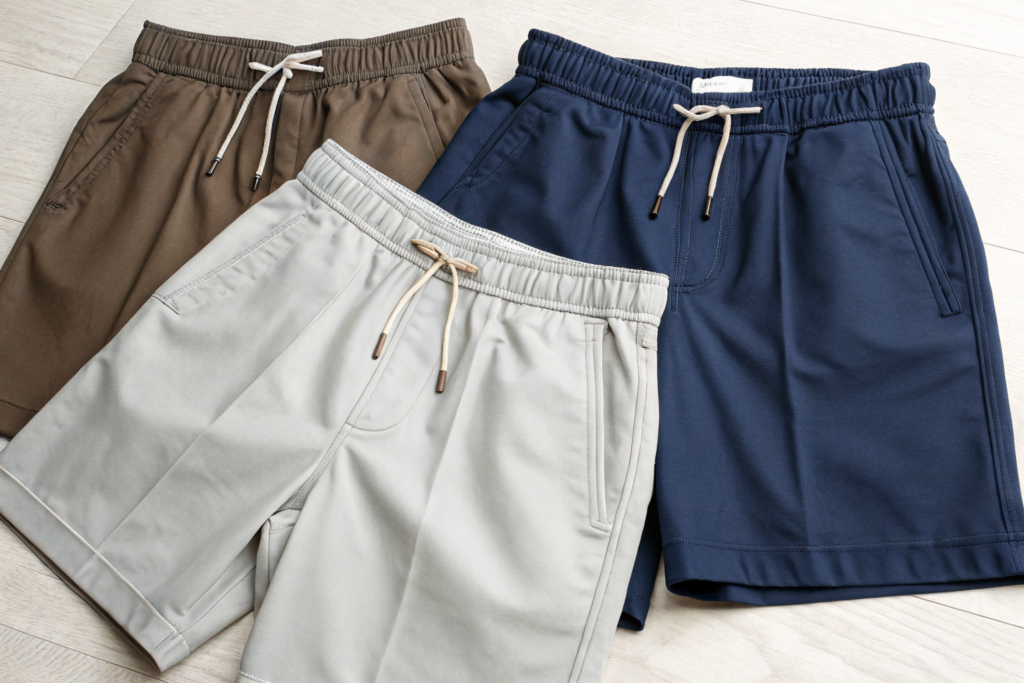
The old elastic-waist short had a full elastic waistband with a drawstring. It looked like a gym short. It was purely functional, with no aesthetic consideration. The new generation of elastic-waist classic shorts is completely different. Designers have figured out how to hide the elastic. The front of the short looks like a traditional tailored garment. The comfort is invisible. This design evolution is what has unlocked the broader market acceptance. The customer gets the comfort without the aesthetic compromise.
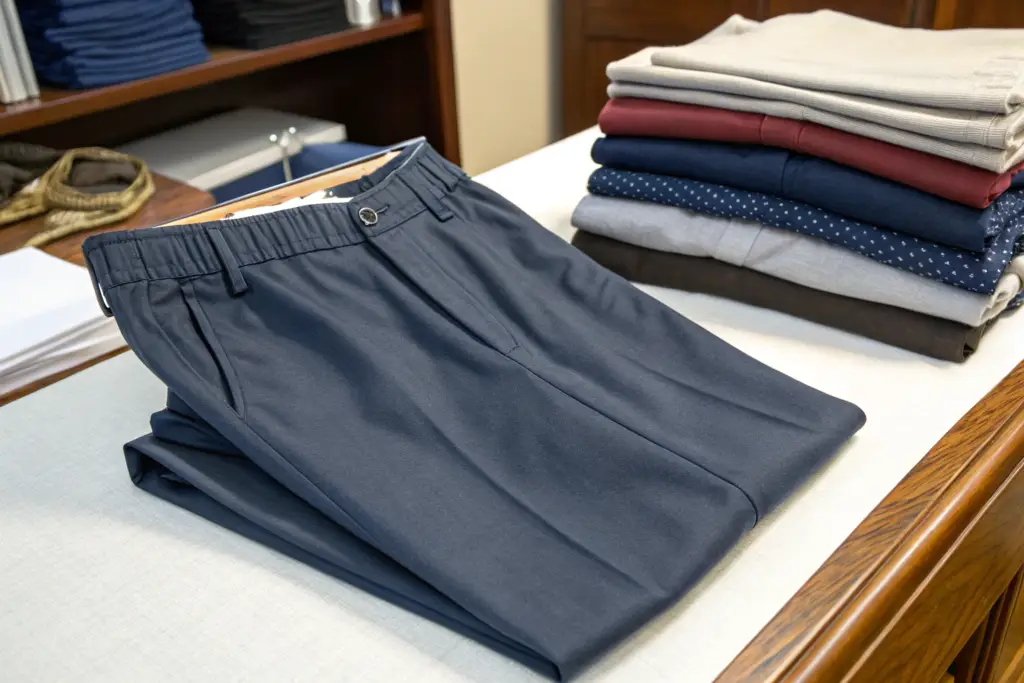
I have worked with our pattern makers to develop several hybrid waistband constructions. The most popular is the flat front with an elastic back. The front has a standard button and zipper closure, a flat waistband, and belt loops. It looks exactly like a traditional chino short. The back waistband has an encased elastic panel, about 4 to 6 inches wide, that provides 2 to 3 inches of stretch. The elastic is hidden inside the fabric. It is invisible from the outside. The wearer experiences the comfort. The observer sees a classic short. The hybrid waistband design techniques guide explains the construction methods.
The design innovations are in the construction techniques. The elastic is hidden, the front is structured, and the closure is often a mix of functional and decorative. Let's examine the most effective designs.
What Is a "Flat Front with Elastic Back" and Why Is It a Game-Changer?
The flat front with elastic back is a waistband construction that combines a traditional rigid front waistband with an elasticated back section. The front has a standard zipper fly and a button closure. It looks exactly like a classic chino short. The back waistband, from approximately the side seams across the back, has an elastic panel sewn into the interior. The exterior fabric is gathered slightly over the elastic. When the wearer sits or moves, the elastic stretches. The exterior fabric expands. The front remains flat and tailored.
This construction is a game-changer because it solves the "standing versus sitting" problem. A rigid short that fits perfectly standing may dig in painfully when sitting. The elastic back accommodates the body's change in shape when seated. It also accommodates minor weight fluctuations. The customer experiences all-day comfort with zero aesthetic sacrifice. The flat front elastic back waistband construction guide details the pattern and sewing techniques.
How Do Side Tabs, Drawstrings, and Hidden Elastic Redefine the Classic Silhouette?
Side tab adjusters, borrowed from tailored trousers, allow the wearer to tighten or loosen the waistband without a belt. When combined with a subtle internal elastic, they provide a flexible fit with a clean, belt-free look. A hidden internal drawstring, encased inside the waistband, allows the wearer to adjust the fit while the outside remains a clean, flat waistband. A paperbag waist with internal elastic creates a fashionable, gathered look that is entirely elastic-driven but looks intentional and stylish, not functional and frumpy.
These designs treat the elastic not as a shameful secret, but as an integrated design feature. The modern waistband design innovations are documented in menswear and womenswear publications. The elastic waistband has been elevated from a functional crutch to a design choice.
Who Is the Target Customer for the Modern Elastic-Waist Classic Short?
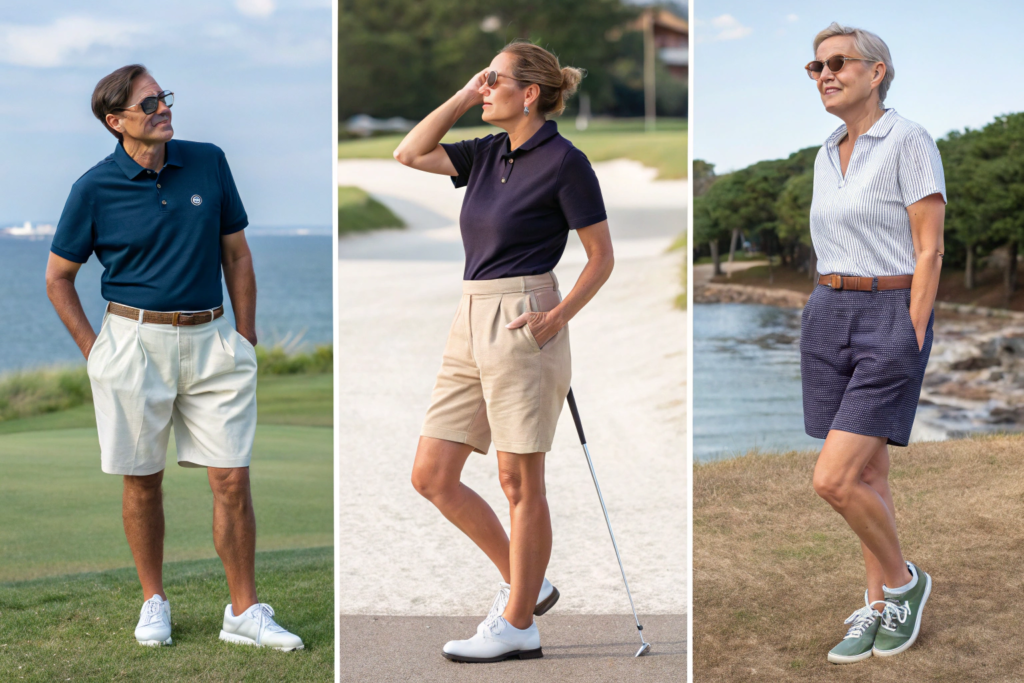
The target customer for the modern elastic-waist classic short is broader than most brands assume. It is not just the senior market. It includes the 35-year-old new father who needs to bend down constantly and finds rigid waistbands restrictive. It includes the 45-year-old woman who wants a polished look for a casual office but refuses to be uncomfortable. It includes the 28-year-old man who values the clean, belt-free look of a side-tab waistband and appreciates the hidden comfort. The elastic waistband appeals to anyone who has discovered that clothing can be both stylish and comfortable, which is a growing segment of the population.
Our brand partners report that the elastic-waist classic short has a lower return rate than their rigid waistband shorts. The reason is simple. A rigid short that fits in the waist but is too tight in the seat, or fits standing but not sitting, is returned. An elastic-waist short accommodates these variations. It fits more body types with fewer SKUs. The return rate reduction through comfort features data shows that fit-related returns decrease significantly when comfort stretch or elastic is incorporated.
The customer profile includes specific life stages and style preferences. The common thread is the desire to look put-together without physical discomfort. Let's examine the key customer segments.
Why Is This Product a Solution for the "Moving Up in Size" or "Between Sizes" Customer?
Body weight fluctuates. It fluctuates during the day. It fluctuates during the month. It fluctuates during different life stages. A rigid waistband is unforgiving. It fits at one precise measurement. A customer who is between sizes, or whose weight is changing, struggles with rigid shorts. The size medium is too tight after lunch. The size large is too loose in the morning. The elastic waistband solves this. It provides a range of comfortable fit, not a single fixed point.
This is a massive, underserved market. The customer who is "between sizes" often gives up on buying shorts altogether. The elastic-waist classic short brings her back into the market. The inclusive sizing and comfort fit market analysis shows the commercial opportunity in serving customers whose bodies do not conform to rigid size charts.
How Does This Style Appeal to the "Athleisure Meets Business Casual" Dress Code?
The modern workplace has blurred the lines. Athleisure has influenced everything. Men want the comfort of their gym clothes with the appearance of their work clothes. The hybrid elastic-waist classic short is the perfect expression of this desire. It has the cotton twill fabric, the flat front, and the belt loops of a business-casual short. It has the hidden stretch and comfort of an athleisure bottom. It allows the wearer to feel like he is wearing sweatpants while looking like he is dressed for a meeting.
This "athleisure meets business casual" aesthetic is a dominant trend in menswear. The athleisure influence on mainstream fashion is not fading. It is becoming the new baseline. The elastic-waist classic short is a core product in this new baseline.
What Should a Wholesale Buyer Specify When Sourcing an Elastic-Waist Classic Short?
Sourcing an elastic-waist classic short is different from sourcing a standard rigid-waist short. The elastic waistband adds complexity. The buyer must specify the type of elastic, the width, the stretch allowance, the waistband construction, and the closure. A poorly specified elastic waistband will fail. The elastic will roll over. It will lose its stretch after ten washes. The exterior fabric will gather unattractively. The short will look cheap. A well-specified elastic waistband is invisible, durable, and comfortable.
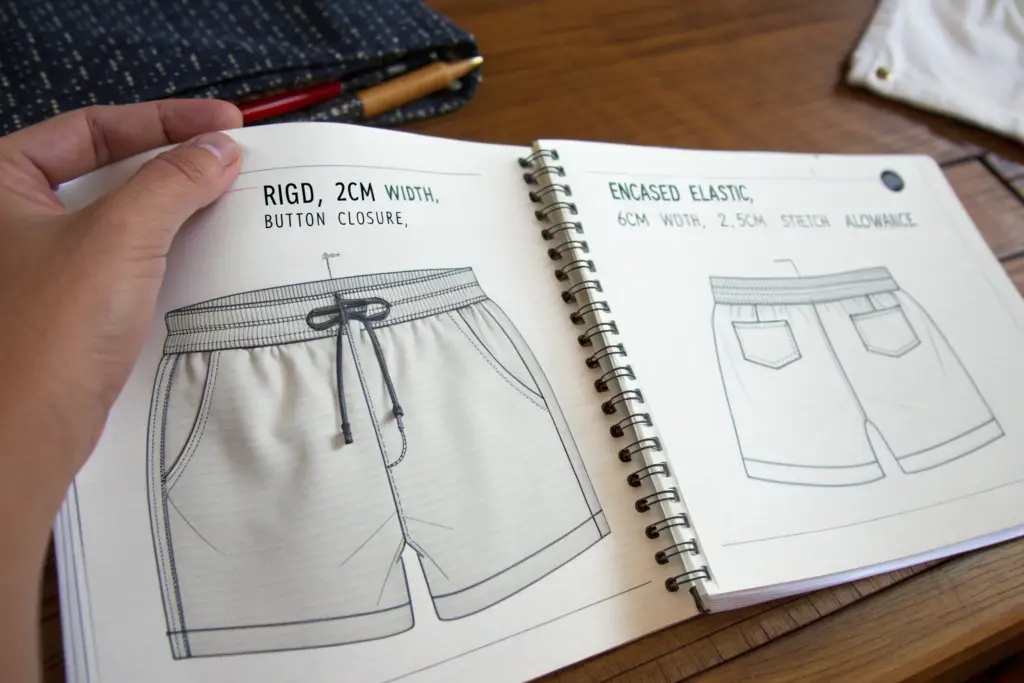
I advise our wholesale clients to be specific about the elastic in their purchase order. Do not write "elastic back waistband." Write "4cm woven elastic, encased in shell fabric, with a 6cm stretch allowance in the back panel. Elastic to be pre-washed to prevent shrinkage. Waistband to have a flat front with YKK zipper and metal button closure." This level of specificity ensures the factory uses the right materials and construction. The elastic waistband specification guide provides the technical language.
The elastic type, the construction, and the closure are the three critical sourcing decisions. Each impacts the comfort, the durability, and the appearance of the finished short.
What Type of Elastic and Construction Ensures Durability Without Losing Stretch?
The elastic should be a high-quality woven elastic, not a cheap knitted elastic. Woven elastic is firmer, more durable, and resists rolling. It is used in tailored trousers and premium garments. It withstands repeated washing and stretching without losing its recovery. The elastic should be pre-washed before sewing to prevent it from shrinking later. The elastic should be encased in a fabric tunnel, not sewn directly onto the fabric with exposed stitching. The encasement allows the elastic to move freely and prevents it from twisting.
The elastic width for a back panel should be 3 to 5 centimeters. A wider elastic distributes pressure more evenly and is more comfortable. The stretch allowance, the amount the elastic panel can expand beyond the flat measurement, should be 2 to 4 inches. This provides meaningful comfort without creating excessive gathering. The woven versus knitted elastic for garments guide explains the differences. A premium elastic waistband uses woven, pre-washed elastic, encased in the shell fabric.
How Do You Maintain the Classic Look While Adding Comfort Stretch?
The key is to isolate the elastic to the back waistband. The front waistband remains rigid, flat, and structured. The front closure remains a standard button and zipper fly. Belt loops are included. From the front, the short is indistinguishable from a traditional classic short. The elastic is only in the back, hidden from view. The exterior fabric over the elastic is cut slightly fuller and gathered. The gathering should be minimal, just enough to allow the fabric to expand without creating a ruffled look.
The fabric choice matters. A 280 GSM cotton twill with no spandex content is the ideal shell fabric. The weight provides the structure for the flat front. The lack of spandex in the shell maintains the classic twill hand feel. The comfort stretch is provided entirely by the waistband construction, not by the fabric. The maintaining tailored appearance with comfort features guide discusses this design philosophy. The hybrid construction is the best of both worlds.
Conclusion
Classic shorts with elastic waistbands are indeed the new comfort standard. The cultural shift toward comfort-driven dressing is permanent. The hybrid work model, the aging consumer base, and the athleisure influence have created a market that demands style and comfort in equal measure. The design innovations, flat fronts with hidden elastic backs, side tab adjusters, encased internal drawstrings, have elevated the elastic waistband from a functional compromise to a design feature. The product appeals to a surprisingly broad demographic, from the 28-year-old style-conscious man to the 55-year-old comfort-seeking woman, and everyone between sizes.
For the wholesale buyer, the elastic-waist classic short represents a growth opportunity. It has a lower return rate than rigid-waist shorts. It sells to a wider range of body types. It commands a premium price because it delivers a tangible comfort benefit. Sourcing it correctly requires specifying the elastic type, the construction, and the waistband design with precision. A well-made hybrid elastic-waist short is a product that customers will buy in multiple colors and reorder season after season.
At Shanghai Fumao, we have developed several hybrid waistband constructions that our brand partners are using successfully. We use high-quality woven elastic. We pre-wash all elastic before sewing. We construct the flat front with elastic back as a standard option for our classic shorts. If you are a brand or distributor looking to add comfort-driven classic shorts to your line, contact our Business Director, Elaine, at elaine@fumaoclothing.com. She will send you samples of our hybrid waistband options and our wholesale pricing. Let us help you capture the comfort standard.