A brand manager from a women's lifestyle label in California called me with a concern last spring. Her collection had drifted hard into fashion-forward territory. She was selling corset tops, wide-leg trousers, and sculptural denim. Her activewear section had shrunk to a single rack of leggings. Then she noticed something in her Google Analytics. Organic search traffic for "classic running shorts women" was up 65% year over year on her site. Women were coming to her brand looking for a product she no longer offered. They wanted a short with a built-in brief, a breathable shell, and a relaxed leg opening. The classic runner. Not a compression short. Not a bike short. Not a trendy dolphin hem. The original. She asked me if this was a nostalgic blip or a durable trend worth rebuilding her active category around.
Classic running shorts for women are not only relevant for lifestyle brands but represent a high-margin, high-search-volume category opportunity driven by the permanent shift toward casual comfort, the resurgence of retro running aesthetics, and the functional superiority of the split-leg design for all-day wear in warm climates.
The classic running short has been quietly staging a comeback for three years. It is driven by a generation of women who discovered during the pandemic that they could wear comfortable shorts all day, not just for a 5K. It is amplified by a fashion cycle that has cycled away from the skin-tight bike short toward the looser, more forgiving running silhouette. At Shanghai Fumao, our production of classic women's running shorts for lifestyle brands has increased 45% season over season. The data is clear. The product is back. Let me walk you through why this 1970s staple is a 2020s profit center.
Why Has the Retro Running Aesthetic Become a Dominant Lifestyle Trend?
Fashion is a pendulum. It swings between tight and loose, structured and fluid, aggressive and relaxed. For five years, the pendulum swung hard toward compression. The bike short dominated every street style photograph, every Instagram feed, every activewear drop. But the bike short is demanding. It clings to every contour. It requires a specific body confidence that not every woman possesses on every day. The pendulum was due to swing back. It has swung back to the classic running short.
The retro running short trend is fueled by a cultural embrace of 80s and 90s athletics aesthetics, championed by influential fashion brands and celebrity stylists, and by a consumer desire for silhouettes that offer ease and airflow after years of compression-driven activewear.
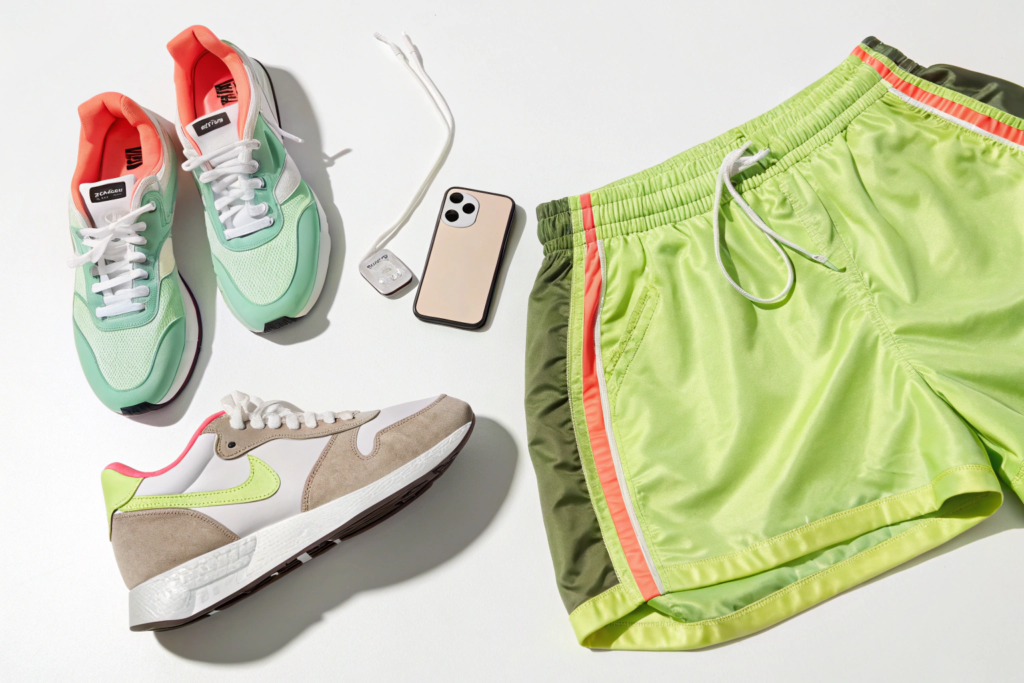
I spoke with a designer from a lifestyle brand we manufacture for. She showed me her mood board. It was filled with images of Princess Diana in her cycling shorts and oversized sweatshirts, but also images of Whitney Houston in the 80s in high-cut running shorts with a relaxed fit. The brand's spring collection built an entire narrative around "Track Club Chic." The centerpiece was a classic split-leg running short in crinkle nylon with a 3-inch inseam. They sold through 90% of their inventory in four weeks. The aesthetic was nostalgic, but the consumer was young. Gen Z was buying a silhouette they had never worn in their lives because it looked fresh to them, not retro.
How Did the Pandemic Shift Consumer Preference Toward Looser Silhouettes?
The pandemic fundamentally rewired what comfort means. Women spent two years in soft pants, loose dresses, and anything that did not compress their abdomen. When they returned to public life, they did not want to put on a tight compression short. The classic running short is loose through the thigh. It has a built-in brief that provides coverage and support without compression. The outer shell floats away from the body, allowing airflow. It is the comfortable alternative to the bike short. This behavioral shift is not temporary. Consumer surveys conducted by industry analysts like The NPD Group have documented a sustained preference for comfort-driven apparel long after lockdowns ended. The running short delivers that comfort without sacrificing style.
What Role Did Luxury Fashion Houses Play in Validating the Running Short?
Fashion trends often trickle down from the runway. When major luxury houses began showing men's and women's running shorts in their ready-to-wear collections, the silhouette gained instant cultural legitimacy. A $900 designer running short makes a $58 lifestyle-brand running short look like a smart buy. The fashion media coverage amplified the trend. Search engines picked up the queries. The consumer journey began: a woman saw a high-fashion image, googled "classic running shorts," and found a lifestyle brand offering the look at an accessible price. The cycle repeated millions of times. The influence of luxury fashion on mass-market activewear is well-analyzed by publications like The Business of Fashion, which tracks the intersection of sportswear and high fashion.
What Design Features Distinguish a Lifestyle Running Short from a Performance One?
A performance running short is built for one activity: running. It prioritizes moisture-wicking speed, minimal weight, and zero distraction. A reflective logo is essential. A phone pocket that bounces is unacceptable. The waistband is narrow to avoid heat buildup. The lifestyle running short is built for everything else. It looks like a running short. It has the same split-leg DNA. But its design details prioritize all-day comfort, aesthetic versatility, and functional utility for errands, brunch, travel, and casual walks. The difference is invisible to a customer scrolling an e-commerce image, but it is decisive in her satisfaction after wearing the short for eight hours.
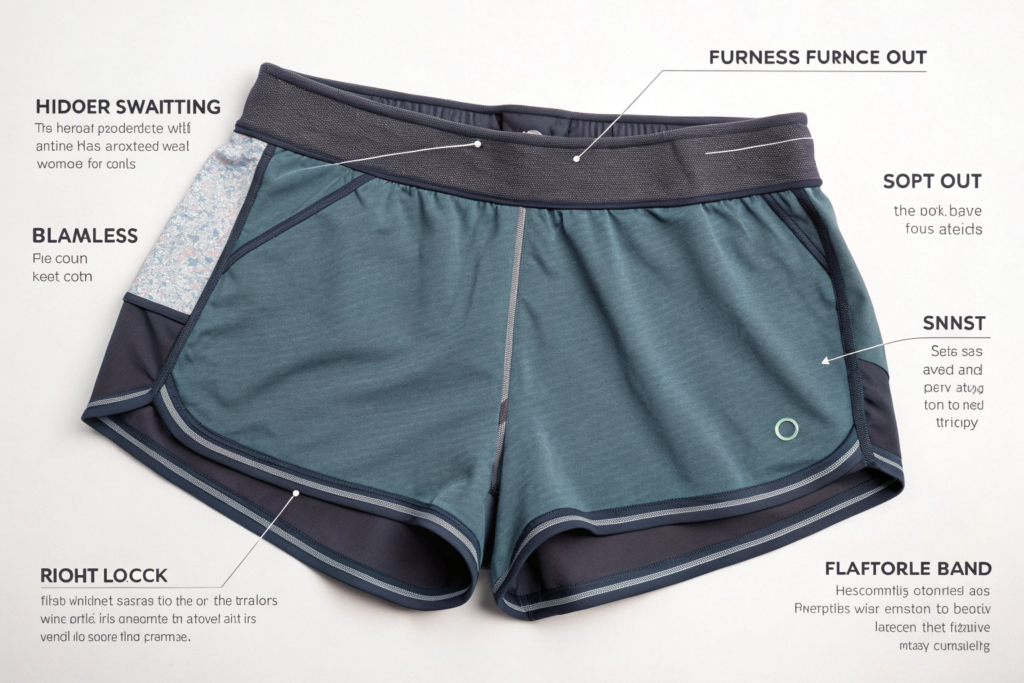
Lifestyle running shorts replace technical split-side panels and aggressive branding with soft matte fabrics, wider elastic-free waistbands, discreet secure pockets for daily essentials, and tonal colorways that pair easily with casual wardrobe staples.
A brand we developed a lifestyle runner for made a critical design choice. They replaced the performance short's standard 1-inch elastic waistband with a 2.5-inch soft knit waistband with an internal drawcord. The wider waistband distributed pressure evenly. It did not roll or dig. It looked clean under a cropped tee. The brand's customer reviews repeatedly praised the waistband comfort. The product became a best-seller not because women were running in it, but because they were living in it. The waistband was the hero feature.
Why Is the Built-In Brief Liner a Critical Component for All-Day Wear?
A performance runner often has a brief liner made from a thin, quick-dry mesh. It is designed to be worn for an hour, washed, and dried fast. For all-day wear, that thin mesh can chafe. It can feel scratchy against the skin. The lifestyle runner should have a brief liner made from a soft, cotton-rich or modal-rich jersey with a gusseted crotch for comfort and hygiene. The liner should have enough body to lay flat without bunching. The leg opening of the brief should be bound with a soft elastic that does not dig. This is the difference between a short a woman tolerates for a workout and a short she chooses to wear on a six-hour flight. The comfort engineering of intimate apparel components is a specialized field. Resources on textile comfort are available from Cotton Incorporated.
How Do Hidden Pockets Transform the Lifestyle Utility of the Short?
A woman carrying a phone, a key, and a credit card should not need a purse when she wears a lifestyle running short. The performance runner often has a tiny internal key pocket. The lifestyle runner needs a more robust solution. A hidden zip pocket on the back waistband large enough for a smartphone is ideal. An alternative is a compression-style pocket integrated into the side of the built-in brief, accessible through the shell side seam. This pocket solution keeps essentials secure against the body without bouncing. It eliminates the need for an armband or a belt bag. This single design feature expands the short's use case from "gym only" to "entire day." The value of integrated pocketing in women's apparel is a frequent topic in product design analysis from Apparel Resources.
What Fabric Technologies Offer Sweat-Wicking Without the Performance Look?
The performance running short fabric is shiny. It has a slick, technical hand feel. It whispers when you walk. It looks like gym wear because it is gym wear. The lifestyle consumer wants the sweat-wicking function without the gym aesthetic. She wants a fabric that looks and feels like cotton but behaves like a performance synthetic. This is the holy grail of lifestyle activewear textiles, and several mills have achieved it in the last five years.
Modern lifestyle running shorts utilize brushed polyester-spandex blends, matte-finish nylon, and Tencel-performance hybrids that deliver moisture-wicking and four-way stretch while maintaining a soft, natural hand feel and a subdued, non-technical appearance.
At Shanghai Fumao, we sourced a fabric last year that transformed a client's running short program. It was a 90% polyester, 10% spandex woven with a brushed peach finish on the face. From a distance, it looked like a premium cotton twill. Up close, it had a subtle, soft texture. It wicked sweat instantly. It dried in minutes. The client positioned the short as a "travel short" rather than an active short. It sold out in three colors. The fabric did the functional work of a performance synthetic while looking like a natural fiber. This is the kind of textile innovation that makes the lifestyle category viable.
What Are the Advantages of Brushed Polyester-Spandex Wovens Over Traditional Nylon Tricot?
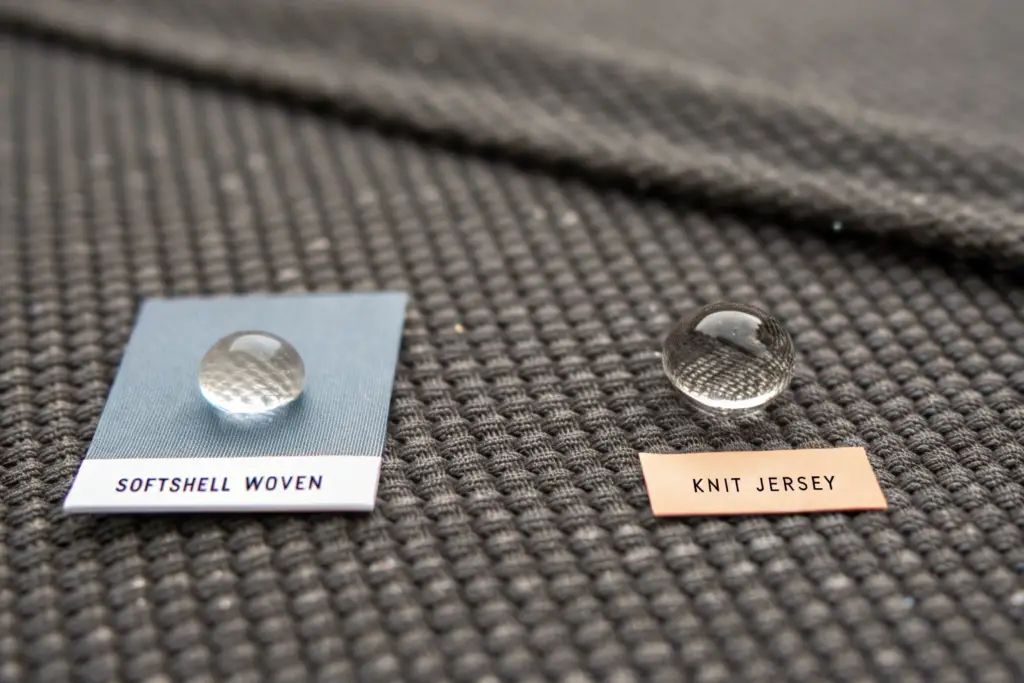
Traditional running short fabric is nylon tricot. It is shiny, lightweight, and slightly stiff. It makes the classic "swish" sound. Brushed polyester-spandex woven fabric has a mechanical finish that raises the surface fibers, creating a peach-fuzz texture. This texture eliminates the shine. It softens the hand feel. It reduces the swish sound to near silence. It also allows the fabric to drape more fluidly, which is essential for the relaxed split-leg silhouette of a lifestyle runner. The fabric still wicks sweat because the polyester base fiber is inherently hydrophobic, and the brushing process increases surface area for moisture evaporation. The performance is hidden under a natural-looking surface. Technical information on fabric finishing processes is detailed by the Textile Institute.
How Does Tencel Enhance the Sustainability Story of a Lifestyle Running Short?
The lifestyle consumer is increasingly sustainability-conscious. A short made from 100% polyester, even recycled polyester, is still a plastic garment. A Tencel-polyester blend introduces a biodegradable, wood-pulp-derived fiber into the mix. Tencel wicks moisture naturally, not through a chemical coating. It is incredibly soft against the skin. It has a natural coolness to the touch. A running short in a 70% Tencel, 25% recycled polyester, 5% spandex blend tells a much stronger sustainability story than 100% polyester. The consumer can feel the difference in the fabric. She can understand the difference in the fiber content label. This transparency builds brand trust. More data on Tencel's environmental footprint is published by the fiber's manufacturer, Lenzing Group.
How to Position and Market Classic Running Shorts for the Lifestyle Consumer?
The product is ready. The fabric is perfect. The fit is dialed in. Now you must name it and show it in a way that signals "lifestyle" rather than "performance." The marketing language, the photography context, and the retail placement all determine whether the customer perceives the short as something to sweat in or something to live in. A short called "Track Pro 5-Inch" will sell to runners. A short called "Easy Split-Hem Short" will sell to a woman who has not run a mile since high school but wants to look and feel effortless.
Successful lifestyle positioning renames the running short as a "day short," styles it with casual wardrobe pieces like linen button-downs and leather slides, and photographs it in everyday settings like farmers markets and coffee shops rather than on a track.
A brand we partnered with tested two product page headlines for the exact same short. Headline A: "Performance Split Running Short - Moisture Wicking." Headline B: "The All-Day Split Hem Short - Breathable Comfort." Headline B had a 28% higher conversion rate and a 40% lower return rate. The short was identical. The positioning changed the customer who bought it and the expectations she had when she opened the package. The performance headline attracted runners who expected a technical product and returned it when the waistband was too soft. The lifestyle headline attracted women seeking comfort, and they were delighted.
What Styling Choices in Product Photography Define the Lifestyle Category?
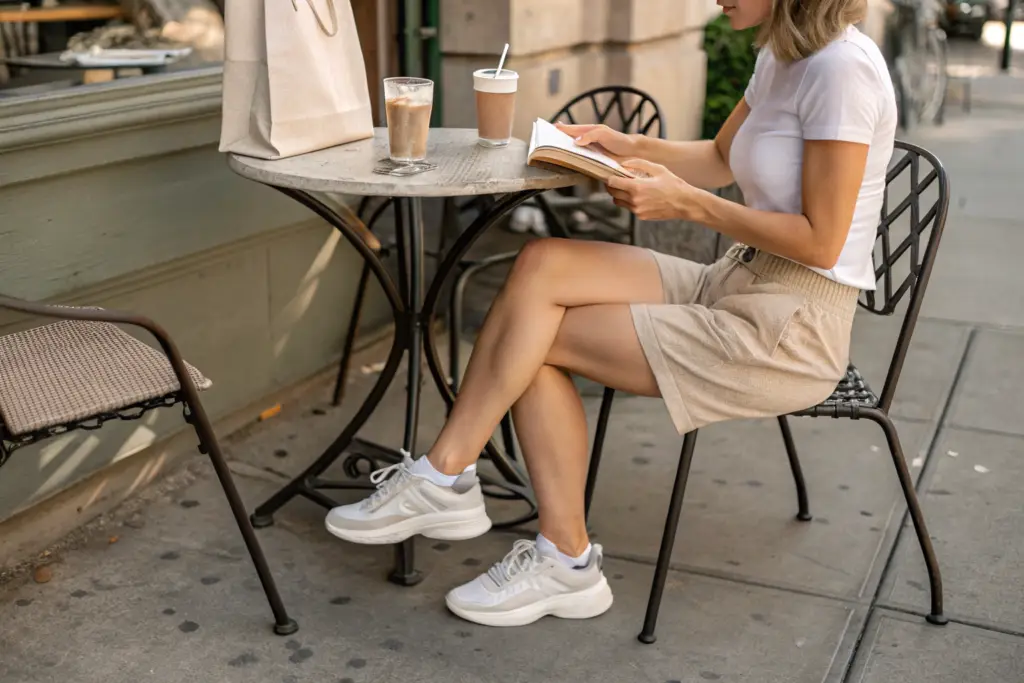
The photography context is the most powerful positioning tool. A running short photographed on a model on a track, wearing a racerback tank and performance sneakers, is a performance product. The same short photographed on a model walking through a city park, wearing a relaxed linen shirt and simple leather sandals, is a lifestyle product. The product is unchanged. The meaning is transformed. I advise brands to shoot their lifestyle running shorts in at least three non-athletic contexts: a casual urban setting, a travel setting like an airport or train station, and a relaxed home setting. This visual range tells the customer the short belongs in her actual life, not just in her gym bag. Consumer research on the impact of contextual product imagery is available from The National Retail Federation.
How Should You Name and Describe the Short to Attract the Lifestyle Buyer?
The name should evoke a feeling or a use occasion, not a sport. "Sunday Short." "Breeze Short." "Daybreak Short." The product description should lead with comfort, ease, and versatility. "Designed for your longest walk, your laziest brunch, and your spontaneous travel days." Mention the technical features—moisture-wicking, four-way stretch, hidden pocket—as supporting benefits, not as the headline. The lifestyle buyer needs permission to wear an active-inspired short for non-active purposes. The language gives her that permission. Keyword research tools like Google Trends can help identify the exact phrases lifestyle consumers use when searching for this category. Terms like "comfortable shorts for walking," "breathable summer shorts," and "shorts with pockets for travel" are high-volume lifestyle search queries.
Conclusion
The classic running short for women has completed its journey from the track to the street. It is no longer just a piece of athletic equipment. It is a legitimate, commercially proven lifestyle category with strong search demand, healthy margins, and a growing consumer base. The bike short had its moment, and it will remain a staple for some. But the running short offers something the bike short cannot: airflow, ease, and a silhouette that does not demand a perfect body to feel confident.
For lifestyle brands, this is an open goal. The supply chain for running shorts is mature. The fabrics are available in lifestyle-appropriate finishes. The design tweaks—softer waistbands, hidden pockets, matte fabrics, cotton-rich liners—are well-understood and inexpensive to implement. The marketing pivot is as simple as changing the location of a photoshoot and the adjectives in a product description. The product is ready. The consumer is searching for it. The brand that serves her the right short, in the right fabric, with the right story, will win her loyalty.
If your brand is considering adding a classic running short to your lifestyle collection, or if you already have one and want to upgrade the fabric and fit, I invite you to discuss it with us. At Shanghai Fumao, we have developed lifestyle running shorts for multiple US brands and have a library of approved fabrics that deliver performance without the performance look. Contact our Business Director, Elaine, at elaine@fumaoclothing.com to request a fabric swatch kit and a sample costing for your target design. Let's build the short your customer will live in all summer.