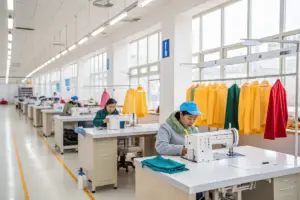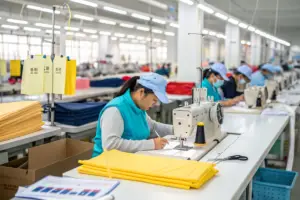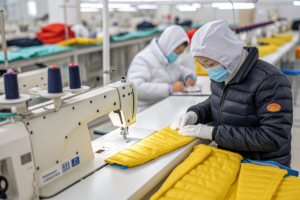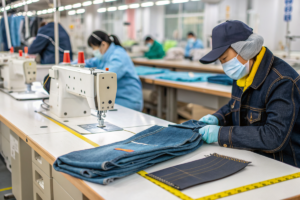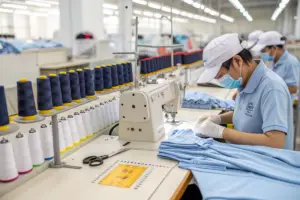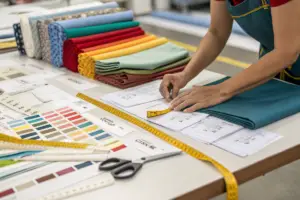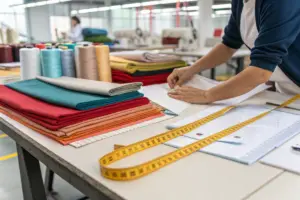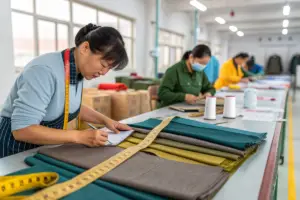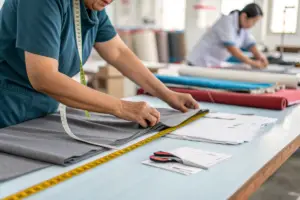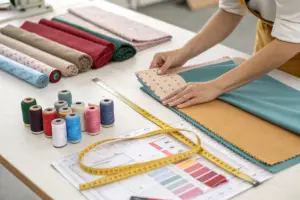
Last September, I walked through the fabric sourcing hall at a major textile trade show in Shanghai. Every mill, from the smallest specialty weaver to the largest integrated textile group, was showing sustainable viscose. The fabric racks that three years ago were dominated by conventional polyester and standard viscose were now filled with LENZING ECOVERO, TENCEL Lyocell, and recycled viscose blends. The shift was not subtle. It was a wholesale transformation of the supply side. The mills were not pushing sustainable viscose because they had suddenly become environmentally conscious. They were pushing it because the buyers, the brands, and ultimately the end consumers were demanding it. The 2026 summer coat season will be the season that sustainable viscose transitions from a niche differentiator to a market expectation. The brands that are not developing sustainable viscose coats for 2026 will be conspicuously absent from the conversation.
Sustainable viscose is trending as a fabric for women's 2026 coats because it sits at the intersection of three powerful market forces. First, the consumer demand for sustainable fashion has reached a tipping point where sustainability claims influence purchase decisions, particularly among the millennial and Gen Z demographics that dominate the contemporary women's coat market. Second, the supply of sustainable viscose has matured. The major fiber producers, led by Lenzing with its ECOVERO and TENCEL brands, have scaled production, reduced costs, and achieved widespread mill adoption, making sustainable viscose accessible to mid-market brands, not just luxury labels. Third, the performance characteristics of sustainable viscose, its fluid drape, its breathability, its color vibrancy, its soft hand feel, are ideally suited to the lightweight, unlined, drape-forward silhouettes that are dominating the 2026 summer coat trend forecasts. At Shanghai Fumao, we have integrated sustainable viscose fabrics into our core fabric library. We offer LENZING ECOVERO twills, TENCEL Lyocell blends, and recycled viscose options as standard choices for our clients' summer coat collections.
The sustainable viscose trend is not a passing marketing fad. It is a structural shift in the textile supply chain that will define the premium and contemporary women's coat market for the next decade. The brands that understand the fiber, its supply chain, and its marketing value will capture the customer's willingness to pay a premium for sustainability. Let me walk through exactly what sustainable viscose is, why it matters, and how to source it effectively.
What Exactly Is Sustainable Viscose And How Is It Made?
Viscose, also called rayon, is a regenerated cellulose fiber made from wood pulp. The wood pulp is dissolved in chemicals, extruded through spinnerets, and solidified into fibers. Conventional viscose production has significant environmental problems. The wood pulp is often sourced from ancient and endangered forests. The chemical process uses carbon disulfide, which is toxic to workers and the environment if not properly contained. The water consumption is high, and the wastewater, if untreated, pollutes rivers and groundwater. Sustainable viscose addresses these problems through certified wood sourcing, closed-loop chemical processing, and wastewater treatment.
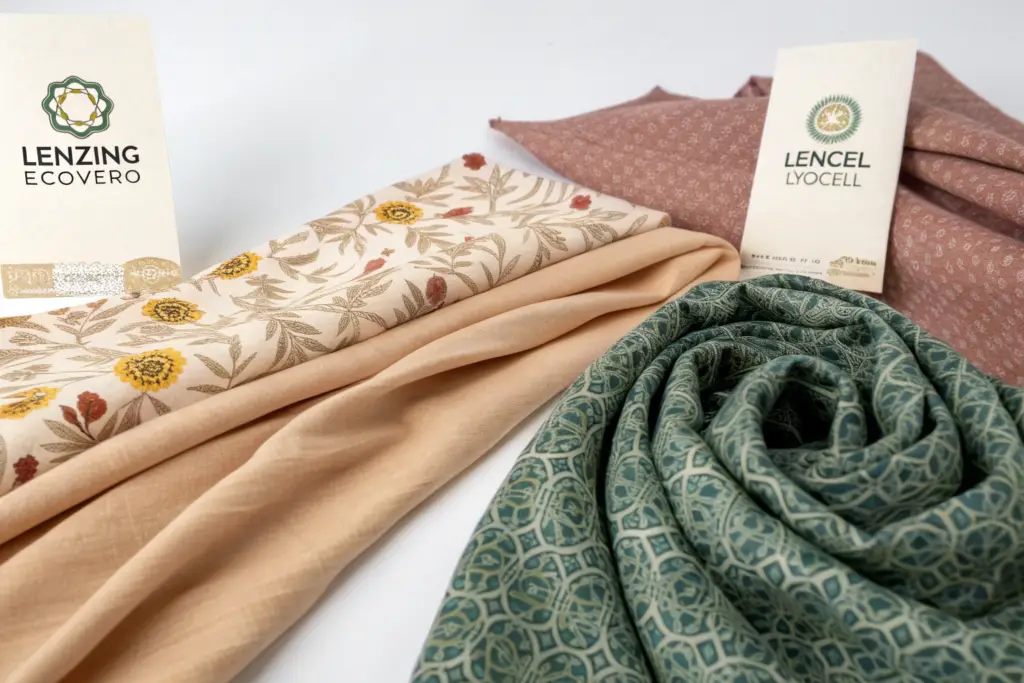
Sustainable viscose is viscose fiber that is produced under a certification standard that verifies responsible wood sourcing, environmentally sound manufacturing, and social responsibility at the production facility. The two dominant certifications are LENZING ECOVERO, a branded viscose fiber produced by Lenzing AG from certified renewable wood sources using a manufacturing process that meets the high standards of the EU Ecolabel, and TENCEL Lyocell, also from Lenzing, which uses a closed-loop organic solvent process that recovers and reuses more than 99% of the solvent. Other certifications include FSC-certified viscose, which verifies that the wood pulp comes from responsibly managed forests, and recycled viscose, which is made from pre-consumer or post-consumer viscose waste. At Shanghai Fumao, we source sustainable viscose fabrics from mills that use LENZING-certified fibers and that can provide the chain-of-custody documentation to verify the fiber's sustainability claims.
The difference between conventional viscose and certified sustainable viscose is not visible to the naked eye. The fibers look the same. The fabrics feel the same. The difference is in the supply chain, the manufacturing process, and the environmental impact. That difference is documented by certifications, and it is those certifications that give the brand the right to make sustainability claims on the hang tag.
What Are The Environmental Certifications That Verify Sustainable Viscose?
Environmental certifications are the documentation that substantiates a fabric's sustainability claims. Without certifications, the claim of sustainability is unverifiable, and in many jurisdictions, including the European Union and the United States, unverifiable environmental claims are considered greenwashing and can result in regulatory penalties and consumer backlash. The certifications are the brand's evidence that the sustainability claim is real.
The key environmental certifications for sustainable viscose are as follows. LENZING ECOVERO certification: this is a branded fiber certification. The Lenzing Group produces the ECOVERO fiber and licenses the brand name and the certification label to fabric mills and garment brands that use the fiber. The certification verifies that the fiber is produced from certified renewable wood sources, manufactured with 50% lower water impact and 50% lower CO2 emissions compared to generic viscose, and meets the EU Ecolabel standards. TENCEL Lyocell certification: also a Lenzing brand, TENCEL Lyocell is produced using a closed-loop solvent process. The certification verifies the closed-loop production and the responsible wood sourcing. FSC, Forest Stewardship Council certification: this certifies that the wood pulp used to produce the viscose comes from forests that are managed to FSC's environmental, social, and economic standards. FSC certification can apply to the wood source for any viscose fiber, not just Lenzing fibers. OEKO-TEX Standard 100 certification: this certifies that the finished fabric has been tested for harmful substances and is safe for human use. It is not a sustainability certification per se, but it is often required alongside sustainability certifications by brands and retailers. GRS, Global Recycled Standard certification: this certifies recycled content, including recycled viscose, and verifies the chain of custody from the recycler to the finished product. The sustainable textile certifications for apparel brands are the language of sustainability in the industry. The brand that understands the certifications can make credible claims. The brand that does not risks making claims that cannot be substantiated.
How Does The Closed-Loop Lyocell Process Differ From Conventional Viscose Production?
The production processes for conventional viscose and TENCEL Lyocell are chemically and environmentally distinct. The difference is not incremental. It is a fundamental difference in manufacturing technology. Understanding this difference allows a brand to explain to its customers why a Lyocell coat commands a premium price and a sustainability claim.
Conventional viscose production uses the xanthation process. Wood pulp is treated with sodium hydroxide, then with carbon disulfide to form cellulose xanthate. The cellulose xanthate is dissolved in more sodium hydroxide to form a spinning solution. The solution is extruded through spinnerets into a bath of sulfuric acid, which regenerates the cellulose into solid fibers. The carbon disulfide is a toxic chemical. In modern, well-regulated viscose plants, the carbon disulfide is captured and recycled. In older, unregulated plants, it is released into the air and the wastewater. The Lyocell process, used to produce TENCEL, uses an organic solvent called N-methylmorpholine N-oxide, NMMO. The wood pulp is dissolved directly in the NMMO solvent. The solution is extruded through spinnerets, and the fibers are precipitated in a dilute NMMO bath. The NMMO solvent is recovered, purified, and recycled in a closed loop. More than 99% of the solvent is recovered and reused. The process uses no carbon disulfide. The water consumption is lower. The environmental impact is substantially lower. The Lyocell process is the gold standard for sustainable regenerated cellulose fiber production. The Lyocell vs viscose production process comparison is a technical distinction with significant marketing value. A brand that uses TENCEL Lyocell in its summer coats can credibly claim the highest level of environmental performance in the viscose category.
Why Are Designers Choosing Sustainable Viscose For The 2026 Summer Coat Silhouette?
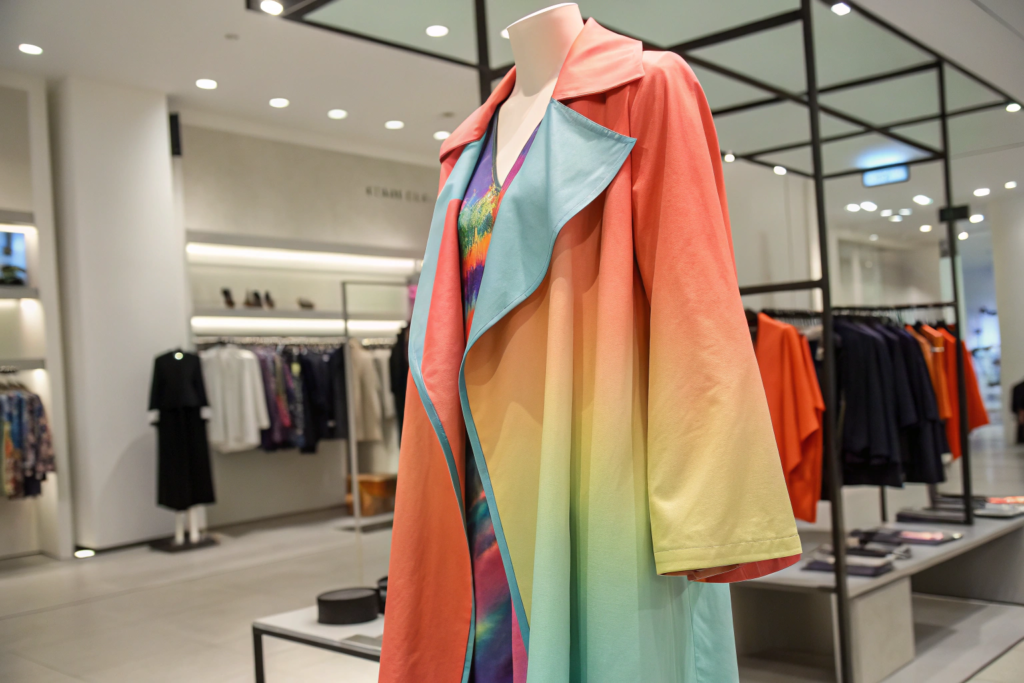
The 2026 summer coat trend forecasts, from WGSN, from the runway, and from our own AI-driven trend analysis, are converging on a silhouette that is soft, fluid, drapey, and unconstructed. The structured, tailored blazer of the early 2020s is giving way to a relaxed, elongated duster, a soft kimono jacket, and a drape-front trench. This silhouette demands a fabric with specific properties: fluid drape, lightweight body, soft hand feel, and vibrant color absorption. Sustainable viscose and Lyocell deliver these properties more effectively than any other fiber at a comparable price point.
Designers are choosing sustainable viscose for the 2026 summer coat silhouette because the fiber's inherent properties align perfectly with the trend direction. Viscose and Lyocell have a natural fluidity and drape that cotton and linen cannot match. The fabric moves with the body rather than standing away from it. The fiber takes dye exceptionally well, producing colors that are more vibrant and saturated than the same colors on cotton or polyester. The hand feel is cool, smooth, and silky, which is exactly the sensory experience that the customer expects from a premium summer layering piece. And the fiber is breathable and moisture-absorbent, making it comfortable to wear in warm weather. These performance attributes, combined with the sustainability story, make sustainable viscose the fabric of choice for the 2026 summer coat collection. At Shanghai Fumao, we have developed a range of sustainable viscose and Lyocell fabrics specifically for the drape-forward summer coat silhouettes that our trend analysis indicates will dominate the 2026 season.
The fabric and the silhouette are not independent design decisions. They are two halves of the same product. A soft, fluid silhouette requires a soft, fluid fabric. A structured, tailored silhouette requires a structured, crisp fabric. The 2026 trend toward softness and fluidity is a trend toward viscose and Lyocell.
What Are The Performance Characteristics Of Viscose Twill For Lightweight Outerwear?
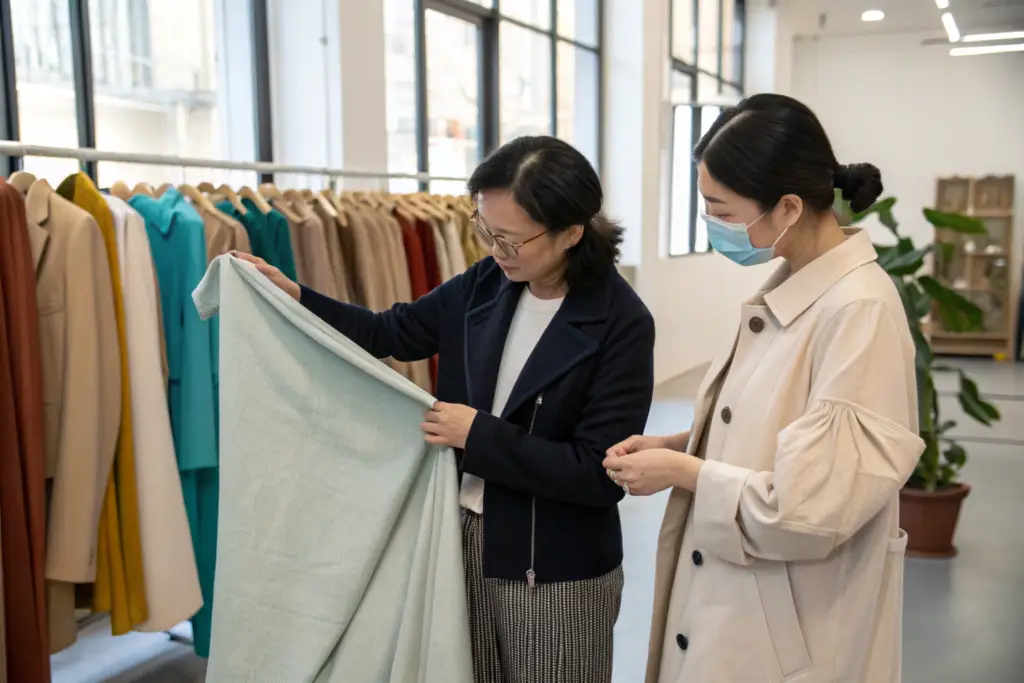
Viscose twill is a woven fabric with a distinctive diagonal rib texture, created by the twill weave structure. The twill construction gives the fabric more body and durability than a plain-weave viscose, making it suitable for outerwear while retaining the viscose fiber's fluid drape and soft hand feel. The performance characteristics of a well-constructed viscose twill are ideally matched to the requirements of a lightweight summer coat.
The key performance characteristics of viscose twill for lightweight outerwear are as follows. Drape: viscose twill has a fluid, liquid-like drape that skims the body without clinging or adding bulk. This is the characteristic that makes it ideal for the soft, elongated silhouettes trending for 2026. Hand feel: the fabric feels cool, smooth, and silky against the skin. For an unlined summer coat worn over bare arms, this tactile quality is essential. Breathability: viscose is a regenerated cellulose fiber, and like cotton and linen, it breathes. It absorbs moisture and allows it to evaporate, keeping the wearer comfortable in warm weather. Color vibrancy: viscose absorbs dye deeply and evenly, producing colors that are richer and more saturated than the same dye on cotton. A sage green viscose twill is visibly more vibrant than a sage green cotton twill. Weight: viscose twills for summer outerwear typically range from 150 to 200 GSM. This weight provides enough body for a coat without being heavy or hot. The fabric performance characteristics for summer outerwear are the technical foundation of the design. The brand that understands the performance characteristics can select the right fabric for the intended silhouette and can communicate the fabric's benefits to the customer.
How Does The Drape Of Lyocell Enhance The Unstructured Coat Trend?
The unstructured coat is the defining silhouette of the 2026 summer outerwear season. It has no shoulder pads, no chest canvas, no stiff interfacing, and often no lining. The coat relies entirely on the fabric's inherent body, drape, and movement to create its shape. The wrong fabric on an unstructured coat looks limp and shapeless. The right fabric looks effortless and elegant. Lyocell is the right fabric.
Lyocell's drape is distinctive. It is heavier and more liquid than the drape of conventional viscose. A Lyocell twill hangs from the shoulders in a smooth, continuous fall, without the stiffness that creates a tent-like silhouette or the limpness that creates a sack-like silhouette. The fabric has enough body to hold the intended shape of the coat, but enough fluidity to move gracefully with the wearer's body. This combination of body and fluidity is rare in fabrics at the Lyocell price point. Silk has it, but silk is expensive and delicate. High-quality conventional viscose has it, but not to the same degree, and without the sustainability certification. The Lyocell unstructured coat looks intentional, not accidental. The customer perceives the soft, fluid silhouette as a design choice, not as a lack of structure. The fabric drape and its impact on garment silhouette is a technical property that designers evaluate when selecting fabrics for specific garment types. Lyocell's drape profile makes it the fabric of choice for the unstructured summer coat trend.
How Should You Market Sustainable Viscose Coats To US Consumers?
The US consumer's relationship with sustainability is different from the European consumer's. The European consumer is more likely to be motivated by the environmental impact of the product. The US consumer is more likely to be motivated by the personal benefit of the product, the softness, the comfort, the quality, with sustainability as an added value that reinforces the purchase decision but does not drive it alone. The marketing strategy for sustainable viscose coats in the US market must lead with the product benefits and support with the sustainability story.
You market sustainable viscose coats to US consumers by leading with the sensory and performance benefits that the customer experiences directly: the silky softness, the fluid drape, the breathable comfort, the vibrant color. These are the benefits that the customer can feel in the fitting room and experience while wearing the coat. The sustainability story is presented as the reason the coat performs so well. The coat is not soft despite being sustainable. It is soft because it is sustainable. The clean manufacturing process preserves the fiber's natural properties. The responsible wood sourcing ensures the long-term availability of the raw material. The closed-loop production reflects the brand's commitment to doing things the right way. At Shanghai Fumao, we provide our brand clients with the certification documentation and the fiber origin story that supports the sustainability marketing claim. We also provide the performance data, the fabric test results, the care instructions, that support the product quality claim.
The US consumer is not skeptical of sustainability. She is skeptical of marketing claims that cannot be substantiated. The brand that leads with the product experience and supports it with credible, specific sustainability claims earns her trust and her purchase.
What Hang Tag Messaging Communicates Sustainability Effectively?
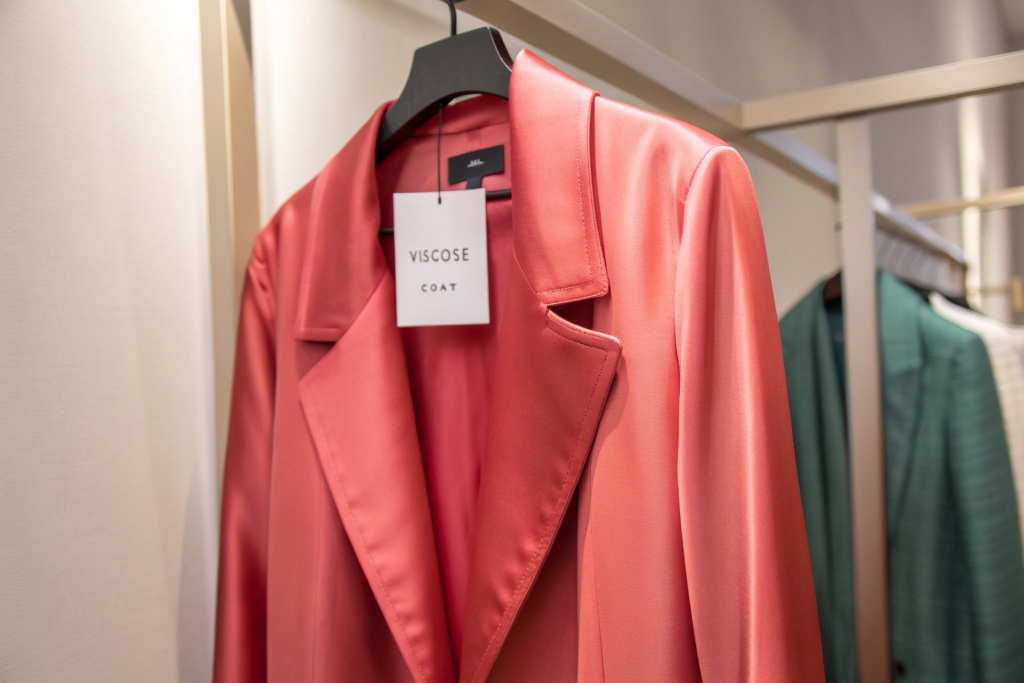
The hang tag is the primary communication vehicle for the sustainability message at the point of sale. It is the one piece of marketing material that every customer sees and touches. The hang tag messaging must be specific, credible, and benefit-oriented. Generic claims like "eco-friendly" or "green" are meaningless and may even trigger skepticism. Specific claims backed by certifications are persuasive.
Effective hang tag messaging for a sustainable viscose coat includes the fiber brand and the certification. "Made with LENZING ECOVERO Viscose" is a specific, credible claim. The Lenzing brand name carries recognition among informed consumers and provides a verification reference. The environmental benefit, quantified. "This coat is made from certified renewable wood sources, produced with 50% lower carbon emissions and 50% less water than generic viscose." The quantified benefit is more persuasive than a general claim. The personal benefit to the customer. "The ECOVERO fiber gives this coat its exceptionally soft hand feel and fluid drape." The customer understands why the sustainable choice is better for her, not just for the planet. The care instruction with the sustainability context. "Machine wash cold, hang to dry. Gentle care preserves the fabric's beauty and reduces energy consumption." The care instruction connects the customer's behavior to the sustainability outcome. The QR code for verification. A QR code that links to a landing page with the certification details, the fiber origin story, and the brand's broader sustainability commitment. The QR code provides transparency for the customer who wants to go deeper. The sustainability messaging on fashion hang tags should follow the FTC Green Guides in the US market, which require that environmental marketing claims be truthful, not misleading, and substantiated by competent and reliable evidence.
How Do You Justify A Premium Price Point For Sustainable Outerwear?
The sustainable viscose coat has a higher landed cost than a conventional viscose coat. The LENZING-certified fiber commands a premium over generic viscose. The certified mill that produces the fabric charges a premium over an uncertified mill. The brand's decision to use sustainable materials adds $1.50 to $3.00 to the landed cost per unit. That cost premium must be passed on to the customer in the retail price, or absorbed by the brand's margin. The brand that passes on the premium must justify it to the customer.
The premium price point for a sustainable viscose coat is justified by three value propositions that the customer understands. First, the quality proposition. The sustainable viscose coat feels better, drapes better, and lasts longer than a conventional alternative. The closed-loop Lyocell process preserves the fiber's natural strength and softness. The certified mill's quality standards are higher. The customer pays more for a better product. Second, the values proposition. The customer who cares about environmental impact is willing to pay a premium for a product that aligns with her values. The premium is not just for the coat. It is for the assurance that the coat was made responsibly. Third, the exclusivity proposition. The sustainable viscose coat is different from the conventional coats on the market. It is part of a curated selection of products that reflect a conscious lifestyle. The premium price signals this exclusivity. The pricing strategy for sustainable fashion products must be grounded in the customer's perceived value. The customer who does not perceive the value will not pay the premium. The brand's marketing must create the perception before the price can be justified.
How Does Sourcing Sustainable Viscose Impact The Supply Chain Timeline?
Sustainable viscose fabrics are not as widely available as conventional viscose fabrics. The number of mills producing certified LENZING ECOVERO or TENCEL Lyocell fabrics, while growing rapidly, is still a fraction of the mills producing generic viscose. The lead times for sustainable fabrics can be longer. The minimum order quantities can be higher. The brand that wants to source sustainable viscose for a summer coat collection must plan further ahead and build more buffer into the development timeline.
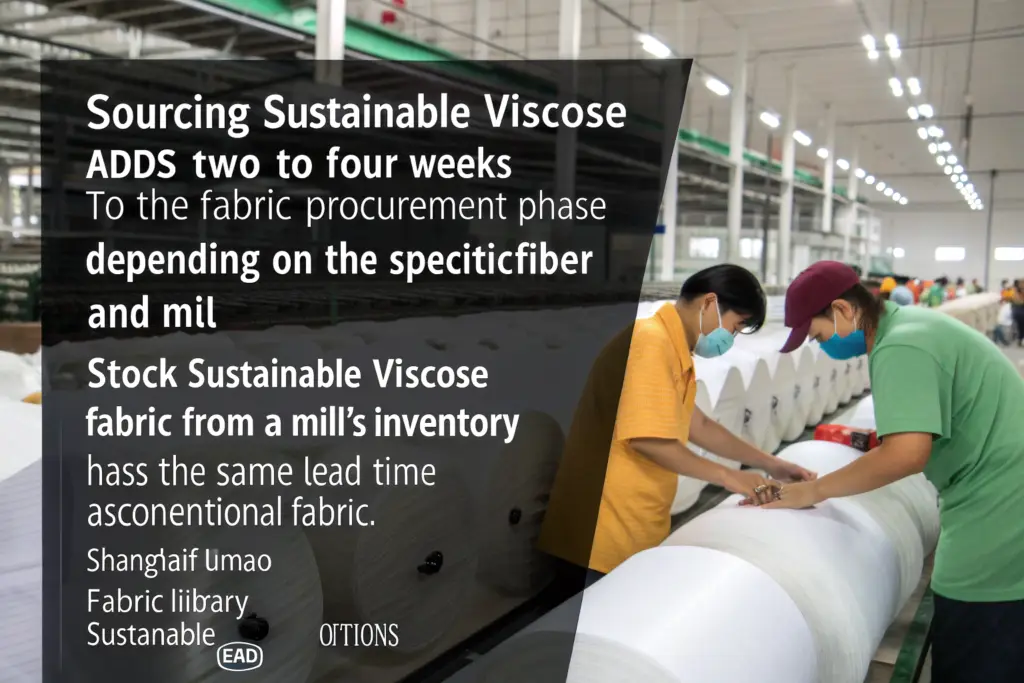
Sourcing sustainable viscose impacts the supply chain timeline by adding approximately two to four weeks to the fabric procurement phase, depending on the specific fiber and the mill. A stock sustainable viscose fabric from a mill's inventory may have the same lead time as a conventional fabric. A custom-developed sustainable viscose fabric, with a specific weight, finish, or color, may require four to six weeks longer than a conventional equivalent because the certified fiber must be ordered from Lenzing, the spinning and weaving capacity is more constrained, and the finishing process must comply with the certification standards. At Shanghai Fumao, we mitigate the sustainable fabric lead time impact by stocking a range of sustainable viscose fabrics in our fabric library. Our clients can select from our stocked options and avoid the custom development lead time. We also place forward orders for sustainable fibers based on our forecast of client demand, which reduces the lead time for custom developments.
The brand that plans its sustainable viscose coat collection in September for a May delivery has ample time to navigate the longer lead times. The brand that decides in February to switch to sustainable viscose for a May delivery will struggle. The supply chain for sustainable materials rewards early planning and punishes last-minute decisions.
What Is The Availability Of LENZING ECOVERO Fabrics Compared To Conventional Viscose?
The availability of LENZING ECOVERO fabrics has improved dramatically in the last three years but still lags behind conventional viscose. The improvement is driven by Lenzing's expansion of production capacity, the increasing number of mills that have qualified to produce ECOVERO fabrics, and the growing demand from brands that is pulling supply through the chain. The gap is closing rapidly, but it still exists.
In 2025, a brand sourcing a conventional viscose twill at 160 GSM in a standard color from a Chinese mill can typically source from dozens of mills, with lead times of 15 to 25 days, and minimum order quantities as low as 500 meters per color. A brand sourcing an equivalent LENZING ECOVERO twill can source from a smaller but growing pool of certified mills, with lead times of 20 to 35 days, and minimum order quantities that may be slightly higher, 800 to 1,000 meters per color. The TENCEL Lyocell availability is somewhat more constrained than ECOVERO, with fewer mills producing Lyocell woven fabrics for outerwear, but the trajectory is the same: increasing availability, decreasing lead times, and decreasing cost premiums. The supply and availability of sustainable textile fibers is a dynamic landscape. The brand that sources through a factory with established relationships with certified mills, like Shanghai Fumao, has better access and shorter lead times than a brand that attempts to source directly.
How Can A Factory's Stocked Fabric Library Reduce The Lead Time For Sustainable Options?
A factory's stocked fabric library is a physical inventory of fabrics that the factory has pre-purchased and holds in its warehouse, available for immediate use in client orders. The stocked library eliminates the fabric procurement lead time entirely. The client selects a fabric from the library, and the fabric is on the cutting table within days, not weeks.
For sustainable viscose fabrics, a stocked library is particularly valuable because it addresses the two main supply chain friction points: the longer lead time and the higher minimum order quantity. The factory absorbs the lead time by ordering the fabric before the client places an order. The factory absorbs the MOQ by purchasing the fabric in bulk and selling it to multiple clients in smaller quantities. At Shanghai Fumao, we have invested in building a stocked library of sustainable viscose fabrics that includes LENZING ECOVERO twills, TENCEL Lyocell blends, and recycled viscose options in a range of weights, weaves, and core colors. Our clients can select from the library for their summer coat collections with zero fabric lead time and no fabric MOQ constraint. The stocked library also enables the rapid sampling and small-batch production that the ODM and hybrid ODM-OEM models require. A client who wants to test the market with a small run of 200 sustainable viscose coats can do so from our stocked library without paying the premium that a custom mill order would require. The stocked fabric programs for sustainable apparel production are a service that more factories are beginning to offer as sustainable fabric demand grows. The factory that invests in a sustainable fabric library provides a valuable bridge between the mills' large-scale production model and the brands' need for flexibility and speed.
Conclusion
Sustainable viscose is not a trend that will fade after the 2026 season. It is the new baseline for premium and contemporary women's outerwear. The convergence of consumer demand, supply-side maturation, and favorable product performance characteristics has created a moment where sustainable viscose is the right fabric for the right silhouette at the right time. The brands that embrace it for their 2026 summer coat collections will be positioned as leaders. The brands that ignore it will be playing catch-up in 2027.
The brand that wants to capitalize on the sustainable viscose trend must do three things well. It must source the fabric from a certified supply chain and obtain the documentation to substantiate its sustainability claims. It must design the coat to leverage the fabric's inherent properties, the fluid drape, the soft hand feel, the vibrant color, and align the design with the unstructured, drape-forward silhouette trend. It must market the coat effectively to the US consumer, leading with the product experience and supporting with the credible, specific sustainability story. These three capabilities, sourcing, design, and marketing, are the formula for a successful sustainable viscose summer coat program.
At Shanghai Fumao, we have invested in the sustainable viscose supply chain so our clients do not have to navigate it alone. Our stocked fabric library includes LENZING ECOVERO and TENCEL Lyocell options that are available for immediate sampling and production. Our merchandising team can provide the certification documentation that supports the sustainability claims on the hang tag. Our pattern-making team understands how to design for the drape and fluidity of sustainable viscose fabrics. We are not just a factory that can sew sustainable viscose. We are a partner that can help you build a sustainable viscose coat program from concept to delivery.
If you are planning your 2026 summer coat collection and want to explore sustainable viscose options, contact our Business Director, Elaine, at elaine@fumaoclothing.com. Ask her about our sustainable fabric library, our LENZING ECOVERO and TENCEL Lyocell options, and the certification documentation we provide. The 2026 season will be the season of sustainable viscose. The time to start developing is now.