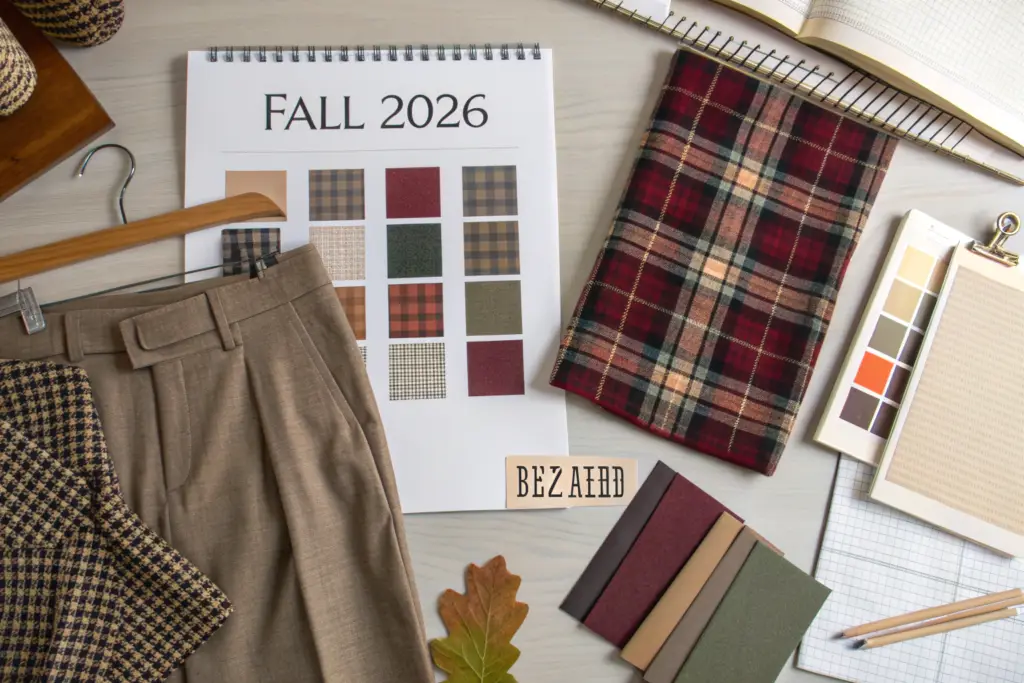
I remember sitting in a buying meeting with a New York boutique owner about five years ago. She had taken a chance on a small run of plaid shorts for her fall collection, a beautiful muted tartan in a tailored silhouette. She was nervous. Plaid shorts were not trending. Fashion magazines were not featuring them. Influencers were not wearing them. She ordered cautiously, a conservative quantity, and she braced for a slow sell-through. What happened surprised both of us. The plaid shorts sold out in ten days. Customers came in asking specifically for them. The boutique owner reordered, but the fabric was gone, and the season was too short for a second production run. She left money on the table, and she called me afterward to say, "Next time, I am trusting my instincts, not the trend reports." I have thought about that conversation a lot as I watch the early signals for Fall 2026.
Classic plaid shorts for women are positioned to be a strong inventory investment for Fall 2026 because the convergence of three powerful market forces, the ongoing heritage and prep fashion revival that has already restored plaid to prominence in skirts, blazers, and trousers, the Fall 2026 color and pattern forecast that points toward a shift from solid neutrals to textured, patterned bottoms, and the proven historical performance of plaid shorts as a high-margin, low-return category when executed in the correct fabric weights and color palettes, suggests that early investment in a well-edited plaid shorts collection will capture a trend on its upslope.
At Shanghai Fumao, I watch trends not by reading fashion magazines but by watching what fabrics our mills are booking, what samples our brand clients are requesting, and what categories are quietly building volume before they appear on any runway or trend report. The plaid short is a cyclical category. It comes back every few years, and the brands that recognize the early signals and commit before the market is saturated are the brands that capture the margin. Let me walk you through the evidence, the manufacturing considerations, and the commercial strategy for making plaid shorts a profitable part of your Fall 2026 inventory plan.
What Trend Signals Point to a Plaid Resurgence for Fall 2026?
Trends do not emerge from nowhere. They build slowly, accumulating signals across multiple channels, before they reach the tipping point where they appear to have arrived fully formed. The brands that wait for the trend to be obvious on Instagram and in retail windows have already missed the sourcing window. The brands that read the early signals are the ones that have inventory ready when demand surges. For plaid shorts, the early signals for a Fall 2026 resurgence are already visible, and they are coming from multiple independent sources.
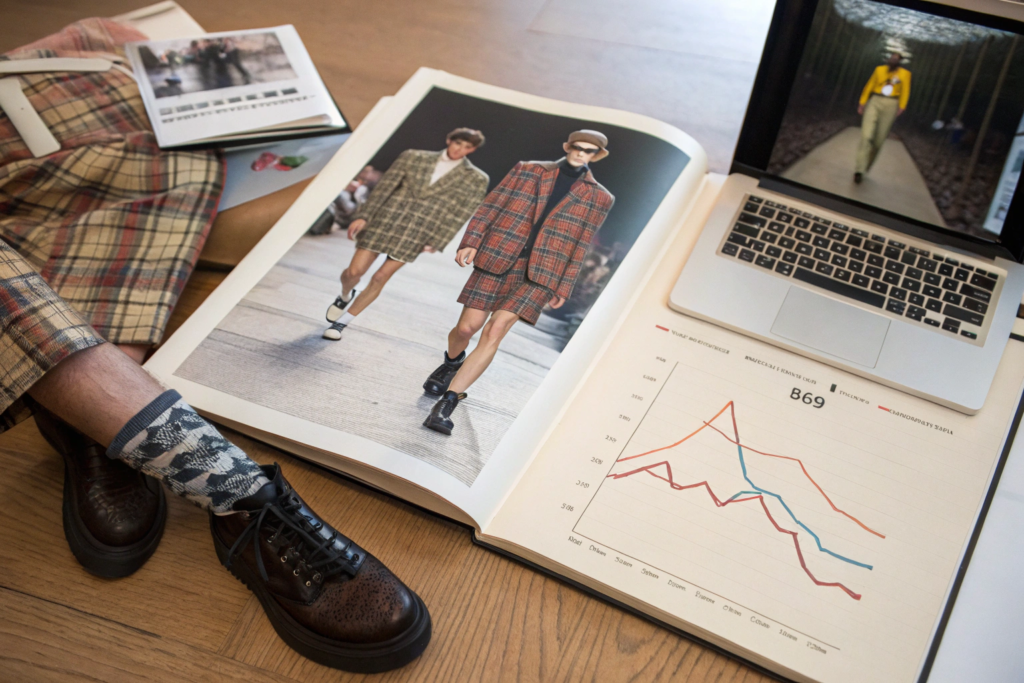
The signals pointing to a plaid resurgence for Fall 2026 include a macro fashion cycle shift toward heritage and prep aesthetics that has been building since 2023 and is projected to peak in the 2025-2027 window, specific runway and designer collection evidence from the Fall 2025 shows that featured plaid prominently in bottoms categories, early adopter brand sell-through data from Fall 2024 and 2025 that shows plaid shorts outperforming inventory projections, and social media trend data showing a measurable increase in plaid-related fashion searches and saves on platforms like Pinterest and TikTok.
How Is the Broader Heritage Fashion Cycle Driving Plaid Demand?
Fashion moves in pendulum swings between minimalism and maximalism, between sleek modernity and nostalgic heritage. The current pendulum is swinging decisively toward heritage. The prep revival, the return of traditional tailoring, the resurgence of brands like Barbour and Ralph Lauren, and the mainstreaming of the "old money" aesthetic are all expressions of this broader cycle.
Plaid is the pattern language of heritage fashion. Tartan, glen check, houndstooth, and windowpane are visual signifiers of tradition, craftsmanship, and a connection to textile history that resonates with consumers seeking authenticity and quality in an era of disposable fast fashion. The plaid skirt and the plaid blazer have already been restored to fashion relevance. The plaid short is the logical next expansion of the trend into the bottoms category for the transitional and early fall season. This heritage fashion trend cycle analysis is supported by the historical pattern of how pattern trends move through garment categories. A pattern gains legitimacy in accessories and outerwear, then moves to statement pieces like skirts and blazers, and finally expands into the broader bottoms category, including shorts. The plaid short is arriving at the bottom of this cascade, which is precisely when the commercial volume opportunity is largest.
What Specific Fall 2026 Color and Pattern Forecasts Support Plaid?
The color forecasting agencies, Pantone, WGSN, and Coloro, have released their early Fall 2026 palettes. The common thread across these forecasts is a movement away from the muted, solid neutrals that have dominated recent seasons and toward richer, warmer, and more complex color stories. The forecasted colors, spiced burgundies, forest greens, golden camels, and deep teals, are the exact colors that appear in traditional plaid patterns.
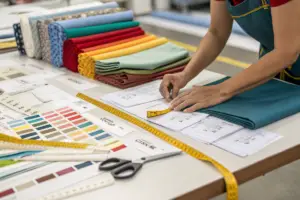
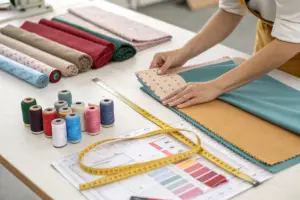
Plaid is uniquely suited to this palette because a single plaid fabric incorporates multiple colors from the seasonal palette simultaneously, creating a complex, layered visual that is more interesting than a solid bottom. The pattern forecasters are also pointing toward a revival of texture and pattern in bottoms, reversing the multi-year dominance of solid denim and solid twill. A fashion color trend report Fall 2026 would typically highlight these shifts toward complexity. The alignment between the color forecast, the pattern forecast, and the macro heritage trend creates a rare convergence of independent signals pointing in the same direction. This kind of triangulation is what professional buyers look for when making seasonal inventory commitments.
Which Plaid Patterns and Colorways Will Drive Sell-Through?
Not all plaid is created equal, and not all plaid shorts will sell. The difference between a plaid short that performs as a top-selling SKU and a plaid short that ends up on the clearance rack is the specific pattern and color combination. The consumer who buys a plaid short is making a bolder, more intentional purchase than the consumer who buys a solid khaki short. The pattern must be desirable enough to motivate that purchase, but not so aggressive that it limits outfit pairing options.
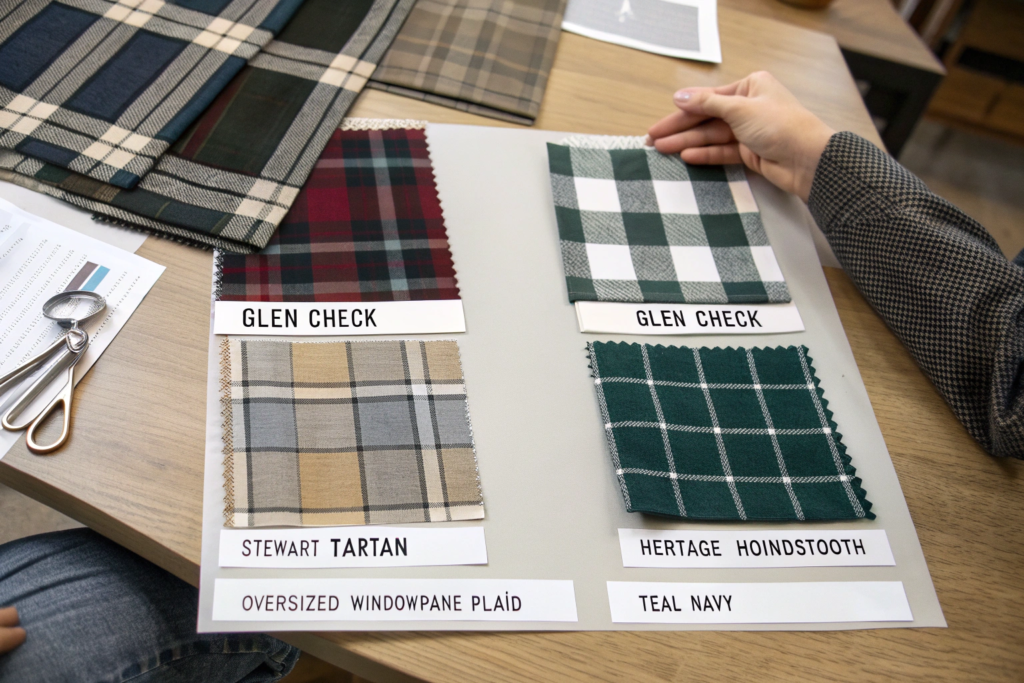
The plaid patterns most likely to drive strong sell-through for Fall 2026 women's shorts are those that balance visual interest with wearability, specifically tonal glen check patterns in warm neutrals such as camel, grey, and oatmeal that offer a subtle, sophisticated plaid effect, classic tartans in deep autumnal colorways that directly connect to the heritage trend narrative, and heritage houndstooth patterns in black-and-ivory or brown-and-cream that provide a graphic, high-contrast option, with the common success factor being that each pattern incorporates enough neutral base tones to pair with a wide range of tops and outerwear.
Why Do Tonal and Muted Plaids Typically Outperform Bold Tartans?
A bold, multi-color tartan is a statement piece. It is beautiful, it is attention-grabbing, and it is difficult to wear. A customer who buys a red, green, and yellow Royal Stewart tartan short must have a wardrobe that can accommodate that specific color combination. The number of tops, sweaters, and jackets that work with that short is limited. The practical consequence is that the short gets worn less often, and the customer satisfaction with the purchase is lower.
A tonal plaid, by contrast, uses variations of the same color family, light grey, charcoal, and cream, or camel, tan, and oatmeal, to create a plaid effect that reads almost like a textured solid from a distance. The pattern reveals itself on closer inspection, adding visual interest without limiting wardrobe compatibility. This kind of pattern has a higher perceived value because it feels more sophisticated and versatile. The sell-through data from previous plaid cycles consistently shows that tonal and muted plaids outperform bold, contrasting tartans by a significant margin in the women's shorts category. This plaid pattern fashion guide distinction is critical for inventory planning. At Shanghai Fumao, we advise our brand partners to anchor their plaid assortment in tonal and muted patterns that minimize return risk, and to add one or two bolder tartans as fashion-forward statement pieces in smaller quantities.
How Should Brands Match Plaid Scale to Short Silhouette?
The scale of the plaid pattern relative to the garment is a design consideration that directly affects sales. A large-scale plaid with wide checks and bold contrasts can overwhelm a small garment like a short, creating a chaotic visual effect that is unflattering and difficult to style. A small-scale plaid with fine lines and tight repeats can read as a solid from any distance, losing the pattern effect entirely.
The optimal plaid scale for a women's short is a medium-scale pattern where the individual checks are clearly visible at a conversation distance but not so large that a single check dominates the entire front panel of the short. The pattern should be in proportion to the garment. Additionally, the pattern must be matched at the side seams and the center front and back, if applicable. A plaid short with mismatched seams looks cheap, regardless of the quality of the fabric or the construction. Pattern matching at seams is a manufacturing requirement that increases fabric consumption and cutting time, and it must be specified in the purchase order. This pattern matching in garment construction is non-negotiable for a premium plaid short. At Shanghai Fumao, we specify pattern matching as a standard requirement for all plaid production orders.
What Are the Manufacturing Considerations for Plaid Shorts?
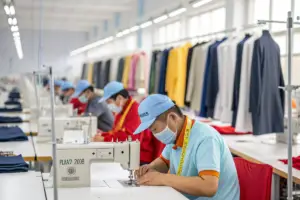
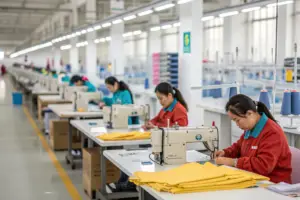
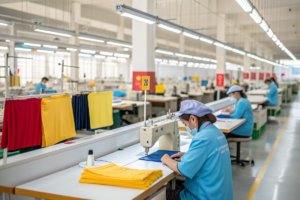
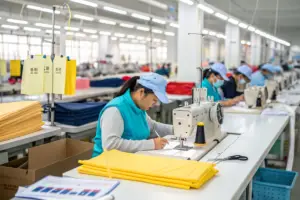
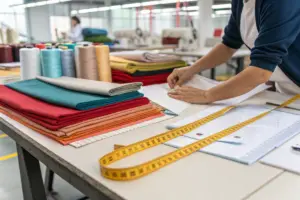
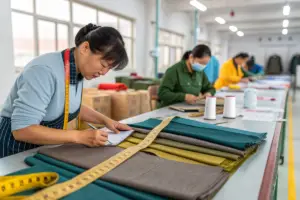
Plaid fabric is not printed with the pattern perfectly aligned on every yard. The pattern is woven into the fabric, and there is always some variation, some skew, some slight misalignment between the pattern and the fabric grain. Manufacturing plaid shorts to a premium quality standard requires acknowledging this reality and building a production process that compensates for it. A factory that cuts plaid fabric the same way it cuts solid fabric will produce shorts with mismatched seams, off-center patterns, and a cheap, distorted appearance. The manufacturing process must be specifically adapted.
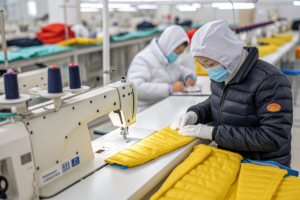
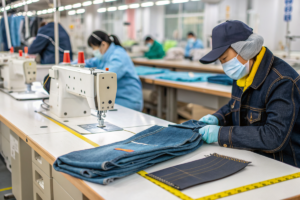
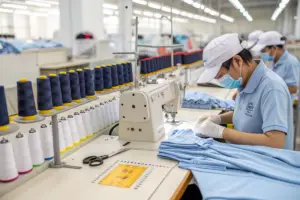
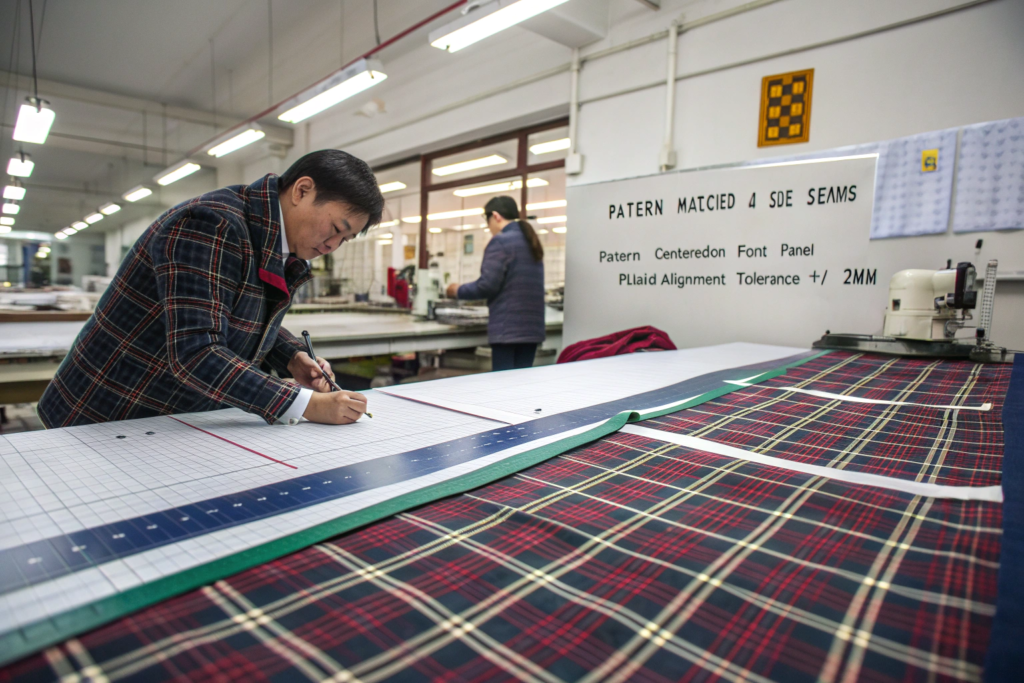
Manufacturing plaid shorts to a premium standard requires a specialized cutting process that respects the pattern repeat, including laying up the fabric in a single ply or a small number of plies with each ply aligned to the pattern rather than the selvedge, cutting each pattern piece individually with reference to the pattern lines rather than cutting a stack of pieces simultaneously, specifying pattern matching at all visible seams on the purchase order, and building the additional fabric consumption and cutting labor into the cost estimate, because producing plaid shorts correctly typically increases fabric usage by ten to twenty percent and cutting time by a factor of two to three compared to solid fabrics.
Why Does Plaid Cutting Require a Different Process from Solid Fabrics?
When cutting solid fabric, the fabric can be spread in multiple layers, sometimes fifty or more plies thick, and the pattern pieces can be cut through the entire stack simultaneously. This is efficient and cost-effective. The only alignment requirement is that the fabric grain runs straight.
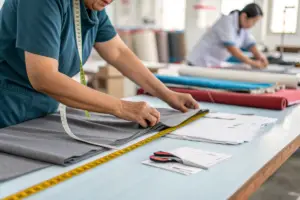
When cutting plaid fabric, each layer in the stack must have the plaid pattern aligned perfectly with the layer above and below. If the plaid is off by even a few millimeters between layers, the pieces cut from the bottom layers will have the pattern in a different position than the pieces cut from the top layers, and the finished shorts will have mismatched seams. Aligning the plaid between layers is a slow, meticulous process that limits the number of plies that can be cut simultaneously. For a premium plaid short, the fabric is often cut in single plies or very small stacks, with each piece positioned individually relative to the pattern lines. The cutter must plan the placement of each piece so that when the side seams are joined, the horizontal plaid lines match across the seam, and so that prominent pattern elements, such as a bold check or a stripe, are centered on the garment panels. This plaid fabric cutting techniques process is a specialized skill. At Shanghai Fumao, our cutting room has experienced plaid specialists who handle all patterned fabric orders.
How Does Pattern Matching at Seams Affect Production Cost?
The cost of a plaid short is higher than the cost of an equivalent solid short for two reasons. The fabric consumption is higher, and the cutting and sewing labor is higher. Both of these increases are driven by the pattern matching requirement.
Fabric consumption increases because the pattern pieces cannot be nested as tightly on the fabric as they can on a solid. Each piece must be positioned relative to the pattern, not just relative to the other pieces. The spaces between pieces are larger, and more fabric is left as waste. A plaid short can consume fifteen to twenty-five percent more fabric than the same short in a solid fabric. Cutting labor increases because each piece is handled individually rather than in a stack. Sewing labor increases because the sewer must align the plaid at each seam before stitching, and must adjust if the alignment is not perfect. The total FOB cost increase for a plaid short compared to a solid short is typically fifteen to twenty-five percent, depending on the complexity of the plaid and the number of seams that require matching. This cost premium must be built into the wholesale and retail pricing, and it must be justified to the customer through the visible quality of the pattern matching. At Shanghai Fumao, we provide transparent cost breakdowns that show the fabric consumption and labor differential for plaid versus solid production.
How Should Brands Price and Position Plaid Shorts for Maximum Margin?
A plaid short is not a commodity product, and it should not be priced like one. The customer who buys a plaid short is not comparing prices across five different brands. She is buying a specific pattern, a specific color story, and a specific design that she cannot find elsewhere. This purchase behavior creates pricing power that does not exist for solid basics. The brand that prices a plaid short like a basic short is leaving significant margin on the table and, paradoxically, may actually reduce the perceived value of the product.
Plaid shorts should be positioned and priced as a premium, limited-edition category within a brand's fall assortment, with retail pricing at a twenty to thirty percent premium over equivalent solid shorts to reflect the higher manufacturing cost and the unique design value, supported by product page storytelling that communicates the pattern's heritage, the fabric's provenance, and the craft of pattern matching, and with inventory quantities deliberately limited to create scarcity and sell-through urgency that protects full-price margin and avoids end-of-season clearance.
Why Does a Higher Price Point Enhance Plaid Short Perceived Value?
Consumer psychology around pricing is well-documented and counter-intuitive. For a product that is perceived as unique and design-driven, a higher price often increases, rather than decreases, the consumer's desire to purchase. The higher price signals quality, exclusivity, and design value. A lower price signals commodity status and raises questions about why the product is cheap.
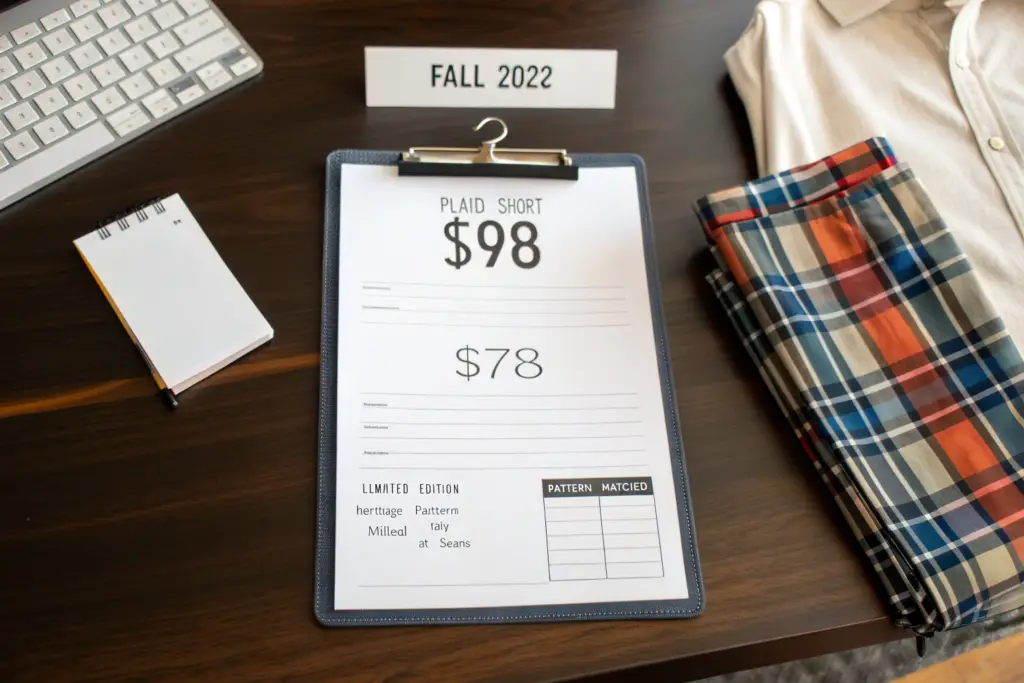
A plaid short that retails for $98 next to a solid twill short that retails for $68 communicates that the plaid is special. The consumer understands, intuitively, that the pattern matching, the fabric selection, and the limited production justify the premium. If the plaid short is priced at the same $68 as the solid short, the consumer may wonder what is wrong with it, or may simply not perceive it as a special purchase. The higher price also provides a larger gross margin per unit, which protects the brand against the higher manufacturing cost and against the risk of markdowns on any remaining inventory at the end of the season. This fashion pricing strategy approach positions the plaid short as a margin driver, not just a volume driver. At Shanghai Fumao, we provide our brand partners with recommended retail pricing ranges based on the fabric cost, the construction complexity, and the target market positioning.
How Should Limited Inventory Be Used as a Marketing Strategy?
Plaid shorts are not a basic replenishment item. They are a seasonal fashion purchase. The customer who wants a plaid short wants a specific plaid, and once that plaid is sold out, a substitute plaid is not an acceptable alternative. This purchase behavior makes plaid shorts an ideal category for a scarcity marketing strategy.
The brand should order a deliberately limited quantity, communicate that limited quantity to the customer, and accept the risk of selling out rather than the risk of overstock. A product page that states "Limited edition, only 200 pieces produced" creates urgency. The customer who is considering the purchase understands that waiting means risking the product being gone. This urgency protects full-price selling and reduces the likelihood that the customer will wait for a markdown. Selling out of a plaid short is not a failure of inventory planning. It is a successful execution of a scarcity strategy, provided the sell-through was at full margin. The sold-out product becomes a proof point for the brand's desirability and creates anticipation for the next season's plaid offering. This limited edition fashion marketing approach is standard practice for high-end brands. At Shanghai Fumao, we can produce small, profitable plaid short runs with minimums as low as 200 units per style, making a limited edition strategy feasible for small and mid-size brands.
Conclusion
The evidence for plaid shorts as a strong Fall 2026 inventory investment is coming from multiple independent sources. The macro fashion cycle is in a heritage phase that favors traditional patterns. The specific trend signals from fabric mills, early adopter brands, and social media data show plaid building momentum in bottoms categories. The color forecasts for Fall 2026 align naturally with the warm, complex color stories that plaid does best. The conditions for a strong plaid short season are aligning in a way that experienced buyers recognize as a signal to commit.
The execution, however, requires discipline. The pattern selection must balance visual interest with wearability, favoring tonal and muted plaids that pair easily with a range of tops and outerwear. The manufacturing must be done by a factory that understands plaid cutting and pattern matching, because a poorly matched plaid short is unsaleable at any price. The pricing must reflect the higher production cost and position the product as premium, limited, and special. And the inventory strategy should embrace scarcity, ordering conservatively and selling out at full margin rather than over-ordering and marking down.
If you are considering adding plaid shorts to your Fall 2026 line and want a manufacturing partner who understands the technical requirements, the cost structure, and the market positioning of this category, we are ready to help. At Shanghai Fumao, we have the cutting expertise, the fabric sourcing relationships, and the minimum order flexibility to make your plaid short program successful. Contact our Business Director, Elaine, at elaine@fumaoclothing.com. Let's put a plaid in your fall assortment that your customers will not be able to leave behind.