A client of mine who runs a menswear brand in San Francisco called me last April with a panic in his voice. He had invested heavily in a flat-front, uncuffed performance short for the "modern office" look. He thought the sleek, tech-fabric design would be the next big thing. The shorts landed in stores in March. By May, they were on clearance racks. His core customer, a 35-to-55-year-old professional, simply would not buy them. Meanwhile, a competitor's classic cotton-twill cuffed short was selling out at full price. He asked me what he missed. I told him his customer did not want to look like he was going to the gym. He wanted to look like he was in control of a meeting, just with cooler ankles.
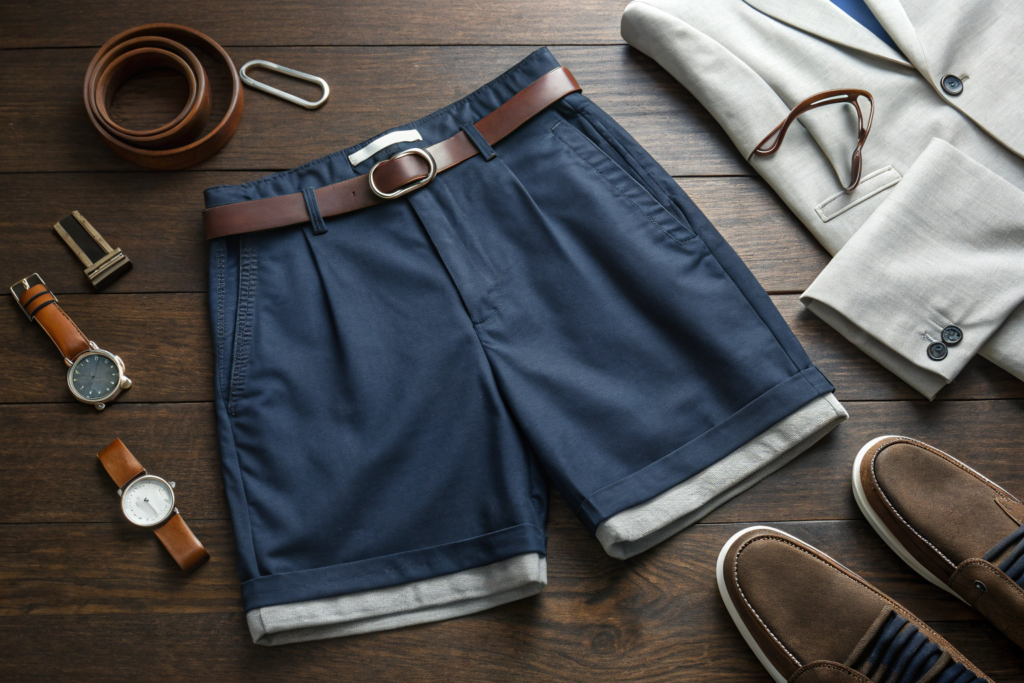
Classic cuffed shorts dominate men's business casual because the structured hem visually anchors the silhouette, signals intentional tailoring, and bridges the gap between formal trousers and warm-weather practicality in a way no flat-front short can replicate.
The men's business casual market has undergone a permanent shift since 2020. The rigid suit-and-tie office is dead for millions of professionals. In its place is a hybrid dress code that demands polish without stiffness. The classic cuffed short answers this demand perfectly. It borrows its visual language directly from the tailored trouser. At Shanghai Fumao, we have watched this trend accelerate across our US wholesale accounts. The data from our production lines does not lie. Cuffed shorts are not a seasonal fad. They are the new baseline for the professional man's summer wardrobe. Let me break down exactly why this silhouette wins.
What Tailoring Details Make Cuffed Shorts Look More Professional?
The difference between "weekend casual" and "business casual" lives in the details. An uncuffed short has a raw, cut-off energy. It suggests the beach, the gym, the backyard barbecue. A cuffed short has a finished, intentional energy. The cuff says this garment was considered. It was pressed. It was hemmed with a purpose. This psychological signal matters enormously in a professional setting, even a relaxed one. The man wearing cuffed shorts looks like he paid attention. The man wearing flat-front tech shorts looks like he just grabbed the first thing off the pile.
Professional visual authority in shorts comes from the cuff's ability to mimic the trouser break, add visual weight to the hem, and create a clean, horizontal line that sharpens the entire leg silhouette.
I worked with a Nashville-based brand last year that was struggling to define its "office-appropriate summer" category. We developed a 9-inch inseam chino short with a 1.5-inch cuff. The structured hem completely transformed the garment on the fit model. It looked like a pair of tailored trousers that had been expertly cropped, not a casual short that happened to have a button. The brand sold through 85% of its inventory at full price. The cuff was the silent hero of that sell-through.
How Does the Weight of the Cuff Change the Garment's Drape?
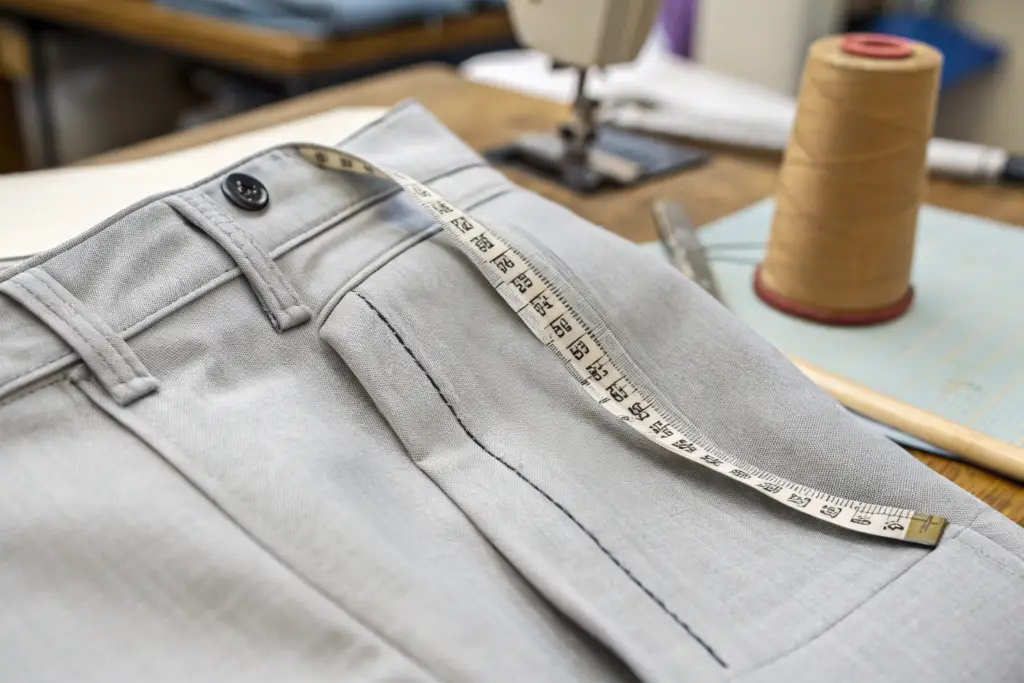
Fabric has memory and physics. A flat hem on a lightweight cotton short can flutter. It can curl up after washing. It looks cheap and flimsy. A folded cuff doubles the fabric at the hem. This added weight stabilizes the leg opening. It pulls the fabric down gently, creating a straight, clean drape from hip to hem. This mimics the "drop" of a tailored wool trouser. The weight also prevents the short from riding up when the wearer sits down and stands up. This is a functional advantage disguised as a style choice. For men who move between a desk, a car, and a lunch meeting, the stable drape is a silent confidence booster. The technical aspects of fabric drape and hem weighting are well-covered by the textile science resources at The Textile Institute.
Why Does the Pressed Crease on a Cuff Signal Quality?
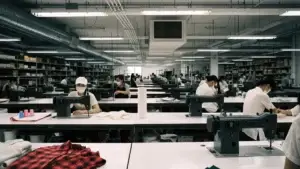
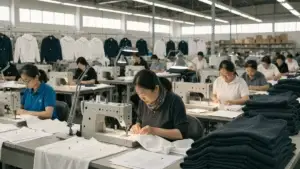
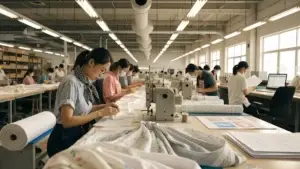
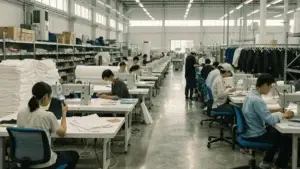
A sharp crease is a shortcut for "expensive." In menswear, a pressed crease on a trouser leg historically meant the garment was made from high-quality wool and was professionally finished. The cuffed short borrows this visual tradition. A clean, heat-pressed crease down the center front of the short, extending through the cuff, creates a vertical line that elongates the leg. It makes the wearer look taller and leaner. This is an optical illusion, but it works. At Shanghai Fumao, we use a crease-pressing machine that applies steam and pressure at a precise temperature to set this line permanently into the fabric. A cheap factory will skip this step. The crease falls out after one wash. A quality cuffed short holds its crease for life. The garment construction standards maintained by organizations like The Association of Sewing and Design Professionals highlight the importance of proper pressing in creating durable garment structure.
What Fabric and Inseam Lengths Define the Ideal Business Casual Short?
Getting the fabric wrong destroys the business casual look instantly. You cannot wear a shiny, swishy performance knit to a client lunch and expect to be taken seriously. The sound alone gives you away. Business casual shorts demand fabrics that behave like trouser fabrics. They must hold a crease. They must breathe. They must look better with a slight wrinkle, not worse. The ideal sits at the intersection of structure and comfort. It whispers "tailored" without shouting "stiff."
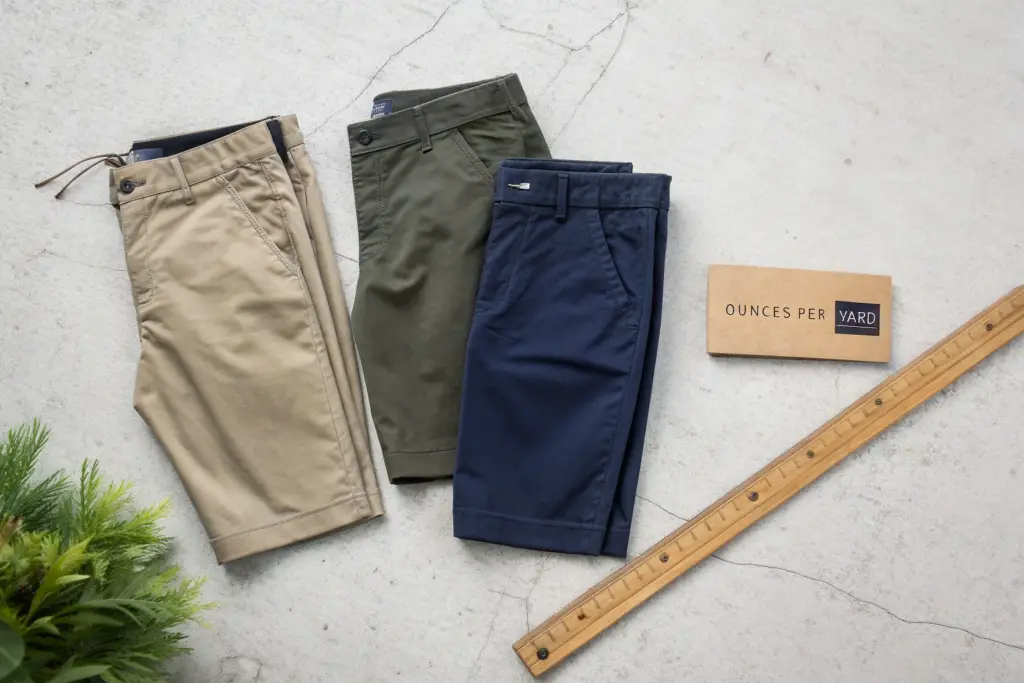
The ideal business casual short uses a mid-weight cotton-twill or cotton-linen blend between 7 and 9 ounces per yard, with a 7 to 9-inch inseam and a 1.5-inch cuff depth as the golden ratio for professional styling.
A brand owner in Boston argued with me once. He wanted a 5-inch inseam on his "executive short." I told him bluntly: no executive over 40 will wear a 5-inch inseam to the office. That is a thigh-baring weekend short. The business casual customer wants the hem to fall just above the knee, not mid-thigh. He wants coverage when he sits. He wants proportion when he stands. The 7-to-9-inch range is the professional zone. The cuff at the bottom anchors that length visually.
Why Is Cotton-Twill the Undisputed Fabric Champion?
Cotton-twill has a diagonal weave structure that gives it natural body and a subtle sheen. It looks deliberate. It takes a crease beautifully. It breathes well enough for 85-degree weather. Most importantly, it ages like a good pair of chinos. It softens without disintegrating. A polyester performance knit never softens. It just gets shiny in the seat and thighs. For a business casual context, the matte, natural texture of twill reads as authentic and trustworthy. This is the same reason dress shirts are cotton, not polyester. The fabric communicates quality before the wearer says a word. For more on the performance characteristics of twill weaves in menswear, Cotton Incorporated provides extensive technical data comparing fabric structures.
What Is the Golden Ratio for Cuff Depth on Men's Shorts?
The cuff is a proportion game. Too shallow, and it looks like a mistake. Too deep, and it looks like a costume. The standard depth is 1.5 inches. This matches the proportion of a traditional trouser cuff and creates a visual harmony with a 7 or 9-inch inseam. If the inseam is shorter, say 5 inches, a 1.5-inch cuff eats up too much real estate and looks blocky. If the inseam is longer, say 11 inches, a 1.5-inch cuff looks too delicate. The ratio must stay balanced. I advise my brand partners to follow this simple rule: the cuff depth should be approximately 15-20% of the total outseam length. This keeps the leg looking long and the cuff looking intentional, not accidental.
| Inseam Length | Recommended Cuff Depth | Best Business Context |
|---|---|---|
| 7 inches | 1.25 - 1.5 inches | Creative office, tech sector, casual Fridays |
| 8 inches | 1.5 inches | Standard business casual, client lunches |
| 9 inches | 1.5 - 1.75 inches | Conservative office, formal summer events |
| 11+ inches | 1.75 - 2 inches | Golf/Resort wear, not typical office attire |
How Do Cuffed Shorts Increase Brand Perceived Value and Margins?
Perceived value is a real, measurable asset. It is the difference between a customer paying $45 for a pair of shorts and paying $85 for a pair that costs only $3 more to produce. The cuffed hem is one of the simplest, most cost-effective ways to shift that perception. A flat hem looks like every other mass-market short. A cuff looks like a short from a specialty menswear brand. It signals extra steps in the manufacturing process. Extra steps mean a higher price point in the consumer's mind.
Cuffed shorts command a 20-40% retail price premium over flat-front shorts because the visible tailoring detail triggers a perception of higher craftsmanship, allowing brands to expand their gross margins significantly.
I reviewed the order history of a multi-brand retailer we supply. Their house-label flat-front twill shorts retail at $49.99. Their house-label cuffed twill shorts, made from essentially the same fabric on the same line, retail at $69.99. The production cost difference between the two styles is approximately $1.20 per unit, accounting for the extra fabric for the cuff and the additional pressing operation. That is a near-pure margin expansion of $18.80 per unit at retail. Across 5,000 units, the cuffed short generates nearly $100,000 more in gross profit.

Why Are Consumers Willing to Pay More for a Cuffed Hem?
Consumer psychology research consistently shows that visible markers of effort translate to higher willingness to pay. A cuff is a visible marker of effort. The customer can see the fold. They can feel the weight. They assume the garment was harder to make, used more fabric, and required more skill. All three assumptions are partially true, but the value perception outstrips the actual cost. This is the definition of a high-value design feature. In menswear, heritage details like cuffs, pick-stitching, and functional buttonholes all operate on this same principle. They are shortcuts that say "craftsmanship." For brands building a premium positioning, the cuff is a non-negotiable signature. You can explore more about consumer perception of garment quality in research published by The Fashion Studies Journal.
How Does the Cuff Reduce Perceived Risk in Online Purchases?
Selling shorts online is hard. The customer cannot try them on. He cannot feel the fabric. He is judging entirely on the photograph. A cuffed short photographs differently than a flat-front short. The cuff catches the light. It creates a shadow line. It defines the hem with a strong horizontal graphic. This makes the short look more structured, more substantial, and more premium in an e-commerce flat lay or on a model. The customer subconsciously perceives less risk. The short looks like it will hold its shape. The reduced perceived risk translates directly into higher conversion rates. I have seen brands run A/B tests on product pages where the cuffed version of the same short style consistently outperforms the uncuffed version in add-to-cart rate by double digits.
How to Successfully Integrate Cuffed Shorts into a Spring/Summer Wholesale Line?
Launching a cuffed short is not enough. You need to integrate it into your line plan so it sells through to retailers and then to end consumers. The cuffed short should not be a one-off experiment. It should be the anchor of your warm-weather bottoms category. This means thoughtful color strategy, deliberate fabric selection, and a merchandising plan that positions the cuff as a premium upgrade, not a confusing alternative.
Successful wholesale integration of cuffed shorts requires offering them in core neutral colorways as a premium tier, pairing them with complementary woven shirts in the line sheet, and educating retail buyers on the sell-through advantage of the tailored hem.
A brand we partnered with in 2023 restructured their entire men's shorts category around the cuff. They offered three core colors in a cuffed chino—khaki, navy, and olive—and two experimental colors in a flat-front performance short. The cuffed shorts were presented first in the line sheet. They were styled with linen button-downs and unstructured blazers. The retail buyers responded immediately. The cuffed chino became the anchor order. The flat-front shorts were the add-on. This is the correct merchandising hierarchy for the current market.
What Core Colors Drive Wholesale Buy-In for Cuffed Shorts?
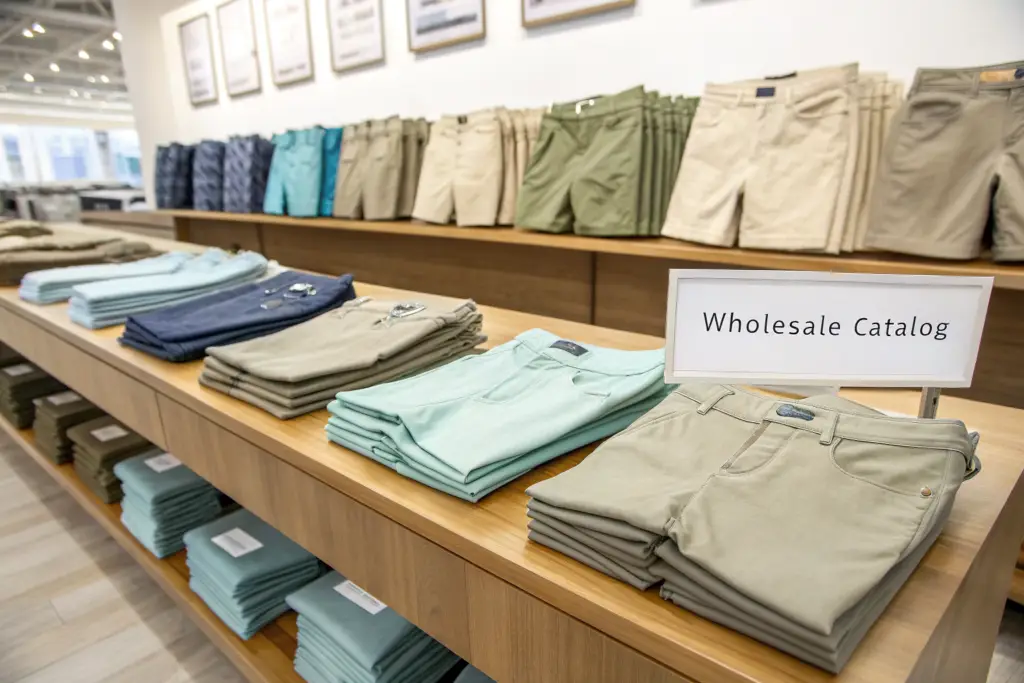
Retail buyers are risk-averse. They buy what they know will sell. For business casual cuffed shorts, the core palette is non-negotiable: Khaki, Navy, Olive, Stone, and Grey. These five colors represent over 80% of classic men's shorts sales in the US market. They match existing blazers, dress shirts, and belts. They work for the 30-year-old creative director and the 55-year-old attorney. Once these core colors are locked in and selling, you can introduce a seasonal accent color like dusty pink, sage green, or a muted terracotta. But you lead with the basics. The retail landscape data from The NPD Group consistently shows that neutral colorways drive the highest sell-through rates in men's tailored casual categories.
How Should You Educate Your Retail Partners on the Cuff's Value?
Do not assume a retail buyer understands why your cuffed short costs $5 more wholesale than your flat-front short. Tell them. Provide a one-page sell sheet that visualizes the garment details. Show a magnified image of the cuff construction. Show the crease-pressing process. List the fabric weight and the cuff depth. Provide the sell-through data from your DTC channel or another retail partner. Arm the buyer with the story they will tell the end customer. "This cuff is weighted to drape perfectly and pressed to hold its shape forever." That story is what the retail sales associate will repeat. That story sells the short. The National Retail Federation offers resources on retail sales training that emphasize the importance of product storytelling in driving conversion.
Conclusion
Classic cuffed shorts are winning the men's business casual market for a reason that has nothing to do with luck. They solve a specific, structural problem. The modern professional man needs to dress for an office that no longer demands a suit but still demands respect. The cuffed short bridges that gap. The tailored cuff signals intentionality. The mid-weight cotton twill communicates quality. The proportional inseam keeps the look appropriate. Together, these elements create a garment that a man can wear with a tucked-in polo and a linen blazer and still feel like the most competent person in the room.
For brands, the opportunity is clear. The cuffed short is a margin-expansion engine disguised as a style choice. It costs slightly more to produce and commands a significantly higher retail price. It photographs better. It returns less. It builds brand equity in a way a generic flat-front short never will. This is the kind of product that separates premium menswear brands from commodity sellers.
If your brand is planning to capture the growing business casual market, the cuffed short should be the cornerstone of your warm-weather assortment. At Shanghai Fumao, we have developed and produced cuffed shorts for over a dozen US menswear brands. We know the factory-floor details—the precise cuff depth, the crease-pressing temperature, the fabric weights—that separate a best-seller from a clearance item. If you want to bring a premium cuffed short to market, contact our Business Director, Elaine, at elaine@fumaoclothing.com. Let's discuss your fabric preferences, target price, and delivery timeline.