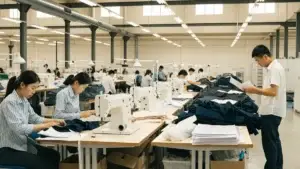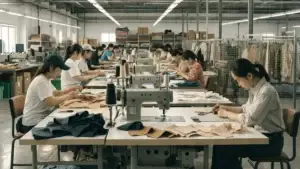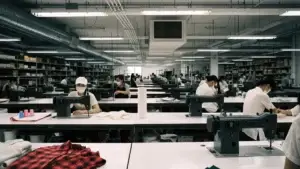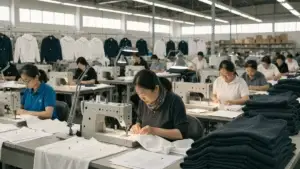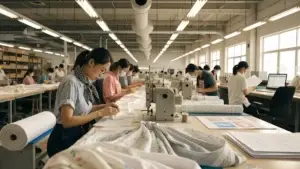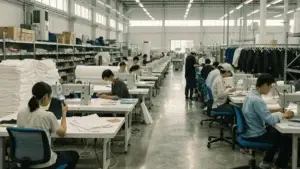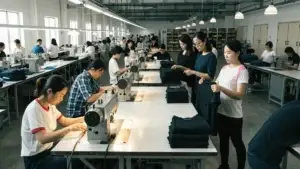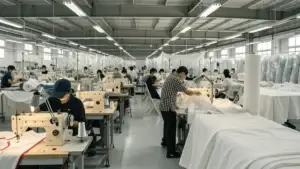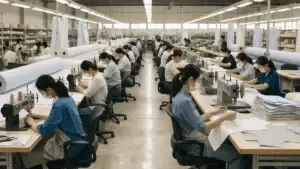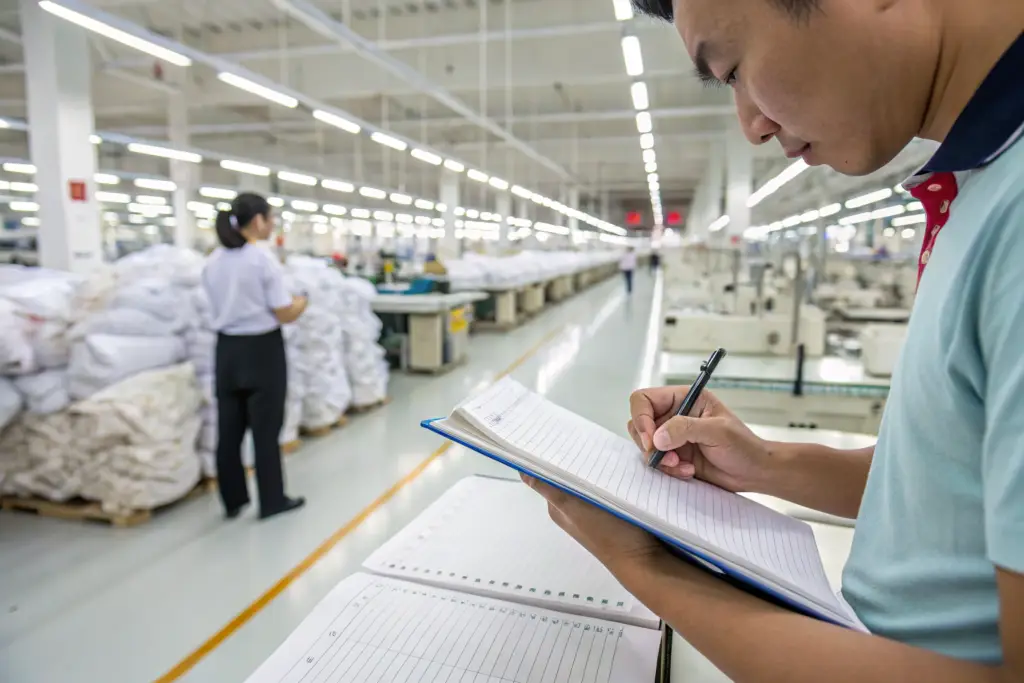
A brand owner from Denver told me about his first factory visit to China three years ago. The sales rep picked him up in a luxury car. Took him to a fancy seafood lunch. Showed him a pristine showroom with beautiful samples. He shook hands. He placed a $40,000 order. Six months later, the shipment arrived late. The stitching was crooked. The fabric was lighter than the sample. He called the rep. The rep stopped answering. He had done a "windshield tour." He saw the surface. He never saw the reality. His mistake was not that he visited. His mistake was that he did not know what questions to ask when the showroom door closed.
The most critical questions to ask when visiting a shorts factory in China go beyond the showroom—they require verifying the production floor's actual workflow, raw material storage conditions, quality control checkpoints, and labor management systems firsthand.
A factory visit is your single best chance to validate everything a supplier has told you over email. Certificates can be faked. Showroom samples can be borrowed from another factory. But a live production floor running your type of product reveals everything. At Shanghai Fumao, we actually encourage our potential partners to visit our five production lines unannounced during their second visit. Transparency is our strongest sales pitch. Let me arm you with the exact questions that separate a real factory from a trading company with a pretty front office.
How Can You Verify a Factory's Real Production Capacity for Shorts?
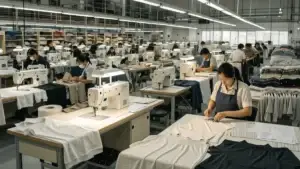
The first thing a trading company will do when you ask about capacity is puff up a number. "We can do 50,000 shorts a month." The number means nothing without evidence. You need to count machines. You need to count workers. You need to see a production schedule that has your competitors' brand names on it. Not a blank whiteboard. A used, messy, marked-up board with real orders.
Verify real production capacity by physically counting active sewing machines, checking the daily output tracking boards, and requesting to see the production schedules for current orders from other US or EU clients.
I once saved a client from a $60,000 mistake with a simple question. The supplier claimed a 200-machine factory. We visited. I counted 47 machines on the floor. The rest were "in storage" or "being repaired." The real monthly output was a quarter of what was promised. The numbers on the wall do not lie. You just need to know which ones to look at. This is especially critical when you are placing large orders for classic shorts, which demand consistent output across thousands of units.
What Specific Production Data Should You Ask to See on the Factory Floor?
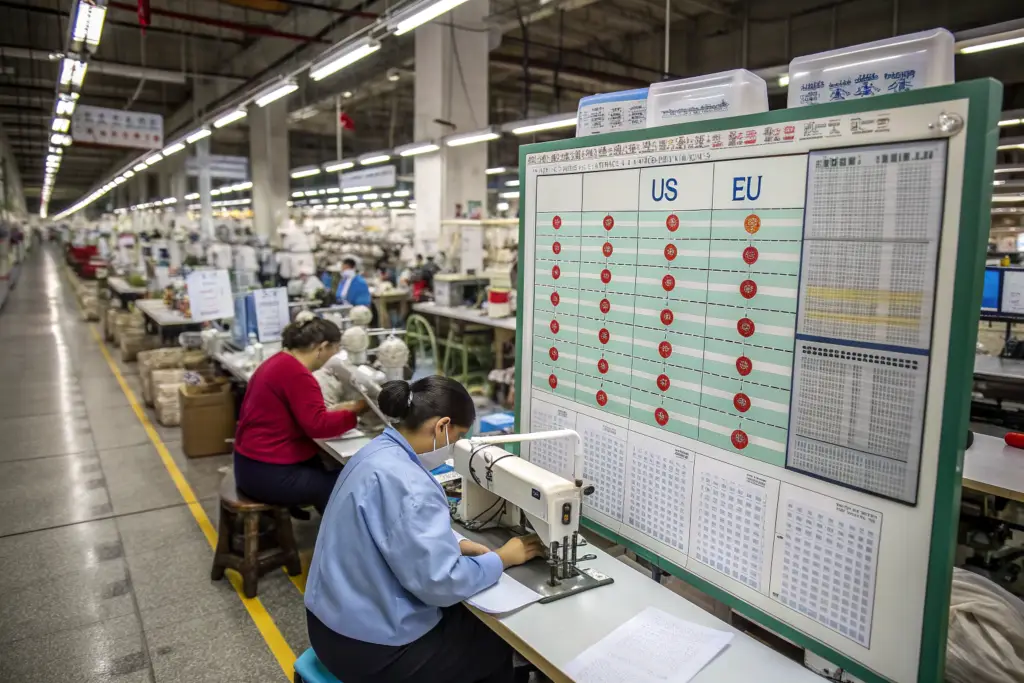
Do not ask "How many shorts do you make?" Ask to see the "Daily Production Report" from the previous week. Every real factory tracks this. The report shows the style number, the target output, the actual output, and the defect count for each line. Look at the "actual" column. Is it consistently hitting 90% or more of the target? If the target is 500 pieces per line per day and they are hitting 480, you have a stable, well-managed factory. If the numbers swing wildly between 200 and 500, the factory has serious workflow problems. Equipment breakdowns, absenteeism, or supply shortages. This data predicts your delivery date better than any promise. Organizations like The Manufacturer often publish operational benchmarks for factory output tracking that you can use as a baseline.
How Can You Confirm the Factory Owns Its Cutting and Washing Facilities?
This is the "integration test." Many small factories outsource cutting and washing. This means your order leaves the building. You lose control. Ask bluntly: "Where is your cutting table? Where is your washing machine?" Walk there. A factory that cuts in-house has a large, dedicated area with a spreading table at least 6 meters long and an automatic cutting machine or a band saw. A factory that washes in-house has industrial washers and dryers, a water treatment system, and a separate wet-area floor. If they tell you the cutting is "at another facility nearby," your lead time just gained a variable you cannot control. At Shanghai Fumao, we invested in our own cutting room and garment washing facility precisely because we know this is a trust signal for informed buyers. You can read more about the importance of vertical integration from industry resources like Apparel Resources. Owned facilities mean owned timelines.
What Quality Control Questions Should You Ask at a Shorts Factory?
Quality control is a system, not an opinion. When a salesperson tells you "quality is our priority," nod politely and then ask to see the QC checkpoint. Every real factory has one. It is a brightly lit station near the end of the line with measuring tapes, defect stickers, and a rack of "rejected" garments. If you cannot find this station, or if the rejected rack is empty, the factory is either not inspecting or not being honest about failures.
The essential QC questions to ask are about the number of in-line inspectors, the AQL standard they follow, and the specific measurement tolerance sheets they use for shorts like the waistband stretch and inseam length.
I visited a factory on behalf of a client last year. Their showroom shorts were flawless. I asked to see their QC rejection rack from the previous day's production. The rack had forty pairs of shorts with red defect stickers pinned to specific flaws. The supervisor walked me through each defect: wavy topstitch, uneven waistband, fabric slub. I knew immediately this was a serious operation. They caught problems before the shorts reached the packing line. A clean rejection rack means defects are being shipped to customers.
How Can You Verify the AQL Inspection System Is Actually in Use?
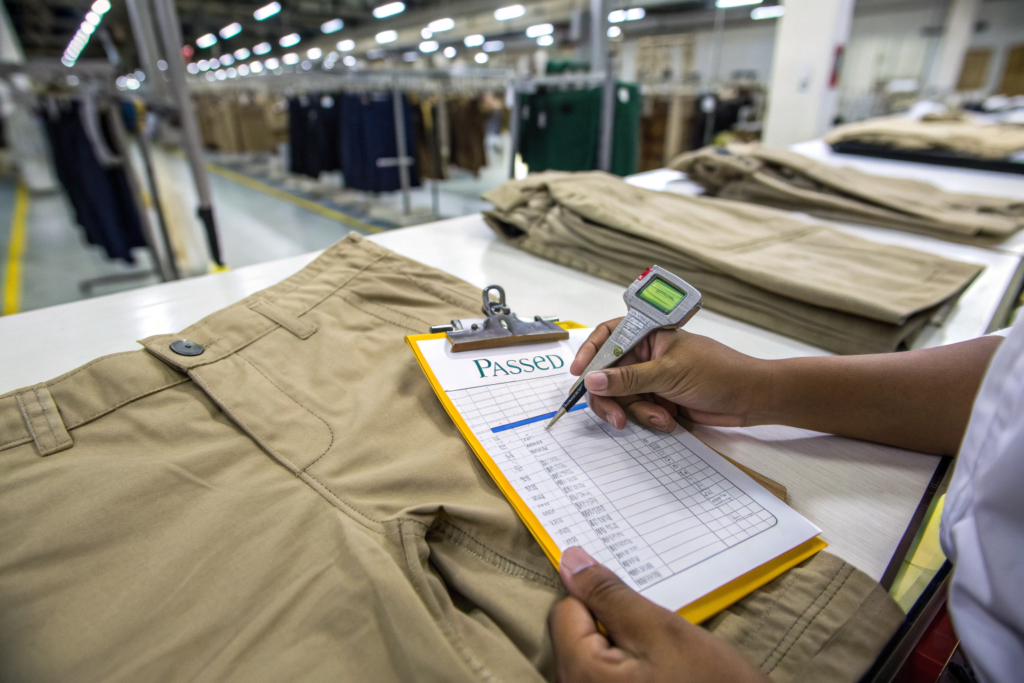
AQL stands for Acceptable Quality Level. Most buyers ask for AQL 2.5. This means in a batch of 1,000 shorts, a maximum of 10 major defects is allowed. Ask the QC supervisor to show you a completed AQL inspection report from a shipment that went out last week. Not a blank form. A filled one with defects listed, quantities, and final disposition (passed, rejected, or reworked). Check the date. Check the style number. If the report looks too clean or they hesitate to produce it, the system exists on paper only. Legitimate QC documentation is a habit, not a special event prepared for your visit. The International Trade Centre provides detailed guides on implementing AQL standards in apparel manufacturing.
What Questions Should You Ask About the Needle Detection and Metal Policy?
Broken needles in garments are a catastrophic safety hazard that triggers instant retail recalls. Ask this: "Can I see your broken needle logbook?" Every serious factory has a needle management policy. When a needle breaks, the worker must collect all fragments. The pieces are taped into a logbook, and the broken needle is exchanged for a new one. The exchange must be verified by a supervisor. Then ask: "Do you run every pair of shorts through a conveyor metal detector?" A real factory will walk you to the packing line and show you the machine. They will test it with a metal-tipped pen to prove it works. No detector, no deal. Your brand cannot survive a needle-in-garment lawsuit.
How to Assess the Raw Material Supply Chain and Fabric Sourcing Integrity?
Shorts are fabric first, stitching second. You can have the best sewing operators in China, but if the cotton is cheap, short-staple, and unbleached properly, the shorts will pill, shrink, and fade. The showroom sample was likely made with premium fabric sent from a trusted mill. The question is whether your bulk order will use the same fabric or a cheaper "equivalent" swapped in after you leave.
Assess fabric integrity by visiting the raw material warehouse, asking to see fabric mill certifications for the exact lot numbers in stock, and conducting on-site burn tests and GSM checks with materials from the bulk production floor.
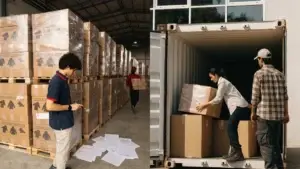
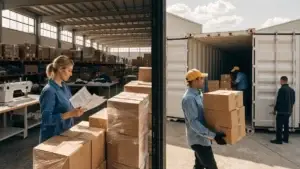
A distributor I work with learned this the hard way. His supplier showed him a certified Supima cotton fabric roll in the sample room. He approved it. The bulk order used a generic long-staple cotton that looked similar but cost 40% less. The shorts felt rough after three washes. He had no recourse because he never documented the fabric lot number he approved. Now he always photographs the selvedge label of every fabric roll in the warehouse.
What Are the Key Questions About Fabric Mill Traceability?
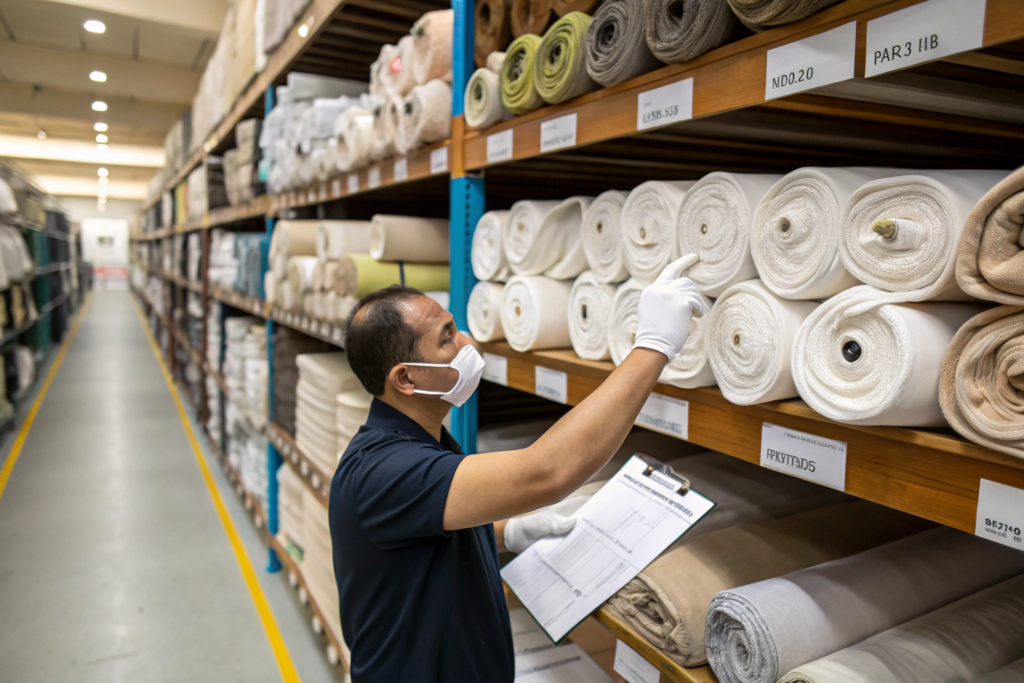
Stand in the fabric warehouse. Pick a random roll of fabric that matches your order's content. Ask: "Which mill produced this? Show me the mill's certificate." A roll of legitimate fabric has a selvedge sticker with the mill name, lot number, and fiber content. Cross-reference that mill name with the OEKO-TEX or GOTS certificate the supplier gave you earlier. Does the mill name match? If the fabric has no label, or the label is just a handwritten tag, the traceability chain is broken. You cannot claim organic or sustainable cotton without this paper trail. For a directory of certified mills, OEKO-TEX maintains an online platform to verify supplier certifications.
How Can You Test Fabric Weight and Authenticity During the Visit?
Do not wait for a lab report that arrives weeks later. Bring a portable GSM cutter and a digital scale to the factory visit. I always carry one in my bag. When you are in the warehouse, ask to cut a small swatch from a bulk fabric roll. Cut the 100cm² disc. Weigh it. If the approved sample was 260 GSM and the bulk fabric is 230 GSM, you have caught them red-handed. Also, perform a quick burn test right there. Use a lighter on a thread from the fabric. If it melts into a hard plastic bead instead of turning to soft ash, the cotton is blended with polyester. The supplier's claim of "100% Cotton" just went up in smoke. This physical evidence is impossible to argue with. You can learn the proper burn test method from textile testing standards published by AATCC. Bring your tools. Become the inspector.
What Questions Reveal the True Labor and Compliance Standards?
The most uncomfortable part of the visit is often the most important. A factory that mistreats its workers will eventually mistreat you. It will have high turnover. High turnover destroys quality consistency. The sewer who made your perfect sample quit last month. The new hire does not know your spec. Beyond quality, there is the legal risk. US customs has increased detainment of goods linked to forced labor. Your shipment could be seized at the port. Asking about labor is not just ethical; it is a direct protection of your supply chain.
Reveal true labor standards by asking to see payroll records with personal information redacted, checking the age verification posters on the wall, and observing whether the fire exits are unblocked and the factory floor has adequate lighting and ventilation.
I walked away from a low-priced supplier five years ago after a 15-minute walkthrough. The emergency exit door was padlocked. The fire extinguishers had no inspection tags. The dormitory was in a separate building without sprinklers. I asked the owner why the exit was locked. He said it was to prevent theft. I told him if he treated worker safety as optional, he would treat my product quality the same way. I left. That factory had a fire eighteen months later. No one died, but the building was shut down. Every brand with goods inside lost their inventory.
How Can You Verify That Workers Are Paid Fairly and Properly?
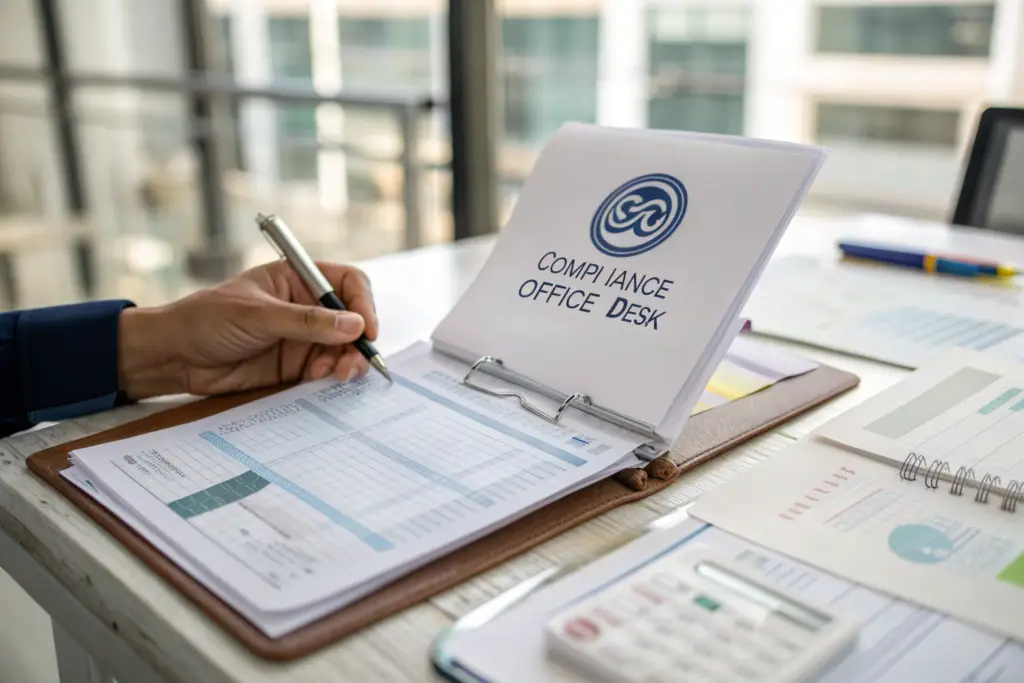
Ask the question directly: "Can I see the attendance records and payroll slips for the stitching floor from last month?" The factory can redact names, but the hours and pay rates should be visible. Look for consistency. Do workers have at least one day off per seven? Are overtime hours compensated at the legally mandated rate? If the factory refuses to show any records, you have your answer. Another check is to look at the notice board. Chinese labor law requires certain posters about worker rights and minimum wage to be displayed. If these are absent, the management is not prioritizing compliance. Organizations like Sedex provide supplier ethical audit platforms that many US brands use to pre-screen factories.
What Physical Conditions Indicate a Safe and Stable Workforce?
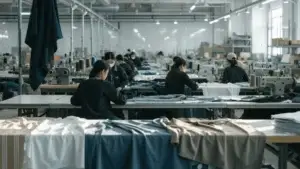
Use your senses. Is the air stuffy and thick with lint, or is the ventilation system humming? Is the floor clean and dry, or are there piles of scrap fabric blocking the walkways? Are the workers moving calmly, or do they look exhausted and fearful? Look at the factory's posted hours. Look at the canteen. A factory with a clean, subsidized canteen and breaks posted visibly is investing in retention. A stable workforce means your repeat orders will be made by the same skilled hands. Ask how many workers have been there over three years. If the answer is vague, turnover is high. High turnover is a quality risk you cannot afford for consistent classic shorts production. The Ethical Trading Initiative provides frameworks for assessing these social compliance factors during supplier visits.
Conclusion
Visiting a factory in China is not a photo opportunity. It is an audit. The supplier who picks you up in a nice car and serves you tea is selling you an image. The truth is on the production floor, in the rejection rack, on the selvedge labels, and in the fire exit hallway. You need to count machines, not just shake hands. You need to test fabric with a lighter, not just rub it between your fingers. You need to see payroll records, not just smile at the happy workers.
The questions I have laid out here—about capacity data, AQL reports, needle logs, fabric mill traceability, and labor compliance—are your inspection tools. Do not be afraid to ask them. A legitimate factory respects a buyer who does their homework. A trading company fears one. The difference between a $40,000 mistake and a decade-long profitable partnership often comes down to one factory visit where you asked the right questions and verified the answers with your own eyes.
At Shanghai Fumao, we prepare for buyer visits by putting our real production data, our real QC reports, and our real fabric certifications on the table. We have nothing to hide behind a showroom curtain. If you are planning a sourcing trip to China and want to visit a five-line shorts factory that welcomes hard questions, I invite you to schedule a walkthrough with us. Contact our Business Director, Elaine, at elaine@fumaoclothing.com to arrange your visit. Bring your GSM cutter, your spec sheets, and your skepticism. We will be ready.