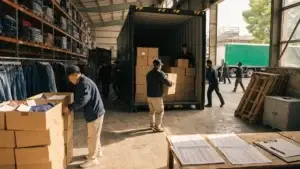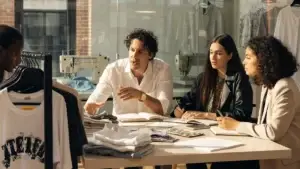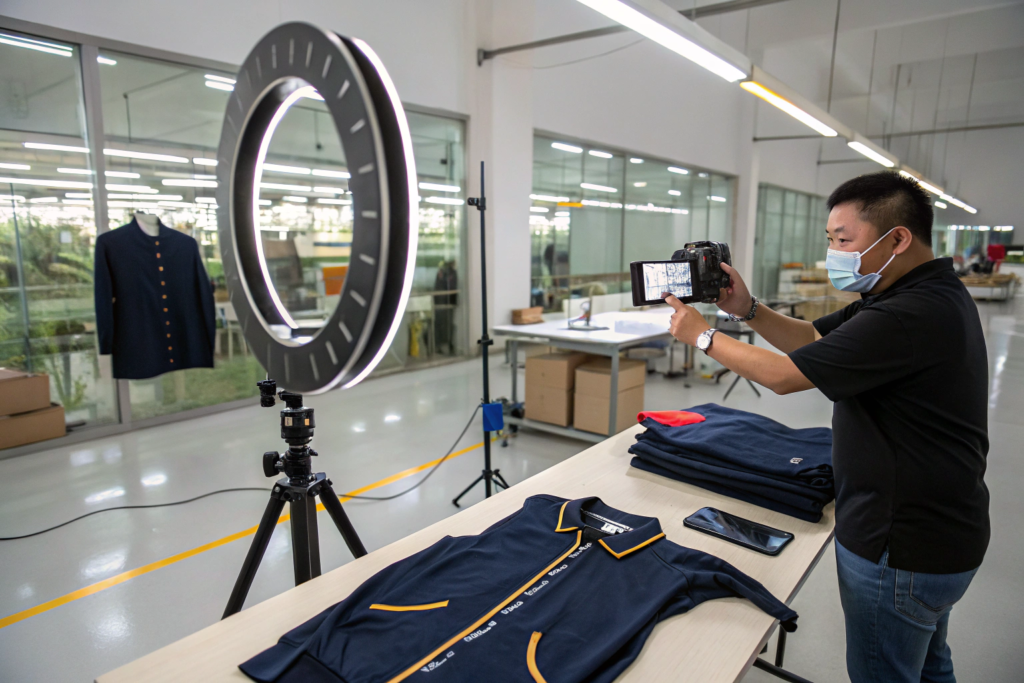
A factory's Instagram grid filled with stock photos of smiling models tells you nothing about their production capability. A LinkedIn page with generic posts about "quality and service" tells you nothing about their technical expertise. Social media from most clothing manufacturers is a wasteland of polished emptiness. It hides more than it reveals. I understand why brand owners scroll past these accounts without a second glance. They are looking for proof, not platitudes. They are looking for a factory that opens its doors digitally and says, "Look at our work. Judge for yourself."
Shanghai Fumao uses social media not as a marketing billboard, but as a live transparency channel. We post real-time production floor videos, detailed technical explanations of garment construction challenges we solve, customer project case studies with measurable results, and direct factory walkthroughs. This content strategy provides verifiable evidence of manufacturing competence that a sales pitch or a website gallery cannot replicate.
Social media is the closest thing to a factory tour that a buyer can experience without boarding a plane. At Shanghai Fumao, we have built our social presence across LinkedIn, Instagram, TikTok, and Facebook specifically to compress the trust-building timeline with U.S. brand owners and distributors. Let me walk you through exactly how we use each platform, what content we create, and how this strategy converts skeptical buyers into confident partners.
Why Is Social Media Transparency More Powerful Than a Factory Website?
A website is a controlled environment. Every photo is selected. Every word is crafted. Every claim is polished. A buyer knows this. They view a factory's website with the same skepticism they apply to any marketing material. Social media, when used transparently, operates differently. The content is timestamped. The environment is recognizable day after day. The people appear repeatedly. Patterns emerge. A buyer can watch weeks of content and build a mental model of the factory's actual operations. This accumulated authenticity is a website's curated perfection cannot achieve.
Social media transparency is more powerful than a factory website because it provides temporal proof. A website shows what a factory claims to be at a single, curated moment. Social media, when updated consistently over months and years, shows what a factory actually is across hundreds of unscripted moments. Buyers can observe the same production floor, the same machines, and the same team across time, building trust through pattern recognition rather than through a single polished claim.
How Does Consistent, Timestamped Content Build Verifiable Trust?
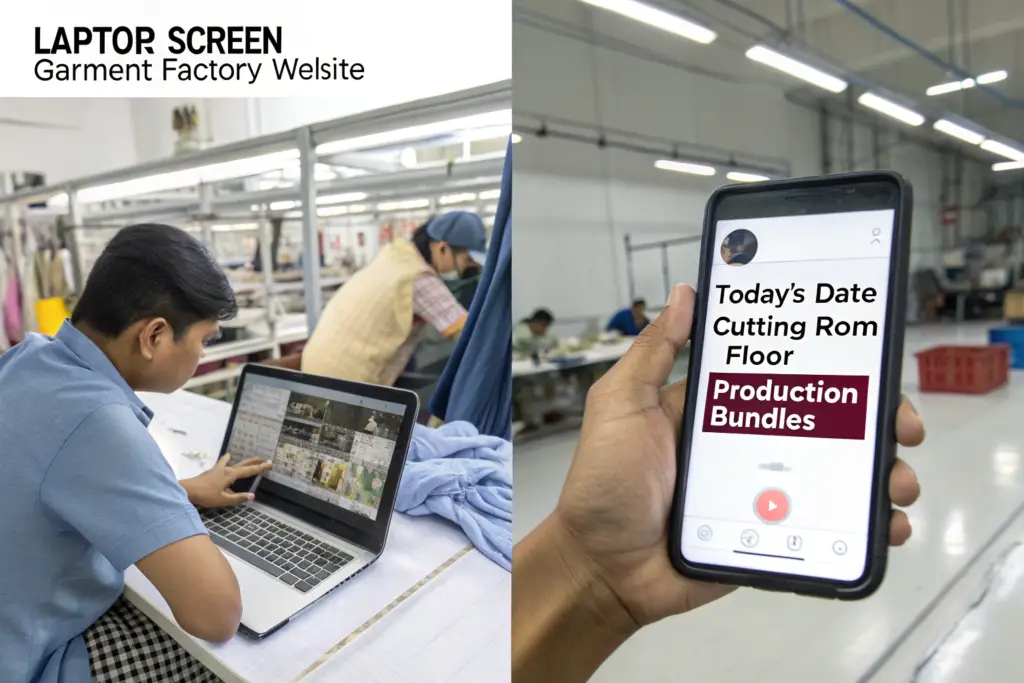
A scammer can steal factory photos once. They can create a convincing website in a week. They cannot sustain six months of daily content from the same production floor with the same workers, the same machines, and the same address visible in the background. Consistency over time is the hardest thing to fake.
Our Instagram account has accumulated hundreds of posts and stories over multiple years. A buyer can scroll back to any month and see our cutting tables, our sewing lines, our quality inspection stations. The same Juki machines appear. The same factory layout is visible. The same faces recur. This temporal consistency is a verification layer that no certificate can replace. A procurement manager from a Midwest distributor told me he spent two hours scrolling through our Instagram history before reaching out. He said the consistency of the environment across two years of posts was the single factor that convinced him we were a real factory, not a trading company with a rented showroom. This is the power of social media as a factory verification tool. The timestamp on each post, combined with the recognizable physical environment, creates a body of evidence that compounds in credibility over time. We do not delete old content that shows a messy cutting table or a temporarily disorganized trim shelf. The reality includes imperfection. A feed that is too perfect looks staged.
What Role Do Employee-Featured Posts Play in Humanizing the Factory?
A factory is not a building. It is the people inside it. When a buyer sees the same pattern maker, the same quality inspector, and the same sewing line supervisor appearing in content over months, these individuals become familiar. The buyer develops a sense of the team behind their product. This human connection reduces the perceived distance between the brand owner in New York and the production team in Shanghai.
We feature our team members regularly, with their consent. Our head pattern maker, Ms. Wang, appears in posts explaining pattern adjustments for complex designs. Our quality manager, Mr. Li, demonstrates measurement techniques on finished garments. These are not polished corporate profiles. They are short, authentic videos of skilled professionals doing their work. A brand owner who has watched Ms. Wang explain a sleeve pitch adjustment in three different videos feels they know her competence. When their own design arrives for sampling, they trust that Ms. Wang will handle it with the same care. This factory team transparency builds a relational trust that a generic "Our Team" page on a website cannot approach. The buyer is not outsourcing production to a company name. They are partnering with a specific group of skilled individuals they have observed over time.
Which Social Media Platforms Does Fumao Use to Reach Different Buyer Personas?
Different buyers spend time on different platforms. A 45-year-old CEO of an established apparel brand is likely active on LinkedIn and Facebook, seeking professional content and industry insights. A 30-year-old founder of a direct-to-consumer streetwear label is likely active on Instagram and TikTok, seeking visual inspiration and authentic behind-the-scenes content. Treating all platforms the same, or ignoring the platforms where specific buyers spend their time, misses the opportunity to build trust with the full spectrum of potential partners.
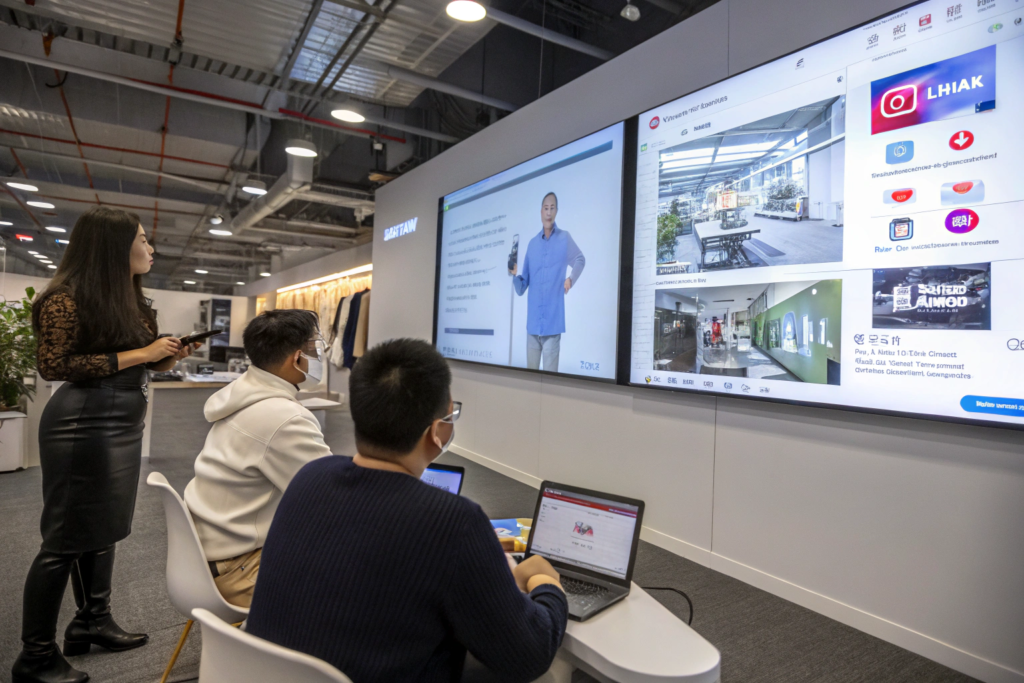
Shanghai Fumao maintains an active, platform-specific presence on LinkedIn for B2B professional credibility and long-form technical content, Instagram for high-quality visual proof of production capability and garment aesthetics, TikTok for short-form factory transparency videos that humanize the manufacturing process, and Facebook for community engagement and longer-form client success stories. Each platform serves a distinct buyer persona and content format, but all convey the same core message of verifiable manufacturing competence.
How Does LinkedIn Content Target Professional Buyers and Distributors?
LinkedIn is where decisions are made. Procurement directors, sourcing managers, and brand CEOs use LinkedIn to research potential partners, validate professional credibility, and stay informed about industry developments. Our LinkedIn strategy centers on demonstrating technical expertise and operational transparency in formats that professionals consume during their workday.
We publish weekly articles that address specific sourcing challenges: how to verify a factory's BSCI certification, how to engineer a fabric for moisture management, how to structure a DDP shipping agreement. These articles are not sales pitches. They are technical resources written from the perspective of a practitioner. They include specific data, testing standards, and project examples. When a sourcing director at a large retail chain reads our article on CPSIA compliance testing workflows and sees the specific lab equipment and testing protocols we use, they are evaluating our competence on a technical level. They are not being sold to. They are being informed by a peer. Our LinkedIn company page also shares updates on apparel industry trends and supply chain management that demonstrate our engagement with the broader industry context beyond our own factory walls. This positions Shanghai Fumao as a knowledgeable industry participant, not just a service provider. Professional buyers who engage with our LinkedIn content often arrive at the first sales conversation already convinced of our technical capability. The sales conversation then focuses on their specific project needs rather than on proving our legitimacy.
How Do Instagram and TikTok Attract Emerging Brand Founders?
Instagram and TikTok are the discovery platforms for the next generation of apparel brand founders. These buyers are often earlier in their sourcing journey. They may not know what BSCI stands for yet, but they know what quality looks and feels like. They are visually literate and authenticity-sensitive. They scroll past polished ads and stop at content that feels real.
Our Instagram grid is a visual portfolio of our work: close-up shots of stitching details, flat-lays of completed custom garments, side-by-side comparisons of tech pack sketches and finished products. Our Stories feature daily snippets from the production floor: fabric arriving from the mill, the cutting machine in operation, a QC inspector measuring a garment. These are not high-production-value videos. They are shot on a smartphone with factory lighting and ambient machine noise. The authenticity is the production value. Our TikTok content takes the same approach in shorter, more dynamic formats. A 30-second video of a specialized sewing machine attaching a complex pocket detail, set to trending audio, communicates manufacturing capability to a viewer who may have never seen the inside of a factory. A founder scrolling TikTok at midnight discovers that the exact construction technique they want for their brand exists and is being performed skillfully. The comment section becomes a direct communication channel. We respond to technical questions publicly, demonstrating our willingness to engage and educate. This social media for manufacturers strategy converts passive viewers into active leads by providing visual proof of capability in the platforms where emerging founders already spend their time.
What Types of Social Media Content Prove Manufacturing Competence?
Posting random factory photos proves you have a factory. It does not prove you can manufacture complex garments to exact specifications. The content must demonstrate competence, not just existence. A buyer who watches a video of a technician solving a seam puckering problem on a difficult fabric learns more about the factory's capability than they would from fifty generic "quality is our priority" posts. The content format must match the proof being offered.
Content that proves manufacturing competence falls into four categories: process demonstration videos showing specific, skilled operations in real-time; problem-solution case studies narrating a technical challenge, the attempted solutions, and the final result with data; client project spotlights featuring a completed order with the brand's permission and measurable outcomes; and live, interactive sessions where viewers ask technical questions and receive immediate, specific answers. This content mix covers the full spectrum from visual proof to data-backed evidence to interactive verification.

How Do "Problem-Solution" Posts Demonstrate Technical Expertise?
A post that says "We solved a quality issue" is generic and unconvincing. A post that explains the specific problem, the diagnostic process, the solutions attempted, and the final result with quantitative data is a powerful demonstration of technical expertise. It shows the factory's engineering mindset, not just its sewing capability.
Last fall, we posted a LinkedIn article about solving seam slippage on a lightweight silk charmeuse blouse for a women's brand. The post detailed the initial fabric test results showing seam slippage at 12 pounds of force, below the brand's 15-pound standard. It described our investigation: checking needle type, stitch density, seam allowance, and thread tension. It revealed that switching from a universal needle to a microtex needle, increasing stitch density from 10 to 13 stitches per inch, and adding a fusible seam tape increased the seam strength to 19 pounds in subsequent testing. The post included photos of the test reports. A brand owner who read that post understood that we approach problems methodically, we use testing data rather than guesswork, and we document our results. He contacted us specifically because his current factory could not solve a similar issue on a viscose fabric. This technical garment manufacturing content converts readers into leads because it proves capability in the specific language that experienced buyers understand.
Why Do Live Factory Walkthroughs Generate High Buyer Engagement?
A pre-recorded factory tour video can be edited. A bad moment can be cut. The factory floor can be staged for the filming window. A live video broadcast eliminates these possibilities. The viewer sees the factory in real-time, with all the imperfections and realities of a working production floor. The host responds to viewer questions and requests in real-time. "Show me the fabric storage area." "Zoom in on that machine's brand plate." "Pan left and show me the fire exit." These real-time commands function as an interactive verification process.
We host monthly live factory walkthroughs on Instagram and LinkedIn. The format is simple: I or our production manager walk the floor with a smartphone, narrating what is happening on each line, answering viewer questions as they appear. A recent live session attracted a procurement director from a major sportswear brand. He asked to see the specific machine that would produce his product category. We walked to that line and showed him the Juki overlock machines, the current production batch, and the QC station at the line's end. He submitted a formal inquiry the next day. The live interaction compressed weeks of email-based trust-building into thirty minutes. This live factory tour streaming capability is something only a factory with genuine operational transparency can offer. A factory with something to hide cannot risk an unscripted live broadcast.
How Does Social Media Feedback Create a Public Accountability Record?
A factory that only communicates through private email and phone calls operates in the dark. Promises are made. Promises are broken. There is no public record. A factory that communicates openly on social media creates a permanent, public record of its statements, commitments, and responses to criticism. This public accountability is a powerful check on behavior and a powerful signal to potential buyers that the factory is confident enough in its performance to operate transparently.
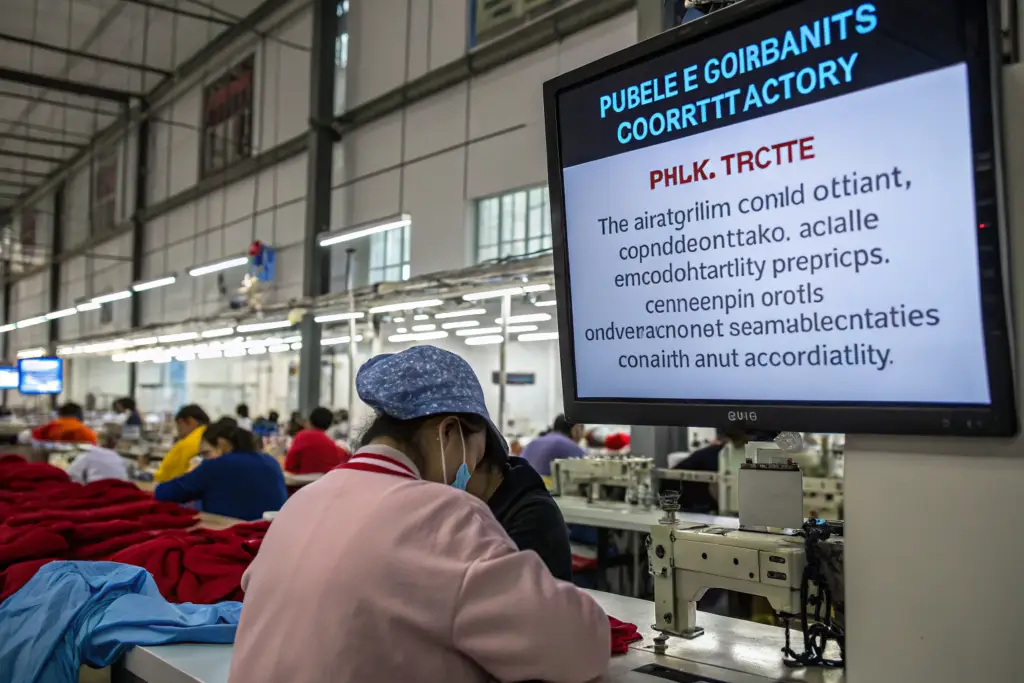
Social media feedback creates a public accountability record that protects buyers and incentivizes factory performance. When a buyer asks a technical question publicly and receives a specific, verifiable answer, that answer becomes a permanent reference. When a client shares feedback about a completed project, positive or constructive, that feedback becomes a public testament. A factory that engages openly with public feedback demonstrates confidence that its performance will withstand public scrutiny.
How Do Public Responses to Technical Questions Build Credibility?
When a buyer emails a technical question privately, the answer benefits only that buyer. When a buyer asks the same question in the comments section of a LinkedIn or Instagram post, and the factory provides a detailed, knowledgeable answer, that answer becomes a permanent public resource. Other buyers researching the same question discover the exchange through search or scrolling. They see the factory's expertise demonstrated in a real, unscripted interaction.
We treat public technical questions as opportunities to demonstrate expertise at scale. A comment asking about our minimum order quantity for custom embroidery received a detailed reply explaining our tiered MOQ structure, the cost breakdown at each tier, and the branding methods available at each volume. That comment thread has been viewed by dozens of other potential buyers researching the same topic. Each view is a micro-conversion, building familiarity and credibility. Public responses also reveal response quality and timeliness. A buyer can observe how long it takes us to reply, whether our replies are substantive or generic, and how we handle challenging or critical questions. This social media customer engagement is a preview of what the buyer can expect as a client. If a factory's public responses are slow, vague, or defensive, the private experience is unlikely to be better.
Client testimonials on a factory's website are selected by the factory. They are curated, edited, and inherently suspect. When a client voluntarily posts about their experience on their own social media account, tagging the factory, the testimonial carries completely different weight. It is unsolicited. It is public. It is attached to the client's real identity and professional reputation.
We encourage our brand partners to share their production journey on social media, but we never script or review their content. When a sustainable womenswear brand posted an Instagram story unboxing their first shipment from Shanghai Fumao, showing the garment details and praising the quality, their followers saw an authentic endorsement. Several of their followers, who were also brand founders, contacted us for quotes. The referral came through public, visible trust transfer, not a private introduction. We reshare these client posts with gratitude, never with edits. The public nature of the feedback creates a virtuous cycle. Potential buyers see real clients vouching for us on their own channels, using their own words. This user-generated content in B2B is the most powerful marketing asset a manufacturer can have, and it cannot be bought. It can only be earned by delivering quality that compels clients to share their experience publicly.
Conclusion
Social media is the most underutilized trust-building tool in the apparel manufacturing industry. Most factories use it poorly, posting generic content that reveals nothing and convinces no one. A top clothing manufacture uses it strategically, posting timestamped, consistent, technically detailed content that allows a buyer to verify the factory's existence, capability, and culture without leaving their desk. The buyer who scrolls through two years of Instagram posts, watches a LinkedIn technical article, views a TikTok production floor video, and reads public comment threads arrives at the first sales conversation with a level of trust that traditionally required an in-person factory visit.
At Shanghai Fumao, our social media presence is not a marketing department project. It is a direct reflection of our factory floor. What you see on our Instagram Stories is what you would see if you walked through our door. What you read in our LinkedIn articles is the technical knowledge we apply to your orders. What you observe in our public comment replies is the communication quality you will experience as a client. We invest in social media transparency because we believe an informed buyer is the best long-term partner.
If you are researching manufacturing partners and want to verify our claims independently before you even contact us, follow our social channels. Watch our live factory walkthroughs. Read our technical articles. Scroll through our production floor content history. See if the consistency, quality, and transparency match the standard you demand for your brand. Then, when you are ready, contact our Business Director, Elaine, at elaine@fumaoclothing.com. Let us move from social media proof to a concrete production plan for your next collection.