I walked through our fabric warehouse last year and stopped at a shelf holding 200 meters of a beautiful, heavy-weight Italian wool suiting. It had been sitting there for three seasons. It was the surplus from a brand’s overorder. The original brand had moved on to a new collection. The fabric was too good to throw away, too small a quantity for a major production run, and completely forgotten by the market. A new brand owner, a young designer launching her first sustainable collection, visited our facility the same week. She touched the wool and her eyes lit up. She designed a limited run of 50 structured blazers. She marketed them as "Made from rescued Italian deadstock, limited to 50 pieces." The entire collection sold out in 72 hours. The fabric that was one season away from the landfill became the foundation of a sold-out debut. That moment crystallized a shift that is reshaping the entire apparel industry.
Innovative upcycling and deadstock fabrics have become a massive trend for sustainable apparel brands because they solve the three biggest challenges of sustainable fashion simultaneously. First, they solve the "virgin resource problem" by using materials that already exist. Second, they solve the "scale problem" by allowing small brands to access premium, high-quality materials in small quantities without meeting massive minimum order quantities. Third, and most powerfully, they solve the "storytelling problem." Every bolt of deadstock fabric has a history—a mill overrun, a cancelled order, a vintage surplus—that brands can use as authentic marketing material. In an era where consumers are increasingly skeptical of vague "eco-friendly" claims, deadstock and upcycled fabrics provide a tangible, provable sustainability narrative. The trend is not about looking recycled. It is about creating beautiful, high-quality products from materials that already exist, and turning the supply chain’s waste into a brand’s competitive advantage.
The deadstock and upcycling movement is not a fringe aesthetic. It is a structural response to the staggering waste of the fashion industry, where an estimated 15% to 25% of all fabric produced is never used. Brands that can access these materials, and build their identity around their rescue and reuse, are finding a deeply engaged, loyal customer base. I want to share how our brand partners at Shanghai Fumao are leveraging this trend, and how you can build a sustainable brand on the foundation of rescued fabrics.
How Do Deadstock Sourcing Platforms Solve the “Small Batch Premium Fabric” Crisis for Startups?
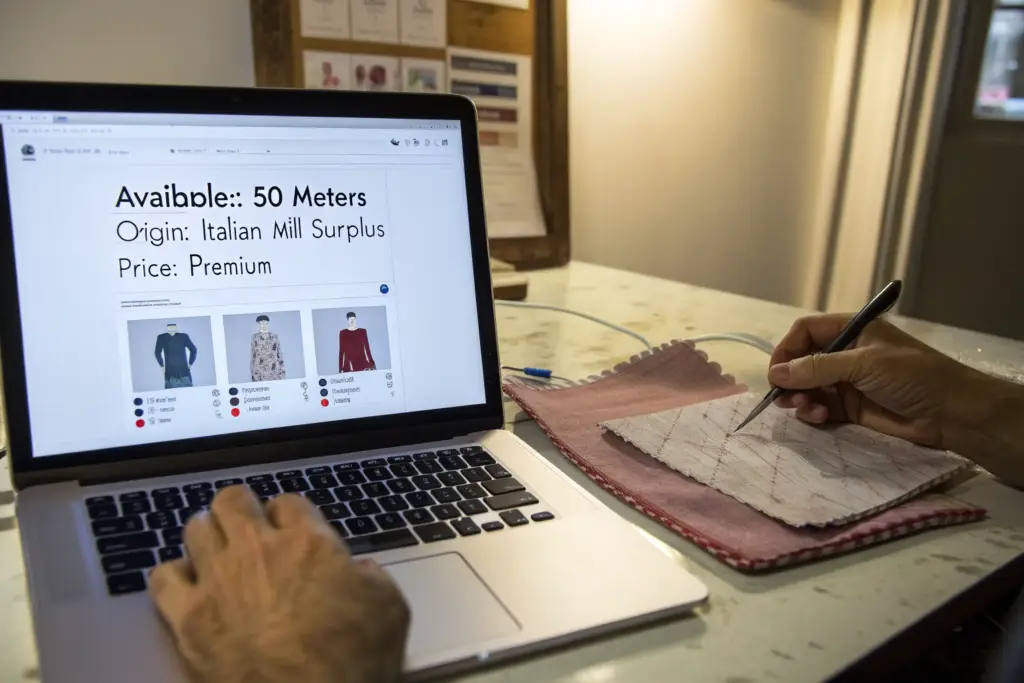
A startup brand owner once told me her biggest frustration was not being taken seriously by fabric mills. She needed 100 meters of a high-end organic cotton for her first collection. The mills she contacted had minimum order quantities of 1,000 to 3,000 meters. She could not afford to buy ten times the fabric she needed, and she could not afford to store the surplus. She was locked out of premium materials by the economics of the traditional supply chain. I introduced her to a deadstock fabric platform. She found a batch of 120 meters of the exact organic cotton she wanted, originally produced for a major brand that had over-forecasted. She bought the entire batch at a slight discount to the original mill price. She got her premium fabric, in the right quantity, with a story to tell.
Deadstock sourcing platforms like Queen of Raw, AmoThread, and various regional suppliers solve the small-batch crisis by aggregating surplus fabrics from mills, brands, and factories worldwide and making them available in small, accessible quantities. The economics of traditional textile production are built on volume. Mills produce thousands of meters of a single fabric to achieve efficiency. Brands that need small quantities are not economically viable customers for these mills. Deadstock platforms break this barrier. The minimum order quantity is not determined by the mill’s production minimum, but by what is physically available in the surplus inventory. A startup can buy 50 meters, 80 meters, or 150 meters of a premium fabric, whatever the lot size happens to be. This accessibility allows small brands to use high-end materials that would otherwise be reserved for massive corporations. The brand can offer a quality product that competes with the majors, but with a sustainability story and a limited-edition exclusivity that the majors cannot match.
The deadstock model is not just a workaround for small brands. It is a fundamentally different way of sourcing that aligns with the values of a new generation of consumers. The fabric’s history becomes part of the product’s value, not a compromise.
What Are the Key Quality Checks to Ensure “Deadstock” Fabric Isn’t Degraded or Moldy?
Deadstock fabric has often been stored for months or years. You must check for three things. First, color fastness to light. The outer layer of a stored roll may have faded due to light exposure. Cut past the first 2 meters for your quality sample. Second, moisture damage. Smell the fabric. A musty odor indicates mold or mildew, which can permanently weaken cellulose fibers. Third, tensile strength. A fabric that has been stored under tension may have lost strength. A simple pull test, comparing the deadstock to a known standard, can reveal degradation. Always order a sample first and test it thoroughly before buying the full lot.
How Can You Verify the “Authenticity” of a Mill Overrun Story to Avoid Being Sold Standard Wholesale Fabric?
Ask for documentation. A legitimate deadstock seller can often provide the original mill delivery note, with the mill’s name, the fabric article number, and the original order date. They may redact the original buyer’s name, but the fabric’s origin should be verifiable. If the seller cannot provide any documentation, or claims the documentation was "lost," the fabric may simply be standard wholesale inventory being marketed with a "deadstock" story to command a higher price.
What Are the Creative Design Methodologies That Turn Fabric Scraps into High-Value Luxury Products?
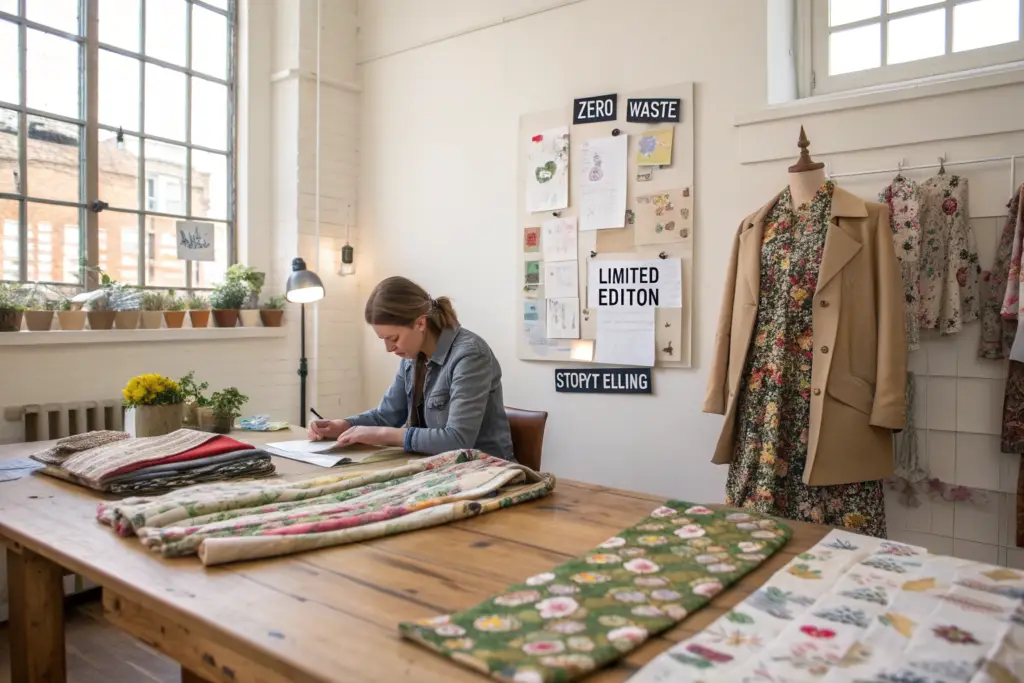
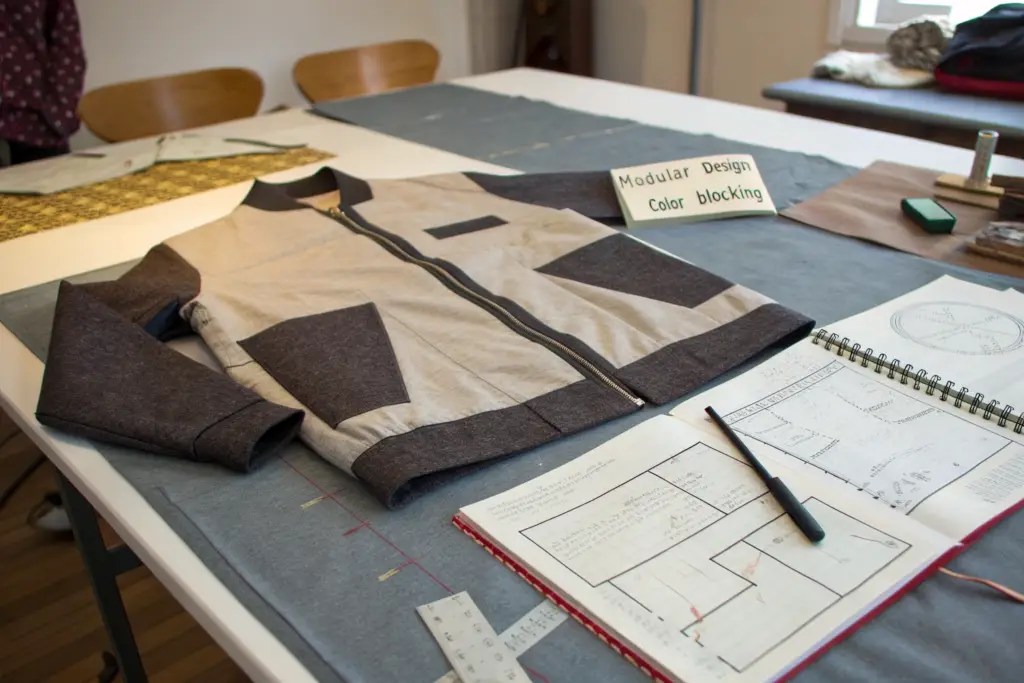
I visited a brand’s studio where the designer showed me a stunning bomber jacket made from 14 separate pieces of surplus fabric. It was not a patchwork in the traditional sense. The seams were intentional, following the body’s lines. The different textures, a matte navy nylon, a slightly shiny black twill, a grey wool, were composed like a modernist painting. The jacket was beautiful because of the patchwork, not despite it. The designer had developed a modular pattern system that adapted to the available fabric shapes rather than forcing the fabric to fit a standard pattern.
Creative design for upcycling requires a shift from "fabric sourcing follows design" to "design adapts to available fabric." Traditional design starts with a sketch and sources fabric to match it. Upcycling design starts with the available fabric scraps and creates a design that uses them efficiently. The key methodologies include modular pattern making, where garment panels are designed to be interchangeable, allowing different fabric pieces to be used for the same panel across different garments. Color blocking and intentional seam placement are used to turn the limitations of scrap sizes into aesthetic features. Zero-waste pattern cutting, where the pattern is designed so that every scrap of a specific fabric piece is used in the garment, eliminates cutting waste entirely. These methodologies require a more flexible, creative design process, but they produce garments with a unique, one-of-a-kind character that commands a premium price.
The value in upcycled design is not just in the material’s history. It is in the visible craftsmanship. A garment that is cleverly constructed from scraps tells a story of human ingenuity. Customers pay for that story, and for the knowledge that their purchase is genuinely one of a limited, unrepeatable run.
How Does “Modular Pattern Making” Allow Consistent Silhouettes Across a Mix of Unpredictable Fabrics?
Modular pattern making breaks a garment down into standardized component blocks, a sleeve panel, a bodice front, a collar stand. The designer creates multiple variations of each block, all with the same seam lengths and connection points. When a batch of scraps arrives, the designer selects the blocks that best fit the available fabric pieces. The final garment maintains the intended silhouette because the blocks are interchangeable, but the fabric composition changes from piece to piece. This allows a brand to offer a consistent style in their catalog while using wildly inconsistent raw materials.
Why Is “Fabric-Positive” Marketing More Effective Than “Eco-Guilt” Messaging for Selling Upcycled Apparel?
"Eco-guilt" messaging tells the customer they are a bad person for buying fast fashion. "Fabric-positive" messaging tells the customer they are a savvy, stylish person for discovering a unique, limited-edition piece with a cool origin story. The former is a lecture. The latter is an invitation. Deadstock and upcycled brands succeed when they focus on the beauty, rarity, and craftsmanship of the product, with sustainability as a positive attribute, not the entire reason for being.
How Does the “Limited Edition” Nature of Deadstock Materials Create Scarcity-Driven Wholesale Demand?
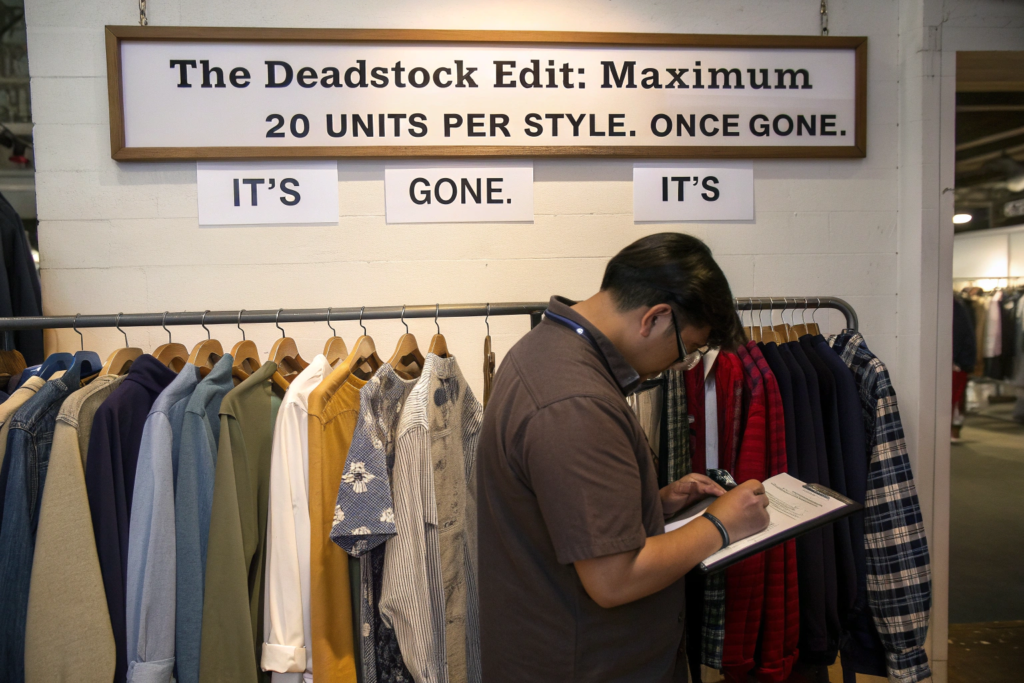
A brand owner presented her deadstock collection at a trade show last season. Her line sheet had a column that no other brand had: "Maximum Available Units." One style had 15 units available. Another had 8. The retail buyers responded with immediate urgency. They knew they could not wait until the end of the show to place their orders. If they hesitated, the limited stock would be allocated to a competitor. The brand sold out her entire collection in the first day of the show. The scarcity created by the limited deadstock supply was a more powerful sales driver than any discount she could have offered.
The limited-edition nature of deadstock fabrics is a built-in scarcity engine. A brand that sources deadstock cannot reorder the same fabric. Once the specific lot is used, the product is gone forever. This creates urgency at every level of the supply chain. Wholesale buyers know that if they do not order immediately, the product will not be available for restock. They are buying not just a garment, but a limited inventory window. End consumers learn that the brand’s products are genuinely limited, not artificially scarce. This builds a culture of immediate purchase and reduces the brand’s reliance on markdowns. The scarcity is authentic, not manufactured. It is a structural feature of the deadstock supply chain, and it drives higher sell-through rates and stronger margins.
The scarcity story is also highly marketable. The brand can post on social media: "Only 12 of these jackets exist. Made from rescued Italian wool. Link in bio." The limited quantity creates social proof and FOMO. Consumers who buy the product feel they own something special, not a mass-produced commodity.
How Should You Structure a Wholesale Line Sheet to Communicate Scarcity Without Sounding Desperate?
Add a "Max Units" column next to the wholesale price. This communicates the factual limitation without any emotional language. The buyer sees the number and makes their own urgency calculation. Also, note the specific deadstock origin: "Fabric: Italian Mill Surplus, 80 meters total available." This transparency builds trust and explains the scarcity in a credible way. It is not a marketing gimmick. It is a supply chain reality.
What Is a “Fabric Provenance” Hang Tag and How Does It Justify a 20% Premium Price?
A fabric provenance hang tag tells the story of the specific deadstock material used in that garment. "This jacket was made from surplus wool originally woven for a luxury Italian tailoring house. We rescued 120 meters of this fabric and created a limited run of 60 jackets." The tag provides authenticity, exclusivity, and a direct link to the sustainability mission. The customer who reads this tag understands why the garment costs more. They are not paying for a generic brand markup. They are paying for a rescued, limited, premium material.
Conclusion
The massive trend toward innovative upcycling and deadstock fabrics is not a passing fashion. It is a fundamental realignment of how small and medium brands access premium materials. Deadstock solves the small-batch sourcing crisis that has locked startups out of high-quality fabrics for decades. Creative upcycling design turns supply chain waste into unique, high-value products that tell a story no virgin material can match. The limited-edition nature of deadstock creates authentic scarcity that drives wholesale demand and full-price sell-through.
The fabric sitting on our warehouse shelf for three seasons was not waste. It was an opportunity waiting for the right brand to see its value. The young designer who turned that wool into sold-out blazers understood something that the entire industry is now waking up to: sustainability is not a constraint on creativity. It is a source of it.
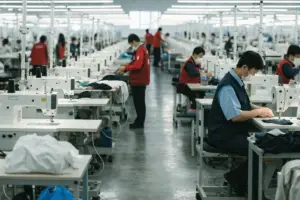
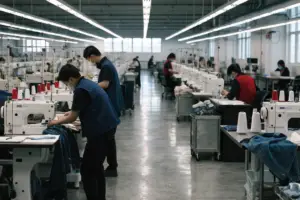
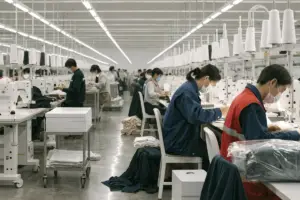
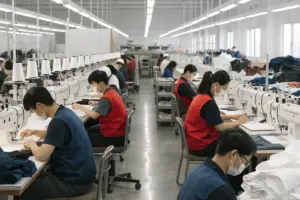
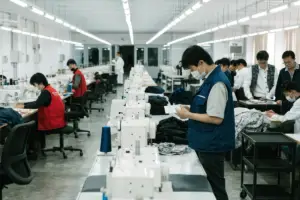
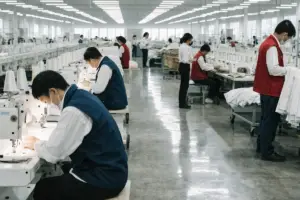
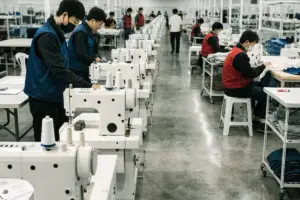
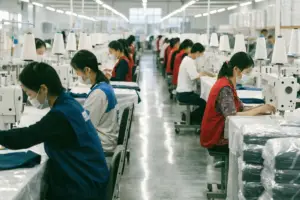
At Shanghai Fumao, we actively support brands that build their collections around deadstock and upcycled materials. We maintain an inventory of surplus fabrics from our production runs, offer access to deadstock sourcing networks, and provide the flexible, small-batch manufacturing that upcycled collections require. We can help you source rescued fabrics, develop modular patterns, and produce limited-edition runs that command premium prices.
If you are interested in launching a deadstock or upcycled collection, we can help you access the materials and the manufacturing flexibility you need. At Shanghai Fumao, we can share our current deadstock inventory list and discuss small-batch production options. Contact our Business Director, Elaine, at elaine@fumaoclothing.com. She can send you a sample deadstock fabric swatch pack and a case study of a successful upcycled collection we have produced. Let’s rescue beautiful fabrics and turn them into something extraordinary.