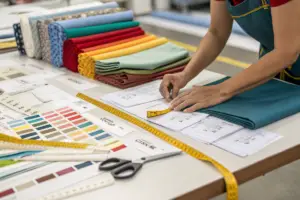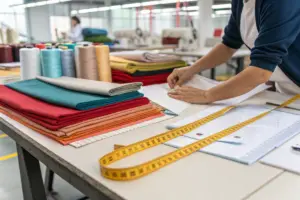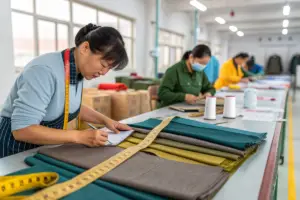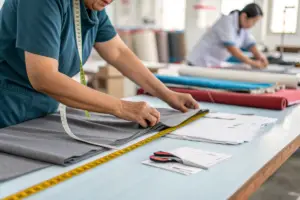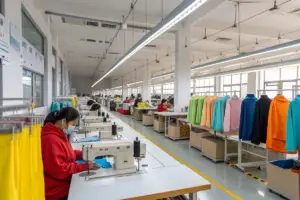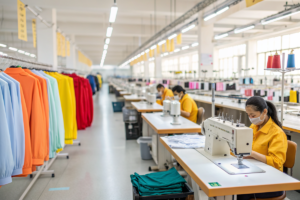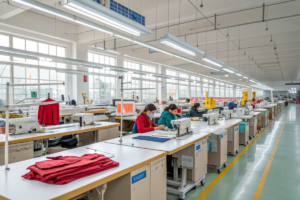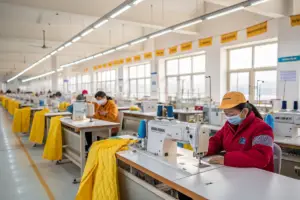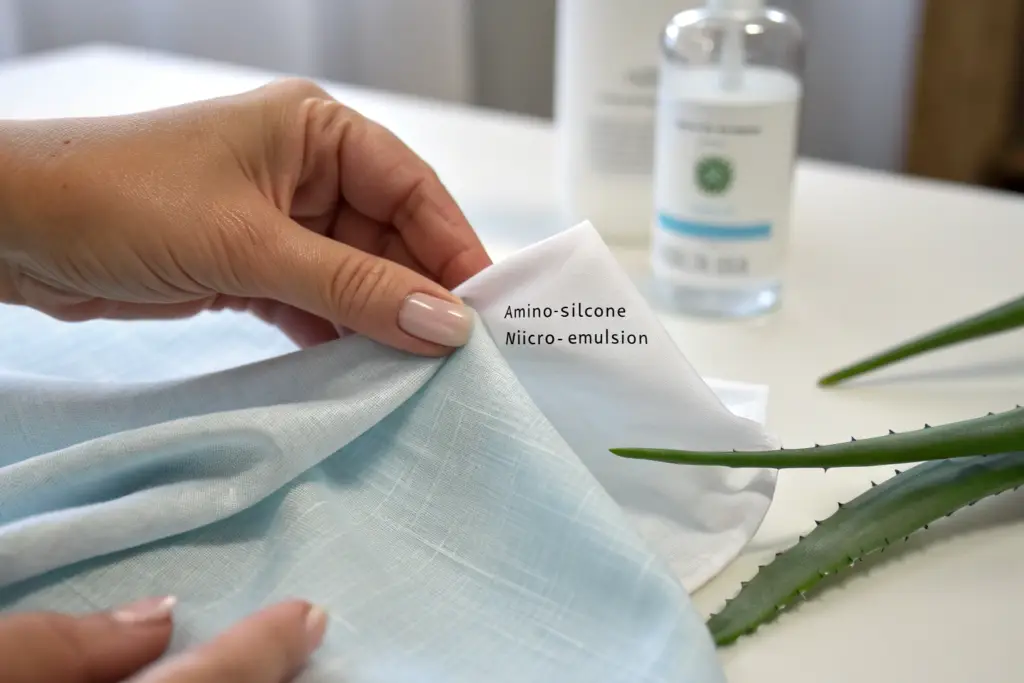
I once had a brand owner storm into my office holding a beautiful batch of linen shirts. She was furious. She had paid a premium for high-end European flax, but the fabric felt like sandpaper. "No one is going to put this on their skin," she said. She was right. The harsh, crispy hand feel of the untreated linen would irritate anyone wearing it in the summer heat. The problem was that the factory had skipped a crucial step. They had not applied the bio-polishing enzyme treatment we had specified. The fabric had the right weight and the right color, but it was unwearable. We rushed the batch back to the dye house for an emergency enzyme wash. Two days later, the same fabric came back with a soft, velvety touch that felt cool against the skin. The shirts sold out. That day, the brand owner learned that the finish is not an afterthought; it is the skin-friendliness of the garment.
The softening treatments that truly enhance the skin-friendliness of summer fabrics are those that remove mechanical irritation without blocking breathability. The most effective are cellulase enzyme bio-polishing for cotton and linen, which eats away the microscopic fuzz and sharp fiber ends that cause itching, leaving a permanently smooth surface. For high-end cellulosics like Tencel and modal, a hydrophilic silicone micro-emulsion is the gold standard, providing internal lubrication that reduces friction against sensitive skin. For protein fibers like silk, a gentle amino acid derivatization treatment restores the natural softness lost during degumming without creating a greasy surface. Critically, for a treatment to be considered skin-friendly, it must pass an OEKO-TEX or GOTS certification to guarantee no residual formaldehyde or allergenic cationic surfactants remain on the fabric. These treatments not only make the fabric feel pleasant, but they also prevent micro-abrasions and heat rashes, which is the very definition of skin-friendliness.
Summer exposes the skin to friction in ways winter clothing does not. There are no heavy layers to absorb the rubbing. The fabric touches the skin directly, often on hot, slightly damp skin. Any roughness in the fiber is magnified into discomfort. A beautiful summer dress that feels scratchy by noon is a failed product. I want to share the specific chemistry and mechanical processes we use at Shanghai Fumao to ensure our brand partners' garments feel as good as they look, all day long.
Why Are Cellulase Enzyme Washes the Absolute Foundation for Skin-Friendly Cotton and Linen?
I remember a children's wear brand that switched to a cheaper, non-bio-polished cotton to save $0.30 per garment. Within a month, their return rate spiked. Parents complained that the t-shirts were causing red marks on their toddlers' sensitive skin. Under a microscope, the cheap cotton looked like a thorn bush. The tiny, protruding fiber ends were causing micro-abrasions on delicate skin. We reverted to the enzyme-washed fabric immediately. The returns stopped. That $0.30 saving had cost them thousands in lost customer trust.
Cellulase enzyme bio-polishing is the foundation of skin-friendliness because it physically restructures the surface of the fiber. Cotton, linen, and hemp are natural staple fibers made of cellulose. They have tiny, hair-like fibrils that stick out from the main yarn. These micro-fuzz ends are stiff and sharp, and they cause the "prickly" sensation on hot, sweaty skin. The cellulase enzyme acts like a microscopic pair of scissors. It specifically eats away these protruding fibrils without weakening the strong core of the yarn. The result is a fabric surface that is permanently smooth. Unlike a softener that simply coats the fuzz, bio-polishing removes the irritation at its source. It also reduces pilling, because there are no loose fibers to tangle into rough balls. For babies, eczema sufferers, or anyone wearing a summer garment in the humidity, this treatment is non-negotiable.
The treatment must be precisely controlled. If the enzyme is left on too long, it weakens the fabric. We measure the weight loss of the fabric during the process, strictly targeting a 2-4% reduction. This is the sweet spot where the fuzz is gone, but the tensile strength remains fully intact.
How Does Bio-Polishing Differ from Traditional Sanding or Brushing in Terms of Long-Term Skin Comfort?
Sanding uses abrasive rollers to physically sand the surface of the fabric. Brushing uses metal bristles to pull up a nap. These are mechanical, destructive processes. They make the fabric feel soft initially by tearing the fibers, but they leave weakened, damaged fiber ends. After a few washes, these damaged ends break further, creating new sharp points and pilling. Bio-polishing, in contrast, is a chemical reaction that dissolves the fuzz cleanly. It leaves a smooth, sealed fiber end. The softness is permanent. It actually improves with washing rather than degrading.
Why Is Enzyme-Washed Linen Specifically Critical for Preventing "Heat Rash" Micro-Abrasions?
Linen has a naturally thicker, stiffer fiber than cotton. Untreated linen is notorious for causing "prickle," a sensation that triggers the nerves and can cause visible red welts on sensitive skin in the heat. The enzyme treatment blunts the rigid edges of the linen fibers, turning the crisp, sometimes raspy texture into a fluid, silky drape. This is the only way to make lightweight linen suitable for next-to-skin garments like summer shirts and dresses.
What Are the Safest Chemical Softeners for Sensitive Skin on Silk and Regenerated Cellulosics?
A luxury sleepwear brand we work with switched from a cheap silicone oil to a medical-grade amino-silicone softener. Their customer reviews changed overnight. Previously, customers complained of a "sticky" feeling on humid nights. The cheap silicone was trapping heat against the skin. The new micro-emulsion allowed the silk to breathe while providing a dry, talcum-like glide. The brand was able to market the garments as "hypoallergenic," which dramatically increased their conversion rate with customers who had skin conditions like eczema.
For delicate fibers like silk, Tencel, and modal, the safest softeners are hydrophilic amino-silicone micro-emulsions and fatty acid condensates. These molecules have a unique dual structure: one end anchors firmly to the fiber, while the other provides a soft, lubricating handle. Crucially, the "amino" modification makes the softener hydrophilic, meaning it attracts a microscopic layer of moisture. This keeps the fabric cool and prevents the plastic, sweaty feel caused by standard silicone oils. Unlike cheap cationic softeners that can release formaldehyde or cause allergic contact dermatitis, these premium softeners are designed to form an ultra-thin, mono-molecular layer. They penetrate the fiber rather than sitting on top of it. This provides a "dry softness" that wicks moisture away from the skin rather than repelling it. For anyone with sensitive, rash-prone skin, this is the safest chemistry available.
The certification of the softener is paramount. You must ensure the chemical supplier provides a valid OEKO-TEX or GOTS certificate. There are softeners that feel identical but contain trace amounts of allergenic isothiazolinones as preservatives. We only work with chemical suppliers who provide full toxicological disclosure.
How Can You Test a Fabric for Residual Formaldehyde or Allergenic Surfactants Before Bulk Production?
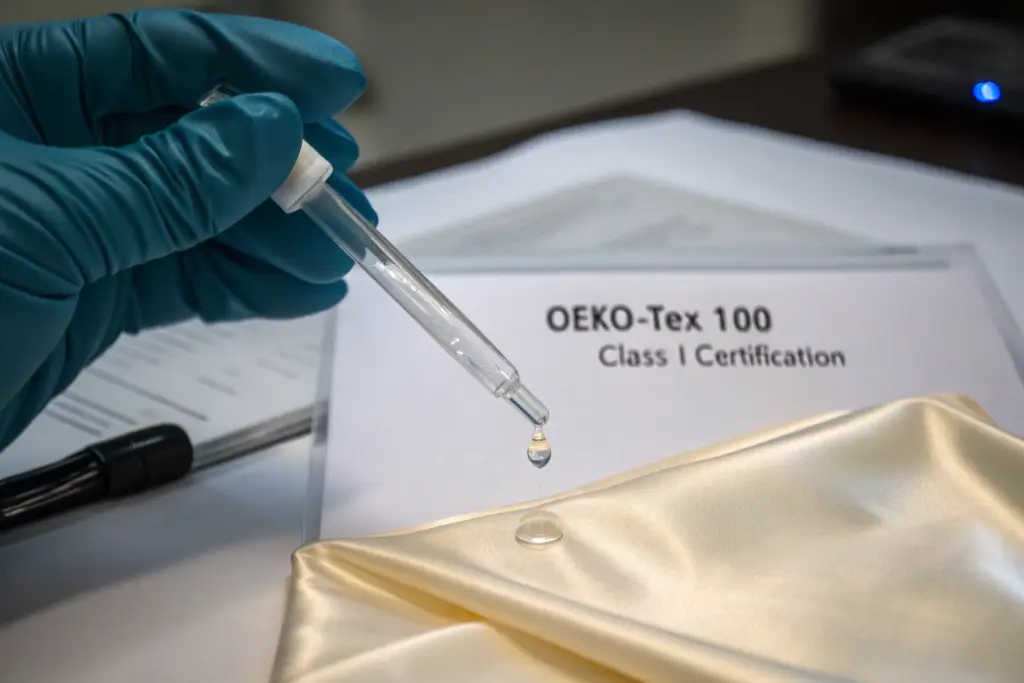
The only reliable method is a third-party lab test. We send a sample of the treated bulk fabric to an ISO 17025 accredited lab and request a "Free and Hydrolyzed Formaldehyde Content" test according to ISO 14184-1. For kids' wear or sensitive skin products, the result must be "Not Detectable" (below 16 ppm). For allergenic surfactants, we request a "Sensitizing Disperse Dyes and Surfactants" screening. A simple "wash and sniff" test is not sufficient. Allergens are often odorless. The lab report is the only proof that the softener is safe for human skin.
Why Are Hydrophilic Silicones Preferred Over Hydrophobic Ones for Summer Sportswear?
Hydrophobic silicones repel water. This is great for a raincoat, but terrible for a summer running shirt. If sweat cannot spread through the fabric, it sits on the skin, causing discomfort and rashes. A hydrophilic silicone does the opposite. It pulls moisture into the fabric and spreads it out so it evaporates quickly. This cooling effect is essential for skin health in hot conditions.
How Do Natural Oil Treatments (Aloe, Coconut, Amino Acids) Perform Against Synthetic Chemical Softeners?
There is a powerful marketing appeal to "Aloe Vera Treated" pajamas, but I have had to manage expectations with brands about their durability. A brand once demanded we finish their fabrics with pure aloe vera. We did. The initial hand feel was incredible, cool and slippery. After three washes, the aloe vera had completely washed out, and the fabric reverted to its original state. Customers complained. We had to switch to a "dual-action" treatment: an aloe vera and vitamin E micro-capsule embedded in a reactive silicone binder. This gave the marketing story of aloe with the wash durability of synthetic chemistry.
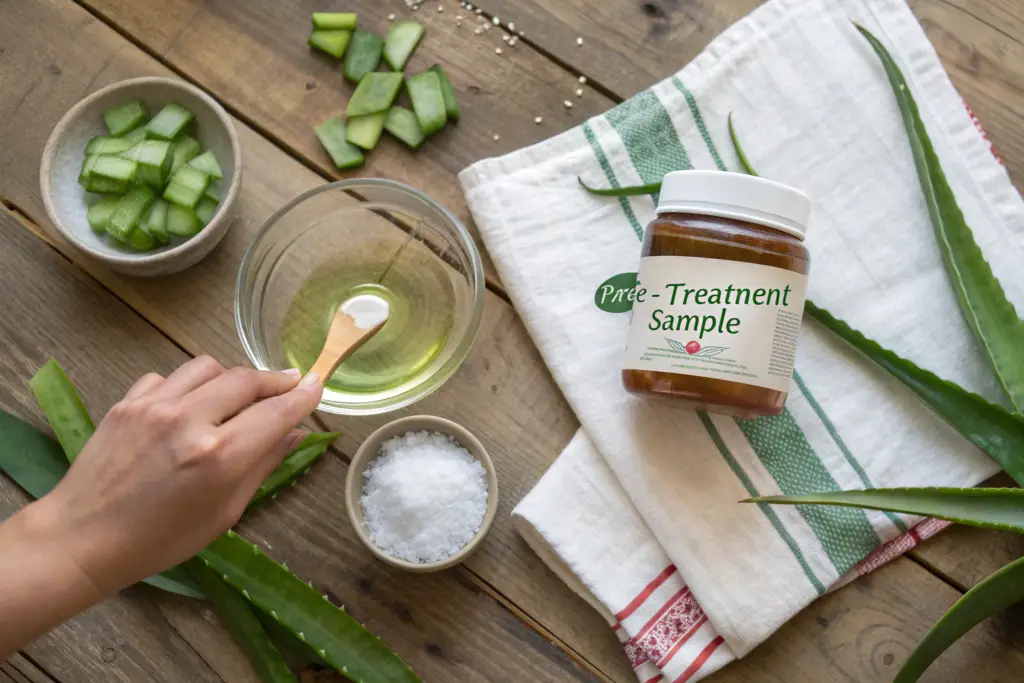
Natural treatments like aloe vera, coconut oil, and silk amino acids offer genuine benefits for initial skin-friendliness. Aloe vera has well-documented anti-inflammatory and cooling properties. Amino acids can mimic the skin's natural moisturizing factor, reducing static and friction. However, they are generally not wash-fast. They sit on the surface of the fiber and are removed by detergents. To achieve lasting skin benefits, these natural agents must be encapsulated in a slow-release micro-capsule technology and bonded to the fabric with a cross-linking agent. A pure coconut oil finish, for example, is not commercially viable because it goes rancid and oxidizes, causing yellow stains. The most effective modern approach combines a natural functional agent (for marketing and instant sensorial impact) with a synthetic binder (for durability). This hybrid approach is the only way to pass a 20-wash durability test.
The marketing power of "Aloe Vera Finish" is undeniable, and it genuinely does reduce the initial friction coefficient. But the brand must be transparent. The best practice is to market it as a "Wash-Durable Aloe Micro-Capsule Treatment," which accurately reflects the technology.
How Do Amino Acid-Based Softeners (Silk Protein) Actually Repair Fiber Damage?
Silk amino acids have a molecular structure very similar to human skin and hair. When applied to damaged cotton or silk fibers, the small peptide molecules fill in the microscopic cracks and gaps on the fiber surface caused by weaving friction. This "repairs" the smoothness of the yarn. It is not just a coating; it is a filler. This significantly reduces the friction coefficient, making the fabric feel almost identical to virgin, undamaged material.
What Is the "Ten Wash" Durability Challenge for Natural Conditioners?
Any natural treatment must be subjected to a "Ten Wash Challenge." You cut a sample of the treated fabric, measure its hand feel with a Kawabata system or manual touch panel, wash it ten times according to AATCC standards, and measure the hand feel again. A pure aloe treatment will lose 90% of its softness. A micro-encapsulated treatment might lose only 20%. Before launching a "natural softness" product, brands must have this data. If the softness washes out, the customer will feel betrayed.
Conclusion
The skin-friendliness of a summer fabric is not an inherent property of the fiber. It is an engineered outcome of the finishing process. Whether using cellulase enzymes to permanently scour away the irritating fuzz of linen, applying medical-grade hydrophilic silicones to give silk a dry, cooling glide, or encapsulating aloe vera to soothe the skin wash after wash, the treatment is what makes the difference between a garment that feels good at 8 AM and one that feels comfortable at 3 PM on a hot day.
The brand that understands these finishes can sell with confidence, knowing their products will not cause the micro-abrasions, heat rashes, or allergic reactions that generate returns. The brand that ignores the finish, and simply buys "100% Linen," is gambling with their customer's skin. In the summer, skin is the final judge. The right softening treatment ensures the verdict is always positive.
At Shanghai Fumao, we treat finishing as a critical part of the manufacturing process. We maintain a library of certified, skin-safe finishing agents. We conduct wash durability tests and friction coefficient measurements in-house before the fabric goes to the cutting table. We can help you select the precise enzyme wash or silicone emulsion that matches your fabric weight and your customer's skin sensitivity.
If you are developing a summer line and want to guarantee next-to-skin comfort, let's discuss the right treatment for your fabric. At Shanghai Fumao, we can provide treated and untreated swatch panels so you can feel the difference yourself. Contact our Business Director, Elaine, at elaine@fumaoclothing.com. She can arrange a sample pack and our technical specifications for skin-friendly finishes. Let's make sure your customers feel nothing but comfort when they wear your clothes.