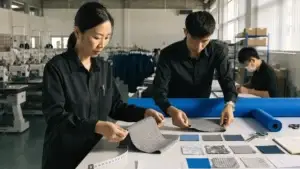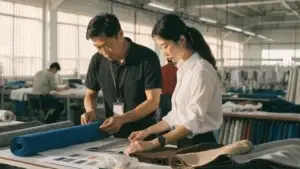
You are a buyer, always looking for an edge. You are constantly sourcing new suppliers, trying to shave a few cents off the FOB price or find a factory that can turn a sample around a week faster. You feel like you are being a smart, agile negotiator. But then you start to notice a pattern. The quality is inconsistent. You are constantly fire-fighting production issues, and you feel like you are always starting from scratch. A seasoned sourcing director once told me, "The most expensive phrase in our industry is 'I can get it cheaper.' It is the siren song that lures buyers onto the rocks of inconsistency, hidden costs, and reputational ruin. The real value is not in the lowest quote, but in the deepest partnership."
Constantly switching suppliers exposes an apparel buyer to immense, compounding risks that far outweigh any marginal, short-term cost savings. The primary dangers are: 1) The "Quality Roulette" of Inconsistent Production (every new factory is an unproven gamble with your brand's reputation), 2) The Massive "Hidden Cost" of Re-Qualification (the immense time and resource drain of repeatedly vetting, sampling, and onboarding new partners), and 3) The Strategic Loss of a Learning Relationship (a new factory has no accumulated knowledge of your brand's specific fit, quality standards, and preferences). You trade a predictable, improving partnership for a chaotic, expensive, and repetitive series of first dates.
At Shanghai Fumao, our most successful B2B relationships are the ones that have been built over years. We know that a deep, stable partnership is the most valuable supply chain asset a brand can own. Let me explain the specific, often invisible, costs and risks of supplier promiscuity and why a strategic, long-term relationship is the foundation of a resilient and profitable apparel business.
Why Is a New Supplier Always a "Quality Roulette" Gamble with Your Brand?
When you work with a long-term, trusted supplier, you are not just buying their sewing machines. You are buying their accumulated, specific knowledge of your brand's standards. A new factory has none of this. Every new relationship is a reset to zero. You are essentially betting your brand's reputation on an unproven partner's ability to interpret your quality standards and execute them consistently. This is a gamble that often has a hidden, expensive cost.
A new supplier is a "quality roulette" gamble because they lack the institutional knowledge of your brand's specific, often unspoken, quality expectations. A trusted, long-term partner has learned your tolerances over time—the exact handfeel you require, the specific stitch density you demand, the subtle details of your fit. A new factory interprets your Tech Pack for the first time, often missing these critical nuances. The first production run is an expensive, real-world test of their capability, and your brand's reputation is the stake.
I recall a brand that was lured away from a long-term partner by a factory offering a 15% lower FOB price on their core men's shirting program. The first shipment from the new factory arrived, and the quality was a disaster. The collar roll was wrong. The buttons were loose. The stitching was inconsistent. The entire run had to be heavily discounted. The savings were wiped out ten times over by the lost margin and damaged reputation. They returned to their original partner, realizing that the lower price was the most expensive mistake they had ever made. This is the reality of consistency in manufacturing .

How Does a Long-Term Partner Know Your Brand's Unwritten Quality Standards?
Over time, a great factory learns the nuances that a Tech Pack cannot capture. They know you prefer a slightly softer interlining. They know you reject a specific type of puckering that other brands might accept. They know your fit model's specific posture. This knowledge is a priceless asset that is built over multiple production runs and cannot be transferred to a new supplier. It is the "institutional memory" of your brand. This is the value of a deep manufacturing partnership .
What Is the Cost of a Single Quality Failure on a Bulk Production Run?
The cost is not just the value of the defective goods. It is the lost sales from a missed season, the chargebacks from retailers, the cost of processing returns, and the long-term, often fatal, damage to your brand's reputation with customers. A single quality failure can undo years of careful brand building. This is the risk you take with every new, unproven factory.
How Does Constant Switching Create Massive, Invisible "Re-Qualification" Costs?
The visible cost of a new supplier is their per-unit price. The invisible cost is the massive drain on your most valuable resource: your time. The process of finding, vetting, auditing, sampling with, and onboarding a new factory is an immense operational undertaking. This "re-qualification tax" consumes hours of your team's time and delays your ability to get product to market, and it is a cost that is completely hidden from your unit-price spreadsheet.
Constant switching creates massive "re-qualification" costs that are invisible on a unit-price comparison. Every new supplier requires a full cycle of due diligence: verifying their business license, auditing their facility, conducting a live video tour, and negotiating new payment terms. Then comes the costly and time-consuming sampling process, often requiring 2-3 rounds just to get the fit and quality right. All of this administrative and financial overhead is repeated with every new factory, consuming resources that a stable partnership would have freed up for growth-focused activities.
A brand founder I coached was proud of his "aggressive sourcing" strategy, always finding a cheaper factory. He did not realize the cost until we did a time audit. He was spending nearly 20 hours a week on supplier management—vetting, sampling, communicating, and fire-fighting. He was paying himself a CEO salary to be a full-time supply chain manager. He consolidated his business with two strategic partners, including us, and got those 20 hours back. He used that time to focus on marketing and doubled his sales. The "re-qualification tax" was the biggest hidden cost in his business. This is the value of a simplified, strategic supply chain .

What Is the "Time Tax" of Onboarding a New Factory Versus Placing a Reorder with a Partner?
Placing a reorder with a long-term partner can be as simple as sending an email. The factory already has your patterns, your graded specs, and your approved materials on file. Onboarding a new factory requires weeks of communication, negotiation, and sampling. The time difference is measured in hours versus weeks. This is the operational efficiency of a stable partnership .
How Does Constant Switching Fragment Your Supply Chain and Increase Your Risk?
Managing a fragmented network of multiple, transactional suppliers is inherently more risky than a consolidated, deep partnership. You have less oversight, less control, and less predictability. You are more vulnerable to communication breakdowns, quality inconsistencies, and logistical errors. A consolidated, strategic partnership provides a single point of accountability and a more resilient, transparent supply chain. This is the foundation of risk management in apparel sourcing .
How Does a Lack of Partnership Stifle Innovation and Strategic Growth?
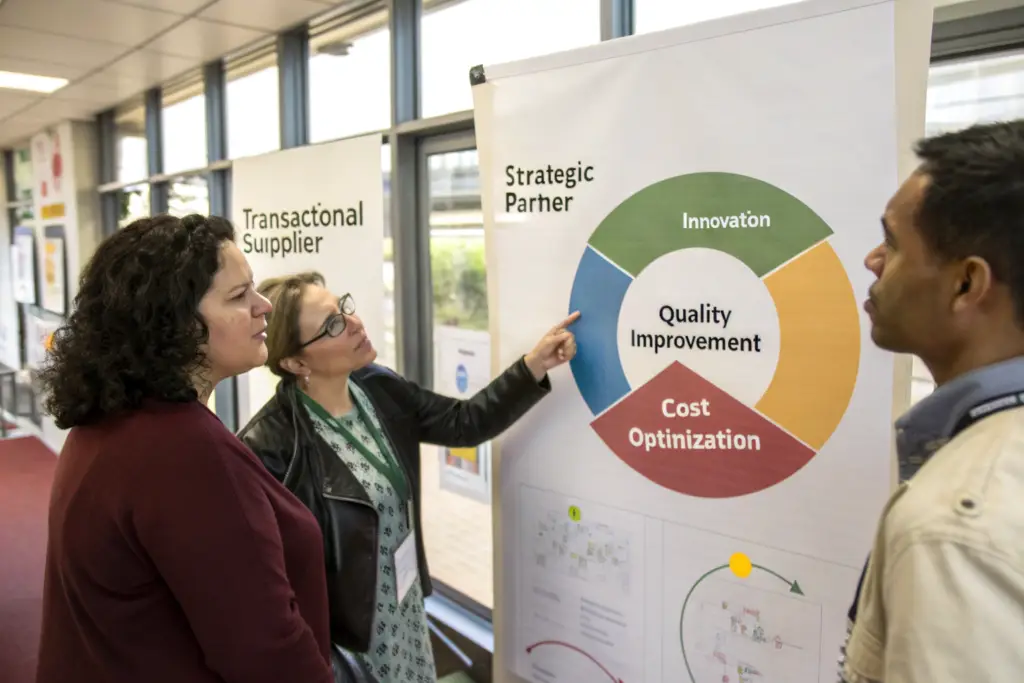
A transactional, short-term supplier has zero incentive to invest in your long-term success. They will do the bare minimum to fulfill the current order. A strategic, long-term partner is invested in your growth. They will proactively bring you new fabric innovations, suggest design-for-manufacturability improvements to lower your costs, and work with you to solve complex problems. This collaborative innovation is a massive competitive advantage that is only unlocked by a stable, long-term relationship.
A lack of partnership stifles innovation. A transactional supplier is focused on a single order. A strategic partner is focused on your brand's long-term success. A long-term partner, with deep knowledge of your brand, will proactively bring you new sustainable fabric options, suggest construction improvements to reduce costs without sacrificing quality, and help you problem-solve complex design challenges. You cannot buy this kind of collaborative innovation; it is a product of a deep, stable relationship.
A brand we have partnered with for years is a perfect example. Because we know their commitment to sustainability, our sourcing team is always on the lookout for innovative, eco-friendly fabrics for them. Last year, we brought them a new recycled nylon with an incredibly soft handfeel. They built an entire capsule collection around it, and it was a huge success. A transactional factory would never have done that. This is the value of a proactive, innovative manufacturing partner .
Why Is a Stable Partner More Likely to Help You Solve a Complex Production Problem?
When a difficult issue arises—a complex fit problem, a challenging material—a transactional supplier may just say "no" or produce a subpar result. A long-term partner has a deep, shared history of problem-solving with you. They are motivated to find a solution because they are invested in the long-term relationship. They will dedicate their best minds to your challenge. This is the difference between a vendor and a partner.
How Does a Long-Term Relationship Lead to Proactive Cost and Design Improvements?
A partner who knows your brand intimately can start to anticipate your needs and suggest improvements. They might say, "I know you love this seam finish, but if we use this alternative, it will look the same, be more durable, and save you $0.12 per unit." This proactive value engineering is only possible when a factory has deep, accumulated knowledge of your product and a vested interest in your profitability. This is the ultimate benefit of a true B2B partnership .
How Does Fumao's Partnership Model Provide Stability and Lower Long-Term Risk?
We built our entire B2B model on the principle that long-term, stable partnerships are the most valuable asset in the apparel supply chain. We are not interested in transactional, one-off orders. We invest in our relationships. We learn our partners' brands intimately, and we use that knowledge to deliver consistently improving quality, innovation, and value over time. Our goal is to be the last manufacturing partner you will ever need to find.
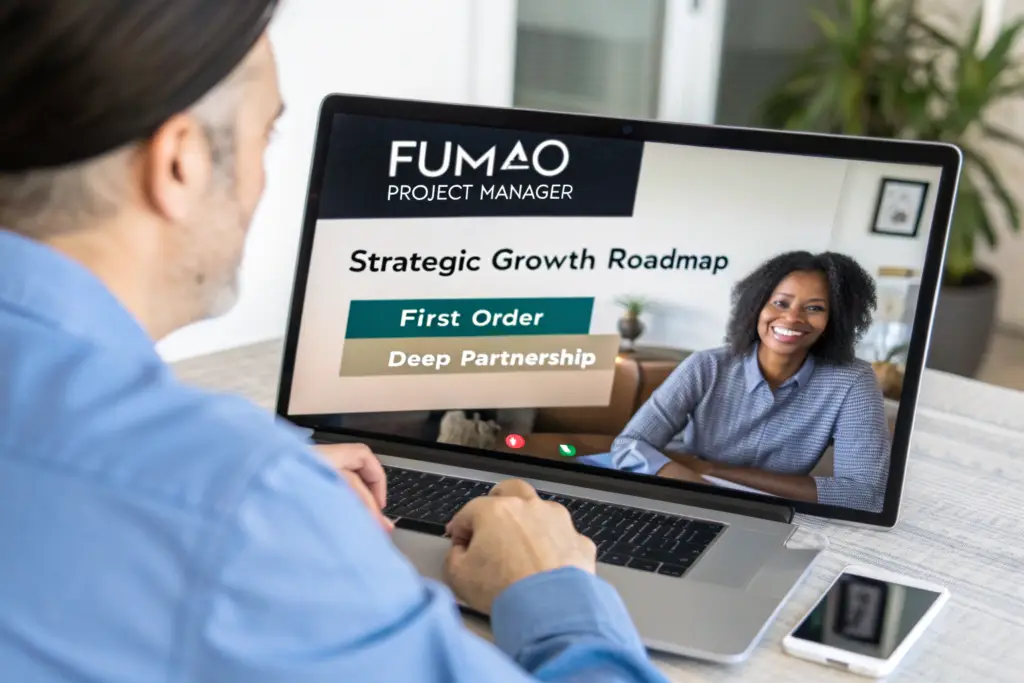
Fumao's partnership model provides stability and lowers long-term risk by investing in deep, accumulated knowledge of your brand. We learn your fit, your quality standards, and your communication preferences. This makes every subsequent order smoother, faster, and more consistent than the last. We reward loyalty with priority production scheduling, flexible terms, and a dedicated team that feels like an extension of your own company. We provide a predictable, reliable foundation upon which you can build a scalable, resilient brand.
A brand founder who has been with us for over five years told me, "The consistency I get from Fumao is my single greatest business asset. I never have to worry about quality or communication. It just gets better every season. That stability is what allows me to focus on growing my brand." That is the ultimate testament. We provide the stable, reliable manufacturing backbone that allows our partners to thrive. This is the purpose of a true strategic supply chain partnership .
How Do We Reward Long-Term Loyalty with Better Service and Terms?
As our partnership deepens, we offer tangible benefits:
- Priority Production Scheduling, especially during peak season.
- More Flexible MOQs on Reorders.
- Access to Our Greige Fabric Pre-Booking Program.
- Dedicated Account Management.
We believe in investing in our most loyal partners. This is the foundation of our long-term relationship model .
Why Is a "Learning Relationship" Your Most Valuable Supply Chain Asset?
A supply chain that gets smarter, faster, and more aligned with your needs over time is a powerful competitive advantage. It is an asset that a competitor who is constantly chasing the cheapest penny can never replicate. The accumulated knowledge, trust, and collaborative efficiency of a deep partnership is your true supply chain moat. We help you build that moat.
Conclusion
The high risks of constantly switching apparel suppliers—the quality roulette, the hidden re-qualification tax, and the stifling of innovation—far outweigh any fleeting, marginal cost savings. The seduction of a lower unit price is a mirage that hides a desert of inconsistency, hidden costs, and strategic stagnation.
At Shanghai Fumao, the real value we offer is not captured in a single quote. It is found in the accumulated quality, trust, innovation, and peace of mind that comes from a deep, multi-year partnership. We are the stable, long-term partner that allows you to build a resilient, profitable, and defensible brand.
If you are ready to stop chasing pennies and start building a valuable, long-term manufacturing partnership, let's talk. Our Business Director, Elaine, can discuss how we cultivate deep, stable relationships with our clients. Please email Elaine at: elaine@fumaoclothing.com.