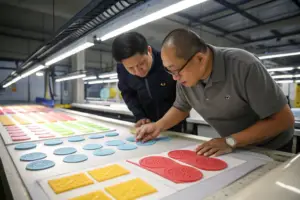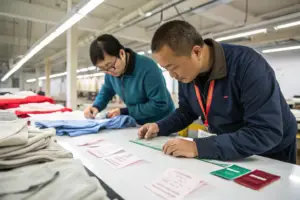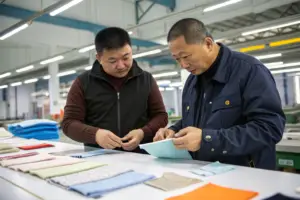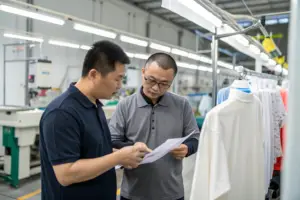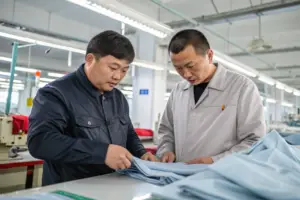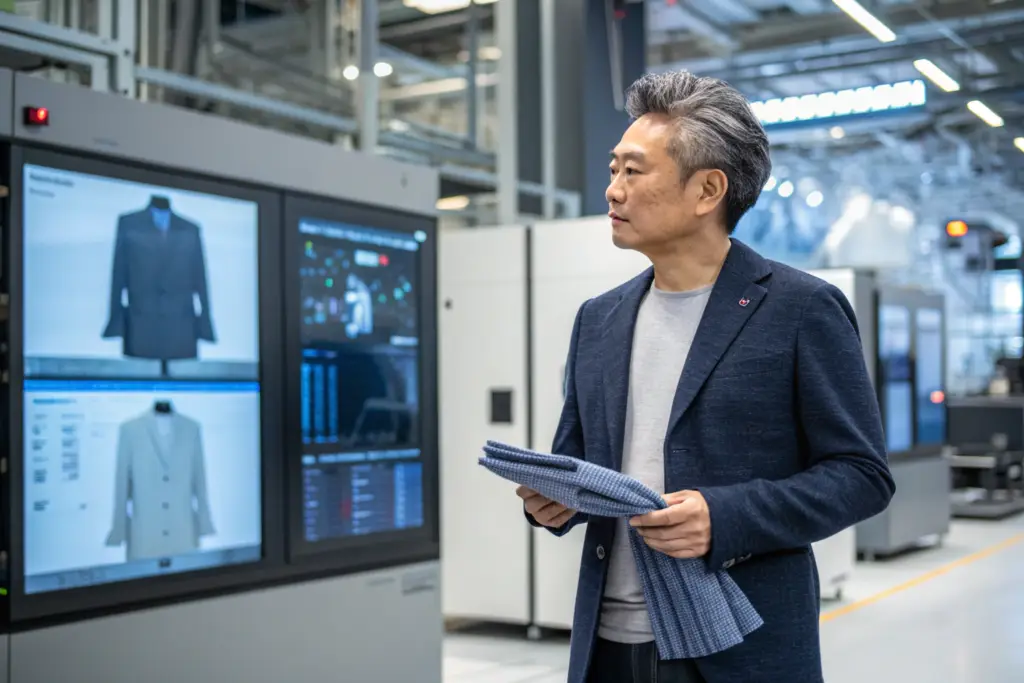
Every January, I travel to the big textile shows in Europe. I walk the floors for days, touching new fabrics and talking to mill owners. It is the best way to see the future. Last year at Première Vision, I noticed something shift. The buzz was not just about new colors. It was about how clothes are made, who they are made for, and how they perform. The trends in men's wear are moving faster than I have seen in my entire career.
The latest trends in men's wear manufacturing for 2026 are defined by hyper-functional fabrics, relaxed but tailored silhouettes, deep sustainability integration, and on-demand production models. Men are demanding clothes that work harder, feel better, and last longer. They want versatility. A jacket must be office-appropriate on Monday and hike-worthy on Saturday. Manufacturing is responding with advanced material science and more flexible production lines.
I saw this shift clearly with a client from San Francisco. He came to us with a simple idea: a pair of pants that looked like chinos but moved like sweatpants. We worked for months to find the right fabric, a blend of performance stretch with a natural cotton hand. The result sold out in weeks. That project taught me that the modern man does not want to choose between comfort and style. He wants both. And in 2026, the manufacturers who can deliver that will win.
How Are Sustainable Practices Reshaping Men's Wear Production?
Sustainability is no longer a niche marketing angle. It is a baseline requirement for serious men's wear brands. The male consumer in 2026 is more informed. He reads labels. He asks questions. He wants to know where his clothes came from and what they are made of. This is not just about saving the planet. It is about trust. If a brand cannot tell a clear sustainability story, the modern male buyer will move on.
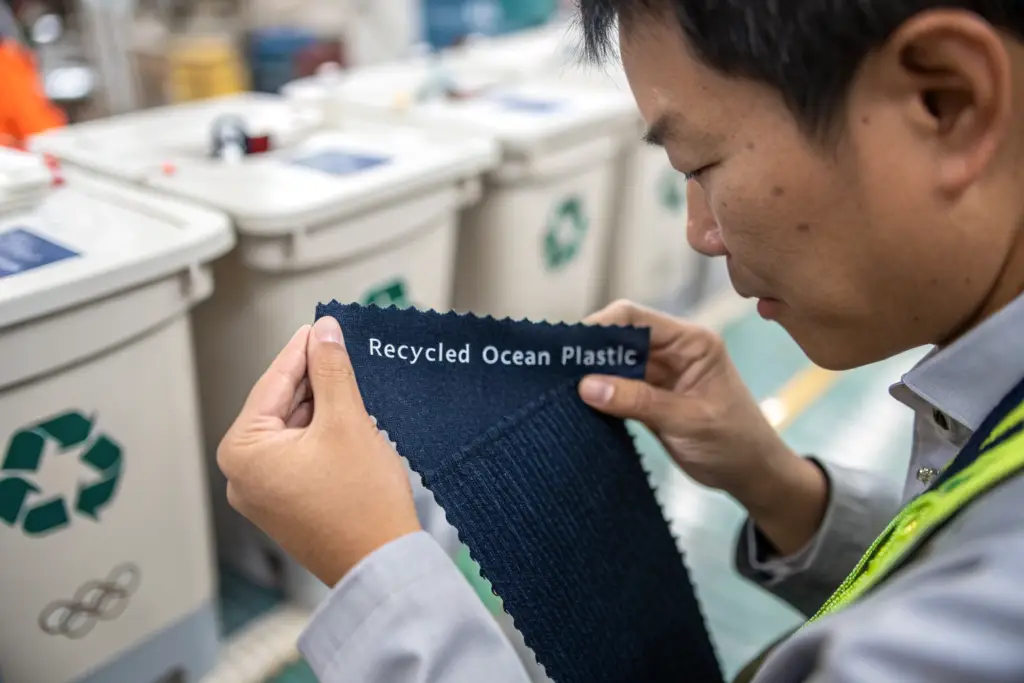
In men's wear manufacturing for 2026, sustainability means using certified organic and recycled materials, implementing waterless dyeing technologies, and ensuring complete supply chain transparency. Factories are investing in closed-loop systems where fabric scraps are collected and re-spun into new yarn. The trend is towards circularity, where a garment is designed to be recycled at the end of its life.
At Shanghai Fumao, we have responded to this shift by expanding our range of sustainable fabrics. We now stock GOTS-certified organic cottons and GRS-certified recycled polyesters as standard options. But let's look deeper at what this means for the actual garments men will be wearing.
What new sustainable materials are entering the men's market?
The material innovation happening right now is incredible. We are seeing more fabrics made from agricultural waste. Think banana fibers, pineapple leaves, and orange peel transformed into textiles. For men's wear, these materials are being blended with traditional fibers to create unique textures and performance characteristics.
Another big trend is next-generation recycled fibers. Companies are now chemically recycling cotton, breaking old t-shirts down to the molecular level and spinning them into new, high-quality fibers. This is different from mechanical recycling, which often shortens the fiber and reduces quality. This new process means a recycled cotton shirt can feel just as soft and last as long as a virgin cotton shirt. I recently sourced a recycled cotton twill for a client making men's jackets. The quality was indistinguishable from conventional cotton, but the sustainability story was powerful.
How is water conservation changing manufacturing processes?
Water usage has always been a huge issue in textile production, especially in dyeing and finishing. The trend for 2026 is towards waterless or low-water technologies. Some mills now use air or foam to apply dyes instead of water baths. Others are using digital printing, which applies dye only where needed, cutting water use by up to 90% compared to traditional methods.
A client from a major outdoor brand asked us to produce a line of men's shirts using fabric dyed with a new air-dye technology. The process used almost no water and required less energy because there was no need to dry the fabric. The shirts were a hit, and the brand featured the water-saving story in their marketing. For the modern male consumer, knowing his shirt saved thousands of liters of water is a powerful reason to buy.
What Silhouettes And Fits Are Dominating Men's Wear In 2026?
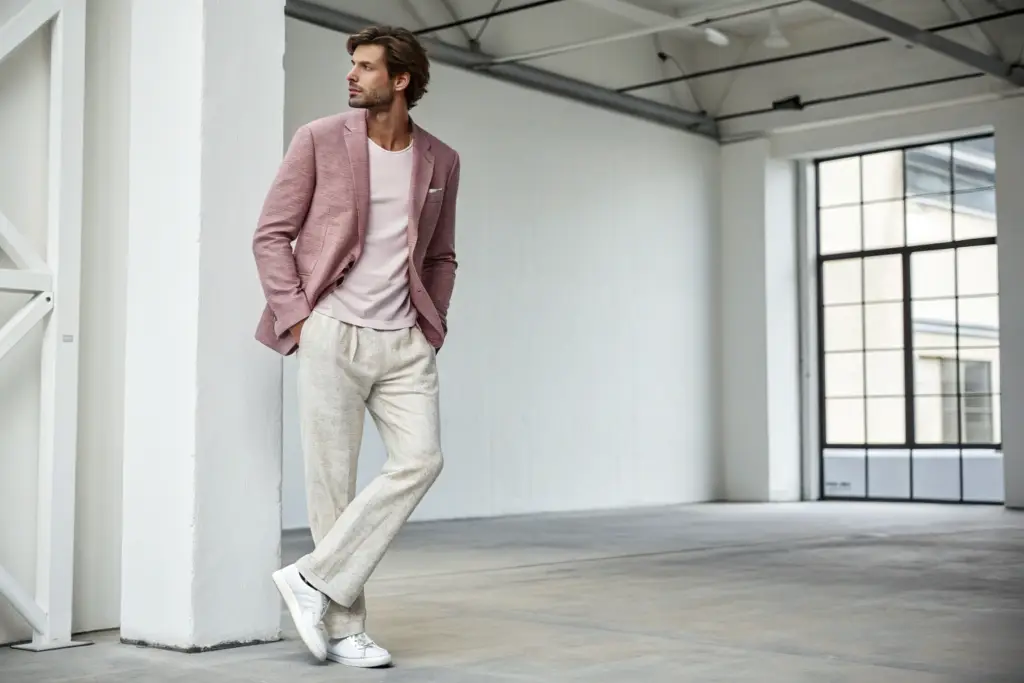
The days of the skinny suit are long gone. For a few years, everything swung towards oversized and baggy. Now, we are seeing a balance. The dominant silhouette for 2026 is relaxed but intentional. Clothes fit the body but allow movement. Shoulders are slightly dropped. Trousers are wider in the leg but often tapered at the ankle. It is a silhouette that looks modern but also feels incredibly comfortable.
The key fits for 2026 include the relaxed tailored jacket, the pleated wide-leg trouser, the elevated overshirt (often worn as a jacket), and the performance knit polo. Men are investing in versatile pieces that can be dressed up or down. The manufacturing challenge is creating these relaxed shapes while maintaining a clean, professional look. It requires precise pattern making and careful fabric selection.
I have seen this trend play out in our own production. A client from New York, a traditional suiting brand, was struggling. Their sales were down. We worked with them to develop a new line of "soft tailoring." These were jackets with less internal structure, softer canvassing, and a more natural shoulder. They looked sharp but felt like a cardigan. The line saved their business. Men wanted to look professional, but they refused to be uncomfortable.
Why is the overshirt becoming a wardrobe staple?
The overshirt, or shirt-jacket, is perhaps the defining garment of this era. It sits between a heavy flannel and a light jacket. It is perfect for the modern man's lifestyle. He can wear it to the office over a t-shirt. He can throw it on for a weekend hike. It is the ultimate versatile piece.
Manufacturers are responding with a huge variety of fabrics for overshirts. We make them in heavy Japanese selvedge denim, in soft brushed twill, in technical cotton-nylon blends, and even in sustainable wool blends. The construction has to be perfect because it is a highly visible piece. Topstitching must be clean. Buttonholes must be precise. For a brand, launching a great overshirt can define their whole season. It is the item that gets the most attention.
How are performance fabrics influencing everyday men's wear?
The technology from activewear has fully crossed over into everyday men's wear. Men now expect their casual pants to have stretch. They want their shirts to be wrinkle-resistant. They want their jackets to be water-repellent. This is called the "ath-leisure" influence, but it has matured. It is no about about looking like you are going to the gym. It is about having clothes that perform for real life.
We are using fabrics with mechanical stretch woven into them, not just elastic fibers that can break down over time. We are applying durable water-repellent finishes that are now made without harmful PFC chemicals. We are using yarns that are naturally anti-bacterial or moisture-wicking. A client who makes men's dress shirts recently switched to a fabric with a touch of stretch and a wrinkle-resistant finish. His customers love it because they can wear the shirt all day, travel in it, and still look good for dinner. That is the expectation in 2026.
How Is Technology Changing The Way Men's Wear Is Manufactured?
The factory floor in 2026 looks very different from when I started. We still have skilled operators on single-needle machines. But now they are supported by a layer of technology that speeds up development and improves accuracy. The trend is towards a hybrid model, using digital tools to enhance human skill, not replace it.
Key technological trends in men's wear manufacturing include 3D sampling to reduce physical sample waste, automated fabric cutting for precision and speed, and AI-powered quality control systems that spot defects invisible to the human eye. Data analytics are also being used to forecast demand more accurately, reducing overproduction and helping brands manage inventory.
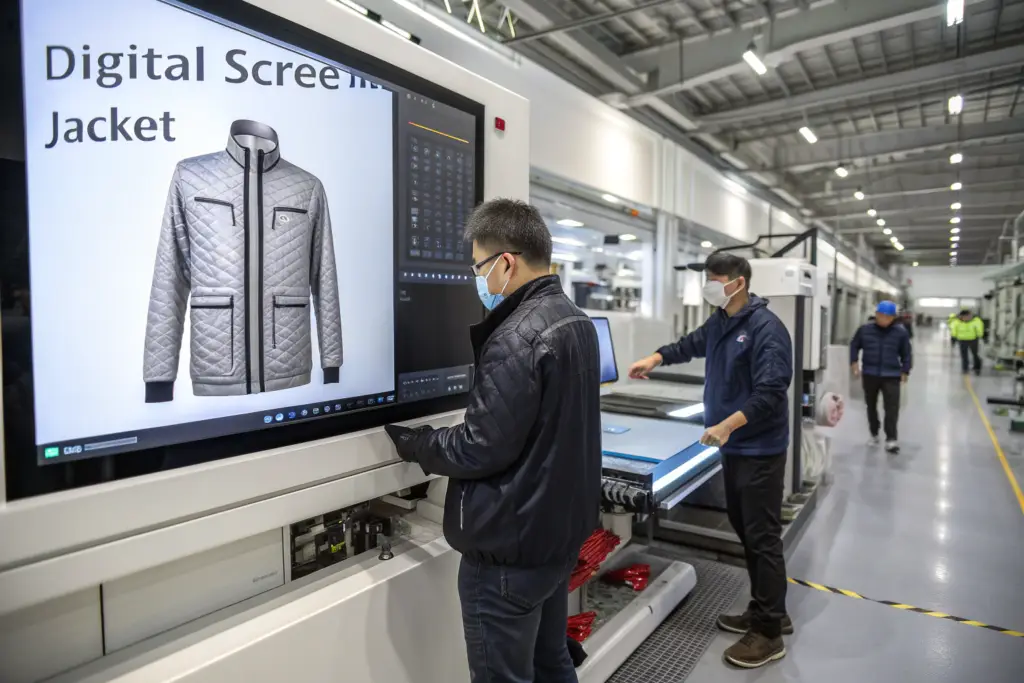
At Shanghai Fumao, we have invested in 3D design software. When a client sends us a tech pack, we can often create a realistic 3D rendering of the garment before we cut a single piece of fabric. This allows us to spot fit issues or design problems early. It saves time, money, and materials. It also gets products to market faster, which is a huge advantage in the fast-moving men's market.
What is the role of 3D sampling in men's wear development?
3D sampling is changing the game. In the past, making a sample could take weeks. You would send patterns, wait for fabric, sew the sample, and then mail it to the client. If changes were needed, you started the whole process again. Now, with 3D software, we can make digital changes in hours.
A client from Chicago, a men's outerwear brand, recently used 3D sampling with us for a new parka. We created the digital sample, and he spotted that the hood proportions were slightly off. We adjusted the pattern in the software and showed him the new version immediately. The first physical sample we sent was 98% correct. We saved at least three weeks and the cost of two extra sample rounds. For a brand launching a seasonal collection, that speed is a massive competitive advantage.
How does automation improve quality and consistency?
Automation is not about removing people. It is about helping them do their jobs better. Automated fabric cutting machines, for example, use cameras and computers to lay out pattern pieces with incredible efficiency. They waste less fabric, and every piece is cut exactly the same. This means when our sewers assemble a jacket, all the pieces fit together perfectly.
We also use automated spreading machines that lay fabric flat without tension. This is critical for striped or patterned fabrics. If the fabric is stretched during spreading, the stripes will not match up when the garment is sewn. The machine ensures perfect alignment. This level of consistency is impossible to achieve by hand. It means every men's shirt or jacket that leaves our factory meets the same high standard. For your brand, that means fewer customer returns and a stronger reputation for quality.
Conclusion
The men's wear market in 2026 is dynamic and demanding. Success requires staying ahead of the curve on fabrics, fits, and manufacturing technology. Men want clothes that are sustainable, versatile, comfortable, and built to last. They want the performance of activewear with the style of tailored clothing. Meeting these expectations requires a manufacturing partner who is constantly learning, investing, and innovating.
At Shanghai Fumao, we pride ourselves on being that partner. We stay on top of global trends. We invest in sustainable materials and advanced technology. We work side-by-side with our clients to turn their visions into garments that today's men are excited to wear. Whether you are launching a new streetwear line or reinventing a classic suiting brand, we have the expertise and the capability to help you succeed.
If you are ready to bring your next men's wear collection to life, let's talk. Please contact our Business Director, Elaine, at elaine@fumaoclothing.com. Visit Shanghai Fumao to see how we can help you manufacture the trends of tomorrow, today.