You have chosen the CMT (Cut, Make, Trim) model because you care about the quality and origin of your materials. This same care must extend to the people who transform those materials into your garments. You know that a beautiful product made in an unethical factory is a compromised product. But how do you, from thousands of miles away, ensure that your CMT partner treats its workers with dignity and respect? A brand owner told me, "I was proud of my sustainable fabrics, but I had no idea if the factory sewing them was a good place to work. That felt like a hypocrisy I couldn't live with."
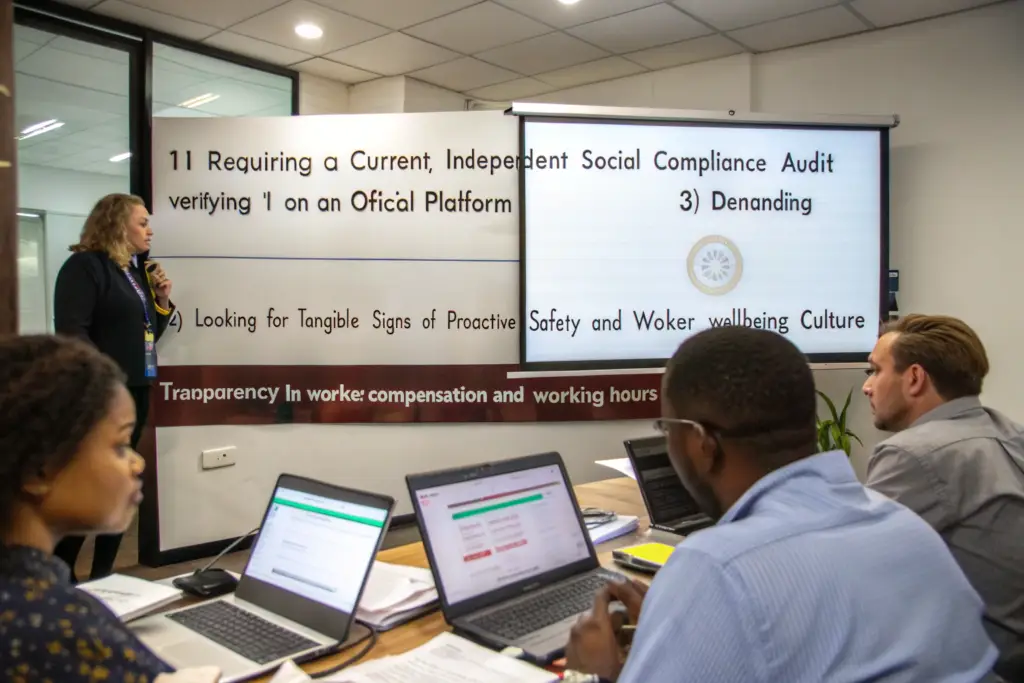
Ensuring ethical practices in CMT manufacturing requires moving beyond a factory's word and demanding verifiable, third-party proof. The key pillars are: 1) Requiring a current, independent social compliance audit (like a SMETA 4-Pillar) and verifying it on the official platform, 2) Looking for tangible signs of a proactive safety and worker-wellbeing culture during a live video tour, and 3) Demanding transparency in worker compensation and working hours. Ethical manufacturing is a partnership founded on verifiable data, not promises.
At Shanghai Fumao, ethical manufacturing is not a marketing slogan; it is the bedrock of our B2B CMT services. We know that our partners' brand reputations depend on it. Let me show you exactly how to audit the ethical integrity of a CMT factory and explain the specific, verifiable standards we hold ourselves to every day.
What Third-Party Audits and Certifications Proves Ethical Commitment?
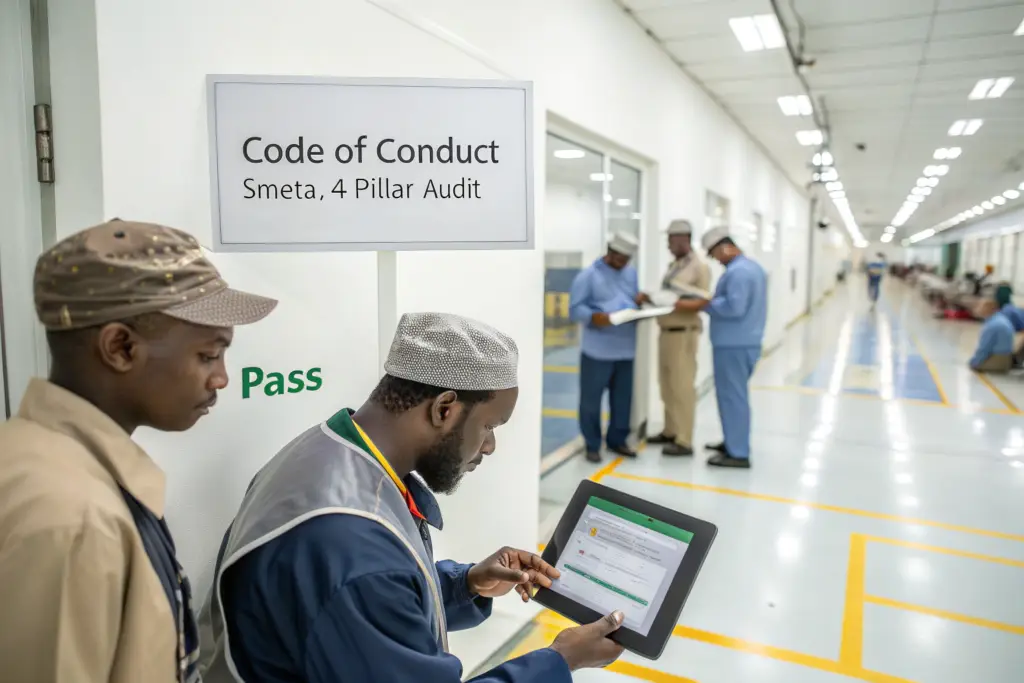
The most important first step in verifying a CMT factory's ethical claims is to look beyond their website and demand independent, third-party proof. A "Code of Conduct" poster on the wall is meaningless if a factory is not willing to open its doors to an unannounced, professional auditor who will check its payroll, its timecards, and its safety records. The industry gold standard for this is the SMETA audit.
A current, unredacted SMETA 4-Pillar audit report, verified on the Sedex platform, is the most credible proof of a CMT factory's ethical commitment. Unlike a simple certificate, a SMETA audit involves a detailed, on-the-ground inspection of labor standards, health & safety, environmental practices, and business ethics. The 4-Pillar version is the most comprehensive. Crucially, you must view this report on the official Sedex platform, not just accept a PDF, to ensure its authenticity.**
A brand that was considering us for a large CMT project had a strict vendor compliance team. They did not just ask for our SMETA report. They asked for our Sedex Reference Number. They then logged into their own Sedex account and viewed our live, unedited audit report directly on the platform. They could see the full findings, including any minor non-compliances and our documented corrective actions. This is the standard of due diligence every brand should apply. We welcomed it because we have nothing to hide. This is the foundation of a trusted ethical CMT partnership .
What Is the Critical Difference Between a SMETA 2-Pillar and 4-Pillar Audit?
This is a key distinction.
- 2-Pillar Audit: Covers Labor Standards and Health & Safety. It is the minimum standard.
- 4-Pillar Audit: Covers the above, plus Environment (waste, energy) and Business Ethics (anti-bribery, fair competition).
A factory that has invested in a 4-Pillar audit is demonstrating a more comprehensive commitment to responsible business conduct. We only undertake the 4-Pillar audit. This is a key differentiator in our compliance standards .
How Do You Verify a SMETA Audit Is Authentic on the Sedex Platform?
A PDF can be faked. The true verification is on the Sedex platform. Ask the factory for their Sedex Reference Number (ZC:...) . A legitimate factory will share it freely. You can then use your own Sedex membership to view the live, official version of the audit, including the full report and any corrective action plans. If a factory is reluctant to share this number, it is a significant red flag. This is our standard for radical transparency .
What Tangible Signs of a Safe and Respectful Workplace Should You Look For?
While an audit report is essential, a live, unscripted video tour allows you to see the factory's culture in action. You can observe the physical environment and, more importantly, the unspoken body language of the people working there. This is where you can look for tangible, visual signs that confirm—or contradict—the polished words of an audit report. There are specific, tell-tale signs of a truly safe and respectful workplace.
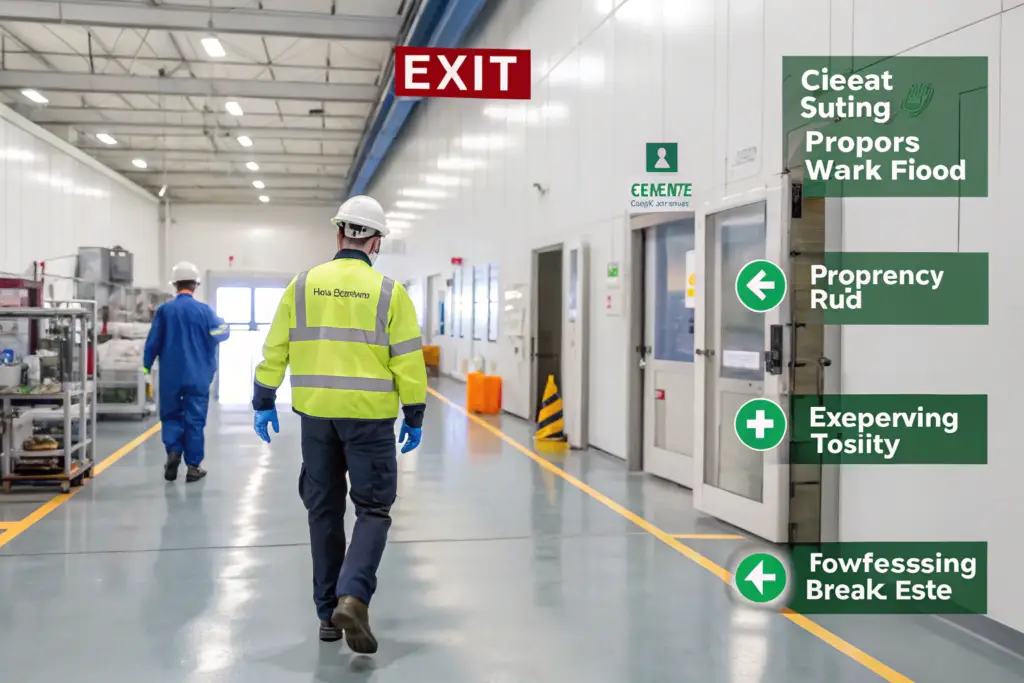
During a live video tour, look for tangible signs of a safe and respectful culture. Examine the physical environment: Are the aisles clear and wide? Are emergency exits illuminated and completely unobstructed? Is the lighting bright and the air clean? Observe the workers: do they look up and engage with the camera, or do they avoid eye contact? Do they seem rushed and stressed, or calmly focused? A relaxed, organized, and transparent environment speaks volumes about the factory's true values.
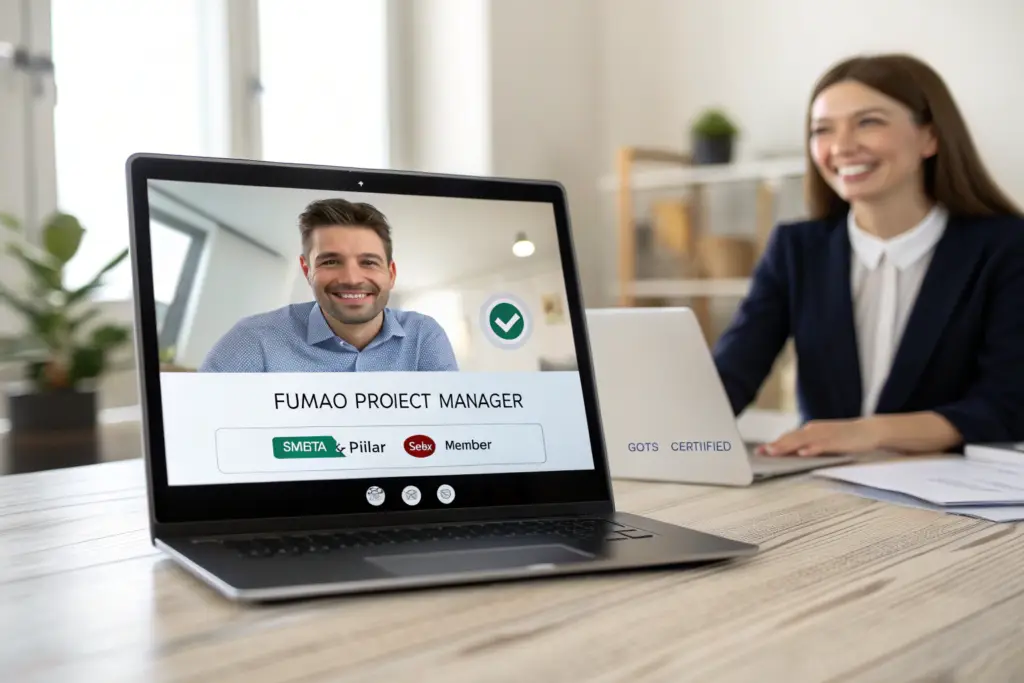
I recall a brand owner who was conducting a virtual audit with us. He asked our Project Manager to randomly point the camera at a fire extinguisher. He wanted to see the inspection tag. It was current. He then asked to see the inside of the women's restroom. It was clean and well-stocked. He later told me, "Anyone can show a clean cutting table. But the fire extinguisher tag and the bathroom told me everything I needed to know about how you manage the details and treat your people." This is the level of scrutiny we welcome. It is the reality of our safe and ethical workplace .
What Are the Red Flags to Look for on a Factory Floor Tour?
Be vigilant for these warning signs:
- Blocked or Locked Emergency Exits: This is the most serious safety violation.
- Excessive Clutter, Dust, or Poor Lighting.
- Workers Who Look Tense, Fearful, or Avoid Eye Contact.
- A Refusal to Show Certain Areas of the Factory.
- A Lack of Visible Safety Equipment (sprinklers, fire extinguishers, first aid kits).
These visual cues often reveal a reality that a polished report may try to hide. This is why a live tour is a non-negotiable part of our transparent vetting process .
How Can You Gauge True Worker Morale from a Distance?
Ask the tour guide to stop and (with permission) ask a random worker a simple question through a translator: "How long have you worked here?" A long tenure is a good sign. "Do you feel safe here?" Look at their immediate, unguarded reaction. A genuine smile and a quick "yes" speak volumes. A hesitant, nervous glance is a red flag. This is the human reality behind the data. This is something we are proud to demonstrate in our worker-centric culture .
How Can You Verify Fair Wages and Working Hours in a CMT Factory?
Exploitation in garment manufacturing often hides in the payroll records. Unpaid overtime, wages below the legal minimum, and a lack of legally mandated social insurance are the common sins. A truly ethical factory is transparent about its compensation system. They use a modern, auditable system that tracks exact hours and links them directly to a compliant payroll. This is not proprietary information; it is the evidence of fair treatment.
To verify fair wages and working hours, ask about the factory's time-tracking system. A modern, biometric (fingerprint) system is the gold standard, as it is tamper-proof. Ask to see a sample payslip that clearly delineates regular hours, overtime hours paid at the legal premium rate, and social insurance contributions. An ethical factory will be transparent about its compensation structure, as it is a point of pride and a key metric in their social compliance audit.
During a discussion with a potential brand partner, we walked them through our payroll system. We showed them how the biometric time clock data flows directly into the payroll calculation. We showed them a sample payslip with the legally mandated social insurance contributions clearly itemized. They were impressed by the transparency. They told us, "Most factories treat payroll like a state secret. Your willingness to walk us through it tells us everything." This transparency is a core part of our ethical CMT service .

What Is "Social Insurance" and Why Is It a Key Indicator of Ethical Employment?
In China, legal and ethical employment requires the employer to contribute to a comprehensive "Social Insurance" system for every worker. This covers Pension, Medical Insurance, Work Injury Insurance, Unemployment Insurance, and Maternity Insurance. It is a significant cost (30-40% of wages). Unethical factories avoid this by hiring workers informally. Seeing these contributions on a payslip is a powerful, verifiable sign of a factory that respects the law and its workers. This is a non-negotiable part of our ethical employment standards .
How Can You Confirm That Overtime Is Voluntary and Properly Compensated?
A SMETA audit will check this. But you can also ask the factory directly about their overtime policy. A good answer is: "Overtime is always voluntary. We ask for volunteers when needed, never mandate it. All overtime hours are paid at the legally mandated premium rate (1.5x on weekdays, 2x on weekends), and we strictly cap hours to comply with legal limits." This clear, specific answer is a sign of a professional operation. This is our stated and practiced policy.
How Does Fumao's Ethical Foundation Protect Your CMT Brand?
You should never have to make a Faustian bargain between quality manufacturing and ethical production. They are not competing priorities; they are two sides of the same coin. A well-treated, fairly compensated workforce is a stable, skilled, and motivated workforce that produces higher-quality work. Our ethical foundation is not a separate department; it is integrated into our entire operational model and is a direct protector of your brand's integrity.
Fumao's ethical foundation directly protects your CMT brand by mitigating reputational risk and ensuring supply chain integrity. Our verified SMETA 4-Pillar audit provides you with the defensible documentation you need to answer to your customers, investors, and retail partners. Our commitment to fair labor practices results in a stable, experienced workforce that consistently delivers higher quality. Partnering with us aligns your brand with a proven standard of ethical responsibility.
A brand owner told us, "Before I found Fumao, I had to separate my ethical values from my manufacturing needs. It felt like a constant compromise. With you, I don't have to choose. I get the premium CMT quality I need, and I can sleep at night knowing my products are made in a facility that respects its workers. That peace of mind is invaluable." This is the ultimate value of a truly ethical partnership. It allows you to build a brand with complete integrity. This is the core of our B2B partnership promise .
How Does a Stable, Fairly Treated Workforce Improve CMT Quality?
High turnover is the enemy of consistent quality. Stressed, underpaid workers make mistakes. A fairly treated, respected worker stays with the company for years, develops deep skills, and takes pride in their work. The low defect rates and consistent stitching quality our CMT partners experience are a direct result of our commitment to a stable, ethical work environment. This is the tangible quality benefit of ethical manufacturing .
How Can You Use Our Ethical Compliance in Your Own Brand Marketing?
We provide our partners with the documentation and the story. You can communicate to your customers that your garments are "Expertly CMT manufactured by our partners at Fumao, a SMETA 4-Pillar audited, ethically certified facility in Shanghai." You can share the photos of our clean, safe factory floor. This level of transparency is a powerful differentiator and trust-builder with the modern, conscious consumer. We help you build an authentic sustainable and ethical brand story .
Conclusion
Ensuring ethical practices in CMT manufacturing is a process of demanding verifiable proof, not accepting vague promises. It requires scrutinizing third-party audits, observing tangible signs of a safe workplace, and verifying fair compensation. It is about partnering with a factory that treats transparency not as a threat, but as a fundamental value.
At Shanghai Fumao, ethical manufacturing is the non-negotiable foundation upon which we build our B2B CMT partnerships. We provide the transparent, verified, and human-centered manufacturing environment that allows our partners to build their brands with complete integrity and confidence. Your conscience should be as clean as your supply chain.
If you are looking for a CMT partner whose ethical commitment is as strong as your own, let's talk. Our Business Director, Elaine, can walk you through our compliance documentation and ethical practices. Please email Elaine at: elaine@fumaoclothing.com.