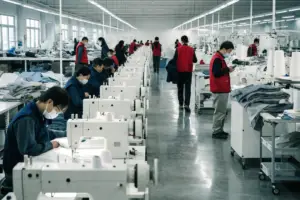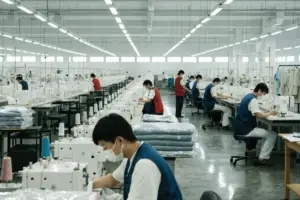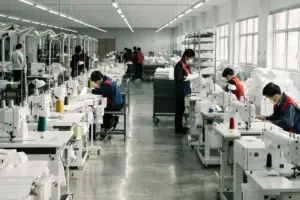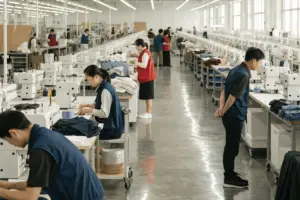
Early in my career, I had a client who imported a line of children’s activewear from Vietnam. The fabric was good, and the design was popular. But after just two washes, the seams started coming apart. Parents were angry, and the brand’s reputation suffered. When they came to us at Shanghai Fumao to fix the problem, the first thing I asked was, "What machines were used to sew the seams?" They didn’t know. This is a common mistake. Buyers focus on fabric but forget that the seam is what holds everything together.
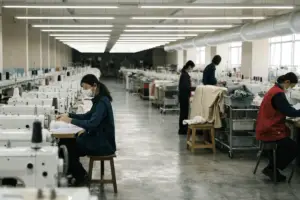
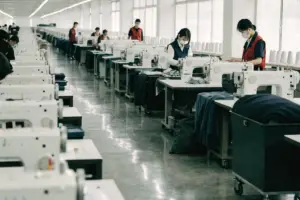
Overlock and flatlock machines are specialized sewing machines that create strong, flexible, and professional seams. Overlock machines, also called sergers, trim and encase raw fabric edges to prevent fraying while sewing a seam. Flatlock machines create a completely flat, low-bulk seam that lies smooth against the skin, offering maximum comfort and strength. Together, they are essential for producing durable apparel, especially in activewear, kids’ wear, and any garment that needs to withstand stress and washing.
When we took over production for that children’s activewear brand, we switched their construction method. We used overlock machines for the main seams to ensure they wouldn’t fray, and we used flatlock machines for the areas that rubbed against the skin, like the raglan sleeves. The difference was immediate. The garments lasted through countless washes, and the brand rebuilt its reputation. Understanding these machines is key to making clothes that last.
What Exactly Do Overlock Machines Do To Strengthen Garments?
Many new brand owners think a sewing machine is just a sewing machine. They don’t understand the difference between a standard lockstitch machine and an overlock machine. An overlock machine, which we often call a serger in the industry, does three jobs at once. It sews a seam, it trims the excess fabric from the seam allowance, and it wraps thread around the raw edge to stop it from fraying. This is a huge leap in durability.
An overlock machine creates a seam that can stretch with the fabric, making it ideal for knits and activewear. The interlocking thread loop covers the raw edge completely, protecting it from washing damage and wear. This prevents the seam from unraveling, which is the most common reason garments fail. For any garment that will be worn hard or washed often, overlock stitching is not optional; it is essential.
To really understand the value, you need to look at how an overlock seam behaves under stress. Unlike a simple lockstitch seam, which can snap if stretched too far, an overlock seam is built to move with the body. Let’s break down the mechanics of why this happens.
How does the overlock stitch prevent fraying and unraveling?
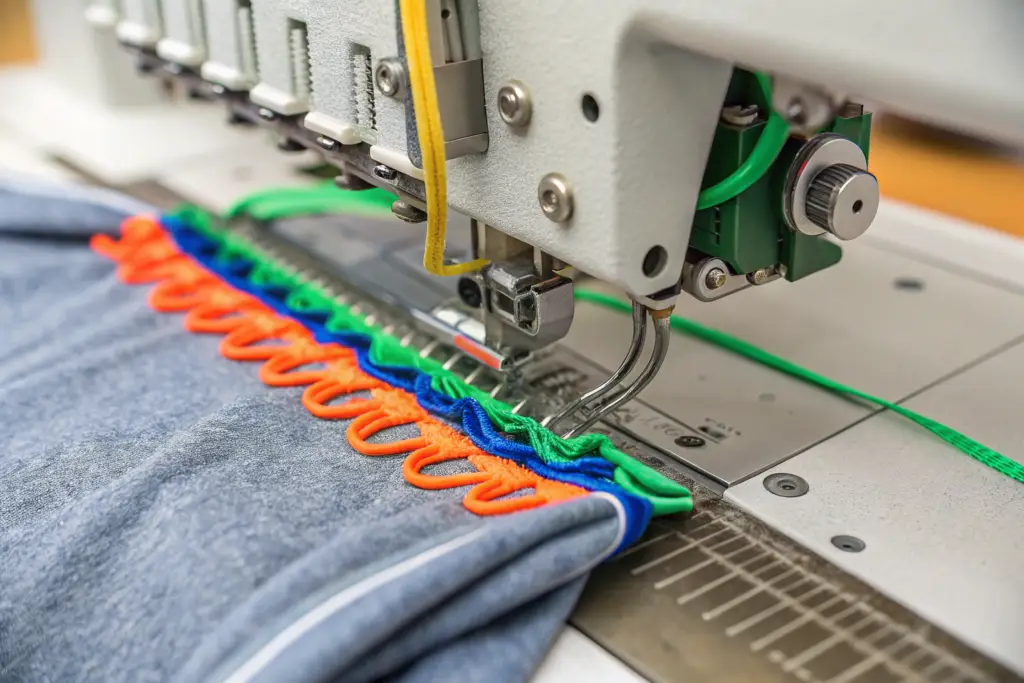
The secret is in the thread loop. An overlock machine uses two, three, four, or even five threads that interlock around the edge of the fabric. The needles go through the fabric, but the loopers pass threads around the outside edge. This creates a net of thread that completely encases the raw cut edge of the fabric.
Think of it like wrapping a rope end with tape to stop it from fraying. The overlock stitch does this permanently with thread. In woven fabrics, fraying is a major problem. Without an overlock stitch, the edge of a seam allowance will slowly shed threads every time it is washed or worn. Over time, the seam loses strength and the garment falls apart. With an overlock stitch, that raw edge is sealed forever. This is why at Shanghai Fumao, we use overlock machines on every garment that requires strong, long-lasting seams.
Why is the overlock machine essential for knit fabrics?
Knit fabrics, like the ones used for t-shirts, polos, and activewear, stretch. If you use a standard lockstitch machine on a knit, the thread will break when the fabric stretches. The thread does not have enough give. Overlock machines, however, are designed to create a stitch that stretches with the fabric.
The stitch construction itself has built-in elasticity. The looping of the threads allows the seam to expand and contract. This is critical for areas like armholes, side seams, and crotch seams. A few years ago, a yoga wear brand from Colorado came to us. Their previous supplier used standard seams, and their customers complained that the pants ripped during stretching. We switched them to a four-thread overlock for the main seams. The new pants could stretch in every direction without any seam damage. That is the power of using the right machine for the fabric.
How Do Flatlock Machines Create Comfort And Durability?
While overlock machines are great for strong, hidden seams, flatlock machines serve a different but equally important purpose. A flatlock seam is designed to be low-bulk and smooth. It is created by sewing two pieces of fabric with their edges overlapping, and the stitch holds them flat. The result is a seam that has very little thickness and lies perfectly against the skin.
Flatlock seams are famous in activewear and sportswear for their comfort. Because the seam is flat, it does not rub or chafe during movement. But flatlock stitching is also incredibly strong. The interlocking thread pattern creates a wide, flat area of stitching that distributes stress across a larger surface. This makes it much harder for the seam to rip under pressure compared to a narrow, raised seam.
Let’s look at why this combination of comfort and strength makes flatlock seams the top choice for high-performance and durable apparel.
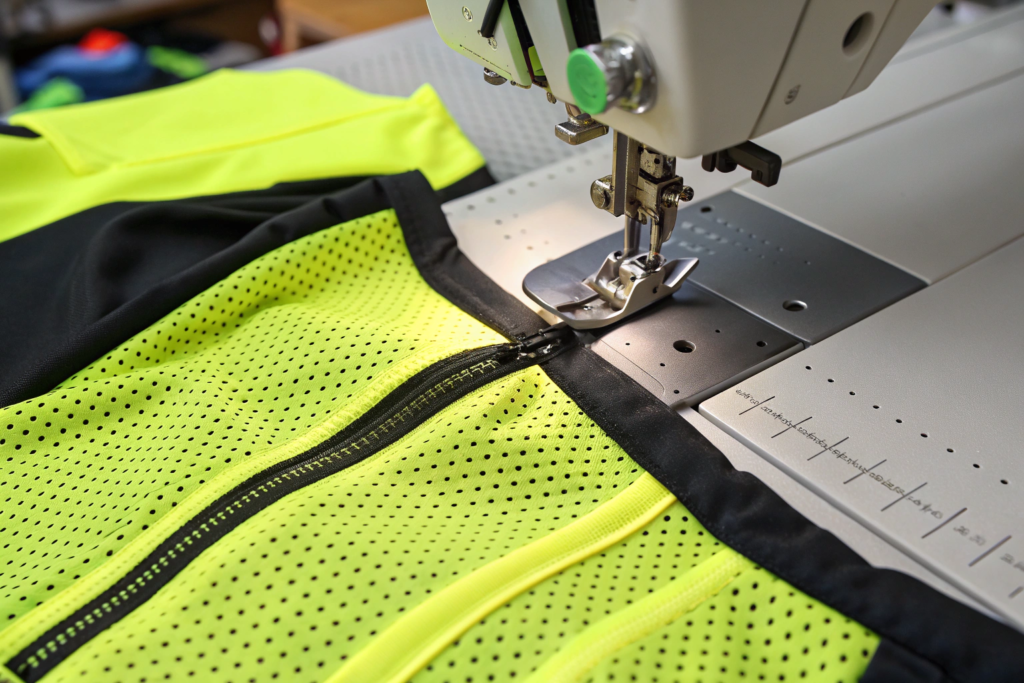
Why are flatlock seams preferred for activewear and sportswear?
Think about a high-quality sports jersey or a pair of running tights. If you look closely, you will see flat, wide seams on the shoulders and sides. These are flatlock seams. They are preferred because athletes move constantly. A bulky seam can dig into the skin and cause irritation or chafing over time. A flatlock seam eliminates this problem entirely.
I remember working with a cycling apparel brand from Oregon. Their shorts had to be comfortable for eight-hour rides. They insisted on flatlock stitching on every seam that touched the body. We used flatlock machines to join the panels and attach the leg grippers. The result was a pair of shorts that felt like a second skin. The riders reported no chafing, and the seams held up season after season. For any brand targeting serious athletes, flatlock seams are not a luxury; they are a requirement.
How does the flatlock stitch compare in strength to other seams?
Many people assume that a flat seam is weaker because it is flat. This is not true. In fact, a flatlock seam is often stronger than a standard overlock seam in certain applications. Because the two fabric pieces overlap and are stitched with a wide pattern, the stress is spread over a larger area. There is no single point where the seam can pop.
The stitch itself is also very elastic, just like an overlock stitch. It can stretch with the fabric without breaking. In our factory, we have tested different seam types under tension. The flatlock seam consistently performs at the top for both strength and elasticity. This is why we recommend it for high-stress areas like the crotch of pants, the shoulder seams of heavy jackets, and the side seams of compression wear. It provides a unique combination of comfort, flexibility, and raw strength that no other seam type can match.
How Can The Right Seam Choice Extend Garment Lifespan?
The durability of a garment is not just about the fabric’s thickness. It is about how the pieces are joined. I have seen beautiful, expensive fabrics ruined by poor seam choices. The seams fray, they rip, or they pucker and look ugly after one wash. Choosing the right machine and stitch type for each part of the garment is a design decision that directly impacts how long the product will last in the customer’s hands.
Selecting overlock seams for structural integrity and flatlock seams for high-wear, high-comfort areas gives your garment the best chance at a long life. A well-constructed garment uses a combination of machines to optimize strength, flexibility, and comfort. This attention to detail is what separates cheap, disposable fashion from quality apparel that customers keep and love.
Let’s get practical. How do you, as a brand owner, make these decisions? What should you look for or specify in your tech pack to ensure you get these durable seams?
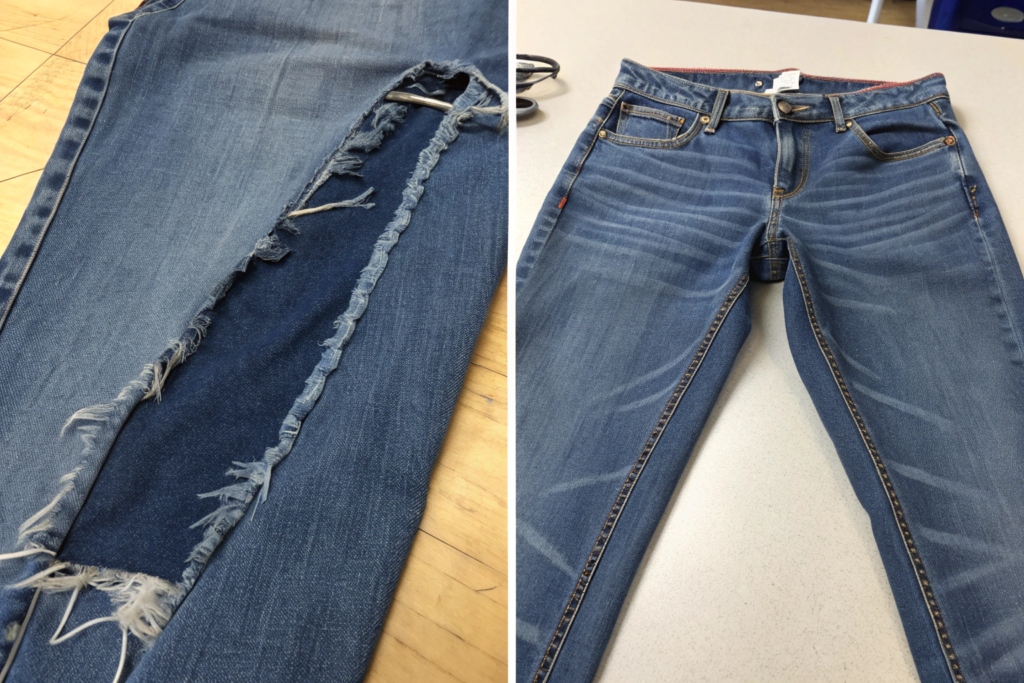
What should you specify in your tech pack for durable seams?
When you create your tech pack, you need to be specific about seam construction. Do not just write “sew side seams.” Write “use 4-thread overlock for side seams on 1/4 inch seam allowance.” For areas near the skin, like the neckline or armhole of an activewear top, specify “use flatlock seam for comfort and durability.”
You should also specify the thread type. For high-stress seams, we often recommend using polyester thread instead of cotton. Polyester has more stretch and is stronger. It also resists UV light and chemicals better. At Shanghai Fumao, we keep a variety of thread weights and materials in stock. When a client sends us a tech pack with clear seam specifications, we know they understand quality. It makes our job easier and ensures the final product meets their high standards.
How do you test seam durability before full production?
Testing is critical. You should never go into full production without testing the seams first. The best way is to make a sample and then put it through a wash test. Wash the sample five, ten, or twenty times and examine the seams. Are they fraying? Is the thread breaking? Is the seam puckering?
We have a washing and testing area in our factory specifically for this purpose. Last year, a client from Texas sent us a heavy denim for a new line of workwear. Our first sample used a standard overlock seam. After five washes, the seam on the inner leg started to show wear. We switched to a flatlock seam for that area, and the problem was solved. Without that test, the brand would have shipped faulty products to their customers. Testing is an investment in your brand’s reputation. We always recommend it, and we do it for every client at Shanghai Fumao.
Conclusion
The machines we use in our factory are not just tools. They are the instruments that determine the quality, comfort, and lifespan of your garments. Overlock machines build the strong foundation, protecting edges and allowing fabric to stretch. Flatlock machines add the finishing touch of comfort and strength exactly where it is needed most. Together, they are the backbone of durable apparel manufacturing.
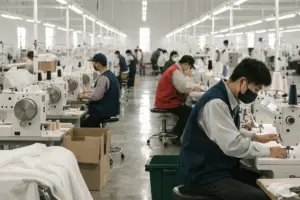
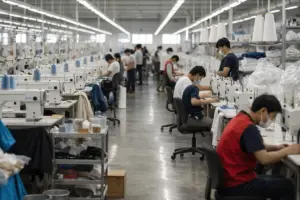
When you choose a manufacturing partner, you are choosing their equipment and their skill in using it. At Shanghai Fumao, we have invested in high-quality overlock and flatlock machines, and we have trained our operators to use them with precision. We believe that durability is not an accident. It is a result of good design and expert construction.
If you want to build garments that last and build a brand that customers trust, let’s talk. Please reach out to our Business Director, Elaine, at elaine@fumaoclothing.com. We can discuss how the right construction techniques at Shanghai Fumao can take your products from good to unforgettable.