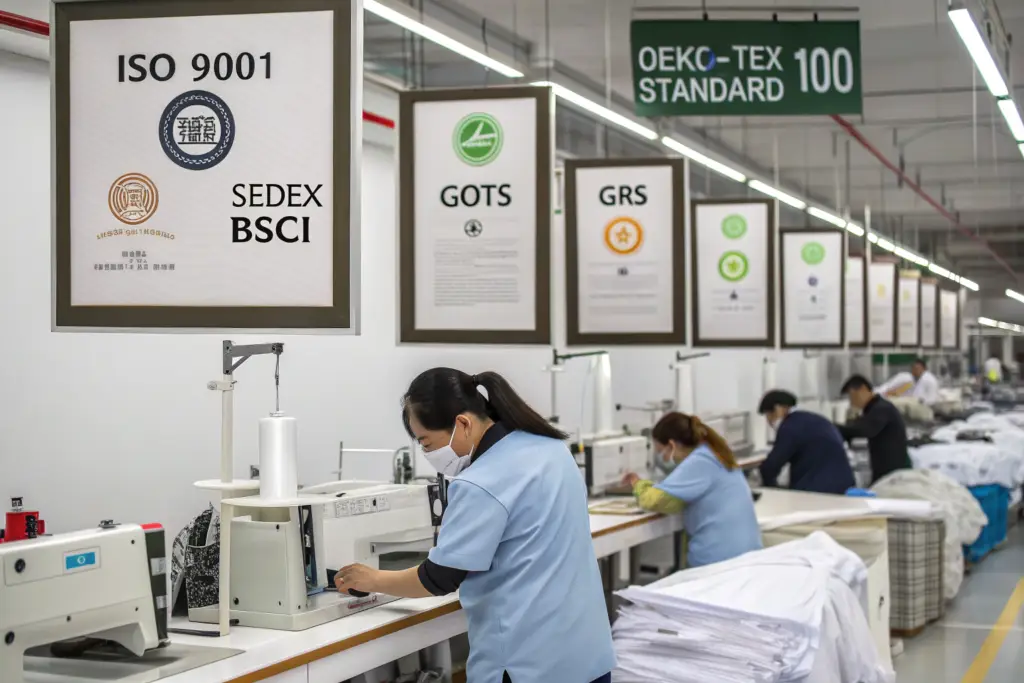
You are about to place a large order. The factory seems professional. The samples look good. The pricing is right. But then a question pops into your head: Are they legit? Do they follow any standards? What if their workers are exploited? What if their fabrics contain harmful chemicals? What if they fail a surprise audit from your biggest retail customer? These fears can stop you from moving forward. You need proof that the factory operates to recognized standards.
The certifications your clothing factory should possess fall into three main categories: quality management certifications like ISO 9001, product safety certifications like OEKO-TEX Standard 100, social compliance certifications like SEDEX or BSCI, and material-specific certifications like GOTS for organic cotton or GRS for recycled materials. The right certifications prove the factory is professional, ethical, and capable of producing safe, high-quality goods that meet international standards.
I have invested heavily in certifications at Shanghai Fumao because I know they matter to my clients. A few years ago, a major US brand was considering us for a large contract. Their first question was not about price. It was about certifications. They sent us a long questionnaire. They asked for our ISO certificate, our social audit reports, our chemical management policy. Because we had all of these, we passed their vetting and won the contract. If we had been uncertified, we would have lost the business. Let me explain the key certifications you should look for and why they matter for your brand.
What quality management certifications should a factory have?
Quality management certifications show that a factory has systems in place to consistently produce goods that meet specifications. They are not about the product itself, but about the process.
What is ISO 9001 and why does it matter?
ISO 9001 is the international standard for quality management systems. It is awarded by the International Organization for Standardization. A factory with ISO 9001 certification has documented procedures for every part of their operation: from receiving orders and sourcing materials to production, inspection, and shipping.
This certification means the factory follows a plan. They track their performance. They correct problems when they occur. They continuously improve. For you, it means consistency. An ISO 9001 factory is less likely to make random mistakes. They have systems to catch errors before they reach you. A client from Chicago once told me that he only works with ISO 9001 certified factories. He said it is not a guarantee of perfection, but it is a guarantee of professionalism. He knows the factory takes quality seriously. You can verify ISO certifications on the International Accreditation Forum website.
What is the value of factory audits like SGS or BV?
Beyond ISO, many factories undergo specific audits by third-party companies like SGS, Bureau Veritas, or TÜV Rheinland. These audits are often requested by specific buyers. They check everything from factory safety to working hours to environmental practices.
An audit report gives you a detailed snapshot of the factory. It tells you how many workers they have, what machines they own, what their capacity is, and whether they comply with local laws. It is like a background check for the factory. A client from Seattle always asks for the most recent audit report before he even discusses pricing. He reads it carefully. He looks for red flags like excessive overtime or safety violations. If the audit is clean, he feels confident moving forward. You can request these audits yourself through companies like SGS or Intertek. It is a small investment that can save you from a big disaster.
What product safety certifications protect your customers?
Your customers trust you to sell safe products. They put your clothes on their bodies. They let their children wear them. If your clothes contain harmful chemicals, you face recalls, lawsuits, and brand destruction. Product safety certifications protect you from this nightmare.
What is OEKO-TEX Standard 100 and what does it test for?
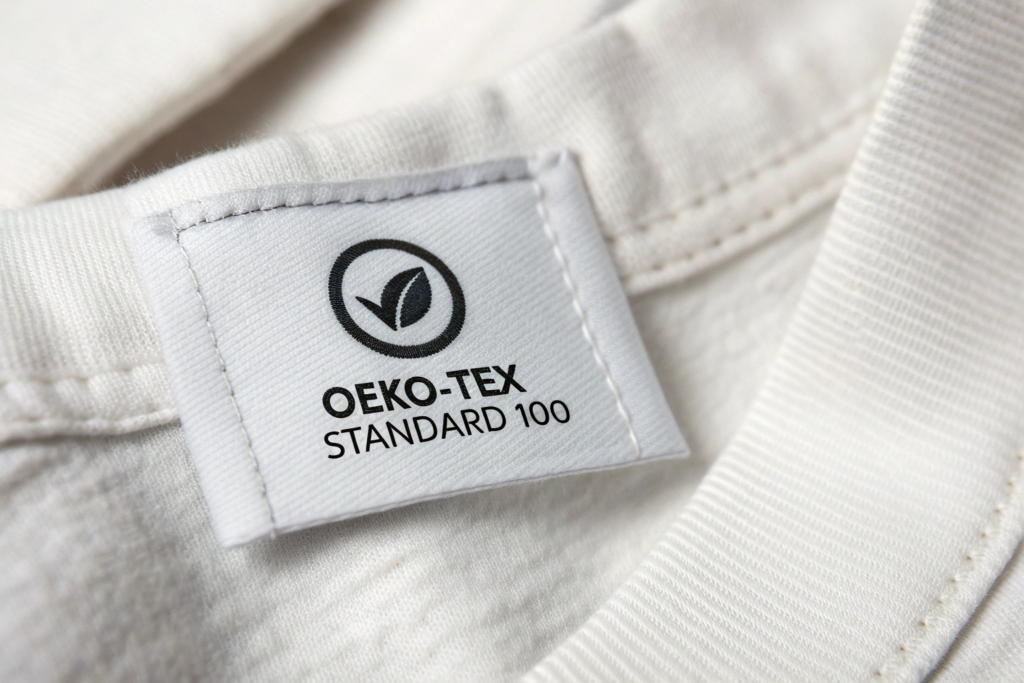
OEKO-TEX Standard 100 is one of the most important certifications for apparel. It tests for harmful substances in the finished product. The test covers hundreds of regulated and non-regulated chemicals, including heavy metals, pesticides, formaldehyde, and allergenic dyes.
If a fabric or garment carries the OEKO-TEX label, it has been tested by an independent lab and found to be safe for human health. There are different product classes. Class I is for baby products and has the strictest limits. Class II is for items worn close to the skin, like t-shirts. Class III is for outerwear. A client from Boston who makes children’s wear insists on OEKO-TEX Class I certified fabrics for all his products. He puts the logo on his hang tags. His customers trust him. They know his clothes are safe for their kids. This certification is not just a piece of paper. It is a marketing tool and a risk management tool. You can search for certified products on the OEKO-TEX Buying Guide.
What is BLUESIGN and how does it differ from OEKO-TEX?
BLUESIGN is another important certification, but it focuses more on the manufacturing process than the finished product. It looks at the entire supply chain: raw materials, chemical inputs, water usage, worker safety, and emissions.
A factory or mill with BLUESIGN certification has been audited to ensure they are using safe chemicals, treating their wastewater properly, and protecting their workers. It is a more comprehensive, system-level certification. For a client from Los Angeles who makes high-end sustainable activewear, BLUESIGN certified fabrics are a must. He knows the fabric was made responsibly from start to finish. It aligns with his brand values. If sustainability is important to you, look for factories and mills with BLUESIGN certification. You can learn more at the BLUESIGN website.
In today’s world, consumers care about how their clothes are made. They do not want to support sweatshops or child labor. Social compliance certifications prove that a factory treats its workers fairly and operates legally.
What is SEDEX and SMETA audit?
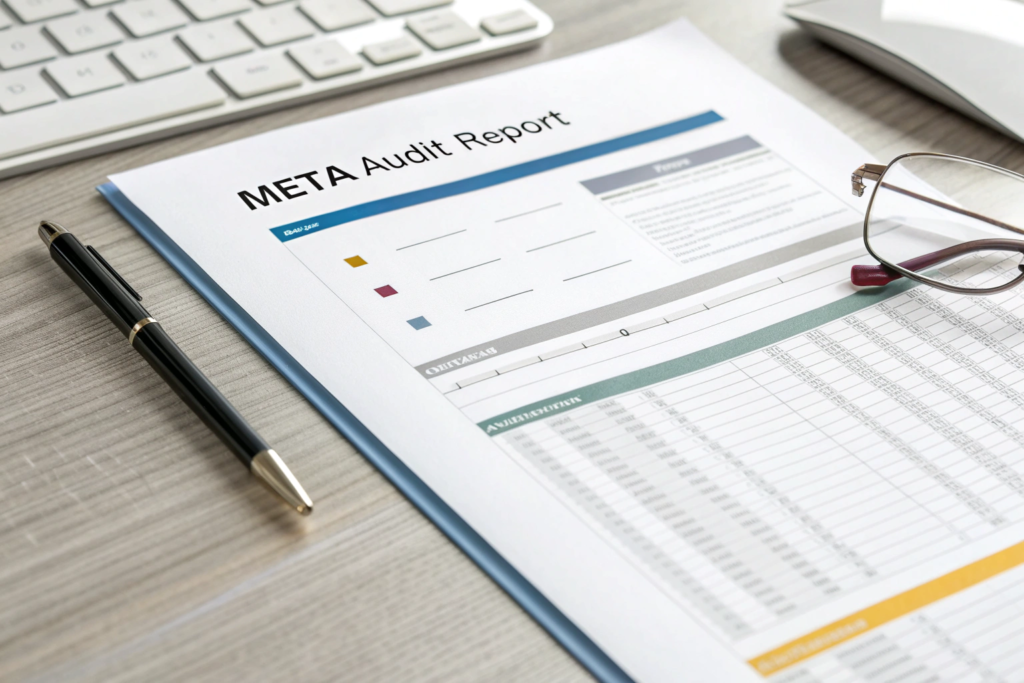
SEDEX is a platform for sharing ethical supply chain data. Many brands require their suppliers to be registered on SEDEX. The associated audit is called SMETA, which stands for Sedex Members Ethical Trade Audit.
A SMETA audit covers four areas: labor standards, health and safety, environment, and business ethics. Auditors visit the factory unannounced or by appointment. They check worker contracts, pay records, working hours, and safety conditions. They interview workers privately. The audit report is then uploaded to the SEDEX platform, where you can view it. A client from Denver requires all his suppliers to have a valid SMETA audit. He says it gives him peace of mind. He knows his products are not made in a sweatshop. He can tell his customers that with confidence. You can request access to a factory’s SEDEX data through the SEDEX website.
What is BSCI and how is it used?
BSCI, or the Business Social Compliance Initiative, is another major social compliance framework. It is run by amfori, a trade association. Many European brands require BSCI audits.
A BSCI audit checks similar things to SMETA: labor rights, fair remuneration, occupational health and safety, and environmental protection. Factories are rated from A to E, with A being the best. Many buyers require at least a C grade. A client from Miami who exports to both the USA and Europe maintains both SMETA and BCSI audits to satisfy all his customers. This dual certification opens more doors for him. At Shanghai Fumao, we have both. We want to be able to work with any brand, anywhere in the world. You can learn more at amfori BSCI.
What material-specific certifications prove sustainability?
If you are making claims about sustainability, you need proof. Vague terms like “eco-friendly” mean nothing without certification. These material-specific certifications provide the proof your customers demand.
What is GOTS and why is it the gold standard for organic cotton?
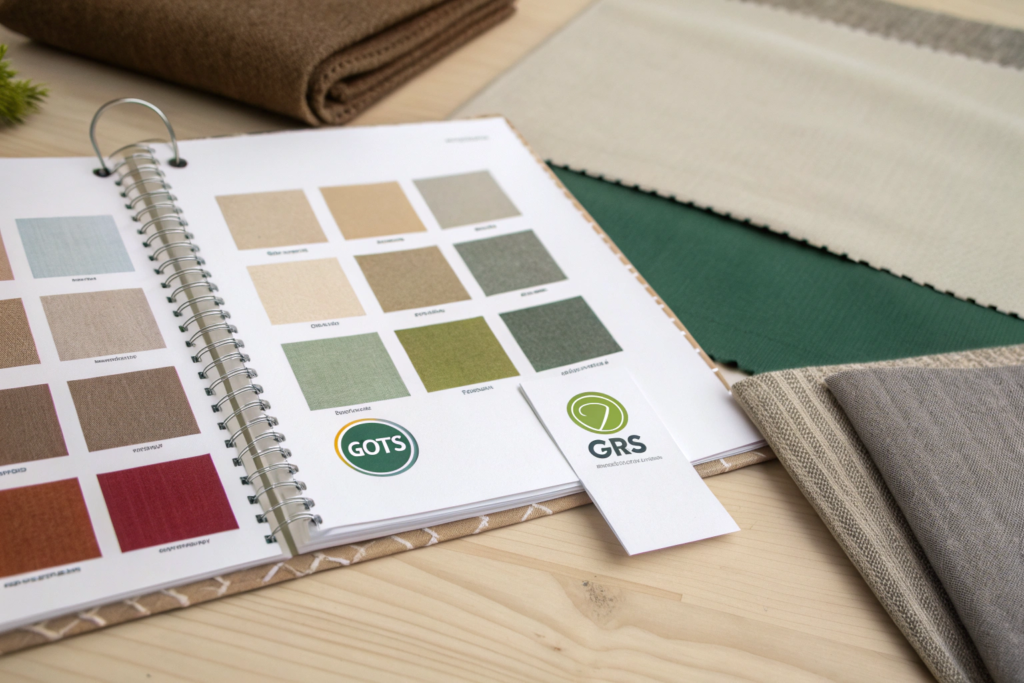
GOTS, or the Global Organic Textile Standard, is the leading certification for organic fibers. It is not just about the cotton being organic. It covers the entire supply chain: from the farm where the cotton is grown, to the gin, to the spinning mill, to the fabric mill, to the factory.
GOTS-certified cotton is grown without synthetic pesticides or fertilizers. The processing mills must meet strict environmental and social criteria. Wastewater must be treated. Workers must be paid fairly. When you buy GOTS-certified fabric, you know the whole story. A client from Seattle who makes luxury organic cotton sheets only uses GOTS-certified materials. He puts the GOTS logo on his packaging. His customers know they are getting the real thing, not greenwashing. You can verify GOTS certifications on the Global Standard website.
What is GRS and when do you need it?
GRS, or the Global Recycled Standard, applies to products made from recycled materials. This includes recycled polyester from plastic bottles, recycled nylon, and recycled cotton.
GRS certifies the recycled content percentage. It also tracks the material through the supply chain and ensures that the recycling process itself meets environmental and social standards. If you are making a product from recycled materials and want to make a claim, you need GRS. A client from Los Angeles makes a line of jackets from recycled polyester. He uses GRS-certified fabric and puts the GRS logo on his hang tags. His customers trust his claims because they are backed by a real standard. Without GRS, his “recycled” claim would be just words. You can learn more at Textile Exchange.
How do you verify a factory’s certifications are real?
Sadly, some factories fake certifications. They photoshop logos onto documents. They claim to be certified when they are not. You must verify. It is not rude. It is smart business.

What documents should you request and how do you check them?
When a factory claims to have a certification, ask for the actual certificate. Not a photo of a plaque on the wall. The official certificate issued by the certifying body. It will have a certificate number, an issue date, an expiry date, and the name and address of the certified facility.
Then, go to the website of the certifying body. Most have online databases where you can search for valid certificates. Enter the certificate number or the factory name. Check that the certificate is still valid and that it covers the scope of work you need. A client from Chicago once received a GOTS certificate from a factory. He checked the number on the GOTS website and found it was expired. He confronted the factory. They admitted they had not renewed. He walked away. That verification saved him from a potential scandal. Always verify. It takes five minutes and can save you years of pain.
Why should you ask for transaction certificates for sustainable materials?
Even if a factory is GOTS or GRS certified, you need proof that your specific materials are certified. This comes in the form of Transaction Certificates, or TCs. A TC is issued for each batch of certified material. It shows the quantity, the supplier, the buyer, and the certification standard.
When you buy GOTS fabric, ask for the TC. When you receive the finished garments, ask for the TC for the final product. This creates a chain of custody. It proves that the certified material went from the mill to the factory to you. A client from Boston once ordered GOTS t-shirts. The factory was GOTS certified, but when he asked for the TC for the fabric, they could not provide it. The fabric was not actually certified. He had to reject the order. It was painful, but he protected his brand. Always ask for TCs. They are the proof that matters. Your certifying body can guide you on this process.
Conclusion
Certifications are not just pieces of paper. They are evidence. They prove that a factory is professional, safe, ethical, and capable. They protect you from quality problems, legal issues, and reputational damage. They give you marketing claims that are backed by real standards. When you work with a certified factory, you work with less risk and more confidence.
At Shanghai Fumao, we have invested in the certifications that matter to our clients. We are ISO 9001 certified for quality management. We use OEKO-TEX certified fabrics. We have SMETA audits for social compliance. We can source GOTS and GRS certified materials. We are ready to provide all the documentation you need to verify our claims.
If you want a partner who takes standards seriously, let us talk. Please contact our Business Director, Elaine, at elaine@fumaoclothing.com. She will provide you with our certificates and answer any questions you have about our compliance. Let’s build a partnership based on trust and verified quality.