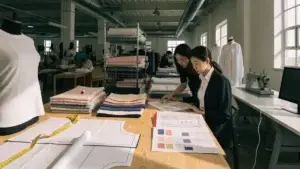
You want to do the right thing. You want your clothing line to be sustainable. Your customers are asking for it. The market is moving toward it. But when you start looking for eco-friendly fabrics and trims, you hit a wall. Where do you even begin? The terms are confusing. Organic, recycled, biodegradable, low-impact. The suppliers are hard to find. The minimums are often high. You feel overwhelmed. You wonder if sustainable sourcing is even possible for your brand.
You source sustainable trims and fabrics by partnering with a manufacturer who has already done the hard work of vetting eco-conscious suppliers. We maintain a network of certified mills and trim vendors who offer GOTS-certified organic cotton, GRS-certified recycled polyester, natural buttons, and eco-friendly packaging. We then guide you to the best options for your design, budget, and sustainability goals, handling the testing and certification verification so you can focus on your collection.
I have been in this industry long enough to see the shift. Fifteen years ago, no one asked about sustainability. Today, almost every brand asks. Two years ago, a client from Portland came to us with a mission. They wanted to launch a fully sustainable activewear line. They had tried sourcing fabrics themselves and had spent months hitting dead ends. They came to us frustrated. We sat down with them and showed them our library of sustainable materials. We explained the certifications. We helped them choose fabrics that matched their performance needs. Their line launched successfully and won an award for sustainability. That is the power of working with a knowledgeable partner. Let me share how we do it.
What certifications should you look for in sustainable materials?
The world of sustainable certifications is confusing. There are so many acronyms. Some are meaningful. Some are just marketing. Knowing what to look for is the first step in sourcing real sustainable materials, not just greenwashed ones.
What is GOTS and why does it matter for cotton?
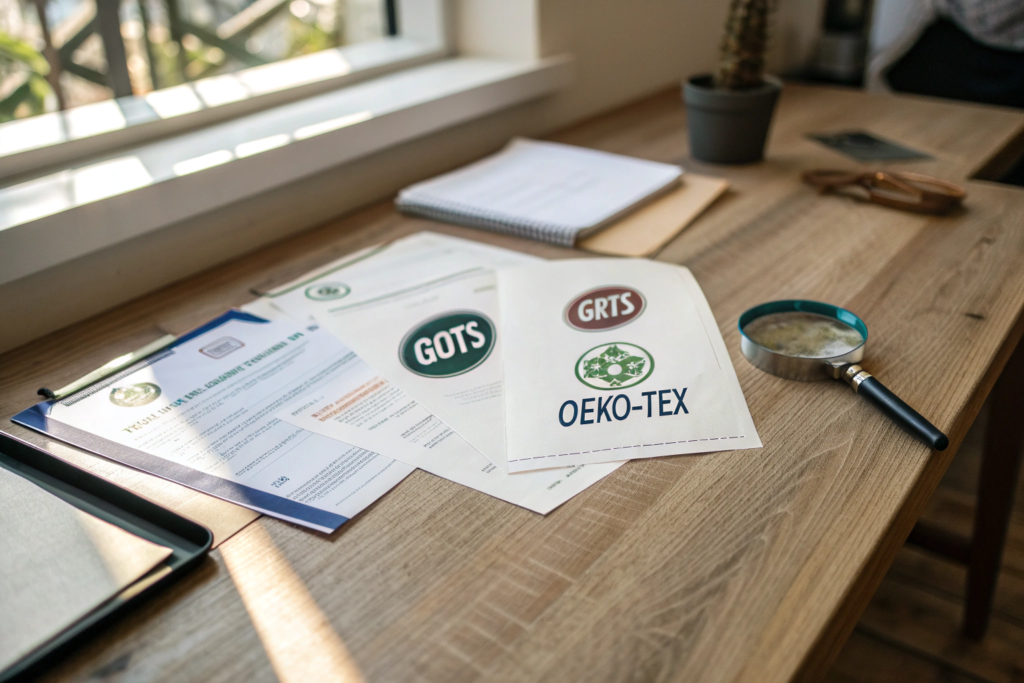
If you are using cotton, the gold standard is GOTS, which stands for Global Organic Textile Standard. This is not just a simple "organic" label. GOTS covers the entire supply chain. It ensures that the cotton is grown organically, without synthetic pesticides or fertilizers. But it goes further.
GOTS also certifies that the processing and manufacturing are environmentally and socially responsible. This means the mills use safe chemicals, treat their wastewater properly, and treat their workers fairly. When you see a GOTS-certified fabric, you know the whole story, from the farm to the finished roll. A client from Boston once asked us for organic cotton t-shirts. We showed him two options. One was simply labeled "organic cotton." The other was GOTS-certified. We explained the difference. He chose GOTS because he wanted to be sure his entire supply chain was ethical. That attention to detail built trust with his customers. You can verify GOTS certifications on their official site at Global Standard.
What does GRS certification mean for recycled materials?
For recycled materials, the key certification is GRS, or Global Recycled Standard. This standard applies to products made from recycled content, like recycled polyester from plastic bottles or recycled cotton from textile waste. GRS verifies the recycled content percentage and tracks it through the supply chain.
But like GOTS, GRS also covers environmental and social criteria. It ensures that the recycling process itself is responsible. A client from Seattle wanted to make a line of outerwear from recycled polyester. We sourced GRS-certified fabric from a mill in Taiwan. The client was able to put the GRS logo on his hang tags and market his jackets as truly recycled. His customers loved the transparency. If you want to learn more about recycled material standards, visit Textile Exchange, which is a leading authority on sustainable fibers.
What about OEKO-TEX and other important labels?
Another important certification is OEKO-TEX Standard 100. This is different from GOTS and GRS. OEKO-TEX does not certify organic farming or recycled content. Instead, it tests the finished product for harmful substances. If a fabric has the OEKO-TEX label, you know it is free from chemicals that could be dangerous to human health.
This is important for all garments, but especially for children's wear and items worn close to the skin. We always recommend OEKO-TEX certified fabrics for our baby clothing clients. It gives parents peace of mind. There are other labels too, like BCI or Better Cotton Initiative, which aims to improve cotton farming globally. Each label has a different focus. At Shanghai Fumao, we help our clients navigate these options and choose the certifications that matter most for their brand story. You can search for certified products on the OEKO-TEX Buying Guide.
Where can you find sustainable fabric suppliers?
Finding reliable suppliers of sustainable fabric is one of the hardest parts of the job. Many mills claim to be green, but verifying their claims takes time and expertise. This is where an experienced manufacturer becomes invaluable.
How do established manufacturers build sustainable supplier networks?
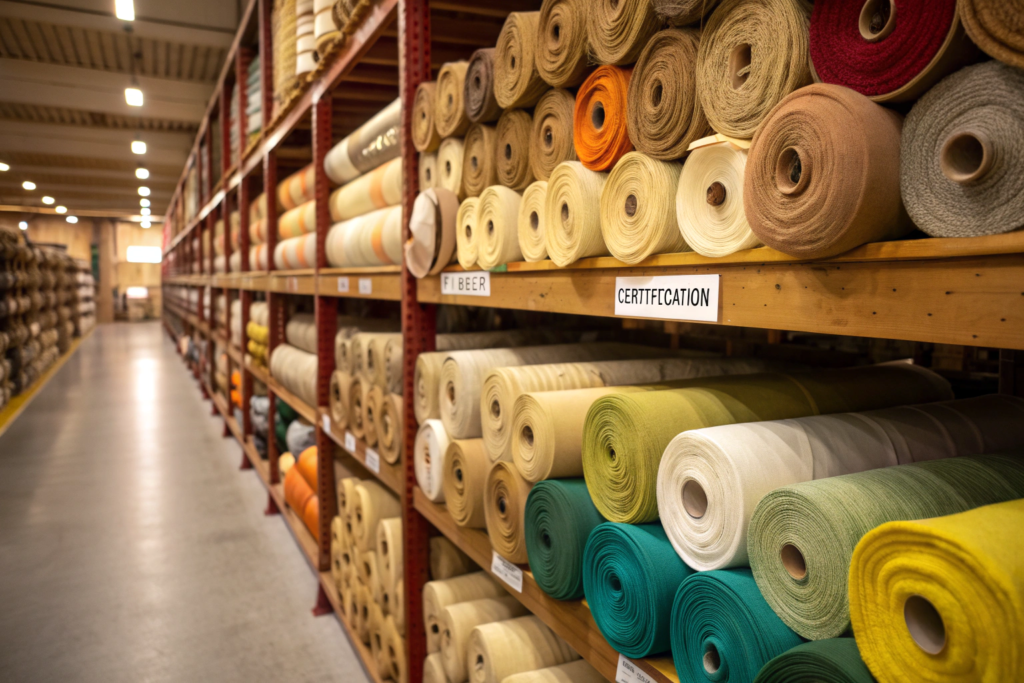
We have been in business for years. Over that time, we have visited hundreds of mills. We have audited their facilities. We have tested their fabrics. We have built relationships with the ones that are truly committed to sustainability. This network is one of our greatest assets.
When you come to us with a sustainable project, we do not start from zero. We already know which mills produce great organic cotton jersey. We know which mills specialize in recycled nylon for activewear. We know which mills have the best certifications and the most reliable delivery. For example, we work closely with several mills in China and Taiwan that are GOTS and GRS certified. They have been audited by third parties. Their supply chains are transparent. When we source from them, we are confident in the quality and the sustainability claims. This saves you months of research and vetting. Organizations like Sustainable Apparel Coalition provide resources for finding vetted suppliers.
What is the difference between in-stock sustainable fabrics and custom development?
When sourcing sustainable fabric, you have two main paths. The first is choosing from in-stock sustainable fabrics. These are fabrics that mills already produce regularly. They are ready to ship. This is the fastest and most cost-effective option. The downside is that you are limited to the colors and weights that the mill stocks.
The second path is custom development. This means working with a mill to create a fabric just for you. You might want a specific blend of organic cotton and recycled polyester. You might want a unique color. This takes more time and usually requires higher minimum quantities. But it gives you exclusivity. A client from New York wanted a custom sustainable fabric for her high-end line. She wanted a blend of linen and Tencel in a specific weight. We worked with a mill to develop it. It took four months and required a minimum of 1,000 meters. But the fabric was unique to her brand. Her customers loved it. Both paths are valid. The right choice depends on your timeline, budget, and brand goals.
What sustainable trim options are available for your garments?
Fabrics get most of the attention, but trims matter too. Buttons, zippers, labels, and threads all have environmental impacts. Sustainable sourcing means looking at every component of your garment.
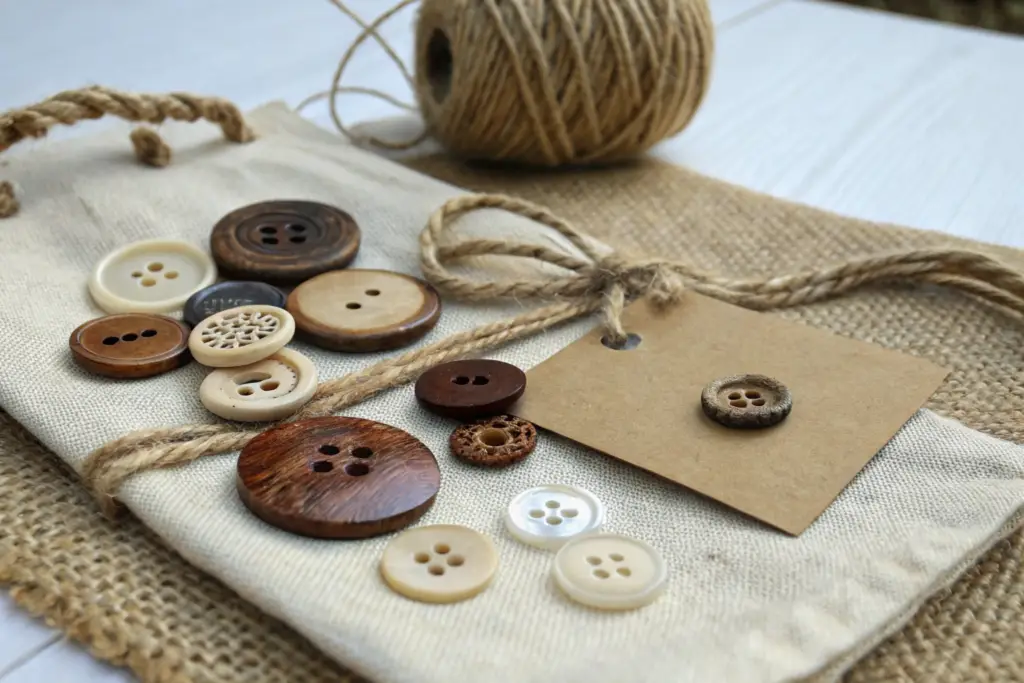
Standard plastic buttons are made from petroleum-based resins. They are not biodegradable and have a high carbon footprint. Fortunately, there are many beautiful and sustainable alternatives available today.
Corozo buttons are one of the best options. Corozo is a nut from the tagua palm tree in South America. It is sometimes called "vegetable ivory." It is hard, durable, and takes a beautiful polish. It looks and feels like real ivory but is completely sustainable. Coconut shell buttons are another great option. They have a natural, earthy look that is perfect for casual wear and resort collections. Recycled glass buttons and recycled polyester buttons are also available. A client from Miami who made a line of resort wear chose coconut shell buttons for his shirts. The buttons complemented the natural, laid-back vibe of his collection perfectly. They also became a talking point with his customers. You can find sustainable button suppliers through directories like Common Objective.
How do you choose sustainable zippers, threads, and labels?
Zippers are often made from polyester or nylon with metal elements. Sustainable options are growing. Look for zippers made from recycled polyester tape with recycled polyester coil. The sliders can be made from nickel-free, recycled materials. Brands like YKK offer a sustainable line called GreenRise that uses recycled materials.
For thread, the standard is polyester, but you can find recycled polyester thread made from post-consumer bottles. For natural fiber garments, you might also consider organic cotton thread, though it is less strong than polyester and may not be suitable for all seams. For labels, look for recycled polyester labels or labels made from organic cotton. The printing should be done with water-based inks, not plastisol. The care label itself can be made from recycled materials as well. A client from Chicago who made a sustainable activewear line used recycled polyester thread and recycled labels throughout. When his customers looked at the inside of the garment, they saw the commitment to sustainability continued all the way down to the stitching. That consistency builds brand trust. You can explore options from major trim suppliers like YKK and Coats.
How can you verify your materials are truly sustainable?
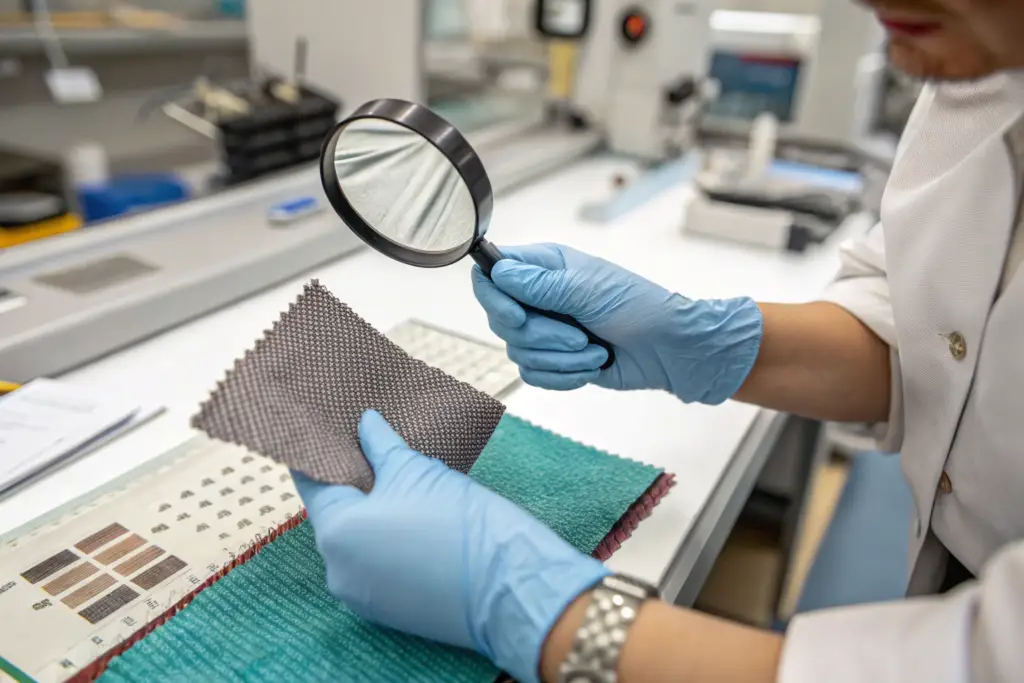
Trust is good, but verification is better. In an industry where greenwashing is common, you need proof that your materials are what the supplier claims. A responsible manufacturer helps you get that proof.
What documentation should you request from suppliers?
When you source sustainable materials, you must request certificates of compliance. For GOTS fabric, ask for the GOTS Scope Certificate and the GOTS Transaction Certificate. The Scope Certificate proves the mill itself is certified. The Transaction Certificate proves that the specific batch of fabric you are buying meets GOTS standards.
For GRS materials, ask for the GRS Scope Certificate and the Recycled Claim Standard or RCS documentation. For OEKO-TEX, ask for the OEKO-TEX certificate for the specific product. Do not accept a general statement. Ask for the actual document. Verify the dates. Check that the certificate is still valid. A client from Denver once received fabric that was supposed to be GOTS-certified. The mill sent a certificate, but our team noticed it had expired six months earlier. We flagged it. The client confronted the mill, and they admitted the fabric was not certified. We helped him find a new, truly certified supplier. That saved his brand from a potential greenwashing scandal. You can verify certificates on the websites of the issuing bodies, like Control Union or Ecocert.
How does third-party testing protect your brand?
Even with certificates, there is a risk. Sometimes materials are mislabeled. Sometimes there is fraud. The best protection is third-party testing. This means sending samples of your fabric to an independent laboratory. They can test the fiber content to verify it is what the mill claims.
For organic cotton, they can test for pesticide residues. For recycled polyester, they can use carbon-14 dating to verify the recycled content percentage. This testing costs money, but it is the ultimate proof. A client from Los Angeles who made luxury sustainable sweatshirts insisted on third-party testing for every fabric shipment. One time, the test came back showing the "organic cotton" had traces of synthetic pesticides. We rejected the fabric and found a new supplier. The client avoided a major reputation disaster. At Shanghai Fumao, we can arrange this testing for you through accredited labs like SGS or Intertek. We want you to be confident in your supply chain.
Conclusion
Sourcing sustainable trims and fabrics is a journey. It requires knowledge, patience, and a network of trusted partners. You have to understand certifications, find reliable suppliers, choose the right materials for your design, and verify everything. It is a lot of work. But it is also incredibly rewarding. When you launch a collection that is truly sustainable, your customers notice. Your brand stands out. You are contributing to a better future for the fashion industry.
You do not have to do this alone. We have spent years building the relationships and gaining the knowledge. We have helped brands of all sizes navigate the complex world of sustainable sourcing. We would love to help you too.
If you are ready to make your clothing line more sustainable, let us talk. Please contact our Business Director, Elaine, at strong>elaine@fumaoclothing.com. She will discuss your sustainability goals and show you how we can source the perfect eco-friendly materials for your next collection.