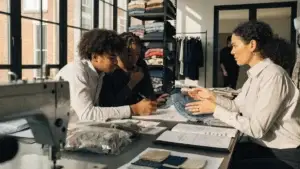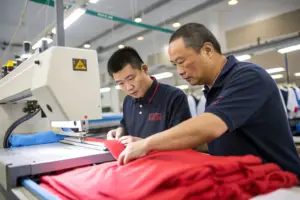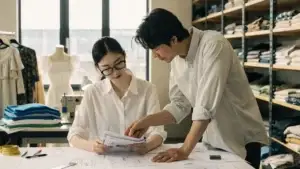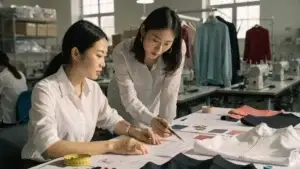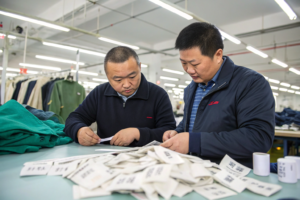
I meet many brand owners who are excited to start a new project but feel overwhelmed by the first step. They know what they want to make, but they are not sure how to communicate it to a factory on the other side of the world. They worry about missing some crucial piece of information that will cause delays or mistakes. This hesitation is completely normal. The garment industry has its own language, and if you are not a technical designer, it can feel like learning a new dialect.
The truth is, you do not need to be a technical expert to start a successful FPP project. You just need to provide clear information about what you want. The more you can share, the faster and more accurately we can bring your vision to life. Think of me and my team as your translators. We take your ideas, your sketches, your reference images, and your goals, and we turn them into the technical specifications needed for production.
I have guided hundreds of clients through this first step. A few years ago, a brand owner from Austin called me. He had a great concept for a men's utility vest but had never worked with a factory before. He was nervous. He said, "I do not have a tech pack. I just have sketches on my iPad." I told him to send the sketches and some photos of vests he liked. Our design team took that raw inspiration and created a professional tech pack. We developed samples. Six months later, his vest was in stores. You do not need to be an expert. You just need to start the conversation.
What Design Information Should I Prepare?
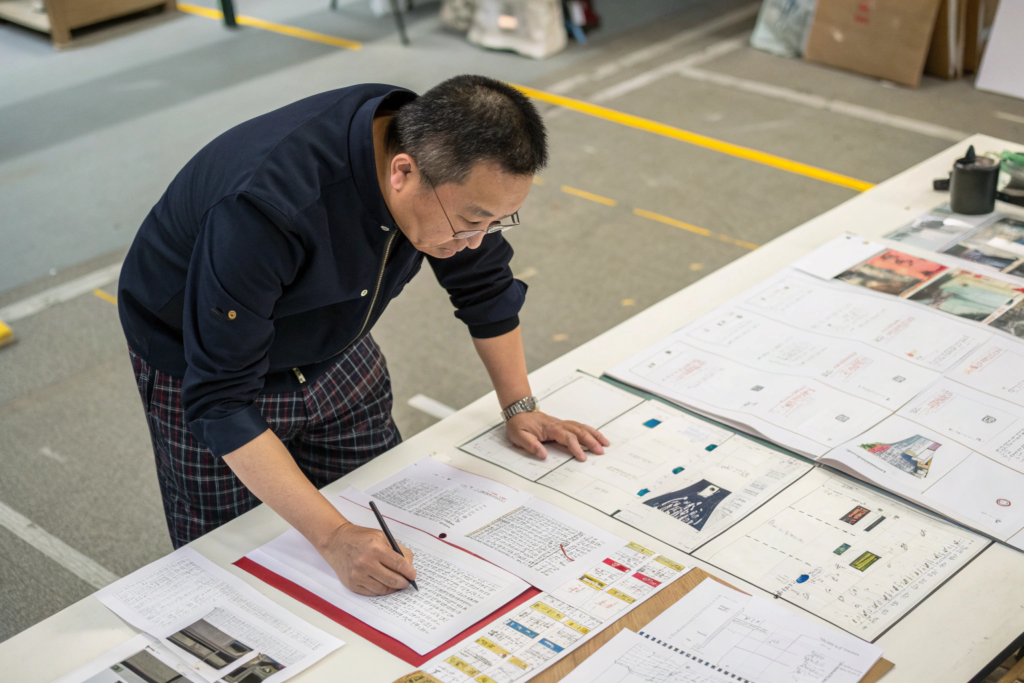
The starting point for any FPP project is your design concept. This can take many forms. It might be a detailed technical drawing with measurements. It might be a rough sketch on a napkin. It might just be a collection of photos of garments you like from Pinterest or Instagram. All of these are valuable starting points.
The goal at this stage is to communicate the overall vision. What is the garment? Who is it for? What feeling should it evoke? Do not worry about being too technical. We will help you translate the creative vision into technical specifications. The most important thing is to share your ideas openly.
What if I only have rough sketches or inspiration photos?
That is perfectly fine. Many of our best projects start with rough ideas. A client in Seattle once sent us a folder of about 20 photos of vintage military jackets he had collected. He said, "I want something inspired by these, but modernized for my brand." That was enough.
Our design team studied the photos. We identified the key elements: the pocket placement, the collar shape, the general silhouette. We then created a tech pack that combined those vintage elements with a modern fit. We sent him the drawings for approval before making a sample. The final jacket was exactly what he envisioned. Do not let a lack of technical drawings stop you. Send us what you have.
What details are most important to include in a design brief?
The more specific you can be, the better. If you have measurements, include them. If you know what fabric weight you want, tell us. If you have a specific pocket style in mind, describe it or show a picture. The most helpful information includes:
The garment type and intended use (e.g., "a lightweight summer dress for resort wear").
The target customer and fit preference (e.g., "for women aged 30-45, a relaxed, not tight fit").
Reference images for overall style and for specific details like collars, cuffs, or pockets.
Any specific features you need (e.g., "must have an interior pocket large enough for a phone").
Your desired price point or fabric quality level.
A client in Denver once sent us a very simple brief: "I want a heavy cotton hoodie, like the ones from the 1990s, with a big front pocket and a thick drawstring." That was clear enough for us to start. We sourced a 400gsm fleece and developed a pattern with an oversized pocket. He loved it. Clear communication, even if simple, is the key.
What Technical Specifications Do You Need?
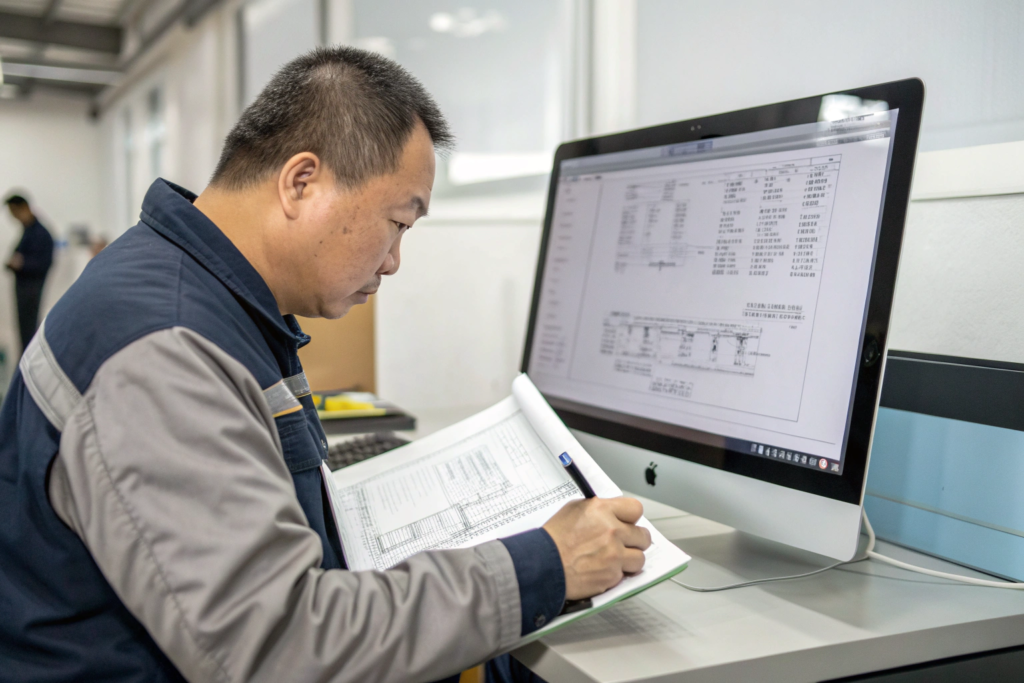
Once we understand your creative vision, we move to the technical side. This is where we define exactly how the garment will be constructed. A "tech pack" or "spec sheet" is the document that contains all this information. It is the blueprint for your garment. If you have one, great. If not, we can create one for you based on your samples.
The technical specifications ensure that every person involved in production, from the pattern maker to the sewer to the QC inspector, is working from the same set of instructions. It eliminates guesswork and ensures consistency.
What is a tech pack, and do I need one?
A tech pack is a comprehensive document that includes everything needed to produce your garment. It typically contains:
- Flat technical drawings of the front and back of the garment.
- A measurement chart or "spec sheet" with all the key points of measure for each size.
- Construction details, describing how seams should be sewn and finished.
- Bill of materials, listing every component: fabric, thread, buttons, zippers, labels.
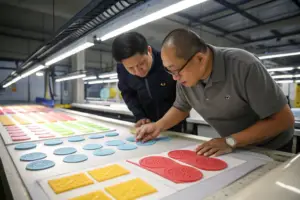
- Artwork for any prints or embroidery.
If you have a tech pack, please send it. It speeds up the process dramatically. If you do not have one, do not worry. We can create it for you as part of our FPP service. We will take your samples or sketches and develop the full technical package. A client in Boston had never heard of a tech pack. We created one for his first order. Now, he uses that document as the basis for all his reorders. It is a valuable asset he owns.
What measurements should I provide for my size chart?
The size chart is the foundation of a good fit. At minimum, you should provide the measurements for your target size, often a size medium or size 8. Key measurements usually include:
- Chest or bust (measured around the fullest part)
- Waist
- Hip (for bottoms and dresses)
- Shoulder width
- Sleeve length (from shoulder point to wrist)
- Body length (from high point shoulder to hem)
- Inseam (for pants)
If you have a full size chart for all sizes (XS to XL, for example), that is even better. If you only have a sample garment that fits well, you can send it to us. Our pattern makers will measure it and create a size chart based on that physical sample. Many clients send us their "fit model" garment, and we reverse-engineer the specifications. It is a very common and effective approach.
What Fabric And Material Information Is Helpful?
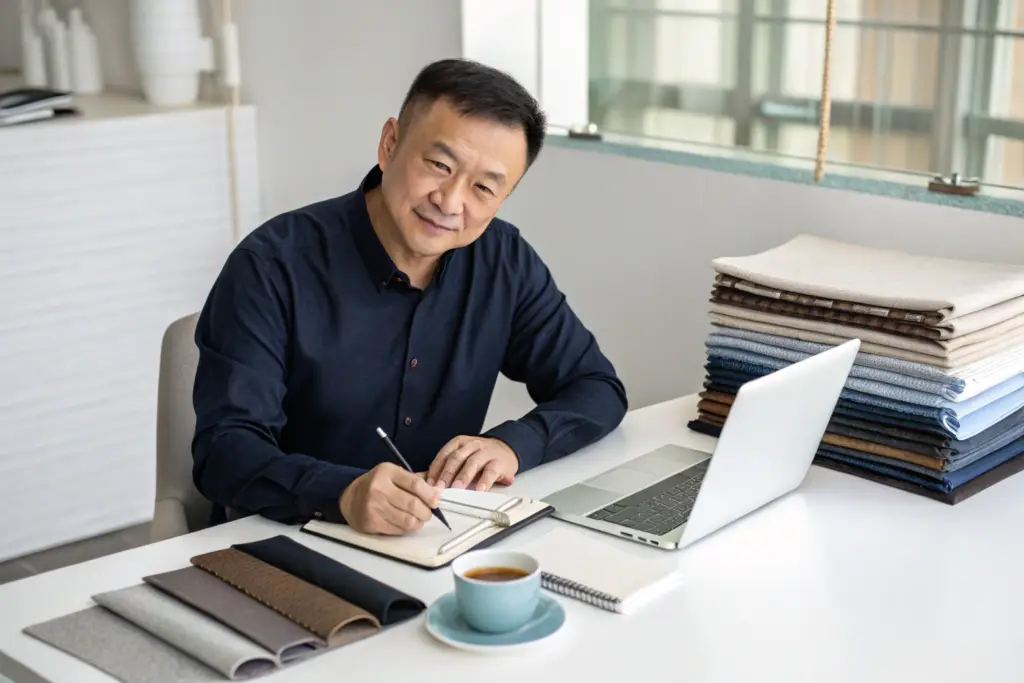
Fabric is the soul of a garment. The same design made in two different fabrics will look and feel completely different. Your choices here will determine the final product's quality, drape, comfort, and price. We need to understand your vision for the material as clearly as possible.
We have a vast network of fabric suppliers and a deep knowledge of what is available. Even if you are not sure exactly what fabric you want, we can guide you. We can show you options based on your desired weight, composition, and budget.
What if I do not know exactly which fabric I want?
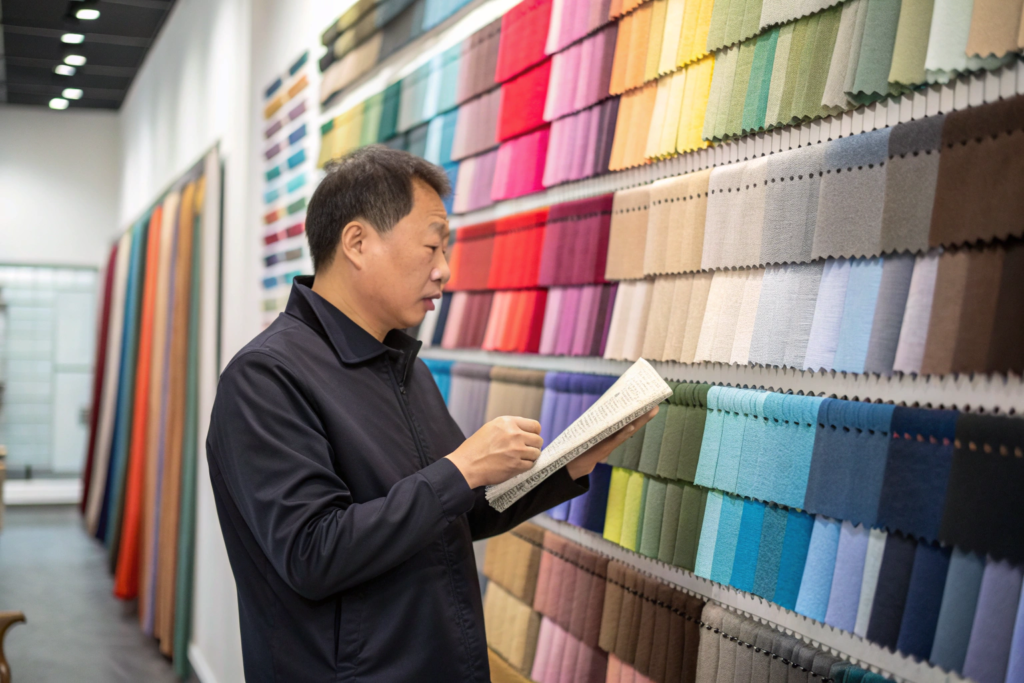
That is extremely common. Most of our clients are not fabric experts. They know they want something "soft" or "structured" or "with a nice drape." That is a perfect starting point. Tell us the feeling you want the fabric to have. Tell us the weight you imagine. Tell us if you need it for summer or winter.
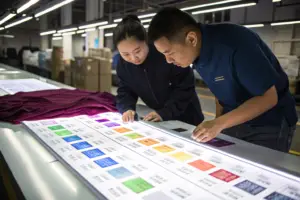
We will then source options for you. We will send you physical swatches so you can feel the fabric yourself. We can also send you "lab dips," which are small samples of the fabric dyed in your specific colors. A client in San Francisco wanted a "buttery soft" fabric for a loungewear set. We sent her five different French terry and modal blends. She chose the one that felt best to her. We then sourced it in her colors. You do not need to be a fabric expert. You just need to communicate the feeling you want.
What fabric details are crucial to specify upfront?
If you do have specific requirements, please share them early. Critical details include:
- Fiber content (e.g., 100% cotton, 95% polyester/5% spandex)
- Fabric weight (usually expressed in GSM for knits or ounces for wovens)
- Width (standard is usually around 60 inches)
- Any performance requirements (e.g., water-resistant, anti-microbial, UV protection)
- Any certifications needed (e.g., GOTS for organic, GRS for recycled)
If you have a specific mill you want to use, let us know. If you have a fabric swatch you love, send it to us. We can often source the same or a very similar fabric. The more specific you are, the faster we can zero in on the right material.
What Are Your Quantity And Timeline Goals?
Your business goals drive everything. We need to understand how many pieces you want to produce and by when. This information allows us to plan our capacity, source materials accordingly, and give you an accurate timeline. It also helps us advise you on the most cost-effective approach.
Be as realistic as possible with your quantities and timelines. If you are launching a new style, a smaller test run might be wise. If you have a firm delivery date for a major retailer, we need to know that upfront so we can prioritize.
What is your minimum order quantity for new FPP projects?
As I mentioned before, our standard MOQ varies by style complexity. For simple knit or woven tops, we can often start around 300 pieces per color per style. For more complex dresses, jackets, or bottoms, the MOQ might be 500 to 800 pieces.
However, we understand that new projects need testing. We are often willing to discuss smaller quantities for a first order, perhaps 200 to 300 pieces, to help you validate the market. The key is to have an open conversation. Tell us your goals and your constraints. We will work with you to find a viable path. A client in Miami started with a test order of 200 units of a new dress style. They sold out in a month and came back for 1,000 units. We invest in your growth.
How far in advance should I contact you for a new season?
For a new FPP project, especially if it involves fabric sourcing and development, I recommend contacting us at least 4 to 5 months before you need the goods in your U.S. warehouse. This allows time for:
- Fabric sourcing and development (4-6 weeks)
- Sampling and revisions (3-4 weeks)
- Production (4-6 weeks)
- Shipping (3-4 weeks for air, 5-7 weeks for ocean)
For repeat orders of existing styles, the timeline can be shorter, typically 10 to 12 weeks from order to delivery. The earlier you start the conversation, the smoother the process will be. We can plan capacity, secure fabric early, and avoid any last-minute rush.
What Is Your Budget And Target Price Point?
Money is always a consideration. We need to understand your target price point so we can engineer a garment that meets both your quality standards and your budget. There is almost always a way to hit a target price by making thoughtful choices about fabric, trims, and construction.
Being open about your budget helps us serve you better. If your target price is $25 landed, we will not waste time proposing $40 fabric. We will work within your parameters to find the best possible solution.
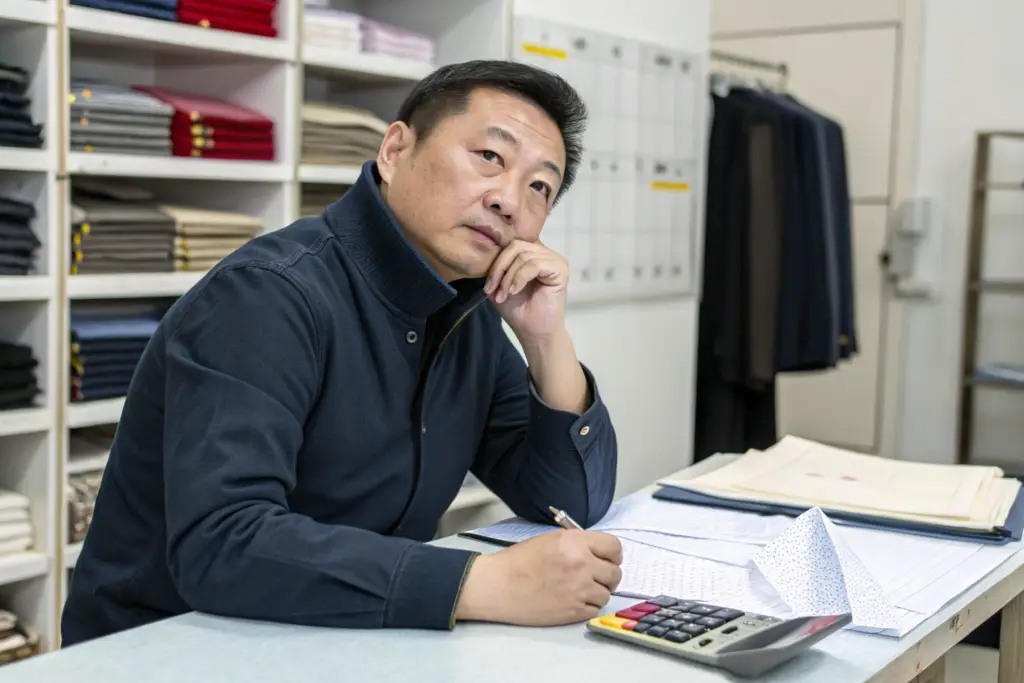
How can I get an accurate price quote?
The most accurate quotes come from complete information. The more details you provide about the design, fabric, and quantities, the more precise our quote will be. A rough estimate based on a vague description can be misleading.
We provide quotes that break down the costs: fabric, trims, cutting, sewing, finishing, and logistics. This transparency helps you understand where your money is going. For a first quote, we can work with the information you have. As the design becomes more refined through sampling, the quote will become more precise. A client in Chicago once asked for a quote based only on a photo. We gave him a range. Once we developed the tech pack and sourced the fabric, the final quote was right in the middle of that range. Transparency at every stage is our policy.
Can you suggest cost-saving alternatives without sacrificing quality?
Yes, this is a core part of our FPP service. We are constantly looking for ways to optimize costs for our clients. This might mean suggesting a slightly different fabric that has the same hand-feel but a lower price. It might mean simplifying an internal construction detail that is not visible to the customer. It might mean sourcing a trim from a different supplier.
We do this collaboratively. We present options and explain the trade-offs. "If we use this fabric instead, you will save $1.50 per unit, but the drape will be slightly less fluid. Here is a swatch for you to compare." We want you to make informed decisions. A client in Los Angeles saved over $8,000 on his first order by taking our suggestion to use a different zipper that was functionally identical but cost less. He used the savings to invest in better packaging. Good partnerships are built on this kind of collaborative cost engineering.
Conclusion
Starting an FPP project might feel daunting, but it is really just a conversation. You bring your ideas, your inspiration, and your goals. We bring our technical expertise, our sourcing network, and our manufacturing capability. Together, we turn your vision into a reality. The information you need to provide is simply the information you already have: what you want to make, who it is for, and what you hope to achieve.
Do not worry about having a perfect tech pack or knowing every fabric specification. We have guided hundreds of clients through this process, from the rawest sketch to the most complex technical design. Your job is to start the conversation. Our job is to handle the rest.
At Shanghai Fumao, we are ready to listen. We are ready to ask the right questions. We are ready to help you bring your next collection to life. The first step is simply reaching out. Please contact our Business Director, Elaine, at elaine@fumaoclothing.com. Tell us about your project. Let us get started together.