
U.S. tariffs on imported apparel can shrink margins, raise retail prices, and complicate production planning. But with smart supplier selection, brands can reduce their exposure and stay competitive—even in a high-tariff world.
Finding the right suppliers—especially those outside high-tariff zones or offering DDP terms—helps apparel brands navigate U.S. tariffs, control costs, and maintain flexibility.
Here’s how to choose sourcing partners who protect your business from tariff risks.
How to mitigate US tariffs?
Tariffs might be unavoidable—but their impact doesn’t have to be. Brands that build proactive sourcing strategies can reduce duty costs significantly.
To mitigate U.S. tariffs, apparel brands can diversify sourcing, choose low-tariff countries, use trade agreements, and partner with suppliers offering DDP (Delivered Duty Paid) options.

What sourcing strategies reduce tariff impact?
- Shift production to countries with lower duties
(e.g., Vietnam, Bangladesh, Honduras) - Use Free Trade Agreements1 like USMCA or CAFTA-DR2
- Work with suppliers that include tariffs in landed costs
- Split sourcing between multiple countries to lower average duty rate
| Strategy | Result |
|---|---|
| Use CAFTA-DR partners | 0% duty if origin rules are met |
| Avoid Section 301 countries | Save up to 25% per shipment |
| Choose DDP shipping | No surprise customs fees |
| Fabric-sourcing from FTA regions | Reduce total garment duty |
At Fumao, we often help clients mix production across countries, depending on styles and target delivery windows.
How does supplier location affect duties?
Some countries have permanent MFN (Most Favored Nation3) status with the U.S. and pay lower rates. Others—like China—are subject to extra duties under Section 301.
Sourcing from tariff-friendly regions isn’t just smart—it’s essential for cost control.
Is there a tariff on clothes from China?
Yes—and it’s more than just a base duty. Over the past few years, China has faced additional U.S. tariffs that impact nearly all clothing categories.
Clothing imported from China is subject to regular duties (10–30%) plus an additional 7.5% to 25% in Section 301 tariffs.

How do these tariffs break down?
Example:
| Product Type | Base U.S. Duty | Section 301 Tariff | Total Tariff |
|---|---|---|---|
| Cotton T-shirt | 16.5% | +7.5% | 24% |
| Synthetic Jacket | 27.7% | +25% | 52.7% |
| Knitwear (poly/cotton) | 14.9% | +7.5% | 22.4% |
These costs hit importers hard—especially if they’re unaware until goods reach customs.
Should brands avoid Chinese suppliers?
Not necessarily. China still leads in consistency, speed, and capacity. But:
- Use Chinese suppliers for design development4, samples, or non-apparel SKUs
- Balance orders with Vietnam, Pakistan, India, or Latin America
- Work with suppliers who quote DDP5 (tariffs included)
The right partner can help you manage risk—not just deliver product.
Do tariffs affect Nike?
Yes—even global giants like Nike aren’t immune. In fact, they’ve had to restructure parts of their supply chain to stay ahead of rising costs.
Tariffs affect Nike by increasing production costs on China-made goods—especially footwear and apparel—forcing the company to adjust sourcing and pricing strategies.

How has Nike responded?
- Shifted production from China to Vietnam, Indonesia, and Cambodia6
- Invested in nearshoring7 (Mexico and Central America) for faster delivery
- Advocated for trade agreements8 that protect U.S. brands
- Reduced exposure to tariff-heavy SKUs through better forecasting
| Nike Strategy | Tariff Mitigation Effect |
|---|---|
| China → Vietnam sourcing | Avoids 25% Section 301 tariffs |
| Central American production | Reduces lead time + duties |
| Retail price adjustments | Offsets increased landed cost |
Nike’s response shows that even large companies must stay flexible—and that supplier choice is key to protecting profit margins.
How much clothing is imported to the US?
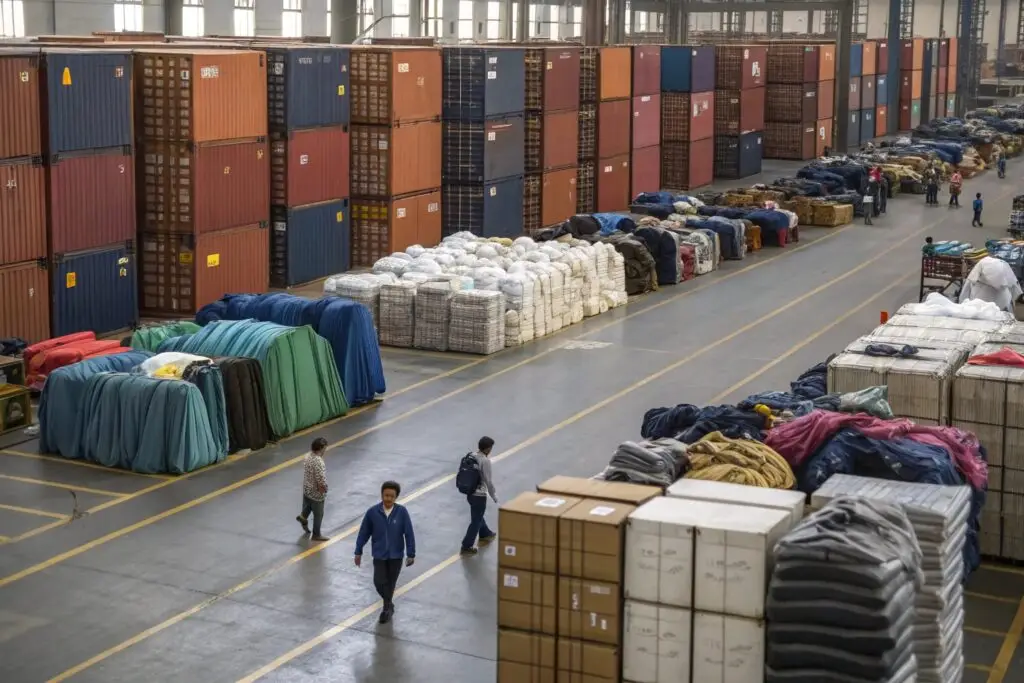
The U.S. imports more apparel than almost any other country in the world. Domestic production accounts for just a fraction of what Americans wear.
Over 97% of clothing sold in the U.S. is imported—mostly from China, Vietnam, Bangladesh, and India.
What are the top clothing import sources?
According to U.S. trade data:
| Country | Share of U.S. Clothing Imports |
|---|---|
| China | ~27% |
| Vietnam | ~18% |
| Bangladesh | ~8% |
| India | ~5% |
| Mexico | ~4% |
This reliance on imports means U.S. brands must understand customs, tariffs, and logistics at every step.
What does this mean for U.S.-based brands?
You must:
- Know the HTS codes9 of your products
- Stay current on tariff changes10 and trade deals
- Work with compliant, responsive suppliers
- Choose factories with tariff strategies in place
At Fumao, we keep clients informed on sourcing trends and help them build resilient, multi-country supply chains11 to handle tariff and logistics risks long-term.
Conclusion
Tariffs are shaping the future of U.S. apparel sourcing—and not always for the better. But by finding the right suppliers, diversifying production, and using smarter import strategies, brands can overcome the pressure. The key is choosing partners who understand global trade and help you stay one step ahead.
-
Exploring this link will provide insights into how Free Trade Agreements can significantly lower tariffs and enhance trade efficiency. ↩
-
This resource will explain CAFTA-DR's role in minimizing tariffs, which is vital for cost-effective sourcing. ↩
-
Understanding MFN status is crucial for businesses to navigate tariff rates effectively and optimize sourcing strategies. ↩
-
Understanding design development can help brands optimize their product creation process and enhance collaboration with suppliers. ↩
-
Learning about DDP can help brands manage their import costs effectively and avoid unexpected tariffs. ↩
-
Exploring this link will provide insights into how companies can optimize production and reduce costs by relocating manufacturing. ↩
-
Understanding nearshoring can reveal strategies for faster delivery and cost efficiency in supply chains, crucial for businesses today. ↩
-
This resource will explain the importance of trade agreements in safeguarding brand interests and enhancing market competitiveness. ↩
-
Understanding HTS codes is crucial for compliance and efficient customs processing. Explore this link to learn more about their significance. ↩
-
Tariff changes can significantly impact costs and supply chain strategies. Discover insights on navigating these changes effectively. ↩
-
Multi-country supply chains can enhance resilience and reduce risks. Learn how to implement them for your brand's success. ↩