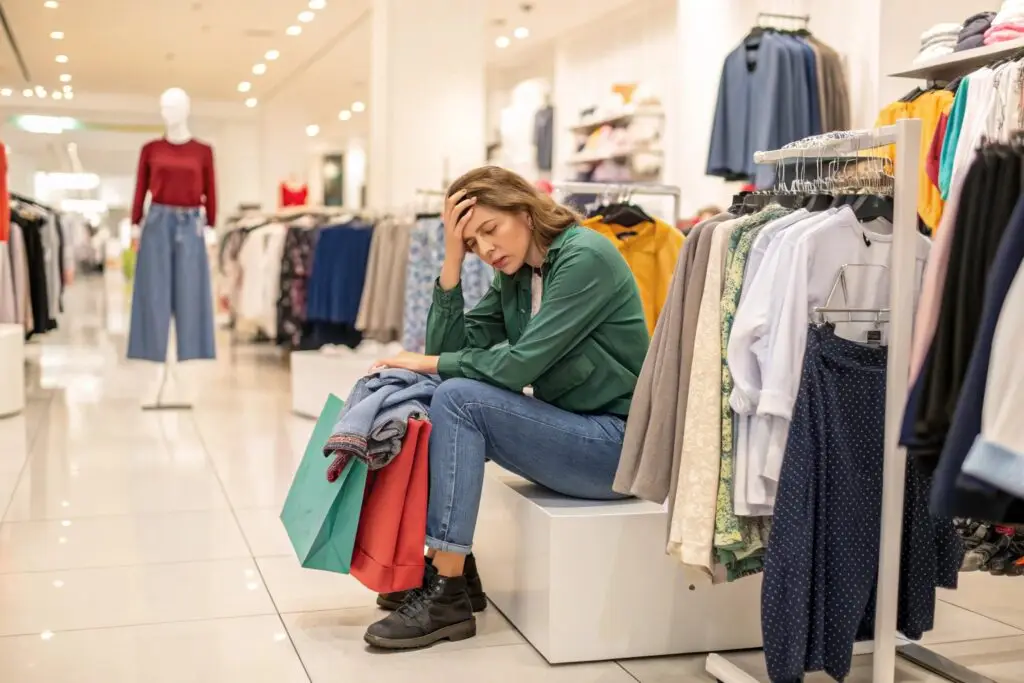
Shopping for clothes should be exciting. But for many people, it feels overwhelming, confusing, and emotionally draining—even in 2025.
To fix the stress of apparel shopping, we need to reduce decision fatigue, improve sizing, promote mindful habits, and create calmer retail experiences both online and offline.
From overchoice to social pressure, modern fashion shopping has become more of a trigger than a treat. Let’s explore how to change that—for good.
How do I stop shopping when stressed?
Retail therapy might give you a dopamine hit—but it rarely solves the deeper issue. And often, it leads to regret.
To stop shopping when stressed, pause before you buy, identify your emotional triggers, set boundaries, and replace the habit with calming or productive alternatives.
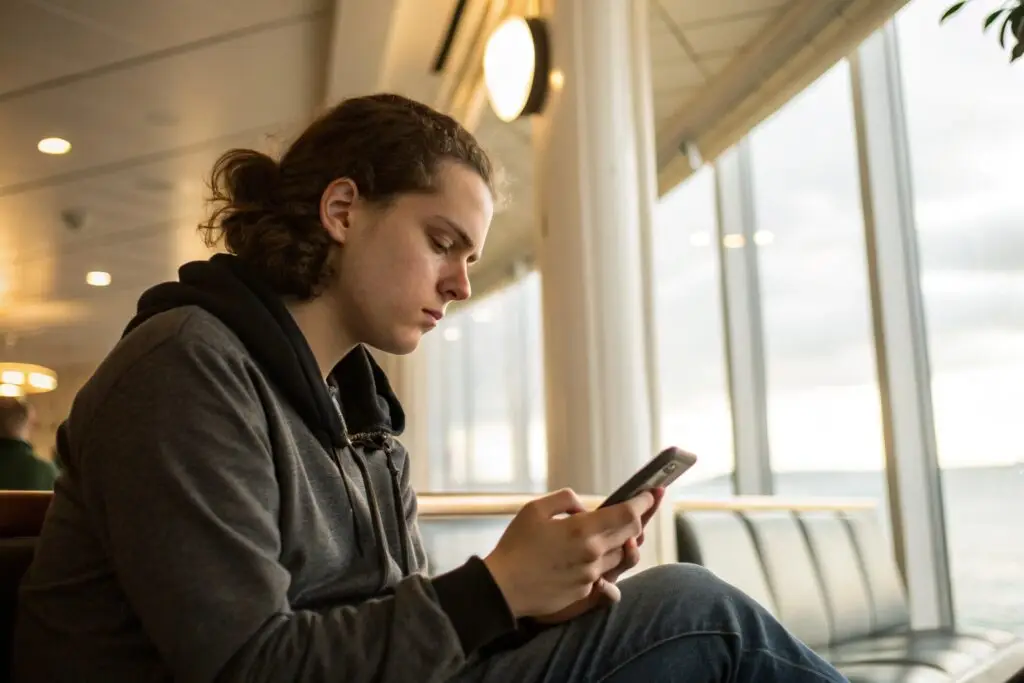
Why do we shop under stress in the first place?
Because it feels like control. When life feels messy, clicking “add to cart” offers a quick win. But that win fades fast—leaving behind more clutter and guilt.
Typical emotional triggers1 include:
- Boredom
- Anxiety
- Loneliness
- Comparison
- Reward-seeking after a tough day
| Trigger | Emotional Response | Shopping Outcome |
|---|---|---|
| Stress at work | Craving distraction | Scroll online stores |
| Feeling down | Seeking a mood lift | Impulse buy something new |
| Boredom | Looking for stimulation | Add items to wishlist |
I’ve had moments where I bought something just to feel “in control.” It never solved the actual stress. Now I pause before every fashion purchase and ask, “Do I feel calm—or rushed?”
What strategies help break the pattern?
- Create a cooling-off rule2: Wait 24 hours before buying
- Track your shopping moods in a note app
- Replace the habit: journal, walk, or clean instead
- Block access to shopping apps during your “trigger time”
Mindfulness matters. You don’t need to quit shopping—you just need to shop for the right reasons.
Why is clothes shopping so stressful?
Clothes are tied to identity, confidence, and how others see us. That’s why shopping for them can feel so heavy.
Clothes shopping is stressful due to sizing issues, comparison culture, too many choices, and the fear of getting it wrong—all under constant social pressure.
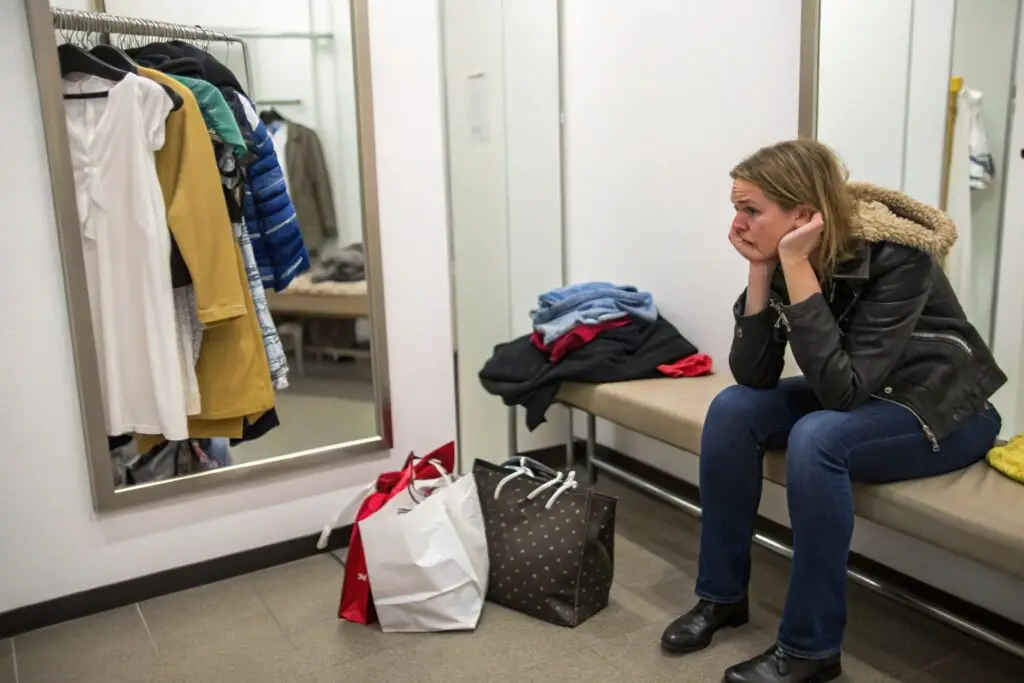
What makes fashion shopping uniquely stressful?
Here’s what many buyers face:
- Fit anxiety3: Will it flatter me? Will it even fit?
- Price confusion4: Is this worth it, or am I overpaying?
- Trend pressure5: Will I look current or outdated?
- Overwhelm: 100 tabs open, nothing feels right
- Fear of judgment: From others—or ourselves
| Stress Point | Emotional Impact |
|---|---|
| Inconsistent sizes | Confusion, body shame |
| Fast fashion cycles | Urgency, regret |
| Social media trends | Insecurity, decision paralysis |
| Return hassles | Delay, frustration |
I once ordered five sizes of the same pants just to “see which fits.” It felt like a science project—not self-care. That’s not how shopping should feel.
How can we reduce the stress?
- Use brand-specific size guides with garment measurements
- Follow slow fashion accounts that promote thoughtful style
- Limit shopping sessions to set times and goals
- Focus on timeless pieces, not trends
Shopping stress isn’t about the clothes—it’s about how we relate to them. Change the relationship, and the pressure fades.
How to control shopping urges?
Impulse buying is common—and fashion brands are built to trigger it. But you can take back control with simple tools and habits.
To control shopping urges, create a shopping budget, track your emotional triggers, set clear wardrobe goals, and unfollow content that pressures you to constantly buy.

What makes shopping urges so hard to resist?
Because they’re designed to be. Brands use:
- Flash sales
- Limited drops
- Influencer FOMO
- Email countdowns
- Push notifications
| Brand Tactic | Psychological Effect |
|---|---|
| “Only 2 left” | Fear of missing out6 |
| “Ends tonight” | Urgency |
| “New arrivals” | Craving for novelty |
| Influencer outfits | Social comparison |
And the more emotional your day, the more likely you’ll act on the urge.
What actually works long-term?
- Unsubscribe from emails and texts that tempt you
- Keep a “want list” and revisit it weekly
- Do a monthly closet review7 to appreciate what you own
- Create a 30-day wishlist rule8 for non-essentials
I keep a note called “Things I want but don’t need.” Often, by the time I come back to it, I don’t even want the item anymore. That pause helps.
What causes stress shopping?
Stress shopping doesn’t come out of nowhere. It’s usually rooted in something deeper—something emotional we’re trying to avoid or soothe.
Stress shopping is caused by emotional discomfort, identity confusion, boredom, or environmental triggers like advertising and digital overexposure.
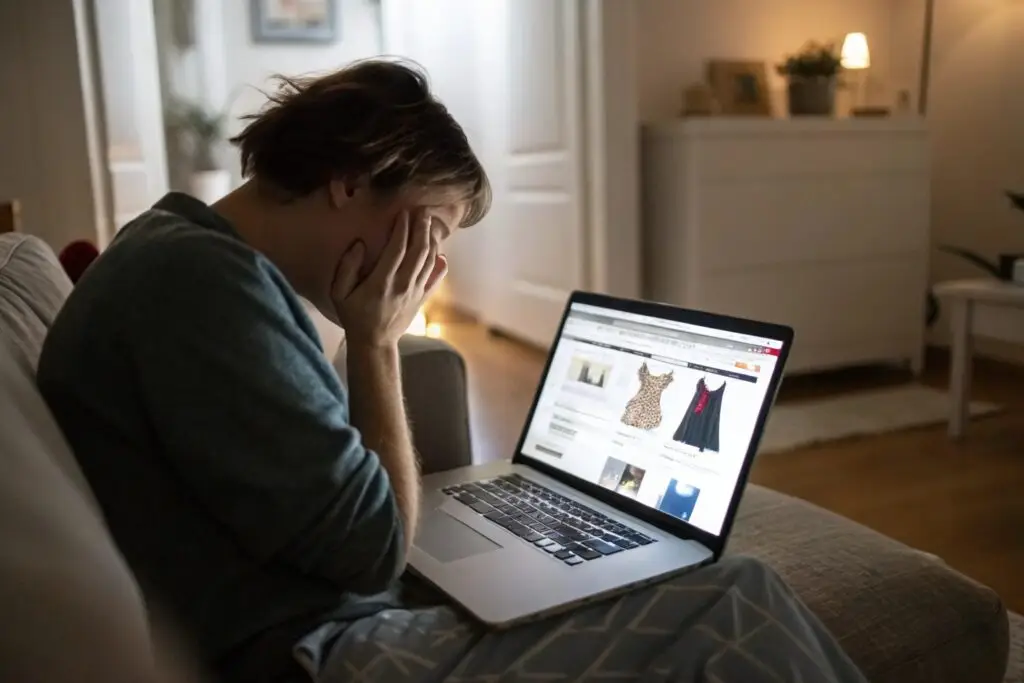
- Low self-esteem9: Shopping to feel worthy or attractive
- Perfectionism: Believing the “right outfit” will fix everything
- FOMO10: Seeing others buy and fearing being left out
- Avoidance: Using fashion to distract from tough emotions
| Root Cause | Shopping Behavior |
|---|---|
| Anxiety11 | Late-night impulse buys |
| Boredom | Endless scrolling |
| Identity crisis | Constant style shifts |
| Loneliness | Buying for imagined events |
The worst part? These habits are often reinforced with praise. “Love your outfit!” or “Where’d you get that?”—even if the item doesn’t feel like you.
How can you rewrite the habit?
- Ask yourself: “What am I avoiding right now?”
- Replace shopping with a reward that restores energy (like journaling or music)
- Set style intentions: Know what look and values you’re aiming for
- Start a shopping journal to reflect after every purchase
You don’t need to quit fashion—you just need to be more connected to your why. That shift brings peace back to the process.
Conclusion
Apparel shopping becomes stressful when it's driven by emotion instead of intention. With the right habits, tools, and mindset, we can transform it from a pressure-filled task into a more grounded, fulfilling part of everyday life.
-
Understanding emotional triggers can help you recognize patterns in your shopping habits and make more mindful choices. ↩
-
Learning about the cooling-off rule can provide you with effective strategies to control impulsive shopping and make better decisions. ↩
-
Understanding how to manage fit anxiety can transform your shopping experience, making it more enjoyable and less stressful. ↩
-
Learning to assess value in fashion can help you make informed purchases and avoid buyer's remorse. ↩
-
Exploring ways to resist trend pressure can empower you to shop more mindfully and confidently. ↩
-
Understanding FOMO can help you recognize its influence on your shopping habits and make more informed decisions. ↩
-
A monthly closet review can help you appreciate your belongings and reduce unnecessary shopping, leading to a more mindful approach. ↩
-
Exploring this rule can provide you with effective strategies to curb impulsive purchases and save money. ↩
-
Understanding the link between low self-esteem and shopping can help you make healthier choices and improve your self-worth. ↩
-
Exploring the impact of FOMO on shopping can provide insights into consumer behavior and help you manage your own shopping impulses. ↩
-
Learning about the connection between anxiety and shopping can empower you to address underlying issues and make more mindful purchases. ↩