We’ve all tried those digital fitting tools, hoping for a better shopping experience. But often, we still end up with clothes that don’t fit. Something’s missing.
Virtual try-on tools offer convenience and visualization, but they still fall short in delivering accurate fit, feel, and real-life feedback—especially for complex garments or diverse body types.
The future of fitting isn’t just digital—it’s emotional, tactile, and personalized. If brands ignore that, they risk more returns and lower loyalty.
What are the problems with virtual try-on?
Virtual try-ons are designed to solve sizing confusion, but in practice, they often add new layers of uncertainty for the shopper.
Virtual try-ons lack real-world accuracy, ignore fabric behavior, and can mislead customers about how a garment truly fits and feels.
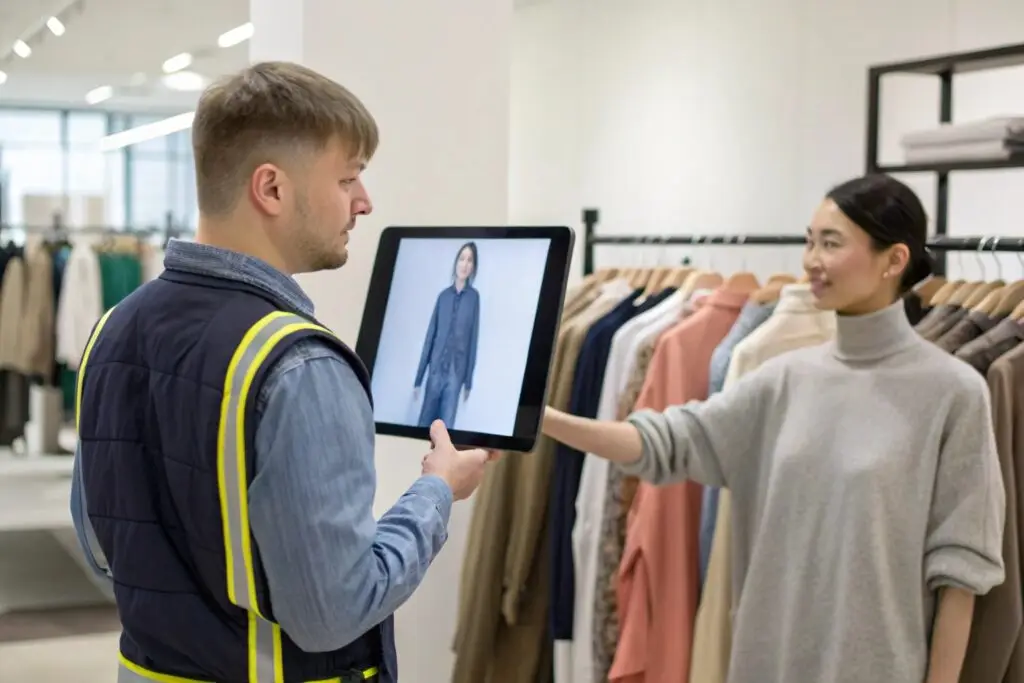
Why does digital preview fail to replace physical fit?
When I tested a jacket using a virtual try-on1, it looked great on screen. But when it arrived, it felt tight around the shoulders and stiff in movement. The tool didn’t consider fabric stretch, lining bulk, or posture differences.
| Problem Area | Virtual Try-On Limitation |
|---|---|
| Fabric Behavior | Can’t simulate drape, stretch, weight |
| Body Variations | Relies on basic models or scans |
| Styling Accuracy | Doesn’t reflect garment layering |
| Movement Feel | No feedback on flexibility or comfort |
Without a true 3D understanding of fabric response and body nuance, the try-on remains just a digital illusion.
How do customers respond to fit mismatch2?
When a buyer receives an item that doesn’t feel like the digital version, trust breaks. Returns go up. I’ve seen clients lose repeat customers over poor virtual fit. One brand we work with added a human stylist check after virtual try-on—and returns dropped by 40%.
What are the disadvantages of virtual fitting rooms?
Virtual fitting rooms sound futuristic—but many shoppers leave feeling more confused than helped. Why?
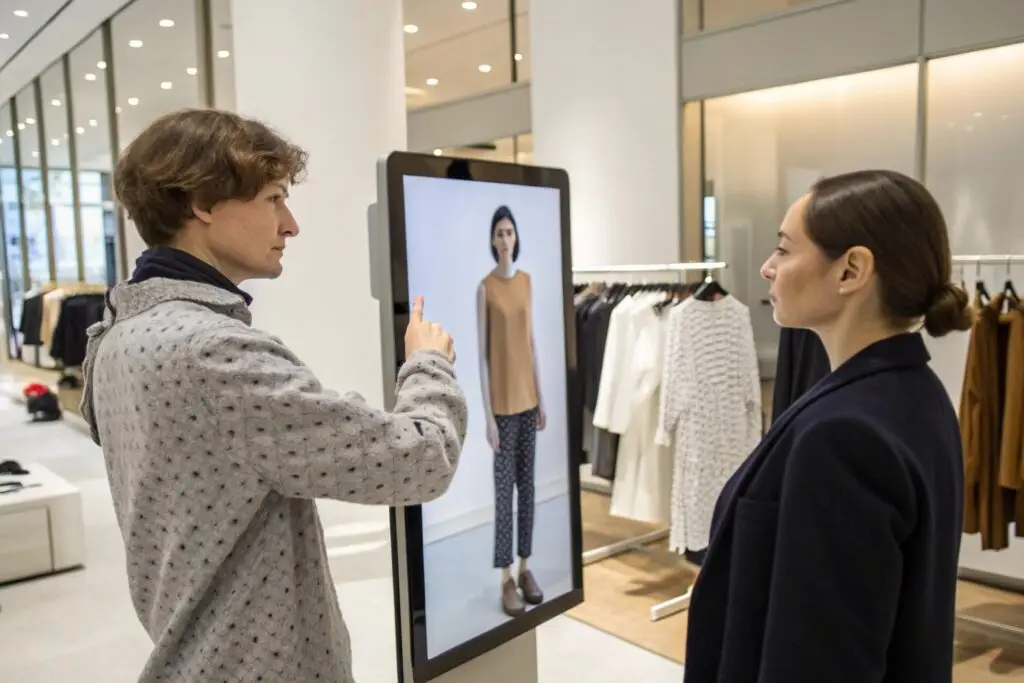
Virtual fitting rooms are limited by poor user interfaces, low device accuracy, and lack of sensory feedback. They can also overpromise and underdeliver.
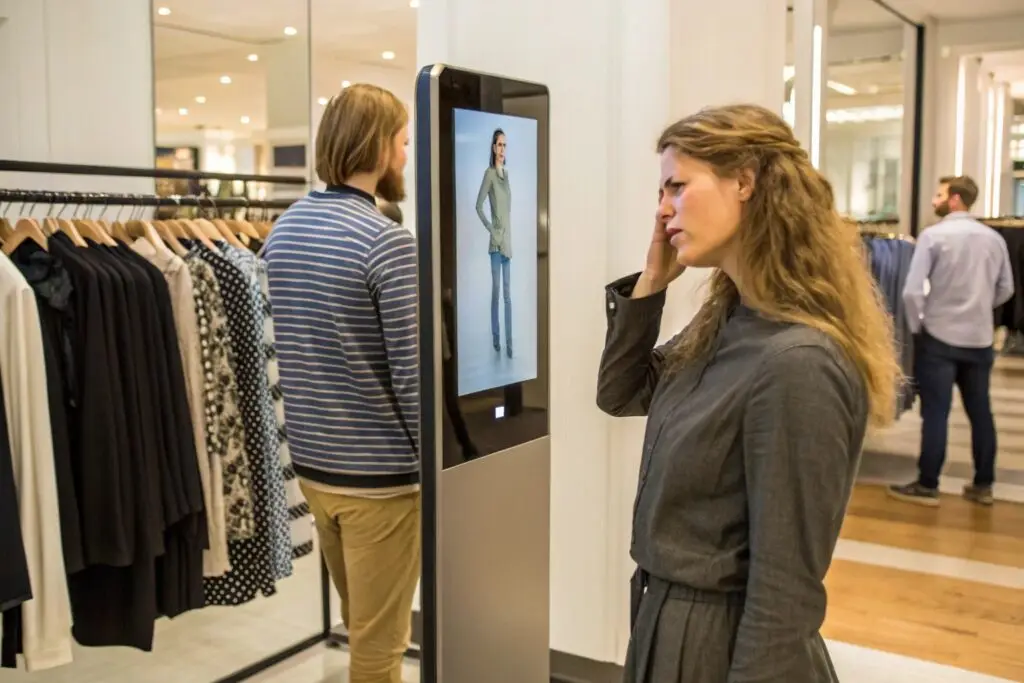
What makes virtual fitting rooms3 frustrating for users?
Many tools require perfect lighting, specific poses, or even full body scans. That’s already a barrier. Then, the displayed garment often looks generic—no texture, no true color, no realistic silhouette.
| Disadvantage | User Frustration Caused |
|---|---|
| Complicated setup | Time-consuming and tech-heavy |
| Lack of fabric realism | Misleading product expectations |
| Inflexible avatars | Don’t reflect real body shapes |
| Tech bugs and crashes | Interrupt the shopping flow |
Some users even report feeling more discouraged after seeing themselves in these tools, especially if the avatar doesn’t reflect their self-image.
How do brands risk their reputation with bad virtual tools?
If your tech feels broken, outdated, or fake—it damages brand trust4. One bad try-on session can lead a customer to abandon your site entirely. At Fumao, we advise brands to pair virtual tools with clear size charts, real model photos, and live chat to support questions.
Is virtual try-on successful?
Some brands say virtual try-ons boost engagement. But does that translate into better shopping outcomes? Not always.
Virtual try-on tools have mixed success—they increase interaction and novelty, but don’t consistently reduce returns or increase fit satisfaction.
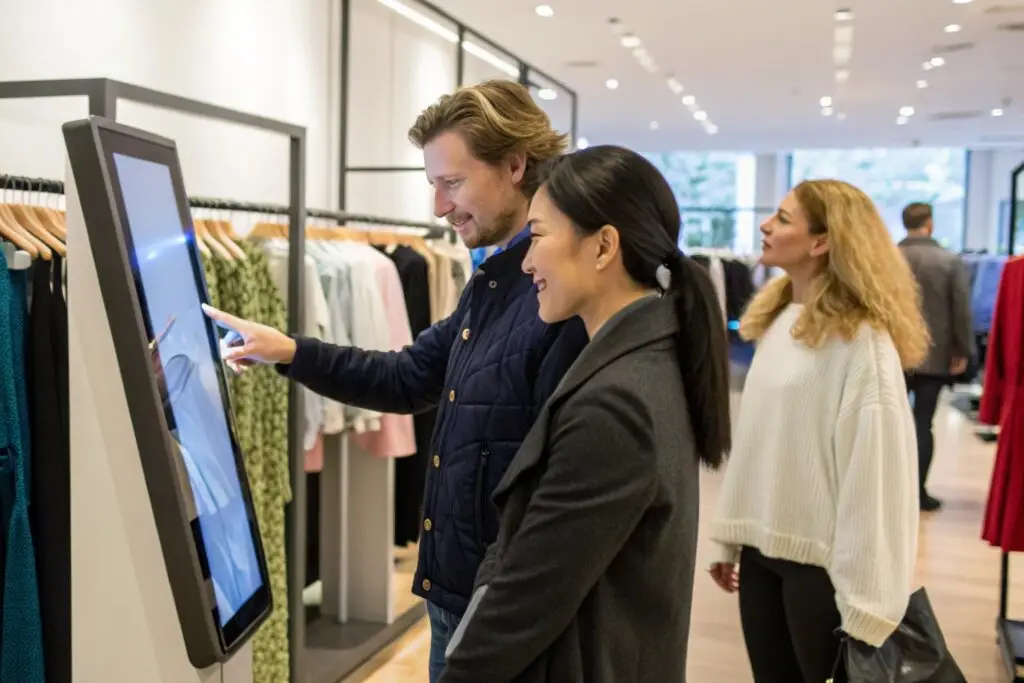
When do virtual try-ons actually help?
They work well for accessories—glasses, hats, earrings—where fit matters less and style is visual. They also help in initial browsing stages, offering fun ways to explore outfits. But for pants, dresses, or tailored pieces? The gaps show fast.
| Category | Virtual Try-On Effectiveness |
|---|---|
| Eyewear | High |
| Footwear | Medium (depends on foot scan tech) |
| Dresses & Pants | Low |
| Outerwear | Low |
At Fumao, we tested with a client selling stretch pants. Customers loved the try-on—but returns increased because the tool didn’t show waist tension or inseam fit.
What metrics show real success in virtual try-ons?
Don’t just track clicks or time-on-page. Look at post-try-on purchases5, return rates, and customer feedback6. One client added a post-try-on quiz asking, “Did this help?” The results: only 28% said yes. Virtual tools must be built with shopper input—not just tech ambition.
Is virtual try-on worth it?
The promise of virtual try-on is strong—but the execution often falls short of expectations, especially when not paired with real-world support.
Virtual try-on is worth it as a supplementary tool, not a standalone solution. It adds convenience but cannot replace human insight or physical testing.
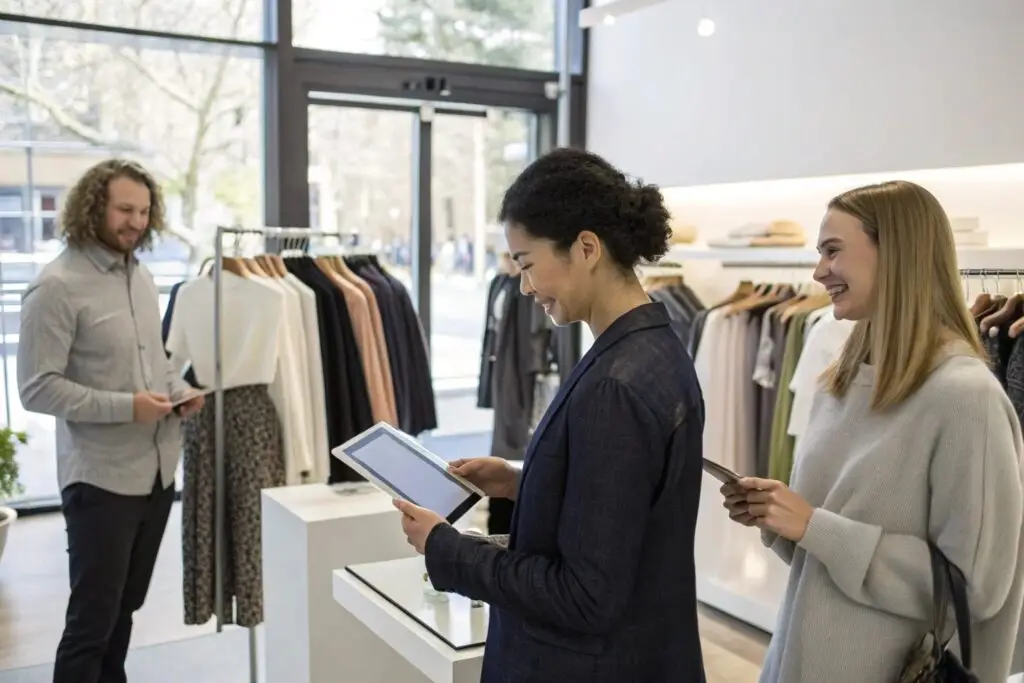
How can brands get the most value from virtual try-on?
Use it as part of a layered experience. Combine it with user reviews, real model photos, video try-ons, and personalized size recommendations. It’s the full picture—not one tool—that guides better decisions.
| Support Layer | Role in Better Fit Experience |
|---|---|
| Real customer photos | Show garments on varied bodies |
| Measurement quiz | Suggests correct size |
| AI size matching7 | Uses past purchases for fit estimates |
| Manual customer service | Answers unique questions |
At Fumao, we work with clients to integrate virtual try-ons into broader fit journeys. The best results come when digital is backed by human care.
What’s the cost of relying too much on virtual tools?
Higher returns. Confused shoppers. Damaged loyalty. Brands that think virtual tools are the full solution often neglect deeper fit strategies. True satisfaction comes from understanding how garments feel—not just how they look on a screen.
Conclusion
Virtual try-on tools offer novelty and help, but they aren’t enough on their own. A great fit experience comes from combining tech, touch, and trust—every step of the way.
-
Understanding the limitations of virtual try-on can help you make informed decisions about online shopping and fit expectations. ↩
-
Exploring customer reactions to fit mismatch can provide insights into improving online shopping experiences and reducing returns. ↩
-
Explore this link to understand the common issues users face with virtual fitting rooms and how they impact the shopping experience. ↩
-
Discover how technology influences brand trust and customer loyalty in e-commerce, essential for any online retailer. ↩
-
Learn effective metrics for evaluating the success of virtual try-ons and improving customer engagement. ↩
-
Discover the significance of customer feedback in refining virtual try-on technologies for better user experience. ↩
-
Learn about AI size matching and its role in reducing returns and improving fit for online shoppers. ↩