You have a great design concept and a potential factory. You ask for a sample to "test their quality." They agree but request payment before they begin. Frustration sets in—why should you pay before you've even seen their work or had a formal project meeting? This moment is a critical filter in the manufacturing world. Paying for samples before a formal kick-off isn't a barrier; it's the foundational investment that separates serious partners from speculative shoppers. It funds the essential R&D that turns your idea into a manufacturable reality.
Paying for samples before a production kick-off meeting is standard practice because the sample development process is a specialized, resource-intensive service that occurs before bulk production planning can even begin. It compensates the factory for the skilled labor, material costs, and technical expertise required to translate your concept into a physical prototype—the very prototype needed to have a meaningful, data-driven kick-off meeting about production. In essence, you are not buying a product; you are commissioning a professional development service.
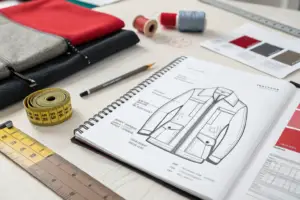
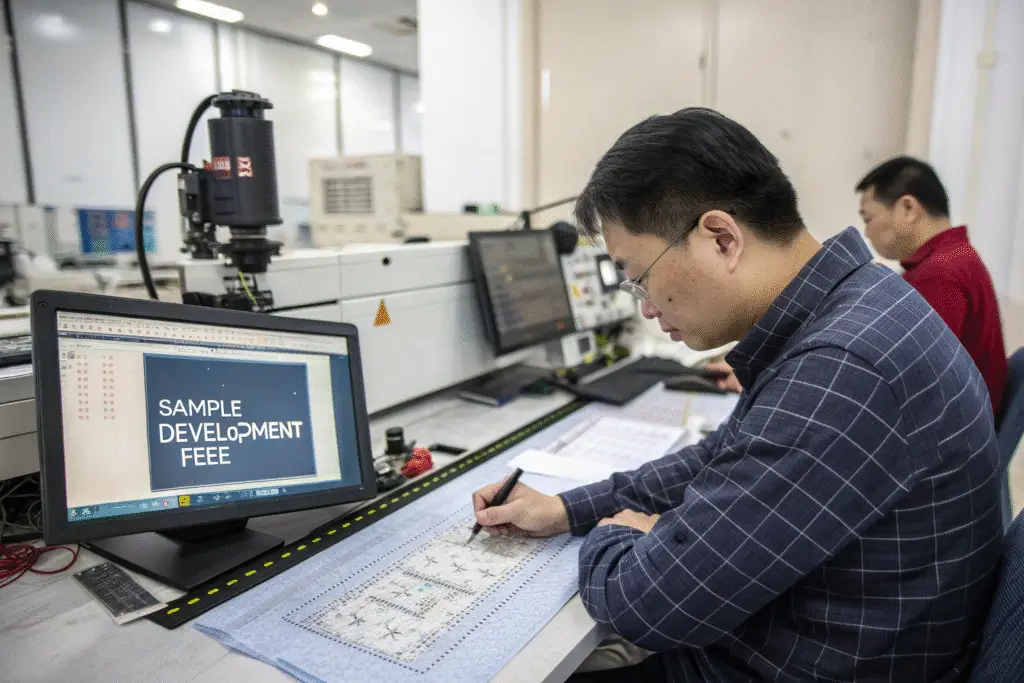
At Shanghai Fumao, a brand sent us a complex tech pack for a technical jacket with a request for a "free sample to evaluate." We explained that creating that sample would require 12 hours of a senior pattern maker's time, 6 hours of a sample sewer's time, and specialized materials costing over $200. We offered a paid development path. They declined and found a factory that made a free sample using simplified construction and wrong materials. At their production kick-off, they realized the sample was useless as a benchmark. They wasted three months and came back to us, paid the development fee, and started correctly. The "free" sample cost them a season. Let's examine why paying upfront is both logical and protective.
What Is The True Cost and Value of a Development Sample?
A common misconception is that a sample is a "mini version" of bulk production. It is not. It is a prototyping and problem-solving exercise that requires the factory's most expensive resources working at their least efficient pace.
Understanding this cost structure shifts the perspective from an expense to an investment.
The Hidden Resource Investment in One Sample:
- High-Skilled Labor (The Biggest Cost):
- Pattern Maker (8-16 hours): Interpreting your tech pack, creating a base pattern, solving construction puzzles, and grading. This is expert engineering.
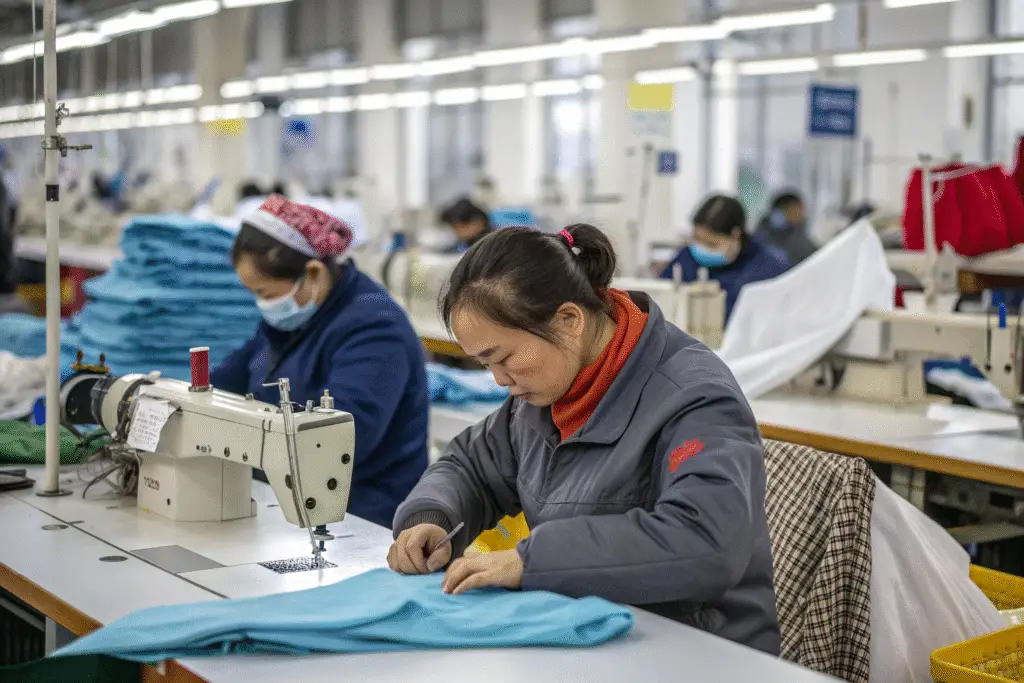
- Sample Sewer (4-8 hours): A highly skilled operator constructing a one-off garment, making micro-adjustments on the fly, and documenting the process.
- Product Developer/Manager (3-5 hours): Coordinating material sourcing, communication, and revisions.
- Material Sourcing and Cost: Even for one sample, specific fabrics and trims must be sourced. Buying 0.5 meters of a fabric often costs a premium.
- Opportunity Cost: The sample room is a bottleneck. Time spent on an unpaid, speculative project is time not spent on committed clients.
The Sample as a Deliverable of Intellectual Value:
When you pay for a sample, you are not just buying a physical garment. You are buying:
- A Tested Pattern: The digital or physical pattern file, corrected for fit and construction.
- A Construction Roadmap: The documented sequence of operations (how to assemble it).
- A Material Validation: Proof that the chosen fabrics and trims work together.
- A Tangible Quality Benchmark: The physical standard for all future bulk goods.
This intellectual property is what makes the subsequent production kick-off meeting valuable. You are meeting to discuss a concrete item, not a sketch.
Table: Free Sample vs. Paid Development Sample
| Aspect | "Free" Sample (Typical) | Paid Development Sample (Professional) |
|---|---|---|
| Pattern | Often an existing, similar pattern adapted quickly. | Custom-made from your tech pack, with fit corrections. |
| Materials | Whatever is in stock or cheapest; may not match your spec. | Sourced to match your specified fabric/trim quality as closely as possible. |
| Construction | Simplified to save time and cost. May hide complexity. | Follows your specified seam types and details; reveals construction challenges. |
| Primary Goal | Win your business by showing "something." | Create an accurate prototype to validate design and cost. |
| Value to You | Low. Misleading for production planning. | High. Essential for accurate costing and kick-off discussion. |
Why Is The Sample a Prerequisite for a Meaningful Kick-off Meeting?
Imagine holding a construction kick-off meeting without blueprints. That's what a production kick-off without an approved sample is like. The sample is the blueprint. It transforms abstract discussion into concrete decision-making.
A kick-off without a sample is just a introductory chat. A kick-off with a sample is a working session.
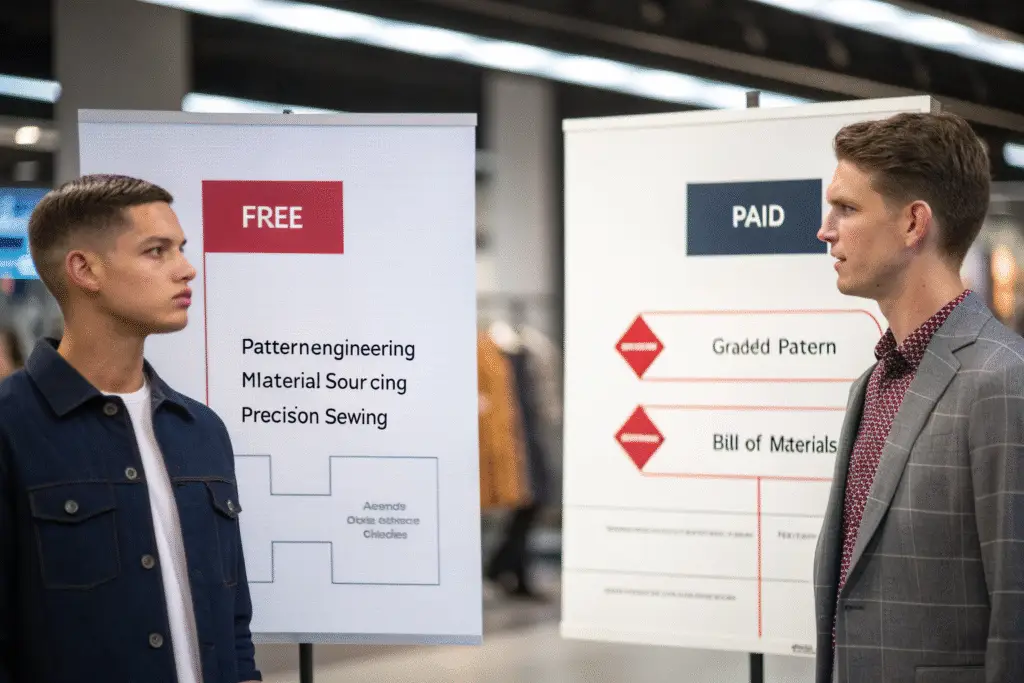
What Can You Actually Discuss in a Kick-off Without a Sample?
- Vague timelines.
- Theoretical costs.
- General capabilities.
- You cannot make binding decisions.
What Does a Sample-Enabled Kick-off Meeting Achieve?
With an approved Pre-Production Sample (PPS) in hand, the kick-off becomes a powerful, actionable working session:
- Finalize the "Golden Standard": The PPS is sealed as the physical contract for bulk quality. The kick-off confirms this.
- Precise Costing and MOQ Confirmation: The factory has made the garment and knows the exact fabric consumption, trim counts, and labor time. They can now give you a firm, accurate bulk price and minimum order quantity (MOQ) based on real data, not estimates.
- Production Planning Based on Reality: The factory knows the construction sequence and can create a realistic production schedule. You can align your marketing and sales timelines.
- Logistics and Compliance Planning: The sample can be used for final compliance testing (e.g., flammability, CPSIA). You can discuss DDP shipping details knowing the exact packed volume and weight.
- Risk Identification and Mitigation: Any complexity spotted during sampling (e.g., a difficult seam) can be discussed, and solutions can be planned into the bulk schedule.
In short, the sample enables the kick-off to be the meeting where production is greenlit, not just discussed. At Shanghai Fumao, our production kick-off meetings are structured around the approved sample. We review it piece by piece, align on every detail, and only then sign the production order. This ensures zero ambiguity.
How Does Paying for Samples De-risk Your Entire Project?
The sample fee is your first and most cost-effective form of risk management. It filters out unprofessional suppliers and forces a commitment that aligns both parties toward a successful outcome.
It is a small investment to prevent catastrophic losses later.
How a "Free Sample" Factory Poses Higher Risk:
A factory willing to invest significant resources without payment may be:
- Desperate for Business: Possibly indicating quality or financial issues.
- Planning to Recover Costs Later: They will likely inflate the bulk price or use cheaper materials to recoup the "free" sample investment.
- Using a Bait-and-Switch Tactic: The free sample is made with premium materials, but bulk production uses inferior substitutes.
How a Paid Sample Process Protects You:
- Vets Supplier Professionalism: A factory with a clear, paid sample policy is typically process-oriented and financially stable.
- Ensures Alignment of Effort: Your payment ensures they are invested in creating a correct sample, not just a quick showpiece.
- Creates a Clear Intellectual Property (IP) Pathway: A paid development agreement typically states that the patterns and designs created are your IP. A free sample often has ambiguous IP ownership.
- Prevents "Scope Creep" in Sampling: With a paid scope, the factory is obligated to deliver a defined output (e.g., one proto, one fit sample). For a free sample, they may cut corners or push back on requested revisions.
- Filters Your Own Commitment: Paying a sample fee makes you critically evaluate the supplier and the project. It prevents you from casually sending tech packs to ten factories, which wastes everyone's time.
The sample fee is a mutual demonstration of seriousness. It says, "We are both investing in making this work."
What Are The Standard and Fair Sample Payment Models?
Professional factories don't just say "pay us." They have structured, transparent models for sample payment. Understanding these helps you evaluate what's fair and choose the right approach for your project.
These models are designed to be fair and to align future incentives.
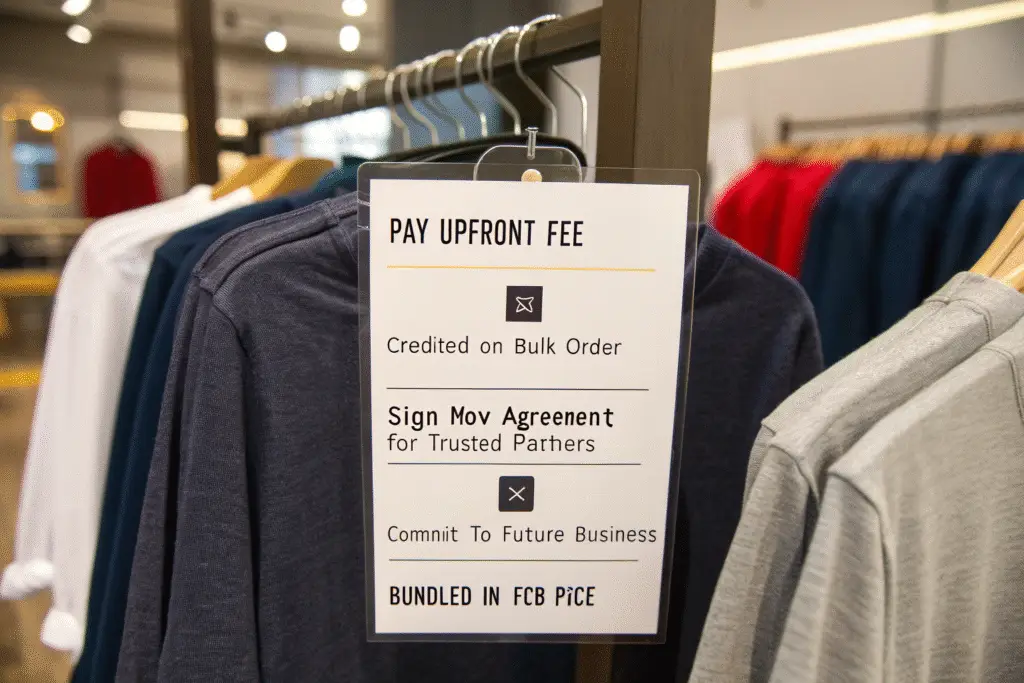
Model 1: Upfront Development Fee (Most Common & Recommended)
- How it Works: You pay a fixed fee before work begins (e.g., $300-$800 per style). This covers the creation of prototype and fit samples. This fee is often credited 100% against your first bulk production order.
- Rationale: Covers the factory's hard costs. The credit incentive ensures you have a strong reason to place the bulk order with them.
- Best For: New relationships, testing a factory's capability, or complex styles. This is our primary model at Shanghai Fumao for new clients.
Model 2: Minimum Order Value (MOV) Commitment
- How it Works: The factory waives the sample fee, but you sign an agreement committing to a bulk order of a minimum value (e.g., $10,000) if the sample is approved.
- Rationale: The factory finances the sample development on the gamble of your future business. It's a show of faith in your commitment.
- Best For: Established brands with clear forecasts or very large potential projects.
Model 3: Bundled Cost (Sample Cost Included in FOB)
- How it Works: The sample cost isn't a separate line item but is amortized into the per-piece FOB price of your bulk order.
- Rationale: Simplifies accounting. It assumes the project will proceed to bulk.
- Best For: Long-term, trusted partners or very simple, repetitive styles.
For most brands, Model 1 is the fairest and most transparent. It limits your upfront risk to the sample fee while giving the factory the security to do proper work. The bulk order credit directly reduces your final cost, making the effective sample cost zero if you proceed.
How To Approach Sample Payment as a Collaborative Investment?
The conversation about sample payment should not be adversarial. Frame it as the first step in a professional partnership. Your attitude and approach can set the tone for the entire relationship.
Be the client a factory wants to invest in.
How to Initiate the Conversation Professionally:
- Be Proactive: "We're ready to move forward with sample development for Style X. Can you please provide a quotation for the development fee and a timeline for the proto and fit samples?"
- Ask for Clarity: "Can you detail what's included in the development fee? Does it cover one round of revisions based on our feedback?"
- Discuss the Credit: "We understand this fee is typically credited against a future bulk order. Can you confirm that policy?"
How to Maximize the Value of Your Sample Investment:
- Provide an Excellent Tech Pack: The clearer your input, the more accurate and faster the sample output. This reduces revision rounds and maximizes the value of your fee.
- Engage Actively During the Process: Provide prompt, specific feedback on sample photos and updates. Quick turnarounds on your end keep the project moving efficiently.
- Use the Sample for Market Testing: A high-quality sample is not just for the factory. Use it for photography, pre-orders, or buyer feedback, directly generating value for your brand.
- Honor the Partnership: If the factory delivers a great sample and a fair bulk quote, place the order with them. Using their sample to shop for a cheaper factory is unethical and will damage your reputation.
Treating sample payment as the legitimate purchase of a professional service builds immediate respect and lays the groundwork for a transparent, productive manufacturing partnership.
Conclusion
Paying for samples before a production kick-off meeting is a fundamental and rational practice in professional apparel manufacturing. It compensates the factory for the intensive, skilled work required to transform your concept into a physical, actionable prototype. This prototype, in turn, becomes the essential tool that enables a meaningful, decision-oriented production kick-off, providing accurate costing, realistic planning, and a definitive quality standard.
Viewing the sample fee as a risky upfront cost is a misconception. In reality, it is your most affordable insurance policy against the far greater risks of misaligned expectations, inaccurate budgets, and failed production runs. It is the investment that turns speculative design into executable business.
If you are seeking a manufacturing partner with a transparent, professional approach to sample development—one that views your fee as an investment in a shared successful outcome—we operate on this principle. At Shanghai Fumao, our sample development process is designed to de-risk your entire project and build a solid foundation for production success. Contact our Business Director Elaine to receive a detailed sample development proposal and start building your product correctly, from the very first stitch: elaine@fumaoclothing.com.