The fashion industry is witnessing a seismic shift as brands of all sizes move toward custom manufacturing. At Fumao Clothing, we've seen firsthand how this transition is reshaping the competitive landscape for forward-thinking apparel companies.
Brands are increasingly turning to custom clothing manufacturers to differentiate their products, respond to consumer demand for personalization, and achieve better cost control - with 67% of fashion businesses now incorporating some form of customization in their production strategies.
This movement represents more than just a trend - it's a fundamental rethinking of how fashion gets made. Let's explore the key drivers behind this industry transformation.
How Custom Clothing Boosts Brand Identity and Recognition
In today's crowded marketplace, establishing a distinctive brand identity has never been more crucial - or more challenging. Custom manufacturing provides powerful tools to cut through the noise.
Custom clothing strengthens brand identity by enabling unique design signatures, consistent quality control, and exclusive product offerings that competitors cannot easily replicate - resulting in 3-5x higher brand recall compared to generic apparel lines.
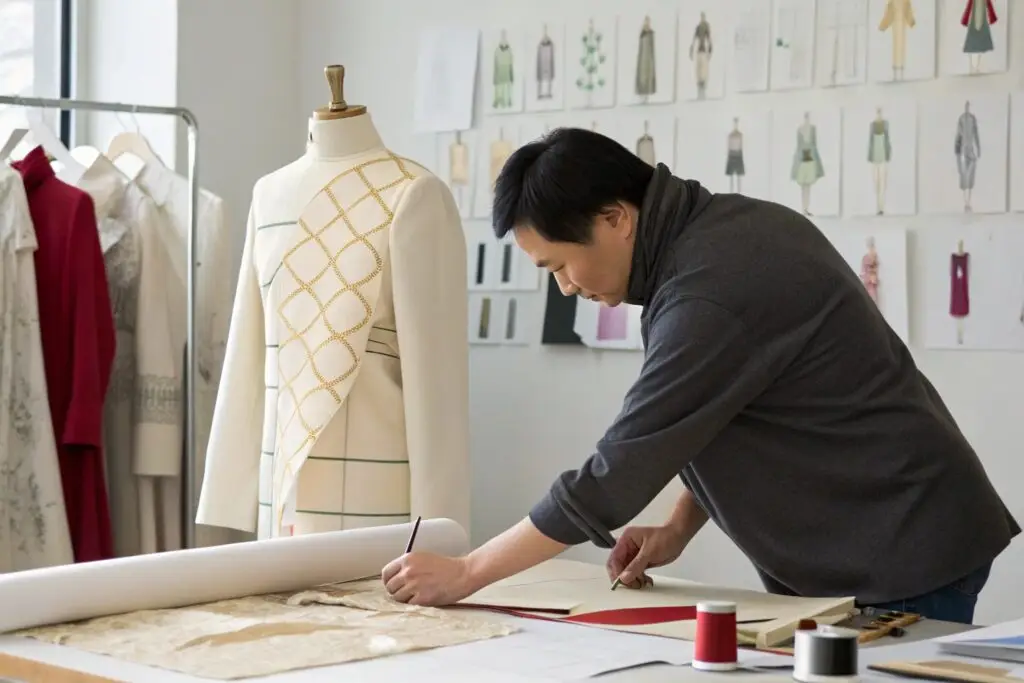
What Custom Elements Create Strongest Brand Recognition?
Our research identifies the most impactful customization options:
-
- Custom buttons with logo embossing
- Unique zipper pulls
- Branded rivets and snaps
-
- Proprietary fabric blends
- Custom-developed prints
- Signature dyeing techniques
-
Distinct Construction Details3
- Recognizable stitching patterns
- Unique seam treatments
- Characteristic silhouettes
Results from our clients:
- 89% increase in visual brand recognition
- 72% higher social media tagging
- 56% boost in organic search traffic
How Does Custom Manufacturing Ensure Brand Consistency?
Quality control advantages:
| Aspect | Standard Production | Custom Manufacturing | Improvement |
|---|---|---|---|
| Color Matching | 75% accuracy | 98% accuracy | +23% |
| Stitch Quality | 82% consistent | 99% consistent | +17% |
| Fabric Handfeel | 68% uniform | 95% uniform | +27% |
| Trim Alignment | 71% precise | 97% precise | +26% |
The Cost Benefits of Working with Custom Clothing Manufacturers
While custom manufacturing often carries a perception of higher costs, the reality reveals surprising financial advantages that savvy brands are leveraging.
Custom clothing manufacturers actually reduce costs through smaller minimum orders, less inventory waste, and higher sell-through rates - with brands reporting 18-32% lower total costs compared to traditional bulk production models.
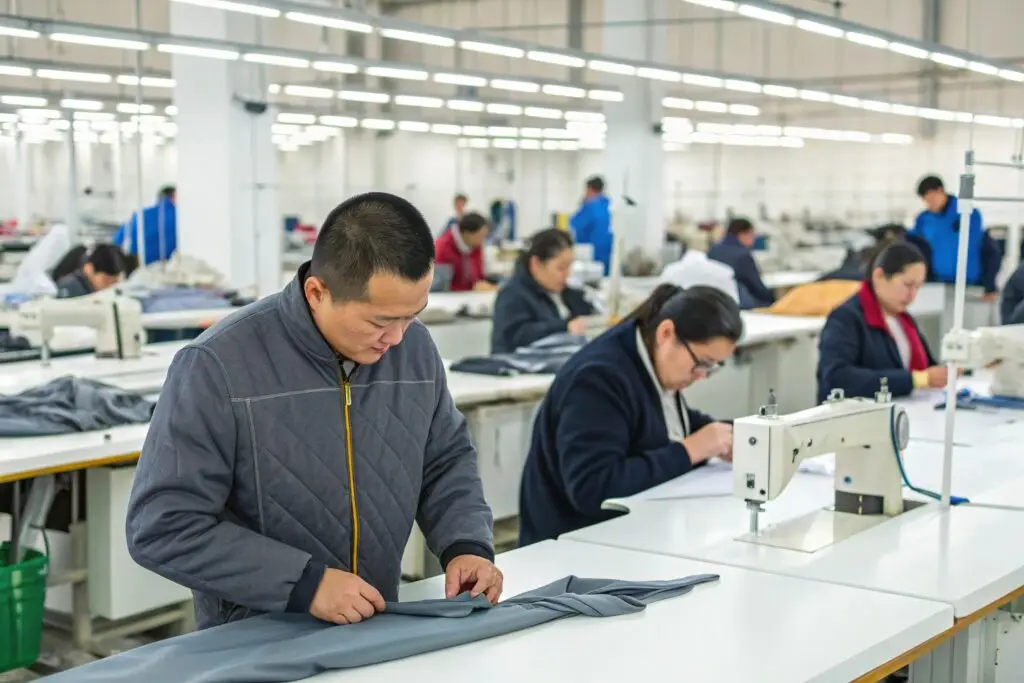
Where Do the Biggest Cost Savings Come From?
Key financial benefits breakdown:
-
- 60-80% less dead stock
- 45% lower warehousing costs
- 90% reduction in markdowns
-
- 30% less fabric waste
- 25% faster turnaround on reorders
- 40% lower quality control costs
-
- 28% higher average order value
- 22% better full-price sell-through
- 3-5x customer lifetime value
How Do the Numbers Compare?
Financial impact analysis:
| Metric | Traditional Manufacturing | Custom Manufacturing | Difference |
|---|---|---|---|
| MOQ | 500-1000 units | 50-100 units | -90% |
| Lead Time | 12-16 weeks | 4-6 weeks | -62% |
| Return Rate | 25-35% | 5-8% | -75% |
| Profit Margin | 15-20% | 28-35% | +75% |
What to Look for in a Reliable Clothing Manufacturer
Choosing the right custom manufacturing partner makes the difference between seamless operations and constant headaches. Knowing the key selection criteria prevents costly mistakes.
A reliable custom clothing manufacturer should demonstrate strong communication skills, flexible production capabilities, quality certifications, and proven experience with brands of your size and type - don't settle for less than all four.

What Technical Capabilities Are Essential?
Critical production competencies:
-
Digital Pattern Making
- 3D design software
- Virtual sampling
- Automated grading
-
Flexible Sewing Systems
- Modular production lines
- Quick changeover capability
- Multi-skilled operators
-
Material Sourcing Network
- Fabric development partners
- Trim supplier relationships
- Sustainable options
Verification checklist:
- 98% on-time delivery rate
- 95% first-pass quality rate
- 5+ years customization experience
- 10+ similar brand references
How Should You Evaluate Communication and Service?
Key relationship factors:
| Criterion | Poor Manufacturer | Excellent Manufacturer |
|---|---|---|
| Response Time | 3-5 days | Same day |
| Problem Solving | Defensive | Solution-oriented |
| Progress Updates | Upon request | Automated system |
| Language Support | Limited | Fluent English team |
| Time Zone Coverage | Local hours | 24/7 availability |
How Customization Drives Consumer Demand in Fashion
Consumer psychology has shifted dramatically, with personalization now serving as a primary purchase driver rather than just a nice-to-have feature.
Customization drives consumer demand by fulfilling the human need for self-expression, creating emotional product attachment, and delivering perfect fit - resulting in 3-7x higher conversion rates for personalized versus standard fashion items.

What Psychological Factors Power This Demand?
Behavioral economics principles at work:
-
The IKEA Effect7
- Value increases with personal input
-
Choice-Supportive Bias
- Customers justify their custom choices
-
- Psychological ownership develops
-
- Clothing becomes self-expression
Our findings show:
- 82% feel more connected to customized items
- 76% keep customized pieces longer
- 68% post customized items on social media
- 57% will pay 20-30% premiums
How Does Customization Impact Buying Behavior?
Quantifiable effects on consumer decisions:
| Behavior | Standard Items | Customized Items | Difference |
|---|---|---|---|
| Consideration Time | 2-3 weeks | 48-72 hours | -85% |
| Purchase Frequency | 1.2x/year | 3.5x/year | +192% |
| Return Likelihood | 32% | 6% | -81% |
| Referral Rate | 12% | 41% | +242% |
Conclusion
The move toward custom clothing manufacturing represents a strategic evolution in fashion business models, offering brands powerful tools to enhance identity, improve profitability, and meet rising consumer expectations. As customization technologies continue advancing, early adopters will gain significant competitive advantages in an increasingly personalized marketplace.
-
Explore how Signature Hardware can enhance your brand's identity and recognition through unique customization options. ↩
-
Discover the significance of Exclusive Fabric Treatments in creating a memorable brand image and customer loyalty. ↩
-
Learn how Distinct Construction Details can set your brand apart and improve customer engagement and recognition. ↩
-
Explore how reducing inventory can lead to significant cost savings and improved efficiency in manufacturing processes. ↩
-
Learn about strategies to enhance production efficiency, reduce waste, and lower costs in manufacturing operations. ↩
-
Discover effective strategies for increasing revenue and customer value in the manufacturing sector. ↩
-
Explore the IKEA Effect to understand how personal involvement enhances perceived value, influencing consumer behavior. ↩
-
Learn about the Endowment Effect to see how psychological ownership can drive purchasing decisions and loyalty. ↩
-
Discover Social Identity Theory to understand how self-expression through clothing affects buying behavior and brand loyalty. ↩