A tiny button comes loose. A drawstring is too long. A seam irritates delicate skin. In adult clothing, these might be minor annoyances. In kids wear, they are critical safety hazards that can lead to recalls, lawsuits, and irreversible brand damage. The world of children's apparel operates under a magnifying glass of heightened responsibility. This isn't just about making smaller versions of adult clothes; it's about engineering for safety, durability, and comfort in a product that will face rigorous wear and rigorous scrutiny.
Kids wear manufacturing demands exceptionally strict quality control and sampling protocols due to stringent global safety regulations, the unique physical vulnerabilities of children, and the intense usage patterns of the garments. This rigorous process is non-negotiable for legal compliance, brand protection, and earning the trust of discerning parents. Cutting corners in sampling or quality is not a business risk; it's an existential threat.
At Shanghai Fumao, we learned this lesson early. Years ago, a client sent us a sample from a competitor—a cute toddler's hoodie. It looked fine. But our product development team immediately flagged it: the decorative ribbon trim failed a pull test catastrophically, and the neck opening was too small to easily pass over a child's head, posing a choking and entrapment risk. That moment cemented our philosophy. We don't just meet standards; we build a culture of safety-first precision. Let's explore why this discipline is paramount.
What Are The Non-Negotiable Safety Regulations Governing Kids Wear?
Kids wear is one of the most heavily regulated consumer product categories globally. These regulations are not suggestions; they are legally enforceable requirements with severe penalties for non-compliance. Manufacturers and brands share equal liability. Ignorance is never a defense in court or with customs authorities.
Understanding these regulations forms the bedrock of any kids wear quality system. They dictate design, material selection, and testing protocols from the very first sketch.
What Are The Key U.S. Regulations Every Manufacturer Must Know?
For the U.S. market, the Consumer Product Safety Commission (CPSC) is the primary authority. Two sets of rules are absolutely fundamental:
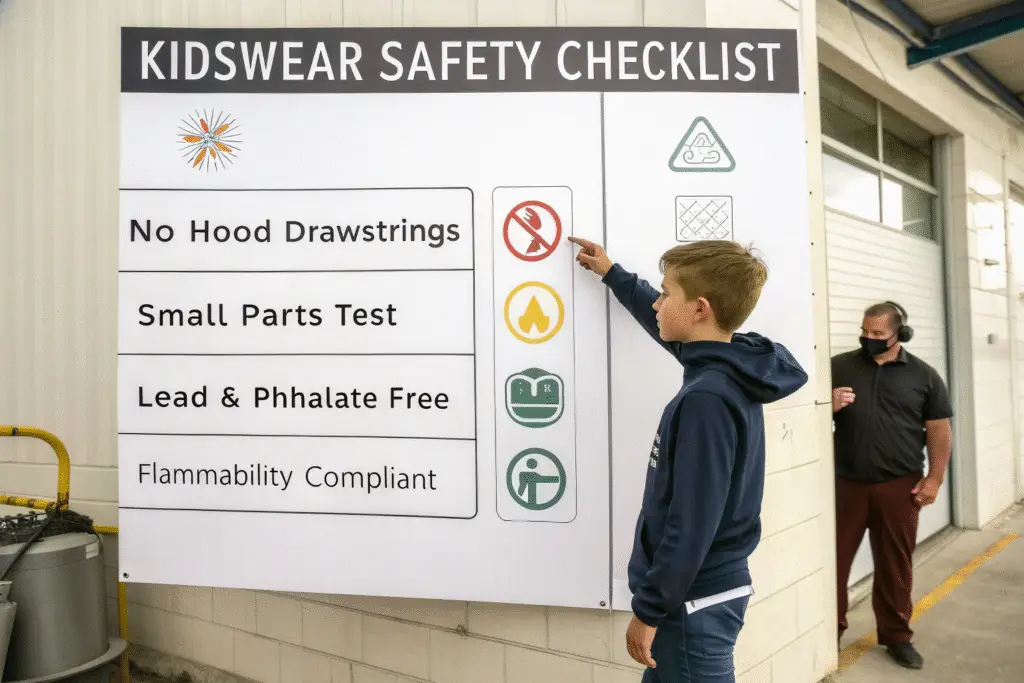
- Children's Product Safety Rules (CPSIA): This act mandates third-party testing by CPSC-accepted laboratories for:
- Lead Content: Surface coatings and substrates.
- Phthalates Content: In plasticized components.
- Flammability: Especially for children's sleepwear, which has its own strict standard (16 CFR Part 1615/1616).
- Small Parts: For children under 3 years, any detachable component must not fit into a designated "small parts cylinder."
- Drawstrings & Cords Regulations: CPSC guidelines strictly regulate drawstrings in the hood and neck area of children's upper outerwear (sizes 2T-12). They are effectively banned due to strangulation hazards. Waist and bottom drawstrings also have strict length limits.
How Do Regulations Impact Design and Sampling?
These rules translate directly into actionable checks during sampling:
- Prototype Stage: A sample must be checked for "small parts" using the official gauge. Buttons, snaps, and appliqués must be securely attached. We perform attachment strength tests on every single trim component in our lab.
- Fabric Stage: Sleepwear fabric must be tested for flammability. All fabrics must be tested for harmful substances. We never proceed to bulk fabric procurement without valid, CPSC-accepted lab test reports for the specific material batch.
- Final Sample Stage: Every detail is audited against the regulatory checklist: are buttonholes trimmed? Are bar tacks secure? Are any loose threads present? This final sample becomes the physical benchmark for bulk production quality.
Why Is The Sampling Process More Critical For Kids Wear?
Sampling is your opportunity to fail safely. For kids wear, this phase is expanded and intensified because you are not just perfecting fit and look; you are stress-testing for safety and durability under simulated real-world conditions. Each sample round has a distinct, non-negotiable purpose.
A rushed or incomplete sampling process guarantees problems in bulk production. It is the most cost-effective stage to identify and resolve issues.
What Are The Essential Stages of Kids Wear Sampling?
A robust sampling protocol includes multiple, distinct stages:
- Proto Sample (Development Sample): This first sample is made with similar materials. Its purpose is to check the basic silhouette, proportions, and initial safety assessments. We ask: Does the neck opening fit safely? Is the crotch length appropriate for diapers? Are there any obvious pinch points or rough seams?
- Fit Sample: Made with the actual or closest main fabric. This stage focuses on grading (sizing across the size run). A common mistake is only sampling one size. We always recommend fit samples in the smallest, middle, and largest size to ensure the pattern scales correctly and safely.
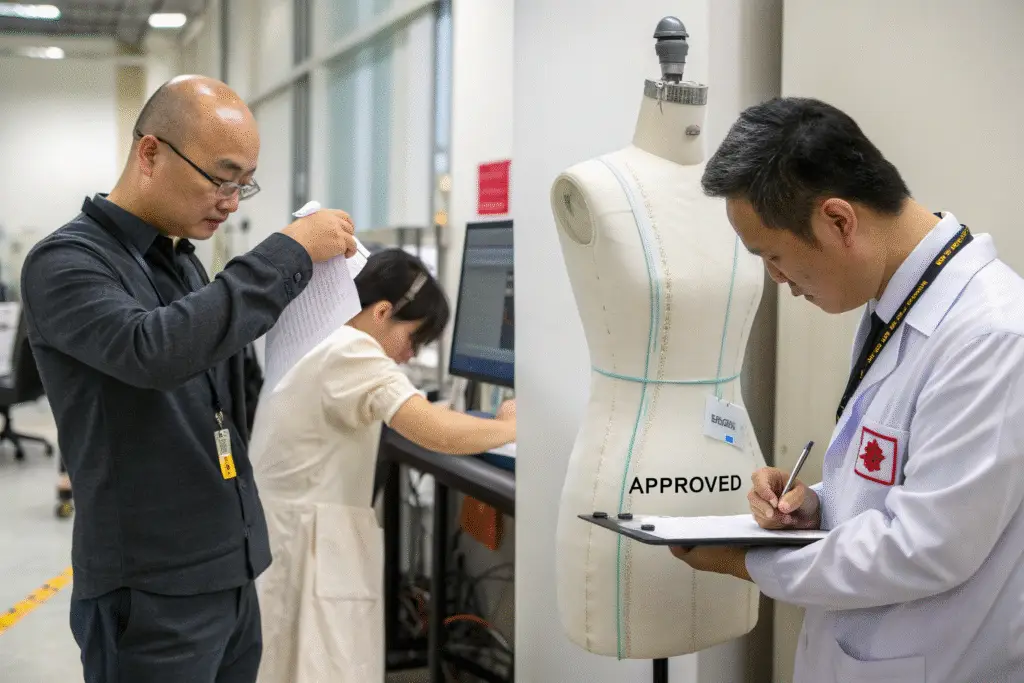
- Salesman Sample (Pre-Production Sample): This sample is made with all correct bulk materials—fabric, trims, labels, and packaging. It is the gold standard that you approve. This sample is used for final safety testing at a third-party lab. Once approved, it is sealed and kept as the official reference for bulk production quality. Any deviation in bulk from this sample is a reject.
How Do You Test Samples For Durability and Safety?
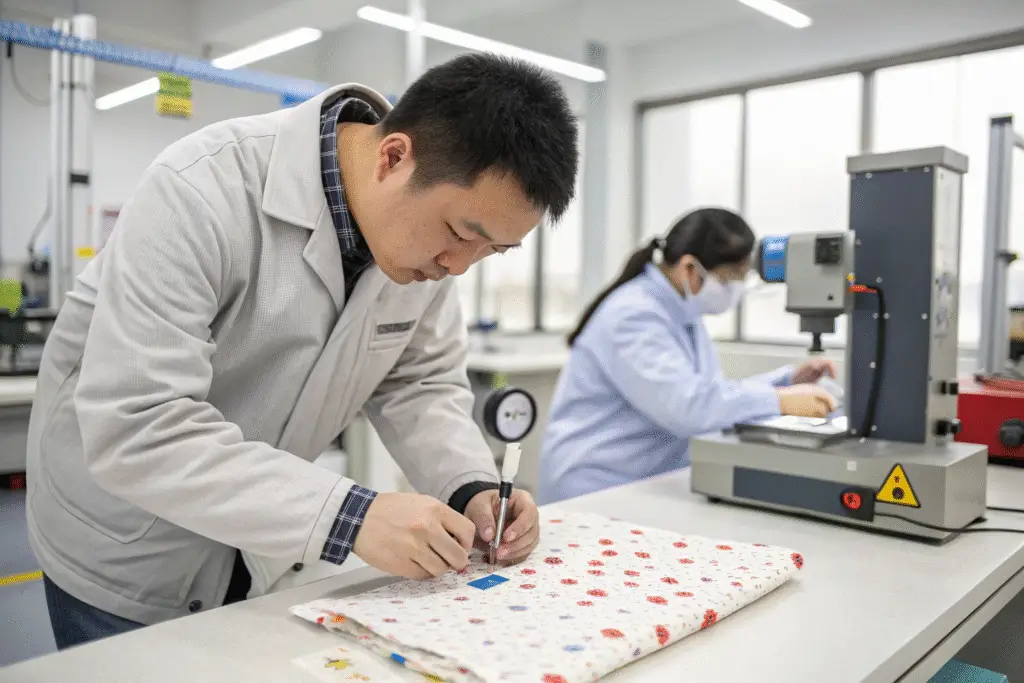
Approving a sample isn't just about looking at it. It must be destructively tested. Our in-house quality lab performs these tests before any sample is sent to a client:
- Seam Strength Tests: Using a tensile strength machine to ensure seams won't burst during play.
- Colorfastness Tests: Rubbing, washing, and perspiration tests to ensure colors and prints don't run or transfer, which is crucial given children's tendency to put clothing in their mouths.
- Wash & Wear Simulation: Garments are washed and dried multiple times (per AATCC standards) to check for shrinkage, distortion, and trim durability.
Last year, our wash test on a batch of kids' jeans revealed that the decorative embroidery thread was not colorfast. It bled onto the denim after three washes. We caught it at the salesman sample stage, changed the thread supplier, and avoided a potential mass consumer complaint.
What Does "Strict Quality Control" Actually Mean on The Production Line?
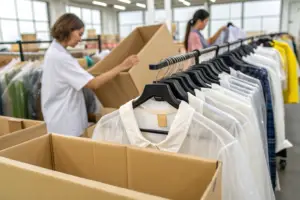
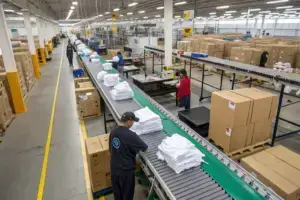
Quality control in kids wear is not a single inspection at the end. It is a series of checkpoints woven into every step of production. This "in-process" approach is the only way to catch defects when they are cheap and easy to fix, rather than discovering them in 10,000 finished garments.
The goal is prevention, not detection. This requires trained specialists stationed at critical points in the workflow.
Where Are The Critical In-Line QC Checkpoints?
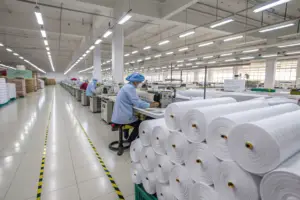
- Fabric & Trim Incoming Inspection: Before cutting, every roll of fabric and every batch of buttons, zippers, and labels is inspected and tested. We rejected a shipment of snaps last quarter because the plating was inconsistent, posing a potential nickel exposure risk.
- Cutting Room Check: After fabric is laid and cut, pieces are spot-checked for alignment with the pattern and for any fabric flaws that may have been missed.
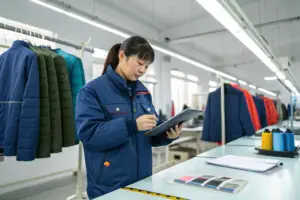
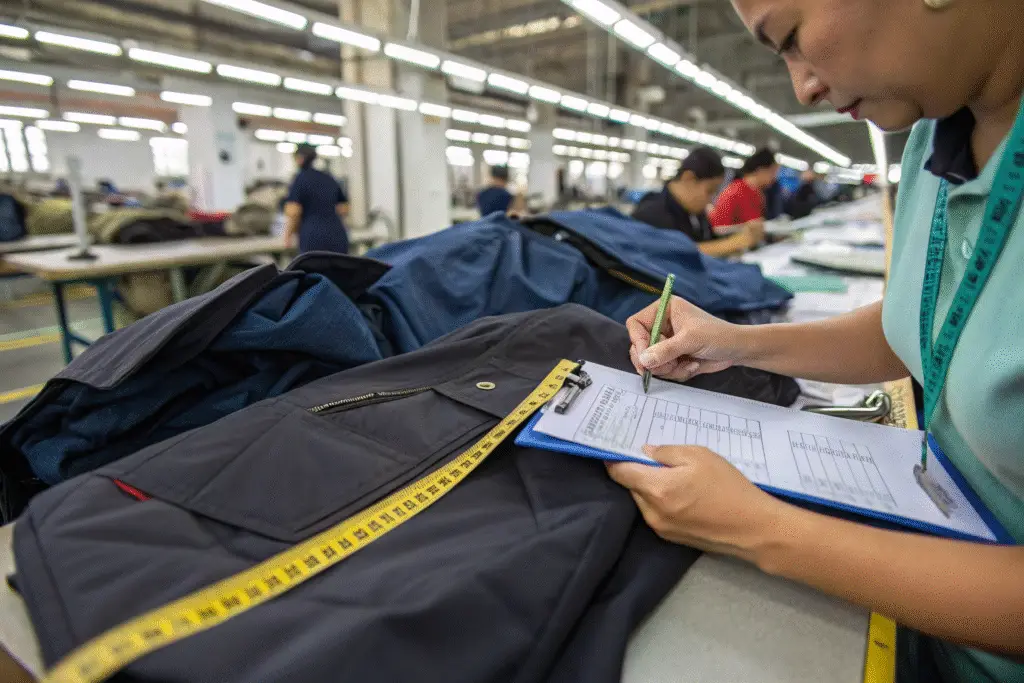
- Sewing Line Check (IPQC - In-Process Quality Control): This is the most important checkpoint. QC staff patrol the lines, checking garments during assembly. They verify:
- Stitch density (more stitches per inch for durability).
- Seam allowances.
- Correct placement and attachment of trims.
- That no pins or needles are left in garments (using metal detectors).
- Pre-Assembly of Hazardous Components: Items like drawstrings (if compliant) or elastic are pre-measured and cut to exact, safe lengths before reaching the sewing operator, eliminating variation.
What Happens During Final Pre-Shipment Inspection (PSI)?
The PSI is the last audit. For kids wear, we use a stricter AQL (Acceptable Quality Level) standard than for adult wear. A standard might be Major defects 1.5, Minor 4.0 for adults, but for kids, we often tighten it to Major 1.0, Minor 2.5. The inspection includes:
- Measurement Check: Against the approved sample's specs.
- Workmanship Check: Seam quality, finishing.
- Safety & Compliance Check: A 100% check for loose threads, untrimmed buttonholes, and verification that all required permanent care and compliance labels (like CA Prop 65 warnings if applicable) are correctly attached.
- Packaging Check: That polybags have proper breathable holes and warning labels.
How Does Partnering With A Specialized Factory Mitigate Risk?
Producing kids wear with a general apparel factory is a high-stakes gamble. A specialized kids wear manufacturer has the ingrained systems, specialized equipment, and, most importantly, the safety-first mindset woven into its company culture. This partnership is your strongest risk mitigation strategy.
The right partner acts as your expert extension, navigating the regulatory landscape and implementing controls you may not even know to ask for.
What Operational Advantages Does a Specialist Factory Offer?
- Dedicated Pattern Making & Grading: Specialists understand the unique proportions of children's bodies, not just scaled-down adult patterns. This affects comfort, mobility, and safety (e.g., head-to-body ratio for neck openings).
- Investment in Specialized Equipment: Smaller sewing machine attachments for tiny details, snap/press button machines calibrated for children's wear strength, and rounded-edge cutting tools for softer finishes.
- Established Compliance Infrastructure: Direct relationships with CPSC-accepted labs, in-house testing equipment, and staff trained specifically on kids wear standards. At Shanghai Fumao, we maintain a full-time compliance officer who updates our checklist based on the latest ASTM International and CPSC rulings.
- Proactive Problem-Solving: A specialist anticipates issues. For example, we often recommend replacing metal zipper sliders with plastic ones in infant wear to prevent chin scratches, or using printed labels instead of sewn-in labels for necklines to avoid skin irritation.
Can A Factory's Track Record Be Verified?
Absolutely. Beyond asking for references, you should:
- Audit their Quality Manual: Do they have a documented procedure for small parts testing or drawstring control?
- Request Historical Compliance Data: Ask about their rate of third-party test passes for clients.
- Visit Virtually or In-Person: Ask to see their testing lab and observe their in-line QC. We facilitate virtual factory tours that specifically highlight our kids wear safety protocols.
Choosing a partner like Shanghai Fumao means choosing peace of mind. We embed safety into every stitch, so you can focus on building your brand.
Conclusion
Strict quality control and a rigorous, multi-stage sampling process are not optional luxuries in kids wear manufacturing; they are the essential pillars of a responsible and sustainable business. The unique vulnerabilities of the end-user, the severe legal ramifications of failure, and the intense emotional investment of parents demand nothing less. This discipline is what transforms a simple garment into a product that is loved, trusted, and safe.
Attempting to bypass these processes to save time or cost is the epitome of false economy. The investment in thorough sampling and layered quality assurance is your cheapest insurance against catastrophic recall costs, brand erosion, and, most importantly, harm to a child.
If you are looking for a manufacturing partner who shares this uncompromising commitment to safety and quality, let's build something remarkable together. At Shanghai Fumao, our kids wear division operates with a singular focus: producing beautiful, durable clothing that meets the highest standards of safety and care. We combine rigorous processes with expert craftsmanship to be the reliable extension your brand needs. Contact our Business Director Elaine to discuss how we can bring your kids wear vision to life with confidence: elaine@fumaoclothing.com.