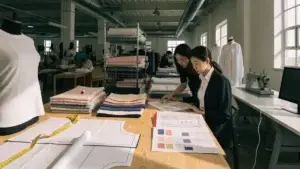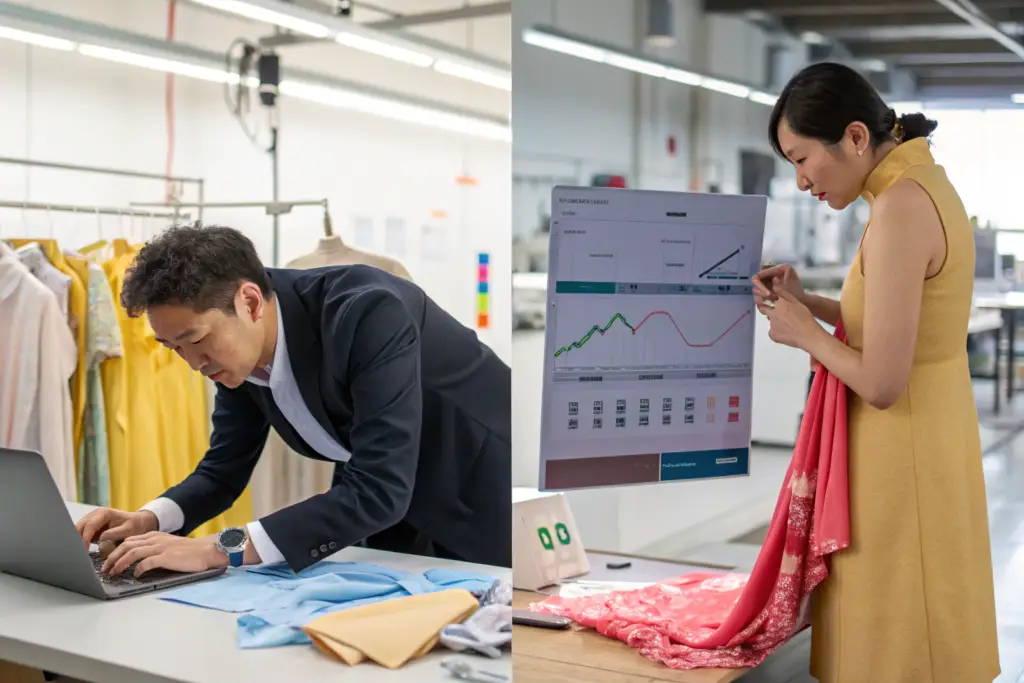
Leading paragraph: Picture this. It's late February. You've just approved the final sample for your summer linen dress collection. The launch date is locked for April 15th. But the factory in China is silent for four days. When the sales rep finally replies, the message reads: "Sorry for the delay. The fabric you chose is out of stock. We need another two weeks to source a replacement." Suddenly, that April launch window doesn't look so solid. That feeling in your stomach? It's not just stress. It's lost revenue. I run a garment manufacturing facility, Shanghai Fumao, and I see this panic all the time. The speed of communication between a brand and its supplier doesn't just affect the schedule. It protects the entire selling season.
The real danger in dress sourcing isn't just poor quality or high prices. It's the silent gaps between emails. When you're dealing with seasonal dresses, a 48-hour delay in clarification can physically push a shipment out by two weeks. This happens because production slots fill up and shipping cut-off dates don't move. Fast, honest communication is the only way to secure your margin.
You can't control the weather, but you can control how quickly a problem is reported to you. Let's break down why this matters more than you might think.
How Does Delayed Factory Feedback Destroy a Dress Timeline?
When you source a seasonal product like a summer dress, you are racing against a fixed end date. I always tell my clients that the lead time isn't the problem. The problem is the invisible time stolen by slow responses. A fashion brand usually buys fabric 60 to 90 days before the goods hit the store. If a technical question about the zipper or the seam allowance pops up on a Friday in China, and the brand agent doesn't answer until Monday in the U.S., you haven't lost two business days. You've likely lost a full week of production because the cutting line was scheduled for another client who had their answers ready.
Why Do Blank "Factory Working Days" Hurt Profit Margins So Much?
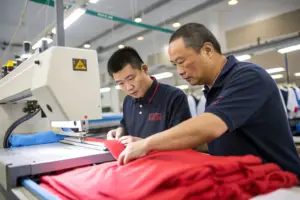
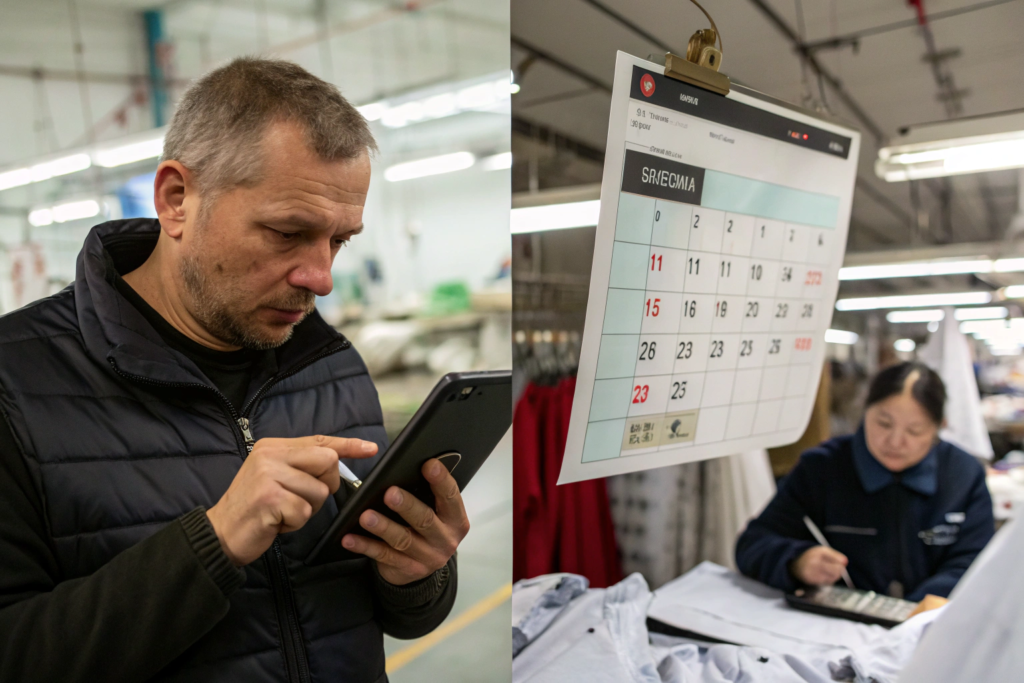
Empty time slots in a factory schedule are deadly for a dress brand. Here is what happens physically on the floor. At Shanghai Fumao, we run 5 active production lines. We plan the stitching flow three weeks in advance. If I don't get a clear fit-comment from a buyer within 24 hours, I cannot hold the stitching machines idle. I have to move the next order up.
This forces the delayed order to the back of the queue. For seasonal dresses, this creates a domino effect. A style meant for the spring window suddenly ships during the summer clearance sales. I recall a specific incident from 2023 with a Miami-based boutique chain. They ordered 3,000 floral maxi dresses. Their designer sent a contradictory comment about the ruffle length on a Thursday night. Our email asking for clarity went unanswered until Tuesday because the designer was on a short vacation. Those five quiet days pushed the shipment from air freight to sea freight to save time, which increased their logistics cost by 18%. That specific margin loss was entirely driven by the delayed clarification on the ruffle length.
| Communication Window | Production Impact | Cost Consequence |
|---|---|---|
| Reply within 12 hours | Line reservation secured; no delay | Standard FOB price maintained |
| Reply within 24-48 hours | Order pushed back by 3-5 working days | Rush cutting fee applied |
| Reply after 72+ hours | Line space lost; complete rescheduling | Mandatory air freight split to meet the deadline, increasing per-unit cost by $1.50-$2.50 |
Why Are Fabric Approvals the Silent Killers of Seasonal Launches?
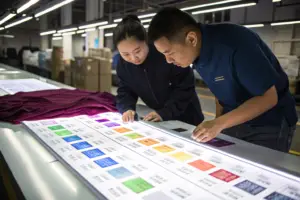
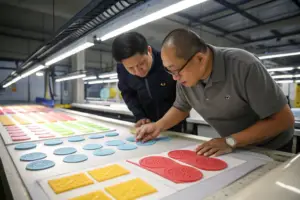
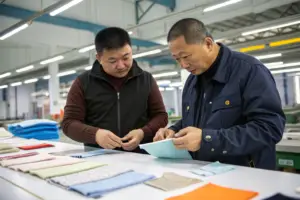
The most dangerous communication gap isn't about the big obvious things. It's about the lab dip and bulk fabric approval. A lot of younger brands think they can approve a lab dip in a week, but the world doesn't work that way. If a cotton blend for a summer dress isn't approved quickly, the dyeing vat is given to someone else.
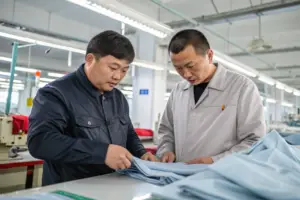
I've seen suppliers sign off on a fabric weight without checking it, just to avoid an argument. But when the customer finally opens the carton and finds the dress is too sheer, it's already too late. This is where a supplier who communicates badly will actually falsify a certificate or send a low-resolution photo. I had a case last fall where a San Diego distributor needed a specific recycled polyester for a line of sustainable dresses. We detected a slight shade variation during our internal inline inspection. Instead of hiding it to meet the deadline, our quality control team sent a high-definition comparison video and a spectrophotometer reading within 15 minutes via WhatsApp. The brand was able to make an immediate decision to proceed with a small discount on the fabric price rather than refuse the entire lot. That saved six weeks of re-sourcing.
What Is the Real Cost of a Slow Response in Dress Sourcing?
The price of a garment is one thing. The price of not having the garment when the customer wants it is something else entirely. I often explain to my partners that a "cheap price" is a lie if the goods miss the market window. In the dress business, the markup of a seasonal piece is completely tied to its freshness. A cotton sundress sold in June sells at full retail price. That same dress, if delivered in August, gets slapped with a 40% off sticker right away.

Can a Single Week of Silence Really Shrink Your Retail Markup?
Yes, and it does so systematically. For a seasonal dress, the first eight weeks on the shelf are the golden period. If a communication breakdown with the trims supplier delays the button attachment for just five days, and that delay pushes delivery from late May to early June, you are losing prime selling weeks.
Think about the math. If you planned to sell 2,000 units at a $60 average ticket price, that's $120,000 in potential revenue in the high-margin window. If 40% of those units now sell at a markdown price of $35, you haven't just lost the production cost. You've directly destroyed $20,000 in pure profit margin for that style alone. Last year, Shanghai Fumao worked with a New York based brand on a holiday party dress line. The design featured a custom metallic chain detail. We realized the original chain supplier was going to be three days late. Instead of writing a long email and waiting, our project manager sent a voice note and called the brand owner immediately to suggest an alternate chain finish. We got approval in 6 hours. Those 3 days were saved. The collection hit the stores in the first week of November, which is exactly when party dress buying peaks. Without that push to communicate instantly, they would have hit the December clearance rack.
Why Do Hidden Logistics Penalties Appear During Idle Times?
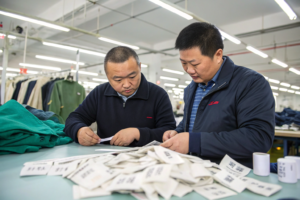
There is a dirty secret in DDP shipping that silent brands often discover too late: port demurrage and detention fees. When a shipment is delayed because the documents are wrong or the label approval is stuck, the container doesn't just wait politely. It costs money every single day it sits there.
I have taken on clients who came from other factories with horror stories. One client, a Chicago brand owner, was hit with a $3,200 detention charge on a single 40ft container because the previous supplier didn't send the final packing list until four days after the vessel arrived. The port congestion meant the container couldn't be pulled out. This is a direct result of poor communication speed. A real partner sends the shipping documents the moment the vessel departs. At Shanghai Fumao, we use a digital checklist for export documentation. Our standard is to release the scanned Bill of Lading and packing list within 4 hours of the vessel's departure. It sounds like a small detail, but for our American customers, it prevents storage fees that eat into the net profit of a dress line by 3 to 5 percent.
How Can Direct Factory Access Improve Communication Speed?
There is a big difference between dealing with a trading company and dealing with a direct factory. It's the difference between playing a game of telephone and having a face-to-face conversation. When you buy dresses through a middleman, you have to add at least 12 to 24 hours to every single query. The agent has to translate your question, ask me, wait for my tech to check the machine, translate my answer back, and then email you. By opening a direct link to a factory like ours, you cut out the lag.
Can a Direct Video Walkthrough Prevent Misunderstandings Better Than an Email?
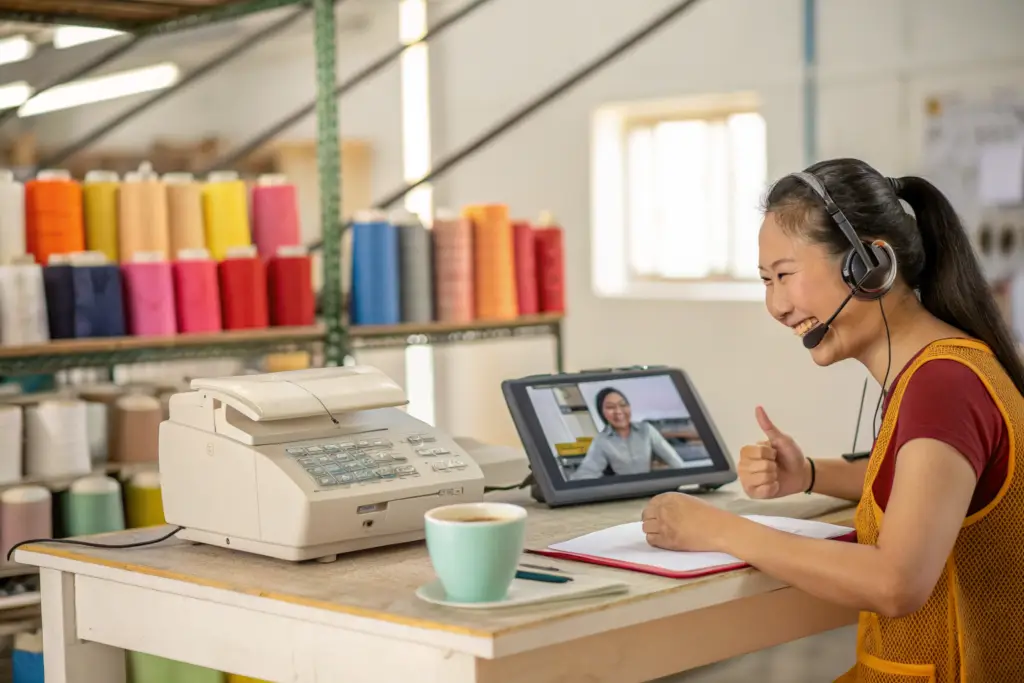
Absolutely. Most quality control failures come from visual misinterpretation. An email might say "the stitching is uneven." But a 30-second live video call on the production floor solves that confusion instantly. I can put the phone on a tripod, point it at the hem of the dress, and say, "Here is the stitch length. Does this look okay to you?"
This method has completely saved one of our largest projects recently. We were working on a complex tiered maxi dress for a brand based in Los Angeles. The spec sheet called for a specific distance between tiers, but the fabric had a lot of drape. On a static drawing, it looked fine, but on a body form, the proportions looked wrong during the proto sample stage. Instead of emailing a flat photo, we performed a live video fitting. We had the sample on a mannequin, and the LA designer directed us: "Move the seam up one inch." We pinned it live on camera. The sample revision was approved in 15 minutes. A traditional process of photos, marked-up PDFs, and couriered counter-samples would have taken 12 days. For a seasonal dress, finding those 12 extra days is like finding gold.
Why Does a Factory's Digital Infrastructure Matter to Your Brand?
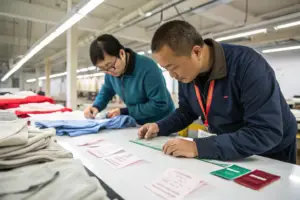
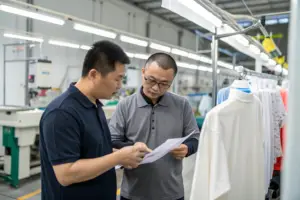
You can't communicate fast if the factory runs on paper and memory. When a production line is making 1,500 dresses a day, you need a digital trail. I have invested heavily in our internal project management systems. It's not just about the sewing machines. It's about the software.
When we receive your purchase order, every critical milestone is tracked. This allows us to predict delays before they happen. If the cutting report shows that the fabric consumption is 5% higher than estimated, I can send you a notification instantly. You don't have to wait for the end-of-week report to discover that we are short on yardage. This proactive approach is what builds trust. I recall a situation where our system flagged a discrepancy in the button count for a kids' dress order destined for a client in Canada. The spreadsheet said 4 buttons, but the cutting ticket said 3. We caught it during the cutting phase. A quick message via our CRM system to the brand owner confirmed it was a typo. If we had waited until the sewing phase, those 500 dresses would have had to be re-cut or repaired, costing time and fabric. That's the power of a factory that communicates with data, not just with words.
Is Next-Day Response Good Enough for Fast-Fashion Dress Trends?
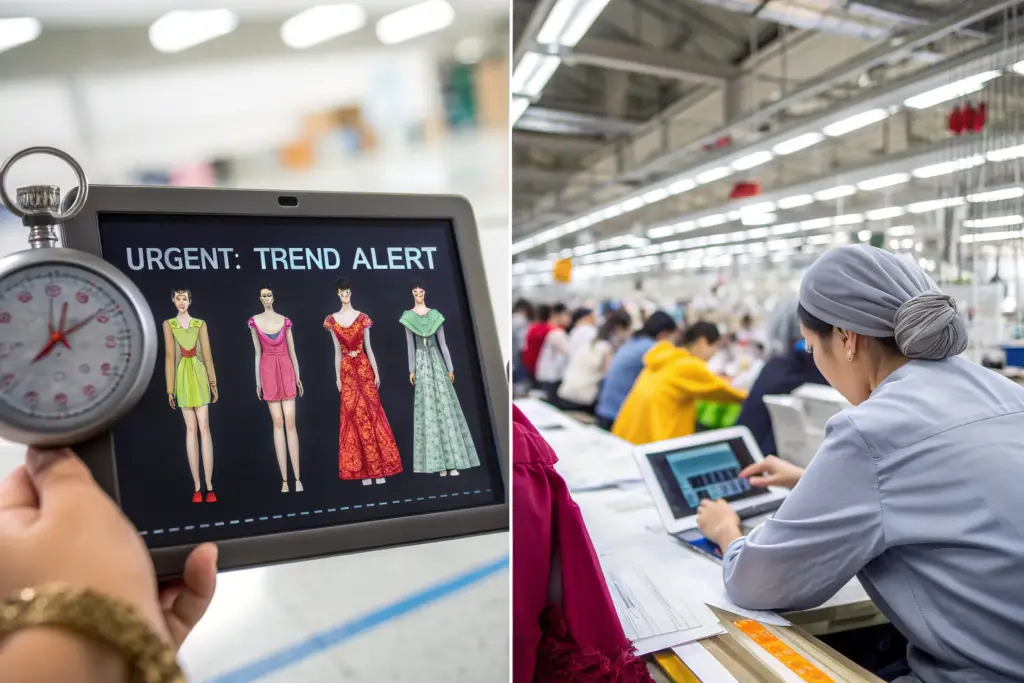
The term "next-day response" sounds professional, but in the current market, it's actually too slow. Social media trends change the demand for a dress style in a matter of days, not weeks. A specific puff-sleeve silhouette goes viral on TikTok, and suddenly every boutique needs the stock on the floor in 4 weeks. If you are waiting 24 hours for an answer on whether the fabric can be sourced, you have already lost the battle. The market demands real-time collaboration. Shanghai Fumao is structured to react within hours to keep you ahead of these micro-trends.
Should You Trust a Factory That Replies "Yes" to Every Trend Request Instantly?
No, and this is where honest speed matters more than pleasing speed. A bad factory will tell you "Yes, we can do that puff sleeve" instantly without checking the technical specs, just to get the deposit. A good factory replies fast, but with data.
If a client asks about a complicated crinoline hem, I won't say "Yes" just to make them happy. I will have my pattern maker review the sketch and text back: "The hem circumference you want is too wide for standard fabric width. I suggest a subtle paneling here, see this sketch." That reply might take 90 minutes instead of 5, but it's accurate. It saves the brand from a sampling disaster. A year ago, a large American distributor wanted to replicate a celebrity dress look with a specific drape. The initial request seemed simple, but our rapid prototype review revealed the fabric they picked would twist ugly on the bias. Our team sent a video demonstration within two hours of receiving the spec. We suggested a silk blend with a different weight. They sourced the new fabric immediately. The final product sold out because it moved from sketch to shipment in just 45 days.
How Do You Protect Your Design Ownership When Communication Moves Fast?
When you are firing off sketches and tech packs at high speed to catch a trend, you worry about intellectual property. A lot of brands fear that a factory will steal their design if they share too much, too fast. This fear often causes them to use slow, hesitant communication. They hold back key details, which creates a recipe for costly mistakes.
Real security is established before the design is sent. At Shanghai Fumao, we sign a strict Non-Disclosure Agreement and a Non-Use Agreement before any design files are opened. This legal framework allows fast communication to happen safely. Once that trust is established, a brand can send us a graded size chart without watermarks, and we can get it to the pattern room instantly. Trying to hide design details from your own manufacturing partner is like trying to hide your symptoms from your doctor. It only makes the diagnosis impossible and slows down the cure. A strong legal contract is what allows for the lightning-fast technical exchange that seasonal fashion requires.
How Do You Fix a Supply Chain Break Before It Misses the Trend Window?
A "trend window" is a tiny, fragile thing. It's usually 6 to 8 weeks long. If a critical trim piece breaks or a fabric lot fails inspection, you don't have the luxury of standard problem-solving. You need a supplier who authorizes a fix immediately.
I remember a case where a European label had a rush order for denim dresses. The specific YKK zipper they wanted was on a 3-week backorder. Waiting for that zipper would have killed the trend. Within 4 hours of getting that news from the zipper supplier, our procurement team sourced three visually identical YKK alternatives. We sent a courier pouch with the three zipper pulls to the brand's U.S. office for touch-and-feel approval while the production line kept sewing the bodies of the dresses. By the time the pulls arrived and were approved, the dresses were ready to have the zippers inserted immediately. We caught up the lost time. This is a proactive, high-speed bypass that a slower communicator simply cannot execute. Trend survival relies on a factory that sees itself as an emergency problem-solver.
Conclusion
Sourcing seasonal dresses is a high-stakes game. The difference between a best-selling line and a warehouse full of dead stock often comes down to a few hours of silence. I've seen brands get badly burned by suppliers who were afraid to deliver bad news. They let an email sit in an inbox, hoping a problem would fix itself, while the calendar quietly destroyed the brand's profit margin.
You need a partner who treats communication like a core manufacturing process, not just an admin task. This means no hidden delays, no falsified certificates to cover up a mistake, and certainly no walls between you and the cutting table. It means having the courage to send a 10-second video of a fabric flaw instead of a long, evasive email. It means having the digital infrastructure to alert you to a button count issue before the dress is even sewn.
If you are struggling with a partner who takes two days to answer a simple fit question, or if you've missed a selling window because of logistics silence, consider switching to a model built on transparency. At Shanghai Fumao, we have designed our 5 production lines around rapid, clear, and honest English communication. We want you to see exactly what is happening with your order, right now, without any filters.
If you want to explore a partnership where your messages get answered with speed and accuracy, not just politeness, please reach out. You can contact our Business Director, Elaine, directly at elaine@fumaoclothing.com to discuss how we can help secure your next collection and ensure it lands on the sales floor exactly when it should.