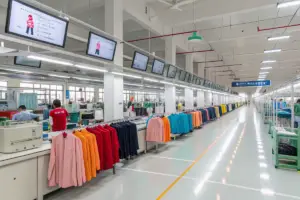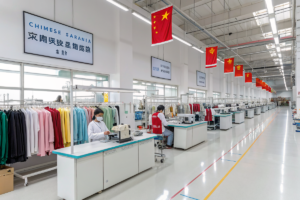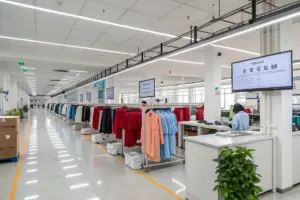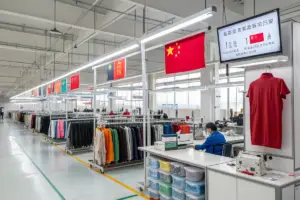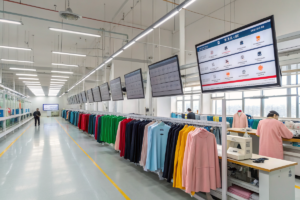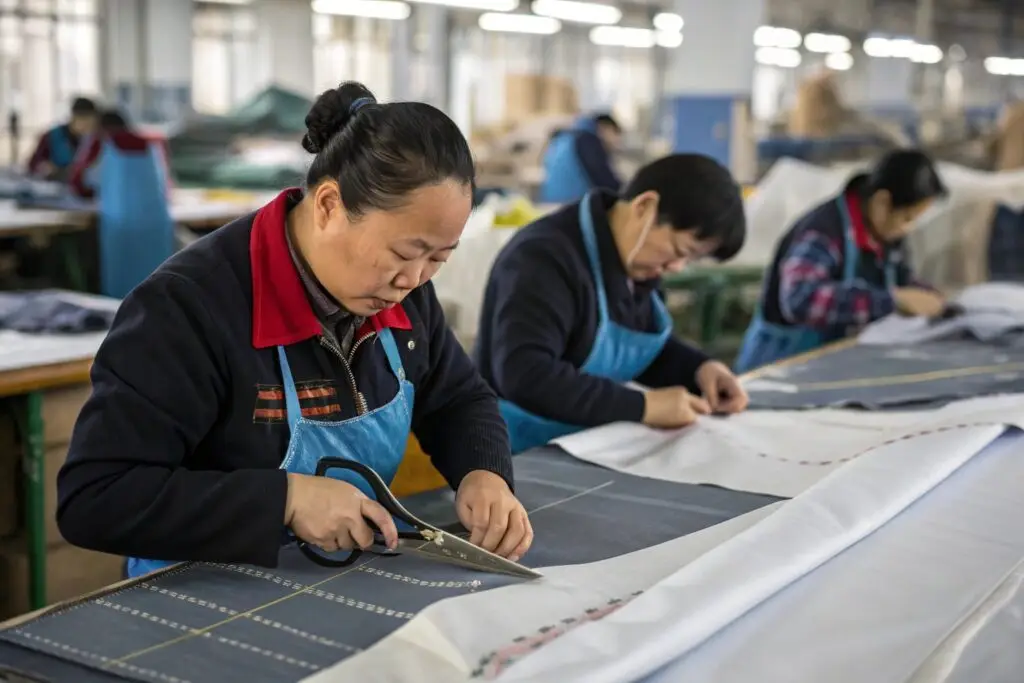
In a world where robots build cars and AI writes code, clothing manufacturing still relies heavily on manual labor. Why hasn’t it evolved at the same pace?
Clothing manufacturing hasn’t seen much innovation because fabric is complex to handle, processes remain labor-intensive, and automation has lagged behind other industries.
Let’s explore why innovation in fashion production is so slow—and what the future could hold for apparel makers around the world.
Why is innovation important in the fashion industry?
Innovation powers growth. In fashion, it helps brands respond faster, reduce waste, improve quality, and stay competitive in a fast-changing global market.
Innovation is critical in fashion to speed up production, enable customization, reduce environmental impact, and meet evolving consumer expectations.
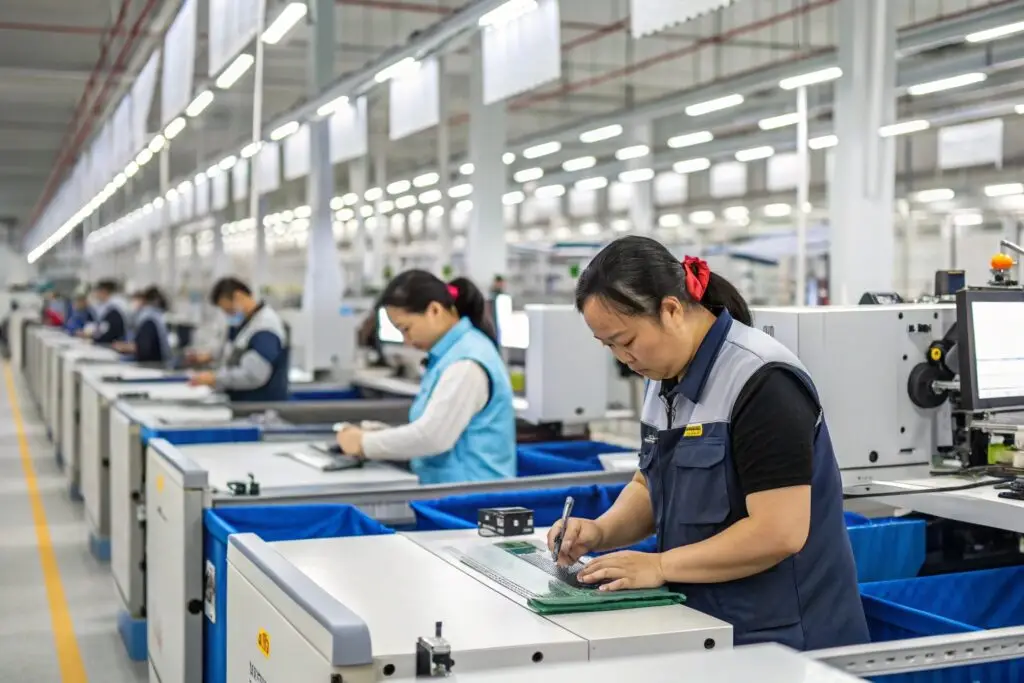
How does innovation improve clothing production?
- Shorter lead times: Automation reduces the time between concept and delivery.
- Higher consistency: Machines reduce human error in stitching, cutting, and sizing.
- Customization at scale: New tech enables mass personalization, like on-demand printing.
- Sustainability: Smart dyeing, digital patterns, and waste-tracking systems reduce overproduction and fabric waste.
| Innovation Area | Industry Impact |
|---|---|
| Digital prototyping | Faster design cycles |
| Smart textiles | Adds tech-driven functionality |
| AI trend forecasting | Reduces deadstock and late-season markdowns |
| 3D body scanning | Improves sizing and reduces returns |
At Fumao, we’re integrating more digital workflow tools1 and on-demand production models2 to help brands test ideas quickly—without high MOQs or long wait times.
Why can’t robots sew clothes?
It sounds simple: if machines can assemble smartphones, why can’t they sew a T-shirt? The answer lies in the nature of fabric itself.
Robots struggle to sew clothes because fabric is soft, flexible, and inconsistent—making it hard for machines to handle, position, and stitch accurately.
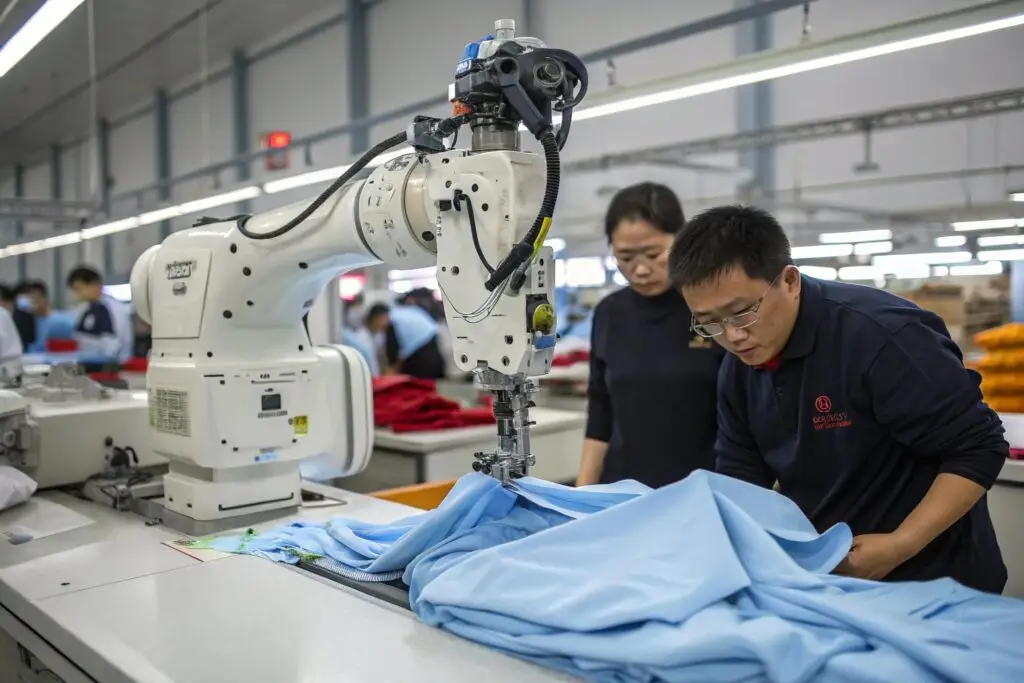
What makes fabric different from metal or plastic?
- Unpredictable movement: Fabric folds, bunches, and stretches, unlike rigid parts
- Non-uniform structure: Every piece reacts differently based on tension, grain, and humidity
- Precision required: Even a 1mm stitching error can ruin a garment’s fit or shape
Most robotics systems need parts that behave predictably. Fabric doesn’t.
| Task | Human Worker | Robot Challenges |
|---|---|---|
| Aligning fabric layers | Done by feel | Vision systems can’t read tension |
| Guiding curves/seams | Uses fingers/wrists | Requires complex motion algorithms |
| Adjusting for defects | Instant judgment | Needs training and calibration |
Are there any robot-assisted solutions3?
Yes. Companies like SoftWear Automation4 and Sewbo5 are developing robotic sewing systems, but progress is slow. These machines currently work best on simple shapes and stiff fabrics like jeans, towels, or pillowcases—not stretchy, lightweight garments.
What is the future of apparel manufacturing?
Though innovation has been slow, the industry is moving forward—with help from digital tools, lean production, and smarter logistics.
The future of apparel manufacturing is data-driven, automated where possible, and focused on sustainability and speed.
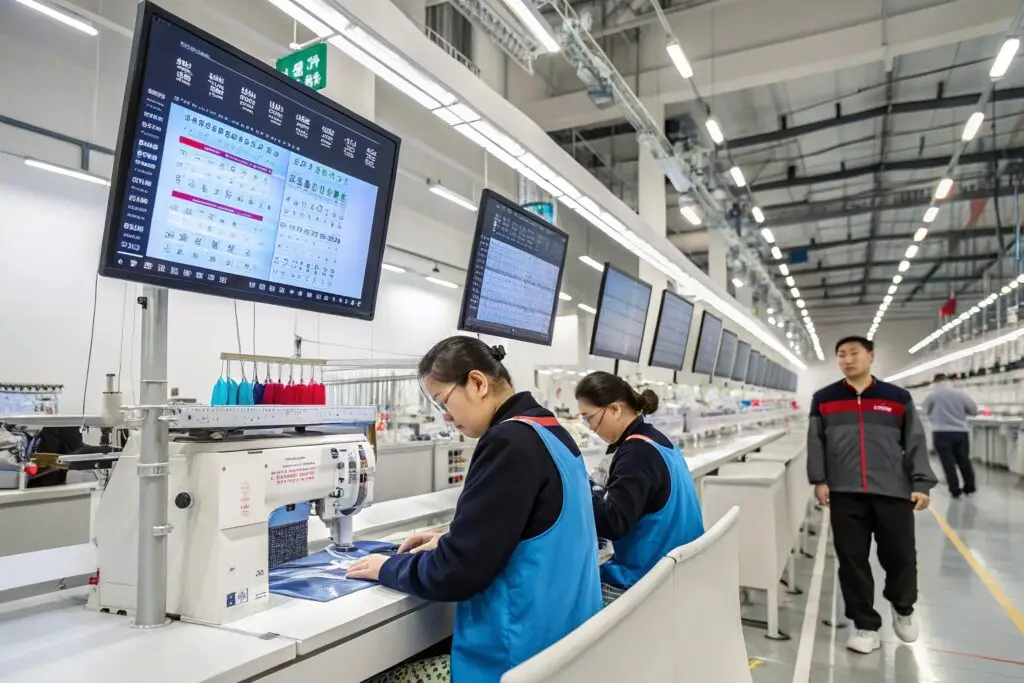
What changes are already underway?
- On-demand production6: Making clothes only after they’re sold to reduce waste
- Microfactories7: Small, tech-enabled units that serve regional markets
- Digital twins: Simulating full production before the first sample is made
- Green production: Recycled fabrics, waterless dyeing, and closed-loop systems
| Future Trend | Benefit for Brands and Buyers |
|---|---|
| Localized production | Faster delivery, less freight cost |
| Modular sewing stations | Flexible labor and equipment use |
| Real-time order tracking | More transparency for end customers |
| AR/VR in design | Faster sampling and virtual fittings |
At Fumao, we’re piloting hybrid sourcing models8 where quick styles are made locally, and core styles are produced offshore—balancing speed and scale.
Can clothing production be automated?
Fully automated clothing production is not mainstream yet—but parts of the process already are.
While full garment assembly is still labor-intensive, many steps in clothing production—like cutting, labeling, and packaging—are already automated.
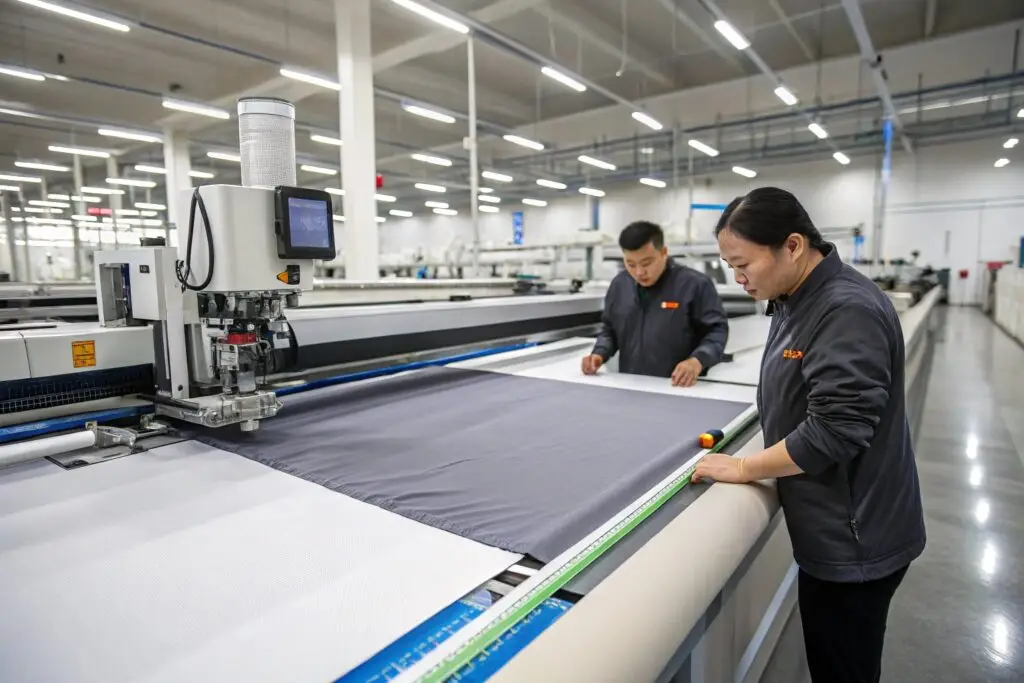
What parts of clothing production are already automated?
| Process | Automation Status |
|---|---|
| Fabric cutting | Widely automated (laser, CNC systems) |
| Printing & embroidery | Automated with digital files |
| Tagging & packaging | Semi- to fully automated |
| Sewing complex garments | Mostly manual, with limited automation |
Automation is growing—but for now, it works best when integrated with human input, especially for draping, fine stitching, and fabric handling.9
What’s needed to accelerate automation?
- Better AI vision systems10: To recognize fabric movement and patterns
- Flexible robotics11: That mimic human dexterity and coordination
- Investment in hybrid workforces: Combining machines with trained operators
Until then, automation will continue in segments, not the full line—offering efficiency without replacing skilled labor completely.
Conclusion
Clothing manufacturing hasn’t kept pace with other industries—but that’s changing. While robots can’t sew a dress just yet, innovation in digital tools, supply chain strategy, and partial automation is shaping the future. Forward-thinking apparel brands should embrace these changes now to stay competitive tomorrow.
-
Explore how digital workflow tools can streamline clothing production and enhance efficiency. ↩
-
Learn about on-demand production models and their benefits for reducing waste and improving customization. ↩
-
Explore this link to discover cutting-edge technologies in robotic sewing that are transforming the textile industry. ↩
-
Learn about SoftWear Automation’s pioneering work in robotic sewing systems and how they are shaping the future of fabric handling. ↩
-
Find out how Sewbo is innovating in the sewing industry with robotic solutions, making sewing more efficient and precise. ↩
-
Explore this link to understand how on-demand production is revolutionizing fashion by minimizing waste and maximizing efficiency. ↩
-
Learn about microfactories and their role in transforming local production and reducing environmental impact. ↩
-
Discover how hybrid sourcing models can optimize production strategies for fashion brands, balancing speed and scale. ↩
-
Understanding the challenges in automating these processes can provide insights into the future of clothing production and technology integration. ↩
-
Exploring advancements in AI vision systems can reveal how technology is transforming the clothing industry and enhancing automation. ↩
-
Learning about flexible robotics can highlight innovations that are shaping the future of manufacturing and improving efficiency. ↩