Sizing should be simple—small, medium, large. But for most shoppers, it’s a guessing game that often ends in frustration, returns, or regret.
90% of consumers struggle with sizing due to inconsistent standards, lack of fit transparency, vanity sizing, and the challenges of online shopping without physical try-on.
In the fashion world, size confusion isn’t just annoying—it’s costly for both brands and buyers. Let’s explore what’s broken and how to fix it.
Why is sizing so inconsistent?
You buy a size 8 from one brand and it fits. The same size in another brand feels like a 12. What gives?
Sizing is inconsistent because different brands use unique measurement systems, fit models, and grading rules—plus trends and regions influence how sizes are designed.
Why can’t brands agree on standard sizes?
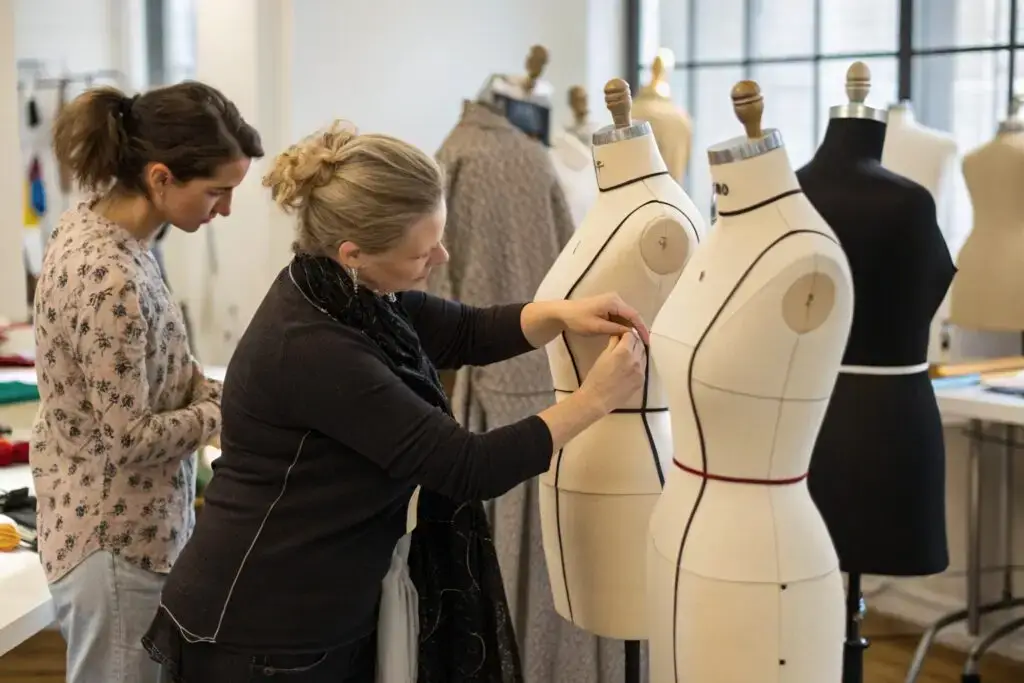
Because fashion isn’t built around a universal sizing system. Every brand creates its own size chart based on:
- Their ideal customer profile1
- Specific fit models used in development
- Regional sizing norms (US, EU, Asia, etc.)
- Style intent (oversized, tailored, cropped)
| Brand | Size 8 Waist (inches) | Fit Style |
|---|---|---|
| Brand A | 28" | Slim fit |
| Brand B | 29.5" | Relaxed fit |
| Brand C | 27.5" | Tailored |
I once bought three size 30 jeans from different brands. All fit differently. One was loose, one tight, one perfect. It wasn’t me—it was the label.
What role do factories play?
Factories often use different grading rules2, which affect how sizes increase across a range (e.g. XS to XL). A 1-inch increase in the waist may be normal for one brand—but too generous or too narrow for another.
Also, bulk production tolerances3 (e.g., ±0.5 inch) can further impact fit. Without tight QC, two size “M” items from the same batch might feel different.
What is a sizing issue?
Sizing problems go beyond a pair of tight jeans. They impact confidence, brand trust, and return rates.
A sizing issue refers to any mismatch between the expected fit and the actual garment fit, often caused by inconsistent measurements, unclear labeling, or poor product information.

What are common types of sizing issues?
- Label mismatch4: Says “L” but fits like an “S”
- Uneven grading: Sizes increase too much or too little between options
- Inconsistent fit5: Same size, different fit across styles
- Unclear chart: Size guide shows body measurements, not garment measurements
- Style confusion: Oversized vs. slim-fit not labeled clearly
| Sizing Issue | Shopper Experience |
|---|---|
| Label mismatch | Returns, disappointment |
| Poor fit description | Confusion, low trust |
| Measurement errors | Inaccurate expectations |
| Lack of size range | Excludes certain body types |
I once ordered a blazer marked “true to size.” It arrived stiff, boxy, and fit like armor. Turns out the brand had changed factories—and forgot to update the chart.
Why are sizing issues such a big deal?
Because they create returns, wasted production, and lost customer loyalty. In eCommerce, over 60% of returns are due to bad fit. That’s money out the door for brands—and time wasted for consumers.
What is the psychology of vanity sizing?
We all love fitting into a smaller size. And brands know that. That’s why “vanity sizing” exists—but it comes with a cost.
Vanity sizing is the practice of labeling clothing with smaller sizes than the actual measurements to make consumers feel better about the fit, even though the garment hasn't changed.

How does vanity sizing6 influence buying behavior?
When shoppers see they “fit” into a smaller size, it:
- Boosts confidence
- Encourages repeat purchases
- Creates emotional attachment to the brand
- Builds the illusion of flattering design
| Shopper Thought | Emotional Reaction |
|---|---|
| “I’m a size smaller!” | Pride, self-esteem boost |
| “I like how this fits.” | Trust in the brand |
| “This feels tailored.” | Desire to buy more |
Vanity sizing works—short term. But it’s deceptive long term.
I once had a client who labeled their size M as size S to align with competitors. Customers were thrilled—until they tried a tighter-fitting style and felt betrayed. Returns doubled.
Why is vanity sizing harmful?
- Creates false expectations7
- Confuses sizing across brands
- Causes emotional friction8 when customers size “up”
- Complicates online shopping and reorders
The better approach? Accurate sizing + clear fit guidance. Customers want clothes that fit, not clothes that lie.
How do I choose my size for online shopping?
Buying clothes online shouldn’t be a gamble—but without trying them on, many shoppers feel like they’re guessing.
To choose the right size online, use garment measurement charts (not body size), read fit descriptions, check return policies, and compare with items you already own.
What steps help you get sizing right online?
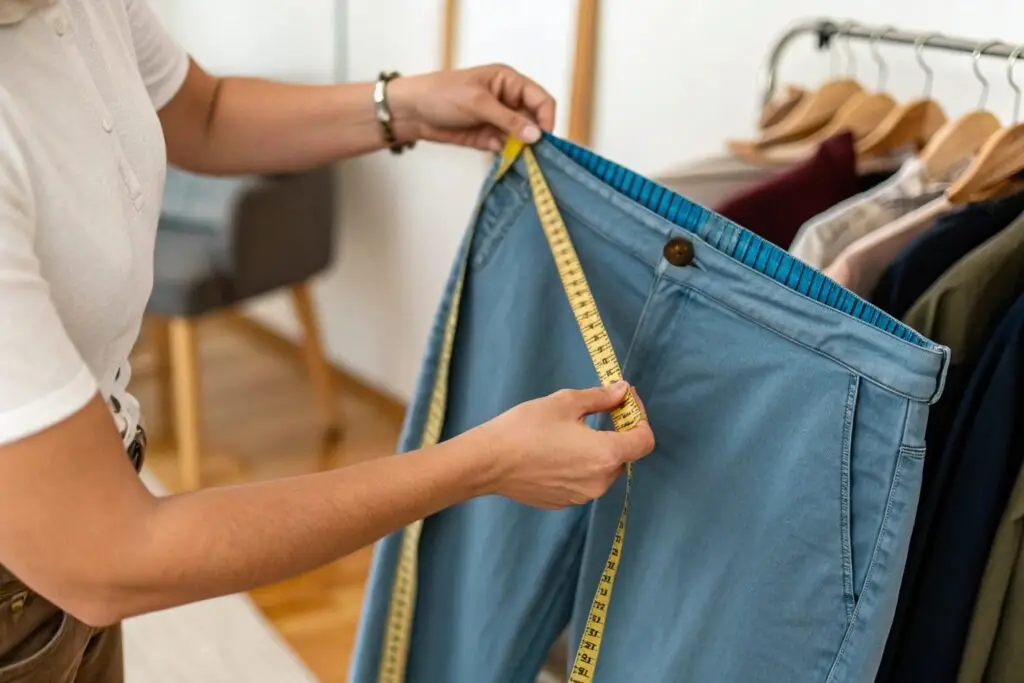
- Use a tape measure – Know your chest, waist, hip, and inseam
- Compare with your own clothes – Lay a favorite piece flat and measure it
- Check garment size charts – Look for flat measurements, not just S/M/L
- Read fit notes – Look for terms like “oversized,” “cropped,” “slim fit”
- Look at model info – Compare their size and height with yours
- Check reviews – Other buyers often mention if it runs small or large
| Step | Why It Helps |
|---|---|
| Measure yourself | Reduces guesswork |
| Compare with favorites | Anchors your expectation |
| Read garment specs | Avoids fit surprises |
| Read customer reviews9 | Real-world fit validation |
When I shop online, I keep a note in my phone with my actual garment measurements. That 30-second reference saves me time, stress, and returns.
What else can brands do to help?
- Use real-world models with size labels10
- Show video try-ons from different body types
- Offer size recommendation tools11
- Allow free, easy returns
Sizing isn’t one-size-fits-all—and it shouldn’t be treated that way.
Conclusion
Sizing problems aren't just about numbers—they’re about trust, confidence, and the ability to enjoy clothes that truly fit. Until the industry standardizes, the best we can do is shop smart, measure often, and demand more transparency from brands.
-
Understanding the ideal customer profile helps brands tailor their sizing and fit, ensuring better customer satisfaction. Explore this link for insights. ↩
-
Different grading rules can significantly impact how sizes are perceived and fit. Learn more about these rules to understand sizing better. ↩
-
Bulk production tolerances can lead to inconsistencies in fit. Discover how this impacts your shopping experience and what to look for. ↩
-
Understanding label mismatch can help you avoid sizing errors and improve your shopping experience. ↩
-
Exploring inconsistent fit can provide insights into why different styles may not fit as expected, enhancing your purchasing decisions. ↩
-
Understanding vanity sizing can help you see how it impacts your shopping experience and brand loyalty. ↩
-
Exploring this topic reveals the importance of accurate sizing for maintaining customer trust and satisfaction. ↩
-
Learning about emotional friction can enhance your understanding of consumer psychology and improve your shopping choices. ↩
-
Understanding the significance of customer reviews can guide you in making informed choices and finding the right fit when shopping online. ↩
-
Learn how using real-world models can help you make better sizing decisions and reduce return rates when shopping online. ↩
-
Explore this link to discover innovative tools that can enhance your online shopping experience by providing accurate size recommendations. ↩