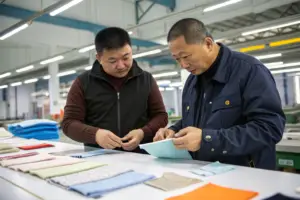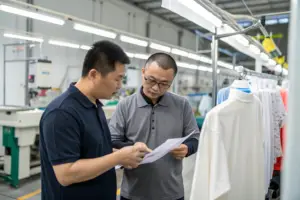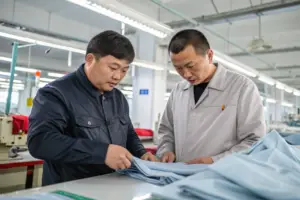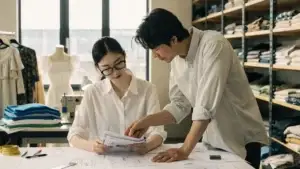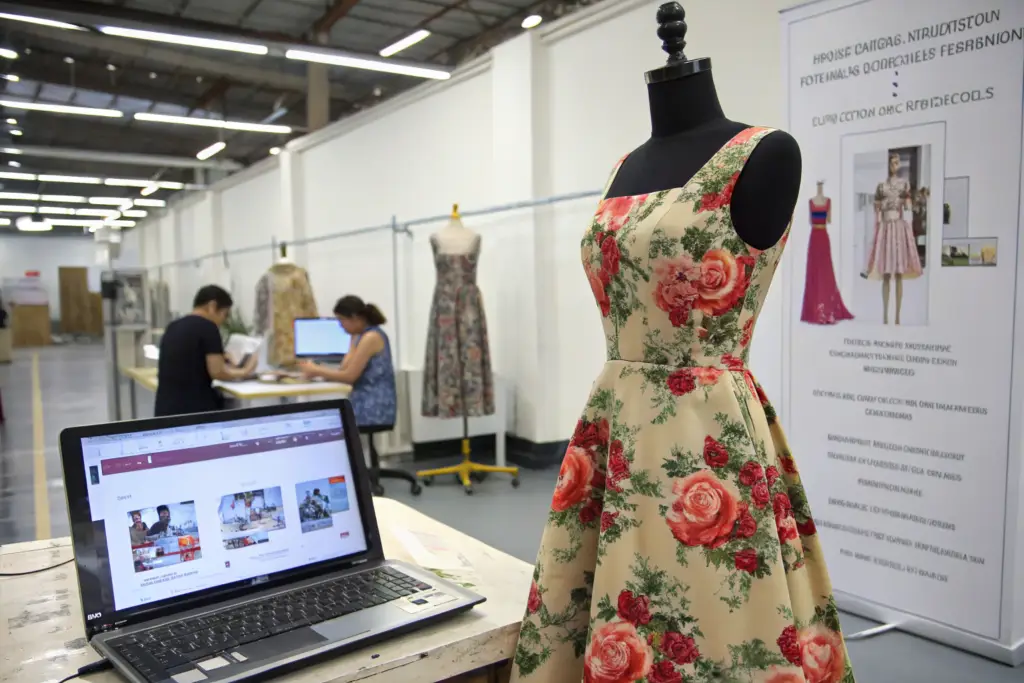
You have identified the category. The A-line floral dress is a proven performer. Your wholesale accounts are asking for it. Your DTC customers are searching for it. The sell-through data from last season confirms it. You are ready to place a significant buy. Now comes the hard part. You type "wholesale A-line floral dresses" into Google. The results are overwhelming. Alibaba listings with stolen photos. Trade show directories with broken links. Supplier websites with identical stock images and generic claims. "High quality." "Competitive price." "Fast delivery." Every supplier says the same thing. How do you find the one that actually delivers a dress that looks like the photo, fits like the sample, and arrives in your warehouse when you need it? Finding a supplier is easy. Finding a supplier who won't damage your brand is the real challenge.
You can source high-quality A-line floral dresses at wholesale through four distinct channels, each with different risk profiles and suitability for different brand stages. Custom manufacturing from a specialized woven dress factory like Shanghai Fumao offers the highest quality control, the greatest design flexibility, and the strongest long-term margin potential. Curated B2B wholesale platforms like FashionGo and Joor provide lower minimums and faster turnaround for established brands that need in-season replenishment. Domestic trade shows like Magic Las Vegas and Coterie New York allow you to touch fabric, assess construction, and build relationships with vetted suppliers in person. Direct sourcing from verified manufacturers via Alibaba or Made-in-China can work but requires rigorous, independent factory verification and carries the highest risk of quality and delivery failure. The right channel depends on your order volume, your design needs, and your risk tolerance.
My name is Elaine. At Shanghai Fumao, I have spent over fifteen years producing woven dresses, linen pants, and coordinated collections for North American and European brands. I have seen every sourcing channel from both sides. I have been the factory owner attending a trade show booth. I have been the supplier listed on a B2B platform. I have also been the buyer, earlier in my career, standing in a convention center aisle trying to figure out which supplier was legitimate and which was going to take my deposit and disappear. In this article, I will walk you through each sourcing channel with honest assessments, specific platforms and shows to target, and the verification steps that separate genuine quality manufacturers from middlemen and marketing fronts.
Why Should Custom Manufacturing Be Your Primary Channel for Differentiated A-Line Floral Dresses?
If your brand competes on uniqueness—on offering prints and silhouettes that your customers cannot find on every other rack—then stocked, off-the-shelf wholesale will eventually commoditize you. The same floral dress you buy from a wholesale platform can be bought by your competitor. The only long-term defense against commoditization is a product that is yours alone. Custom manufacturing creates that product. A specialized factory develops your dress to your specifications: your silhouette, your fit block, your chosen fabric, your exclusive print. The minimum order quantities are higher, and the lead times are longer, but the brand asset you build is defensible.
Custom manufacturing from a specialized woven dress factory is the primary channel for brands that need design ownership, consistent fit across seasons, and the ability to scale from boutique quantities to nationwide distribution. A factory like Shanghai Fumao provides an in-house pattern-making and sample studio, access to a curated fabric and print library, and a production line calibrated to woven dresses' specific construction requirements—French seams, enclosed edges, proper drape. The investment in development pays back over multiple seasons as the pattern, fit, and supplier relationship stabilize, reducing per-unit cost and improving quality consistency.
What Capabilities Should a Specialized Dress Manufacturer Offer?
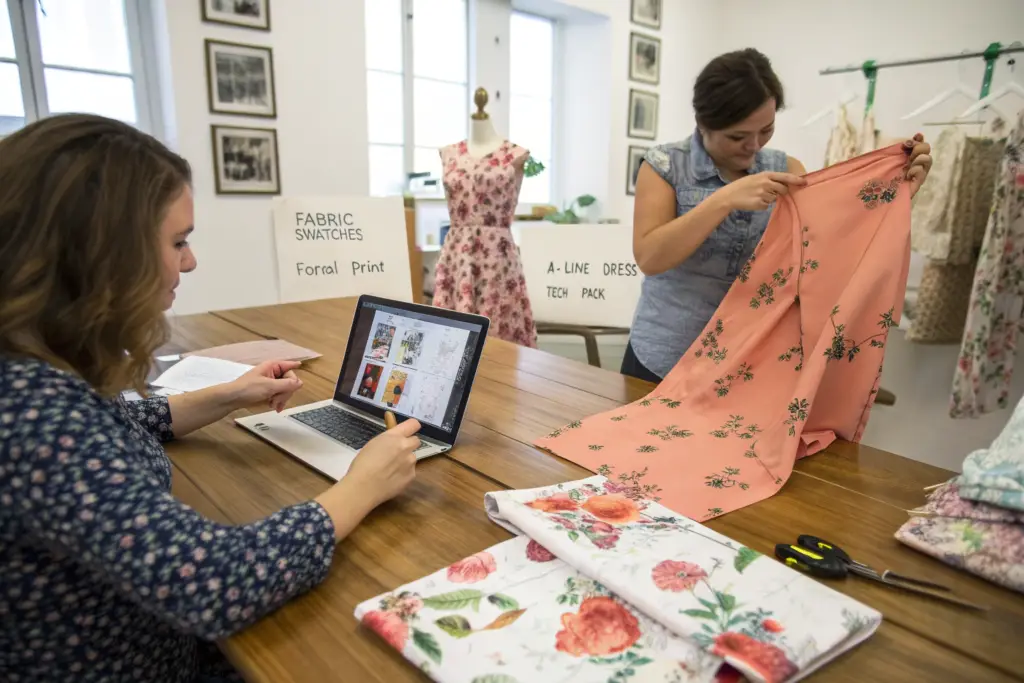
A generalist factory that makes t-shirts, denim, and the occasional dress cannot produce a high-quality A-line floral dress that fits consistently across sizes. The woven dress is a distinct product category with distinct construction requirements. The factory must have experience with woven fabrics, which behave differently under the needle than knits. They must have pattern makers who understand how to engineer an A-line silhouette so it hangs correctly from the shoulders and does not collapse or twist. They must have access to print partners who can execute your floral design with accurate color reproduction.
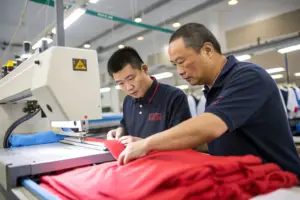
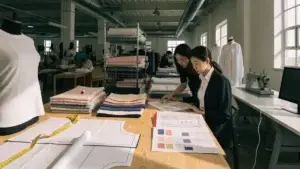
At Shanghai Fumao, our dress production capabilities include specific, verifiable competencies. Our sample studio has a library of A-line dress blocks in standard and extended sizes, which accelerates pattern development for new clients. We have established relationships with digital printing partners who can produce strike-offs within seven to ten days and bulk print runs within two to three weeks. Our sewing lines are equipped for the specific operations that quality woven dresses require: clean French seams on the bodice and skirt, invisible zipper insertion, properly faced necklines and armholes that do not gape, and hem finishes that maintain the A-line flare without puckering. Our QC protocol for dresses includes a specific "hanging check" where each dress is hung on a form for visual assessment of the drape and print alignment. These are not exotic capabilities. They are standard requirements for producing a woven dress that looks and fits like a quality garment. But they are requirements that a generalist factory, optimized for speed and volume on simpler garments, often lacks. The woven dress manufacturing quality standards guide details the specific production competencies to look for in a dress supplier. Ask a potential factory directly: "Show me a photo of an A-line dress you are currently producing. Walk me through your invisible zipper insertion process. Show me your hanging inspection station." Their answers, or their evasions, will tell you everything.
How Does the Custom Development Process Work From Print Concept to Finished Sample?
The path from a print idea to a finished, approved sample is the most critical phase of custom manufacturing. It is also the phase where unclear communication causes the most delay and frustration. Understanding the process allows you to set realistic timelines and provide the information the factory needs to execute accurately.
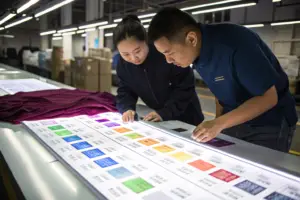
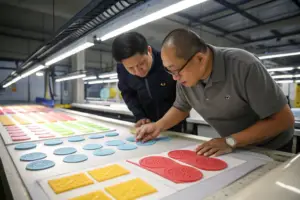
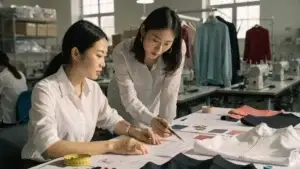
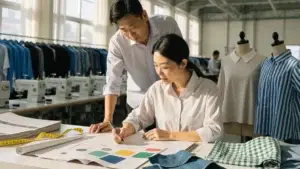
The process begins with your design brief. For a floral A-line dress, this brief should include: a reference image or sketch of the silhouette; your size specifications or a base size you want to work from; your fabric preference, such as a specific linen weight or a cotton voile; your print concept, which can be a reference image of a floral style you like, a color palette, or a detailed print brief for an original design; and your trim preferences for buttons, zippers, and labels. Once we receive the brief, our pattern maker develops the first pattern and cuts a muslin sample. The muslin is fitted on our standard dress form and photographed. We send these photos to you for an initial fit review. Simultaneously, our print partner develops a digital print file based on your floral concept and produces a strike-off on your chosen fabric. The strike-off is a small, printed sample of the repeat pattern. You review the color accuracy and the scale of the print against the fabric. Once the muslin fit and the print strike-off are both approved, we cut the first complete sample in the actual fabric with the actual print. This sample is sewn with all the specified trims and finishes. It is the sample you will photograph, fit on a model, and use as your decision point. The timeline for this process is typically four to six weeks from design brief to first sample, depending on the complexity of the print and the number of fit revisions. The custom garment development timeline for fashion brands provides a detailed stage-by-stage breakdown. Plan this development time into your seasonal calendar. A rushed sample is a poorly made sample. A poorly made sample leads to a bad decision.
Which B2B Wholesale Platforms Offer Curated, Quality-Vetted Floral Dress Options?
Not every brand needs custom manufacturing, and not every buying situation allows for a four-month development and production lead time. A brand that needs 50 units of a floral dress for an in-season restock, or a new brand testing the category with a small initial buy, may not be ready for custom production. The B2B wholesale platform is the appropriate channel for these scenarios. These platforms aggregate vetted suppliers and allow you to browse, compare, and order stocked styles with lower minimums and faster turnaround. The risk of quality inconsistency is higher than with custom manufacturing, but the platform's vetting process and buyer review systems provide a layer of protection that direct, unvetted sourcing does not.
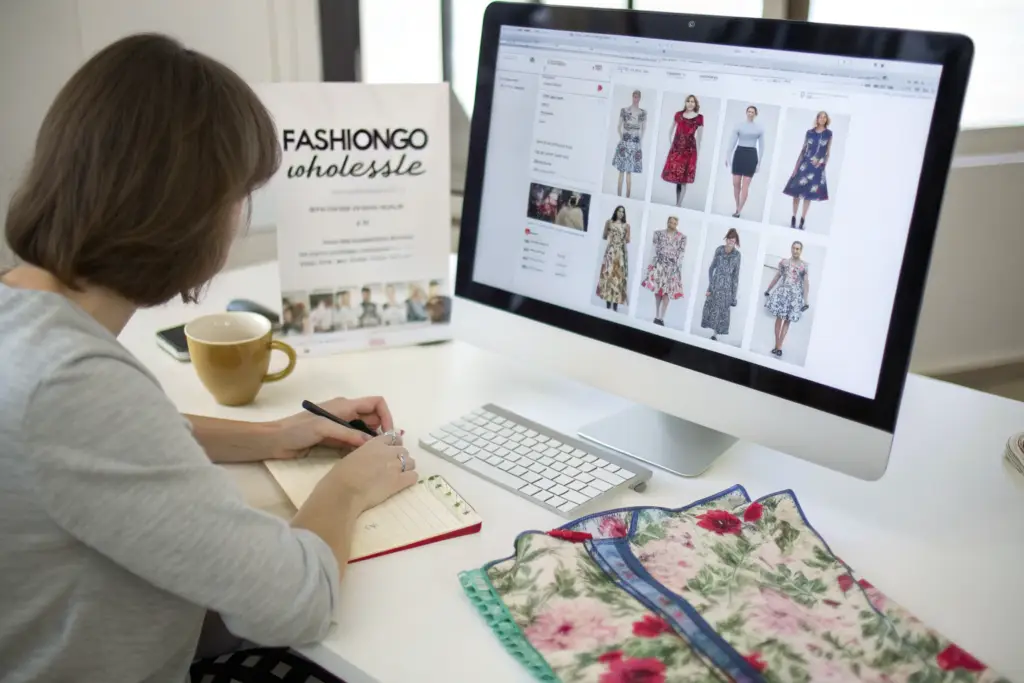
The most reliable B2B wholesale platforms for quality-vetted A-line floral dresses are FashionGo, which focuses on contemporary and boutique-level women's apparel with strong supplier vetting and buyer review transparency; Joor, which is the platform of choice for premium and designer brands and requires significant wholesale credentials to access; and Faire, which specializes in curated, independent brands with a net-60 payment option and a generous return policy for first orders. For brands sourcing from Asia directly, Alibaba's Verified Supplier program provides a baseline level of factory verification, but independent due diligence is still essential.
What Are the Pros and Cons of Each Major Wholesale Platform?
Each platform has a distinct business model, a distinct supplier base, and distinct advantages and risks. Selecting the right platform depends on your brand positioning, your order volume, and your risk tolerance.
FashionGo is the largest B2B wholesale marketplace for women's apparel in the United States. It hosts thousands of suppliers, primarily based in the Los Angeles fashion district, with some international suppliers. The platform vets suppliers through a business license verification process. Buyer reviews are visible on product pages. Minimum order quantities are typically six to twelve units per style, making it accessible for boutique buyers. Shipping is fast because many suppliers stock inventory domestically. The risk is that the same dress may be available to multiple competing boutiques in the same region. Differentiation is limited to your styling and merchandising, not the product itself. FashionGo is best for established boutiques that need in-season replenishment of proven categories and can accept that the product is not exclusive.
Joor is the premium end of the wholesale platform spectrum. It is used by established designer and contemporary brands to present their collections to vetted retail buyers. The brands on Joor are generally quality-vetted by the platform's curation process. Minimum order quantities vary by brand but tend to be higher than FashionGo. Joor is not a place to find cheap, unbranded stock. It is a place to discover emerging and established designer brands and to place wholesale orders directly with them. It is best for multi-brand boutiques with a strong point of view and the budget to invest in designer product.
Faire has disrupted the wholesale model with buyer-friendly policies. It focuses on independent, often artisanal brands. Faire offers a net-60 payment option, meaning you can sell the goods before you pay for them. It offers free returns on first orders with a new brand, significantly reducing the risk of trying a new supplier. The brands on Faire tend to have a strong story and aesthetic. The risk is that the production scale of many Faire brands is small, and they may struggle to fulfill large or repeat orders quickly. Faire is best for boutiques that prioritize discovery, story, and unique product over price and volume. The B2B wholesale platform comparison for fashion boutiques guide provides a detailed feature-by-feature comparison of the major platforms.
How Do You Verify a Supplier's Quality Even on a Vetted Platform?
A platform's vetting badge is a starting point, not a guarantee. A Verified Supplier on Alibaba has submitted business registration documents. They have not necessarily produced a quality dress. You must perform additional verification before committing to a significant order.
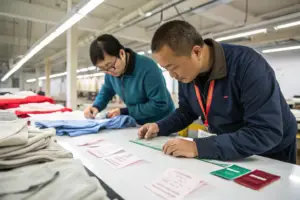
Order a sample before placing a bulk order. This is the single most important verification step. A supplier who refuses to provide a sample, or demands an unreasonable sample fee, is a red flag. Examine the sample ruthlessly. Turn it inside out. Inspect the seams. Pull gently at the zipper. Wash it according to the care label. Wear it for a day. The sample is the supplier's best possible work. If the sample has issues, the bulk order will have more. Read the buyer reviews carefully, but read them skeptically. Look for reviews that include photos of the actual product received, not just the stock image. Look for reviews that are specific about quality details, not just "great product, fast shipping." A review that says "The print was slightly darker than the photo, but the construction was solid and the fit was true to size" is credible and informative. Contact the supplier directly and ask technical questions. Ask what fabric they used for a specific dress. Ask about their seam finishes. Ask for a photo of the dress on a real person, not just a flat lay or a model shot. A supplier who can answer technical questions specifically and promptly is more likely to be a manufacturer or a knowledgeable trading company. A supplier who responds vaguely or slowly is likely a reseller with no technical knowledge. The how to vet wholesale clothing suppliers guide provides a detailed verification checklist. Use it before you wire a deposit.
Which Trade Shows and Sourcing Events Let You Inspect A-Line Floral Dresses in Person?
Digital sourcing is efficient. Physical sourcing is definitive. You cannot assess fabric hand feel through a screen. You cannot detect a cheap zipper or a poorly finished seam from a product photo. You cannot gauge a supplier's professionalism, their communication style, and their genuine enthusiasm for their product through email. The trade show collapses the distance. You touch the product. You meet the people. You see the construction with your own eyes. For a category like the A-line floral dress, where fabric quality and print reproduction are critical selling points, the physical inspection that a trade show enables can prevent a costly sourcing mistake.
The most valuable trade shows for sourcing high-quality A-line floral dresses at wholesale are Magic Las Vegas, held in February and August, which is the largest and most comprehensive fashion trade show in North America; Coterie New York, held in February and September, which focuses on premium contemporary and designer women's apparel; and for brands ready to source directly from Asian manufacturers, the Canton Fair in Guangzhou, China, and the Shanghai Texworld and Apparel Sourcing shows, which provide direct access to the factories producing for the global market. Each show has a distinct supplier profile, and knowing which show to attend saves you time and travel budget.
Which Shows Should You Attend Based on Your Brand's Stage and Budget?
The trade show calendar is crowded. Attending the wrong show wastes time and money. Attending the right show can transform your sourcing in a single trip. Your choice should be driven by your brand's price point, your order volume, and whether you are seeking domestic wholesale suppliers or direct overseas manufacturing partners.
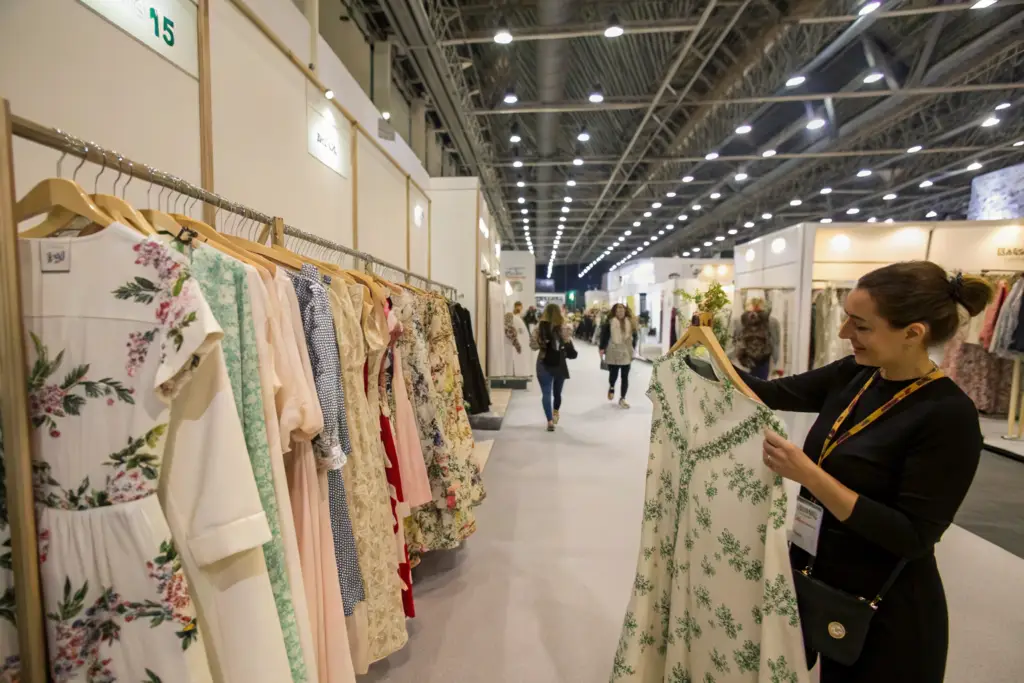
Magic Las Vegas is the broadest platform. It hosts suppliers across all price points, from fast-fashion to contemporary. It is the best show for a brand that is building its initial supplier base, wants to see a wide range of options, and needs to touch a lot of product quickly. The February show serves the Spring/Summer season. The August show serves the Fall/Holiday and the following Spring season. Plan your trip accordingly. Magic is large, loud, and can be overwhelming. Go with a focused plan. Pre-register, study the exhibitor list, and book appointments with your top targets before you arrive.
Coterie New York is the premium option. The suppliers here are established contemporary and designer brands. The product is curated. The price points are higher. Coterie is the show for a boutique or a brand that positions itself in the elevated contemporary space. It is also a better environment for building deeper supplier relationships than the high-volume pace of Magic. The atmosphere is more conducive to conversation and negotiation.
The Canton Fair is the direct-from-factory option. It is massive, chaotic, and requires travel to China. But it offers direct access to the manufacturers who produce for the global apparel industry. For a brand that has reached a scale where direct manufacturing relationships make economic sense, the Canton Fair or the more focused Shanghai Texworld and Apparel Sourcing shows are the entry point. At these shows, you can meet factory owners like me, inspect production samples, and begin the conversation about custom development. The fashion trade show calendar and buyer guide provides a comprehensive schedule and advice for maximizing your trade show investment.
What Should You Inspect on a Dress at a Trade Show Booth?
You have fifteen minutes at a booth. You need to gather as much quality intelligence as possible in that window. Do not waste time admiring the dress from the front. Every supplier's dress looks good from the front. You need to inspect the parts the customer sees and the parts she doesn't.
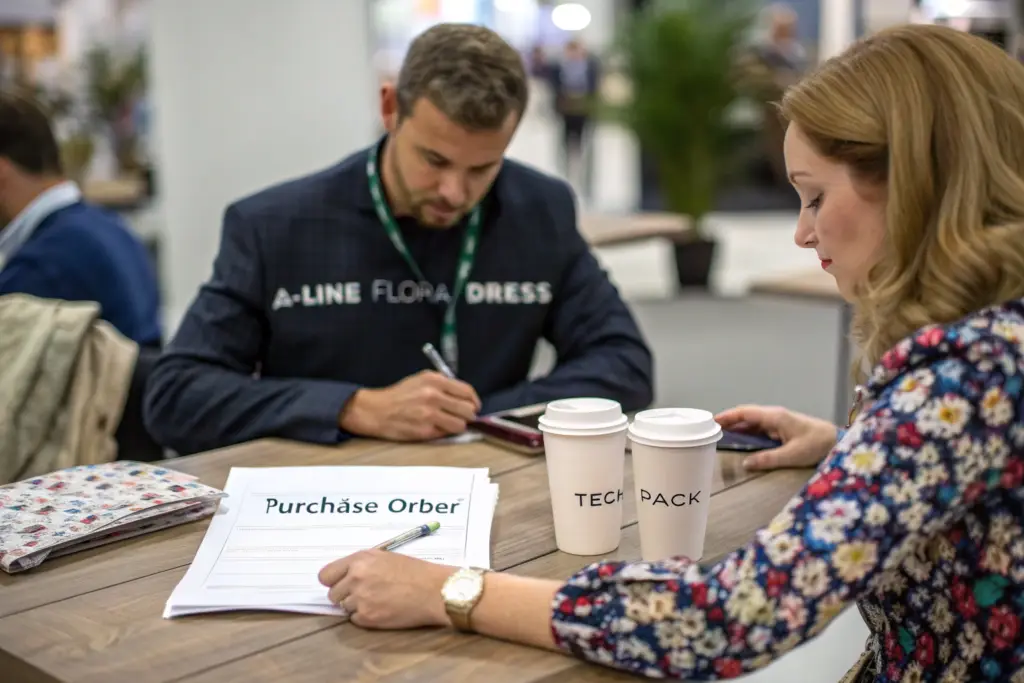
First, touch the fabric. Does it feel substantial? Does it feel pleasant against the skin? Is the print crisp and clear? Check the print alignment at the seams. A quality dress has the floral pattern matched at the side seams and the bodice-to-skirt seam. A dress where the print is misaligned at the seams signals a supplier who does not prioritize quality. Second, turn the dress inside out. Inspect the seam finishes. Are the seams overlocked or clean-finished with a French seam or a bound edge? Overlocked seams on a woven dress at a premium wholesale price are a red flag. Check the zipper. It should be an invisible zipper, smoothly inserted, with the zipper tape matching the fabric color. A black zipper in a cream dress is a cost-cutting signal. Check the hem. It should be even, cleanly pressed, and stitched with a consistent distance from the edge. Third, ask the supplier a specific technical question. "What is the GSM of this fabric?" "Is this print digitally printed or screen printed?" "What is the fiber composition of the facing inside the bodice?" A quality supplier answers immediately. A reseller or a low-quality supplier hesitates or gives a vague answer. Fourth, ask about minimum order quantities, lead times, and the sampling process. A quality supplier has clear, confident answers. The in-person garment quality inspection checklist for trade shows provides a systematic approach to evaluating a garment quickly and thoroughly.
How Do You Transition From a Wholesale Platform Find to a Direct Manufacturing Relationship?
You found a supplier on FashionGo or at Magic. Their product is strong. You have placed a few stock orders. The sell-through is good. You are ready to move from buying their stocked designs to developing your own exclusive styles with them. This transition from wholesale customer to custom manufacturing partner is the inflection point where a transactional sourcing relationship becomes a strategic brand asset. It is also a transition that many brands mismanage, rushing into custom development with a supplier whose manufacturing capabilities they have never verified.
Transition a wholesale supplier to a custom manufacturing partner by initiating a small, low-risk trial development project before committing your core seasonal volume. Start with a single style—perhaps an adaptation of an existing silhouette in an exclusive print, rather than a fully new pattern. Evaluate the supplier's communication, their pattern-making accuracy, their sampling timeline, and the quality of the finished sample. If the trial project succeeds, gradually increase your custom development volume over two to three seasons while running parallel orders to ensure continuity. The relationship should be built on demonstrated performance, not on a single successful sample.
What Red Flags Signal That a Wholesale Supplier Cannot Handle Custom Manufacturing?
A supplier who excels at producing their own stocked designs is not automatically capable of developing yours. Stocked production and custom development are different operational capabilities. The former requires efficiency at repeating a known pattern. The latter requires interpretative skill, pattern-making expertise, and a communication structure that can translate your vision into their production language.
Red flags that a wholesale supplier lacks custom manufacturing capability include: an inability to provide a sample of a custom design within a reasonable timeline, typically four to six weeks from approved design brief. A supplier who takes three months or repeatedly misses sample deadlines does not have an organized development process. A reluctance or inability to share photos of the development process—muslin fittings, print strike-offs, in-progress construction photos—signals a supplier who may be outsourcing the development to an unknown third party. Vague answers to technical questions about pattern adjustments, grading rules, or fabric consumption indicate a supplier who does not have in-house pattern-making capability. And perhaps most telling, an unwillingness to sign a formal manufacturing agreement with defined quality standards, delivery dates, and penalty clauses. A supplier who insists on working on verbal agreements and trust alone is a supplier who does not want accountability. This applies to any supplier, not just overseas ones. The transitioning from wholesale buying to custom manufacturing guide provides a step-by-step process for vetting a supplier's custom capabilities before committing significant volume.
How Do You Structure a Trial Custom Development Order to Minimize Risk?
The trial development order is a test, not a bet. Its purpose is to evaluate the supplier's custom capabilities with minimal financial exposure. If the trial succeeds, you have a new strategic partner. If it fails, you have lost a manageable amount of time and money, and you have learned a valuable lesson without damaging your core seasonal inventory.
Structure the trial order around a single style, ideally an adaptation of an existing silhouette the supplier already produces successfully, such as their standard A-line dress with a modified sleeve, a different length, and your exclusive print. Do not commission a fully new, complex silhouette with multiple fit challenges for a trial order. You are testing their development process, not their haute couture capabilities. Agree on a fixed development fee and an estimated sample timeline in writing. Pay the development fee as a separate transaction from any future bulk order. This clarifies that you are paying for their development service, not placing a deposit on a bulk order. If the sample fails, you have paid for the service and you can walk away without a larger financial entanglement. Evaluate the trial on both the product outcome and the process experience. Did the sample arrive on time? Did it match the agreed specifications? Was communication clear and proactive throughout? A supplier who delivers a beautiful sample but communicates poorly and misses deadlines is not a reliable long-term partner, regardless of the sample quality. A supplier who delivers a sample that needs two rounds of reasonable revisions, but communicates clearly and meets every deadline, is demonstrating the operational reliability that matters more in the long run than a perfect first sample. The trial order structure for new supplier evaluation guide provides a framework for structuring and evaluating a test order.
Conclusion
Finding high-quality A-line floral dresses at wholesale is a journey through four distinct channels, each with its own risk-reward profile. The B2B wholesale platforms—FashionGo, Joor, Faire—offer speed, low minimums, and platform-based vetting, but limited design exclusivity. The trade shows—Magic, Coterie, Canton Fair—offer the irreplaceable value of physical product inspection and personal relationship building, but require travel and time investment. The direct custom manufacturing channel—partnering with a specialized woven dress factory like Shanghai Fumao—offers the highest degree of design ownership, quality control, and long-term margin optimization, but requires a higher initial commitment and a willingness to invest in development.
The most successful brands do not rely on a single channel. They use the platforms for in-season replenishment and trend testing. They attend trade shows to discover new suppliers and validate category trends. And they build deep, strategic relationships with one or two custom manufacturing partners who become the backbone of their seasonal core program. This multi-channel approach hedges risk and allows the brand to respond with agility to both sudden demand spikes and long-term strategic shifts.
If you are ready to explore custom manufacturing for your A-line floral dress program, or if you have found a supplier at a trade show or on a platform and want to discuss transitioning to a direct manufacturing relationship with better margins and exclusive designs, I am here to help. At Shanghai Fumao, we produce woven A-line dresses for brands across North America and Europe. We offer in-house pattern making, a curated fabric and print library, flexible minimum order quantities starting at 300 units per style, and DDP shipping that delivers a predictable landed cost to your warehouse. Contact me, Elaine, at elaine@fumaoclothing.com. Send me your design brief or your inspiration images, and I will provide a development timeline, a cost estimate, and a clear answer about what is possible. Your best-selling floral dress is waiting to be made.