We’ve all stepped into a clothing store, hoping to feel inspired, but walked out with nothing. It’s not about stock—it’s about the experience.
Today’s in-store fashion experience often lacks personalization, product storytelling, and connection. Customers see clothes, but not their value, origins, or how they fit into their lives.
If you want to stand out in fashion retail, you must go beyond racks and price tags. Modern buyers crave relevance, not just garments.
What is lacking in the clothing industry?
Many fashion businesses focus on trends, not people. But without understanding real consumer needs, they keep missing the mark.
The clothing industry lacks transparency, personalization, and meaningful in-store engagement. Shoppers often feel overwhelmed, underinformed, and disconnected from what they’re buying.
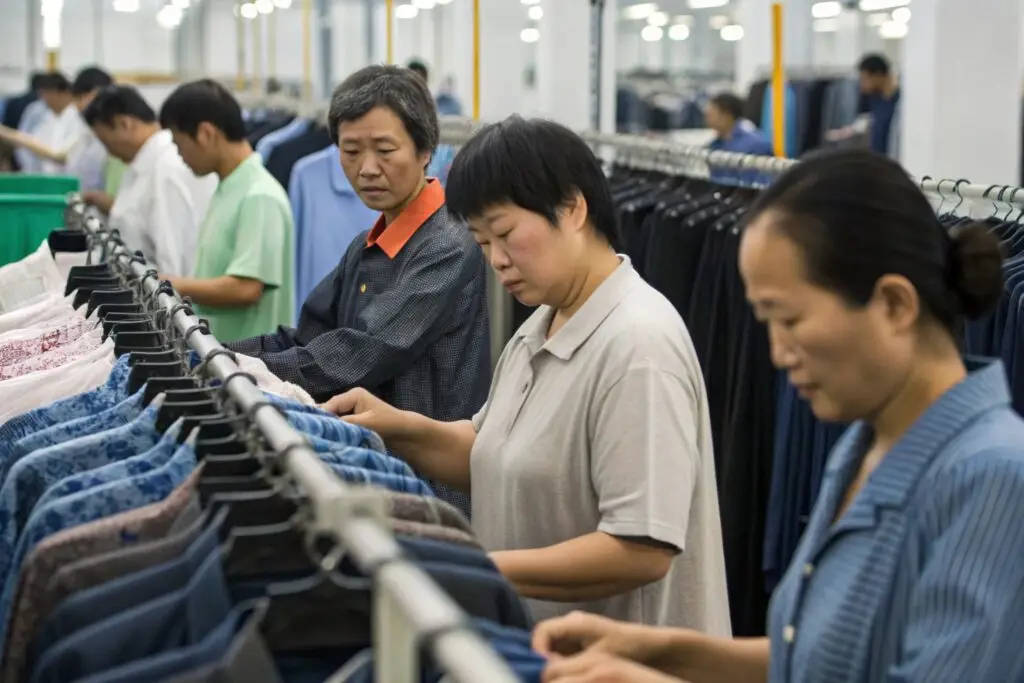
Why do shoppers feel lost inside fashion stores?
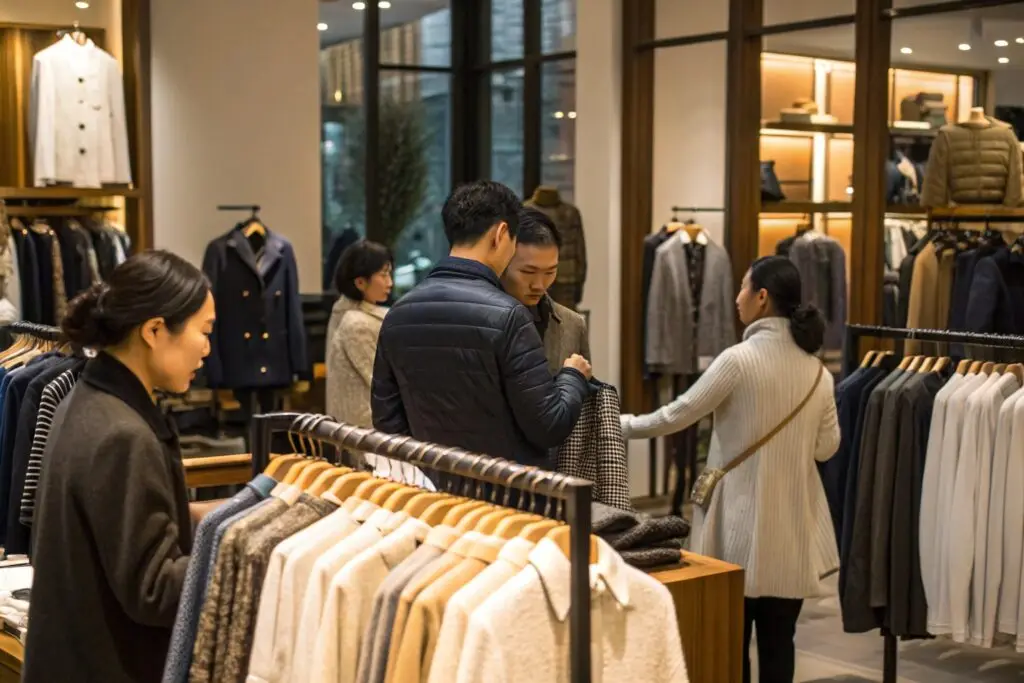
Clothing stores today look full, but feel empty. Racks are loaded, but there’s no one to guide, no signs to explain, and no reason to stay. I once visited a premium store in NYC—beautiful space, no staff around. I left with questions, not clothes.
| Missing Element | Impact on Customers |
|---|---|
| Product education1 | Shoppers can’t see value |
| Sales support2 | No one to explain or guide |
| Personal connection3 | Feels cold and commercial |
| Storytelling | No emotional reason to buy |
Today’s shoppers don’t just want garments. They want to know how they’re made, who made them, and how they fit into a sustainable or stylish lifestyle.
How can brands improve in-store experiences now?
Brands should train staff to tell product stories. Add QR codes for transparency. Use mirrors with styling suggestions. Offer personalization stations. At Fumao, we help brands add garment backstories—like how a knit dress was made in a zero-waste facility in Jiangsu. That emotional bridge increases conversions.
What is the main problem with the way clothing is made now?
Many buyers don’t realize this: what’s missing in-store often starts with how things are made. Fast, cheap, and trend-focused production leaves little room for quality and story.
The main problem is mass production’s focus on speed and volume, which sacrifices uniqueness, ethics, and creativity in the final garment.
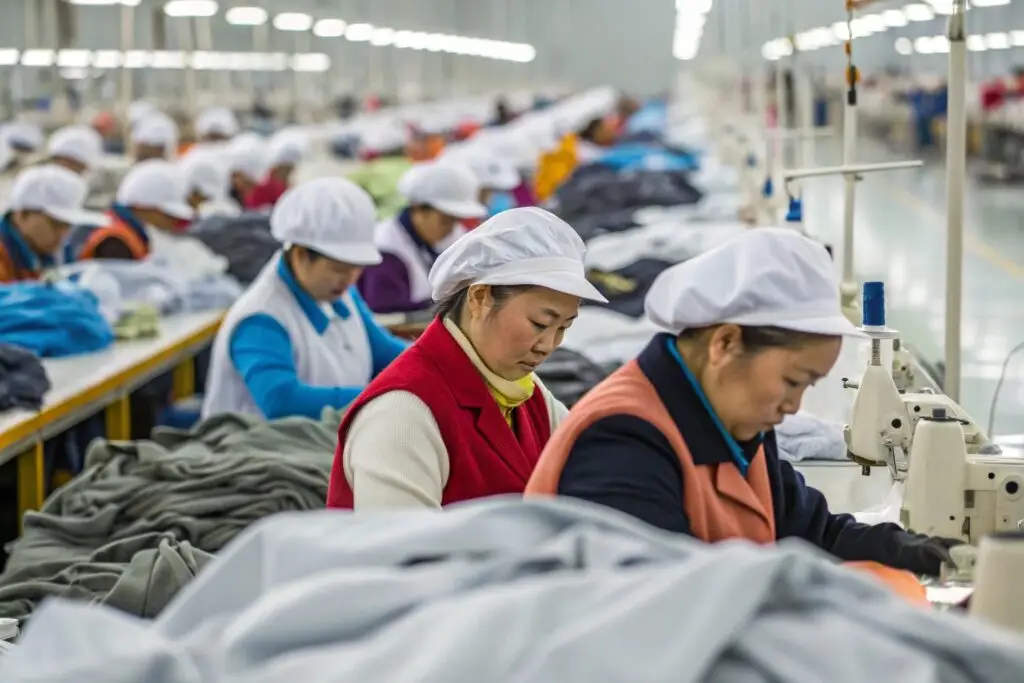
Why does rushed production4 hurt brand image?
Factories get orders with no time for testing or detailing. Labels arrive late. Clients demand 15-day turnarounds. The result? Poor stitching, fit issues, and unhappy end customers.
| Rushed Process | Typical Outcome |
|---|---|
| No fitting samples | Size inconsistencies |
| Poor trimming time | Unfinished edges |
| Fabric shortcuts | Shrinkage after wash |
| Low QC effort | More returns |
At Fumao, we’ve had brands return to us after bad experiences elsewhere. They realized cutting corners up front creates bigger losses later.
Why is there little innovation in factory-level fashion5?
Most suppliers follow templates. They’re afraid to explore new fabric blends, dye techniques, or construction methods. Innovation means risk. Without long-term brand partnerships, factories have no incentive to push boundaries. But innovation is what gives brands their edge.
Why does fashion change quickly today?
We often blame TikTok or Instagram, but the real answer lies deeper—today’s fashion is driven by data, not design.
Fashion changes fast today due to social media trends, real-time consumer feedback, influencer culture, and rapid production technology.
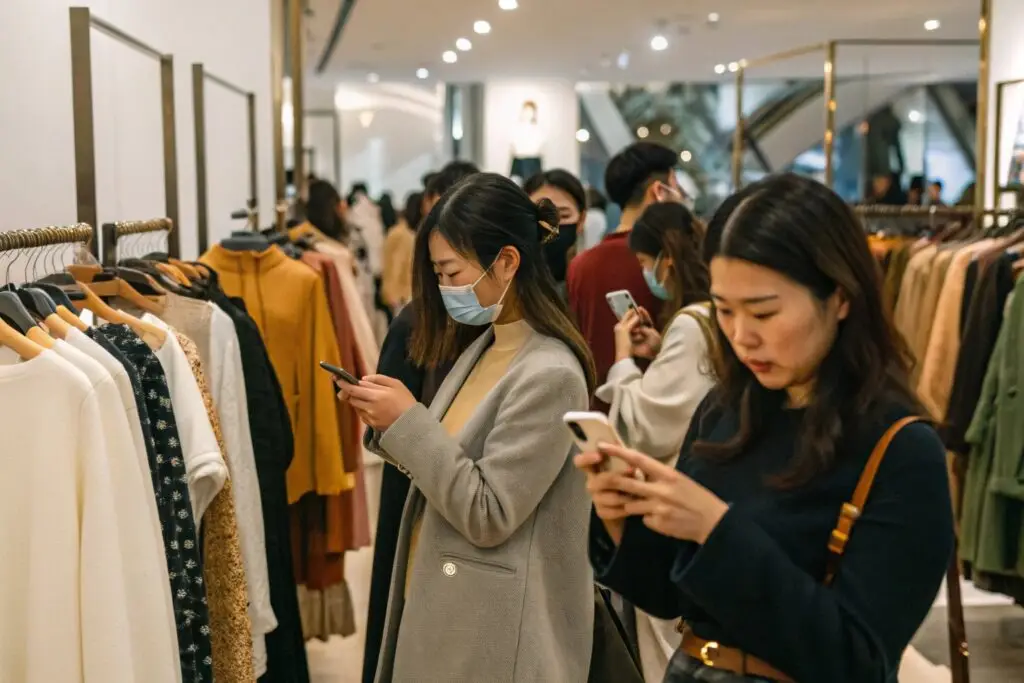
How does data affect fashion cycles?
Once, designers had months to create collections. Now, analytics tools6 tell brands what’s trending this week. They rush to launch new looks before the hype fades. That’s how microtrends7 like “cottagecore” or “clean girl aesthetic” go from Instagram to racks in days.
| Influence | Example |
|---|---|
| Social Platforms | TikTok trends like “Barbiecore” |
| Influencers | One post sparks massive demand |
| Analytics Tools | Track search spikes |
| Fast Supply Chains | Deliver in under 30 days |
But this cycle creates pressure on both brands and factories, leading to burnout and environmental waste.
Does fast fashion8 erase brand identity?
Yes. Brands that only chase trends lose their voice. They become followers instead of leaders. A buyer once told me, “I don’t know what my brand stands for anymore.” That’s dangerous. Brands need a story, not just a trend schedule.
What is the talent shortage in the fashion industry?
You might think fashion is glamorous. But behind the runway, there’s a quiet crisis—there aren’t enough skilled people to make it all happen.
The fashion industry faces a shortage of skilled pattern makers, sewing technicians, material developers, and sustainable sourcing experts.
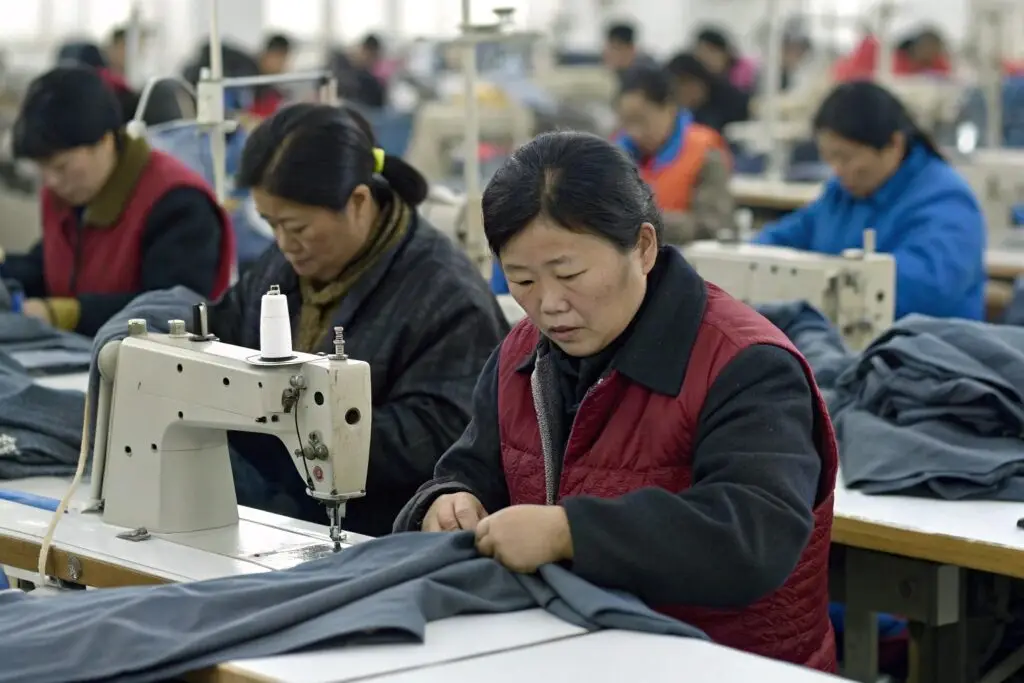
Why are skilled fashion workers9 disappearing?
Many young people prefer tech jobs. Old-school skills like tailoring or pattern grading seem outdated. Fashion schools focus more on styling than manufacturing. That leaves a gap.
| Missing Talent | Industry Consequence |
|---|---|
| Pattern makers | Poor garment fit |
| Sewing specialists | High defect rates |
| Material technicians | Limited fabric options |
| QC & Compliance staff | Failed audits, unhappy buyers |
At Fumao, we’ve started training programs to upskill young workers10. But it’s not enough. The whole industry must make these careers attractive again.
How does the talent gap11 affect in-store experiences?
No good maker = no good product = no good shopping. If a dress fits poorly or a zipper breaks in two wears, customers lose trust. In-store teams struggle to sell flawed goods. Even the best display or campaign won’t save a product built by an undertrained team.
Conclusion
Today’s in-store fashion experience lacks connection because upstream processes lack care. To fix retail, we must rethink how we design, make, and staff the industry behind it.
-
Understanding product education can enhance customer experience and drive sales in fashion stores. Explore this link to learn more. ↩
-
Sales support is crucial for guiding customers and improving their shopping experience. Discover insights on this topic. ↩
-
Building a personal connection can transform the shopping experience, making it more engaging and memorable. Check out this resource for more information. ↩
-
Understanding the impact of rushed production can help brands avoid costly mistakes and maintain a strong image. ↩
-
Exploring this topic reveals the challenges and opportunities for brands to innovate and stand out in a competitive market. ↩
-
Explore this link to discover top analytics tools that can help fashion brands stay ahead of trends and make informed decisions. ↩
-
Understanding microtrends is crucial for brands to adapt quickly; this resource will provide insights into their impact on fashion. ↩
-
This link will shed light on the significant environmental issues caused by fast fashion, an important topic for conscious consumers. ↩
-
Explore this link to understand the challenges and solutions for retaining skilled fashion workers, crucial for industry sustainability. ↩
-
Discover innovative training programs and initiatives that can help bridge the skills gap in fashion, ensuring quality and craftsmanship. ↩
-
Learn about the implications of the talent gap on product quality and customer trust, and what can be done to address it. ↩