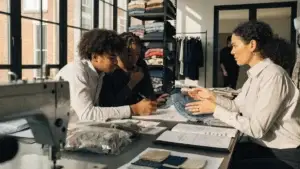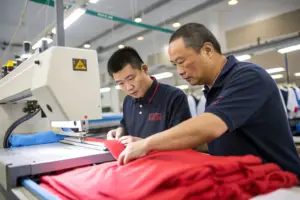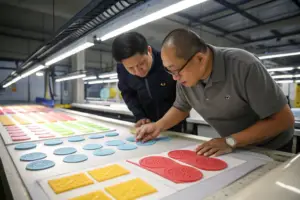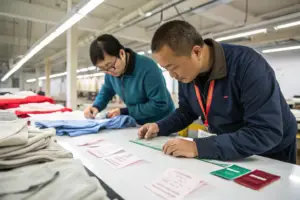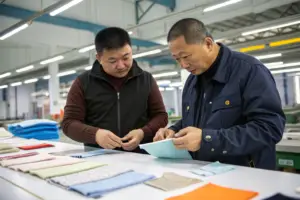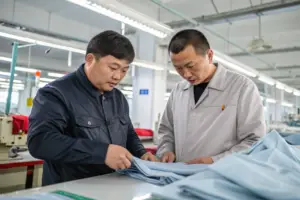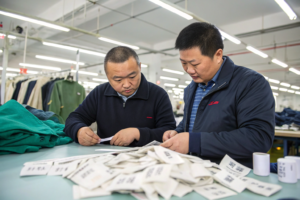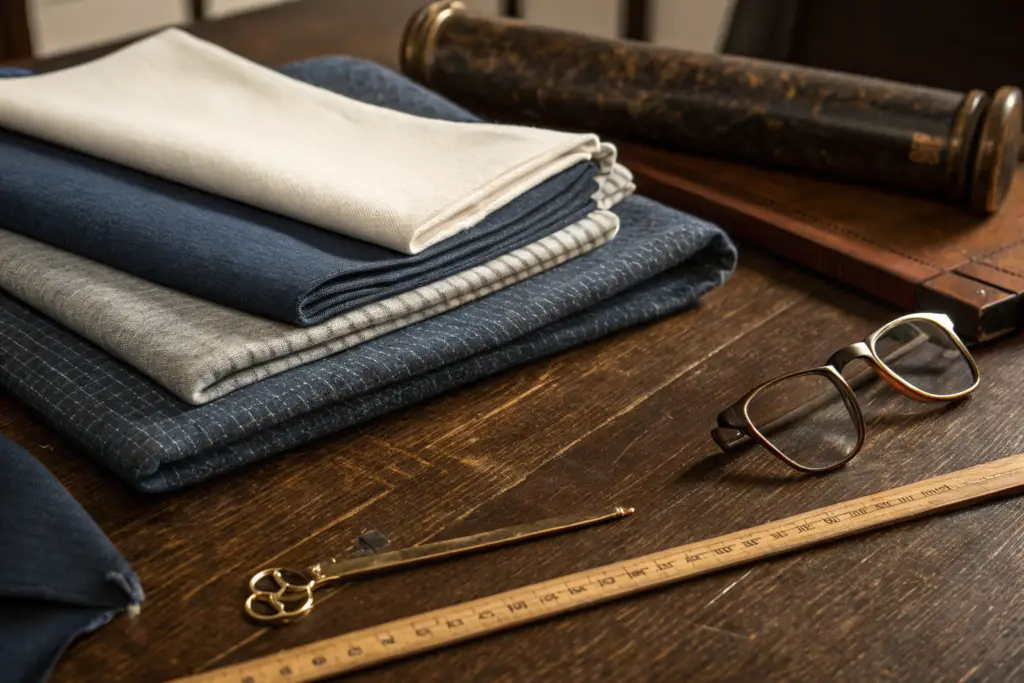
You are a men's wear brand owner. You walk a trade show floor, and every booth is showing the same thing. Basic cotton twill. Standard merino jersey. Generic stretch denim. Your buyers are bored. They are looking for something they have never felt before. A fabric that tells a story. A texture that makes a customer try on a jacket and refuse to take it off. But finding these rare textiles at wholesale quantities, with consistent quality, is almost impossible. Most mills want to sell you their standard running stock. They don't want to develop the unusual, the complex, or the artisanal. That is exactly the gap I built Shanghai Fumao to fill.
We offer rare style men's wear fabrics by combining deep partnerships with specialty mills in Jiangsu and Zhejiang with our own in-house yarn development capability. We create exclusive slub linens, carbon-brushed technical fleeces, and indigo selvedge denims that mass-market wholesalers simply cannot access. For brand owners, these fabrics are a competitive moat. They make your product impossible to find elsewhere and impossible to compare on price alone.
What makes a fabric genuinely "rare"? It is not just a high price tag. It is a combination of an unusual fiber, a complex weave, and a specialized finishing technique that alters the hand feel. It is a textile that looks like it came from a vintage archive but performs like modern technical gear. Let me walk you through the specific rare fabric categories we develop for our men's wear brand partners. These are the materials that create a premium, cult-following brand.
Slub and Textured Linens for the Modern Gentleman
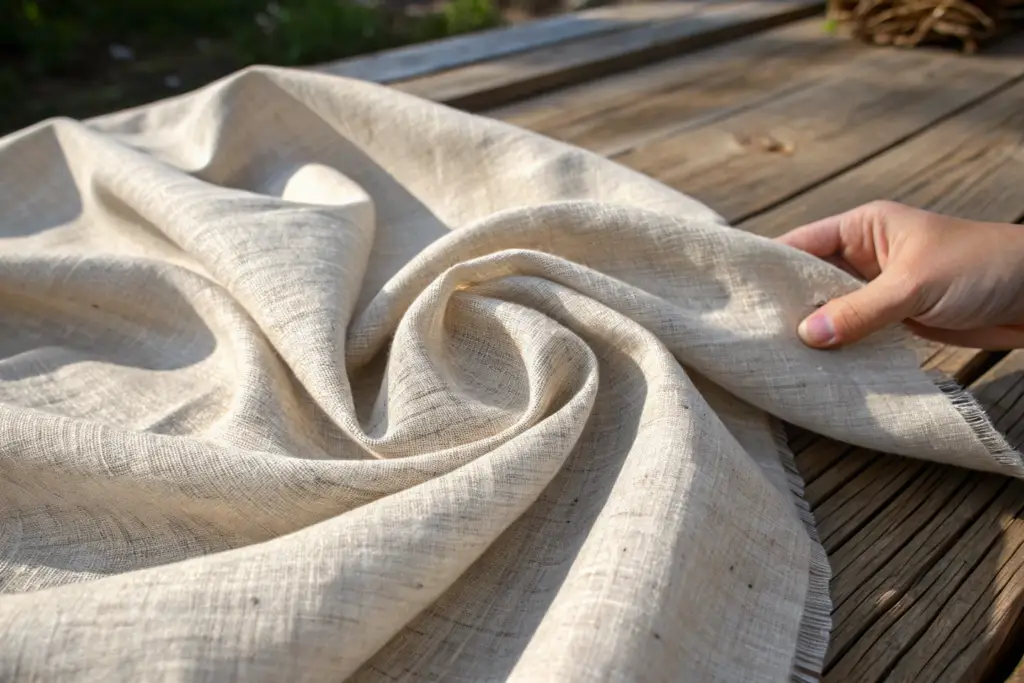
Linen is not a new fabric. But the way most factories treat linen makes it stiff, scratchy, and prone to brutal wrinkling. That is not what a modern gentleman wants. He wants the breathability of linen with the softness of a lived-in shirt. The rarity comes from the slub yarn and the finishing. A slub yarn is intentionally spun with thick and thin sections. It creates a beautiful, irregular texture that catches the light differently. It makes every garment subtly unique.
We source specialty linen blends that include a touch of lyocell or cupro. This adds a silky, cool hand to the natural linen texture. We then apply a bio-enzyme wash that breaks down the stiffness of the flax fibers. The result is a linen shirt that feels like it has been washed a hundred times, but is brand new. This is the fabric that drives full-price sales in premium boutiques.
Why Is a Cupro-Linen Blend Superior to Pure Linen?
Pure linen wrinkles almost instantly. For some, that is a look. For most modern consumers, it just looks messy. Cupro is a regenerated cellulose fiber made from cotton linter, the tiny fibers that are too short to spin into cotton yarn. It breathes like cotton, drapes like silk, and is incredibly soft. When we blend cupro into a linen warp, it transforms the fabric's behavior.
We developed a 70% linen, 30% cupro blend for a San Francisco-based menswear brand last spring. The fabric held its crisp, slubby texture but resisted deep creasing. The drape was fluid, not rigid. The shirts sold at a $225 retail price point and achieved an 85% sell-through rate in the first month. The brand owner told me his customers kept asking, "What is this fabric?" That question is the sound of a rare style working. You can explore more about this fiber's unique properties at the Textile Exchange material library.
What Is a "Garment-Washed" Finish and How Does It Change the Feel?
A fabric is not finished when it leaves the mill. It is finished when the garment is complete. Garment-washing means we sew the shirt first, then wash the finished piece in an industrial machine with enzymes and softeners. This process shrinks the seams, softens the fibers, and gives a subtle, airy rumple to the fabric that cannot be replicated by a bolt wash.
For a Miami resort-wear line, we produced a collection of slub linen camp shirts using a special stone-wash technique with pumice stones. The stones beat the fabric softly, breaking down the fiber surface. The resulting texture was dry, soft, and incredibly tactile. It gave the shirt a vintage soul. You can learn about these industrial garment finishing effects from technical textile resources. This is the difference between a commodity linen shirt and a rare, boutique-quality piece.
Technical and Brushed Knits That Feel Like Cashmere
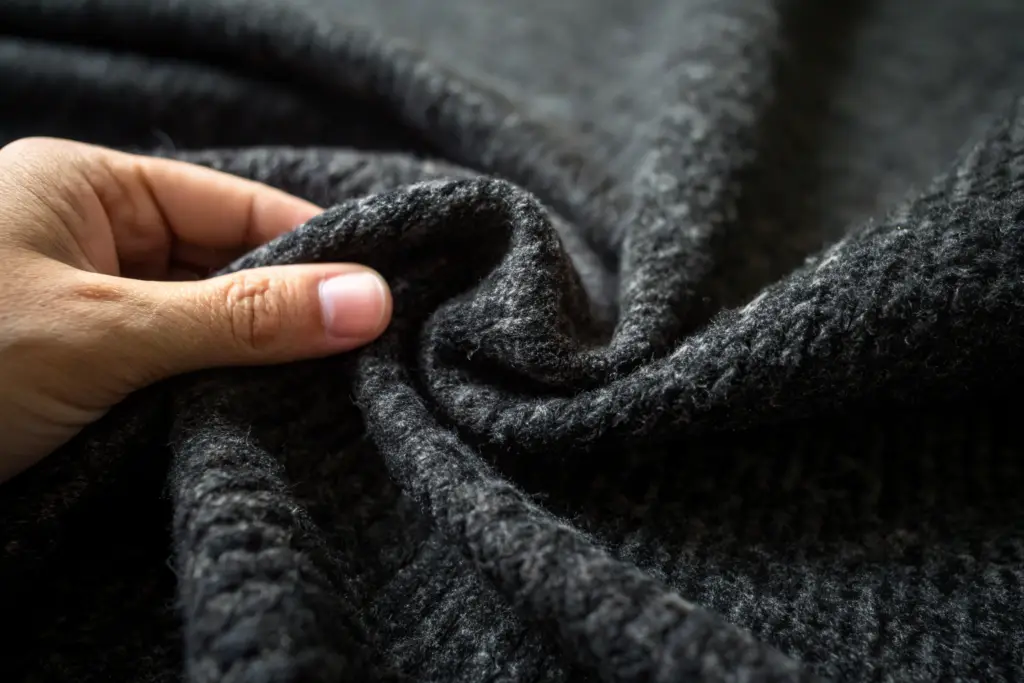
The men's athleisure and comfort-wear market is saturated with basic fleece. It is soft for three washes, then it mats down and feels flat. Rare fabric in this category is about the brushing technique and the base yarn. We use a process called carbon brushing, which uses fine carbon-tipped needles to lift the microfibers from a densely knitted fabric surface. The result is a pile that is incredibly fine, even, and resilient. It feels closer to a luxury velour than a standard sweatshirt fleece.
Our technical brushed knits are a signature product. We use long-staple cotton and micro-modal blends, then apply a precision carbon-brushing finish that raises a 1mm velvety pile. This fabric is visually minimalist but tactilely overwhelming. It allows a simple crewneck or jogger to command a premium price because the hand feel is genuinely addictive.
How Does Carbon Brushing Differ from Normal Fleece Finishing?
Standard fleece is made by brushing the back of a loopback knit with metal bristles. It is aggressive. It can break the yarn, leading to pilling. Carbon brushing uses composite bristles that are tipped with carbon. They are stiffer and finer than standard metal wire. They penetrate the yarn structure with less destructive force, lifting only the very ends of the fibers.
This creates a much denser, finer pile. We ran a controlled comparison in our lab for a New York menswear brand. A standard brushed-back sweatshirt and our carbon-brushed equivalent went through 20 home laundry cycles. The standard fabric lost 40% of its pile height and developed visible pills. The carbon-brushed fabric retained 90% of its pile height and showed no pilling. The brand switched their entire core knit program. This textile finishing technology is how we engineer longevity into luxury comfort.
Can Synthetic Blends Still Feel Premium and Luxurious?
The word "polyester" scares premium brands. But technical polyester is not the shiny, cheap fabric of the 1970s. We use ultra-fine denier polyester and nylon yarns that have a silk-like hand feel. When we blend these with modal or TENCEL™, we get the durability and shape-retention of a synthetic with the moisture-management and softness of a natural cellulosic fiber.
For a performance-focused men's travel wear brand, we developed a brushed interlock fabric that was 60% TENCEL™, 25% micro-modal, and 15% elastane. It had a subtle carbon brush on both sides. It felt like a heavy cashmere but wicked sweat, resisted wrinkles, and stretched four ways. The travel blazer they made from it became a Kickstarter sensation. The technical story of the performance fiber blends was as important as the aesthetics. That is a rare fabric proposition.
Artisanal Selvedge and Japanese-Inspired Indigos
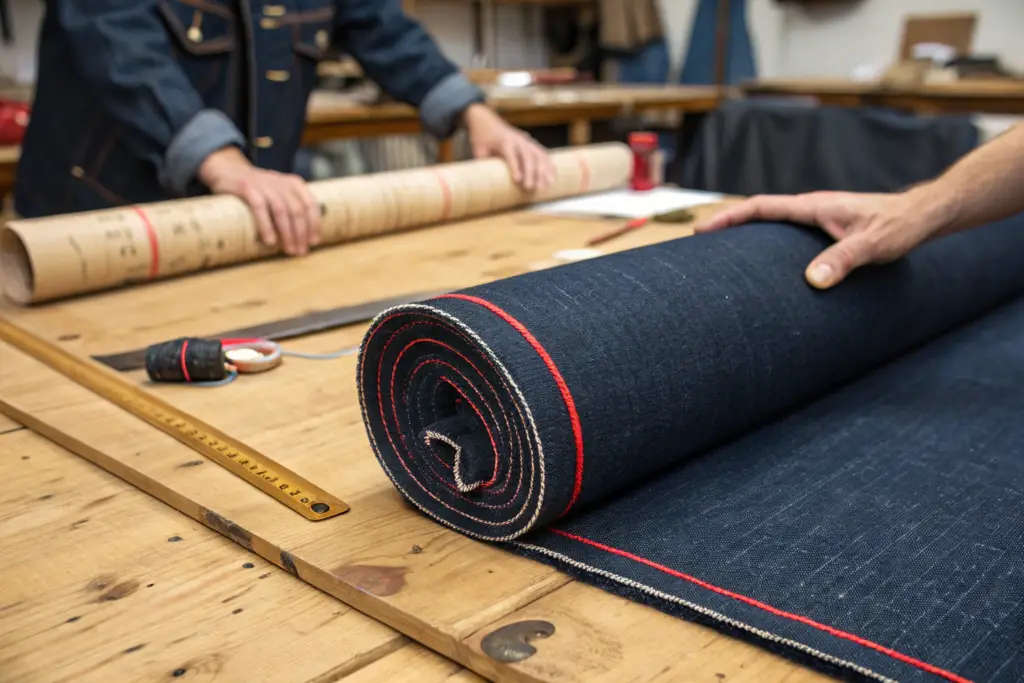
Denim is a religion for many men. The true believers can spot fake selvedge from across the room. They want the real thing: a tightly woven fabric produced on vintage shuttle looms, with that clean, self-finished edge. Real selvedge denim is inherently rare because these old looms are slow. They produce far less fabric per day than modern projectile looms. But the fabric they produce has a compactness and a subtle, irregular surface texture that modern denim cannot match.
We have cultivated partnerships with mills that still operate vintage Toyoda and Sakamoto shuttle looms. Our rare selvedge denim program offers authentic Japanese-inspired ring-spun indigo, woven with a red-line selvedge ID. We also offer natural indigo rope-dyeing for brands seeking the ultimate in artisanal color evolution. This is fabric for the denim purist.
Why Is Shuttle Loom Selvedge Denim More Desirable?
A modern air-jet loom blows the weft yarn across the warp at high speed. The cut edges are raw and need to be overlocked. A shuttle loom carries the weft yarn back and forth in one continuous thread. This creates a closed, finished edge. More importantly, the slower weaving speed creates tiny, beautiful imperfections in the yarn tension. These give the denim a unique surface character.
The tight construction also creates a stronger, denser fabric that molds to the body over years of wear. For a raw denim brand in Portland, Oregon, we produced a limited run of 14oz selvedge denim woven on vintage looms. The fabric was un-sanforized, meaning it was shrink-to-fit. The brand's customers loved the ritual of soaking and wearing in their jeans. The selvedge denim culture relies on this authenticity. We are one of the few wholesale manufacturers that can source and cut this fabric at scale for brand partners.
What Is Natural Indigo Rope Dyeing and Why Is It Rare?
Most denim is dyed with synthetic indigo powder. It is efficient, consistent, and chemically precise. Natural indigo, extracted from the indigofera plant, is a different world. It requires a fermentation vat. The dyeing process is a slow, repeated dipping and oxidation cycle. The color is inconsistent, layered, and alive.
We have a small-batch natural indigo dyeing capability for brands that want the ultimate story. We use a rope-dyeing method, where multiple yarns are twisted into a rope and pulled through the natural indigo vats. A Japanese heritage-inspired brand in Los Angeles ordered 500 meters of this fabric for a capsule collection. Each yard had a slightly different shade depth. The retail price was $450 per pair of jeans. They sold out in three days. This is the power of a genuine, rare dye process.
Conclusion
A rare fabric does more than look good. It gives your brand a story that cannot be copied. It creates a tactile experience that makes a customer loyal on the spot. It moves your product out of the commodity comparison game and into a category of one. Whether it is a slub cupro-linen that redefines warm-weather tailoring, a carbon-brushed knit that feels like cashmere but washes like cotton, or an authentic shuttle-loom selvedge that will fade uniquely for its owner, these textiles are the raw material of a cult brand.
At Shanghai Fumao, we have built our supply chain and our technical finishing capability specifically to develop these rare materials for our brand partners. We don't just send you a swatch book of what every other factory offers. We work with you to engineer a custom fabric that becomes your signature.
If you are ready to explore a rare textile for your next men's wear collection, I invite you to start a conversation with us. Tell us the feel you are chasing. We will send you physical samples from our development archive that get close to that vision.
Contact our Business Director, Elaine, at elaine@fumaoclothing.com. She will arrange a curated fabric pack, selected specifically for your brand's aesthetic direction, and shipped directly to your office. Let's build a fabric that makes your customers stop, touch, and buy.