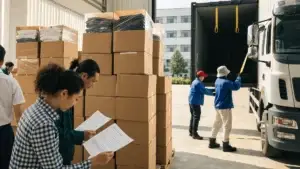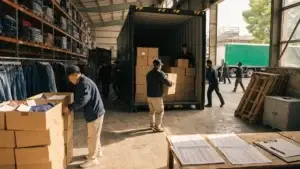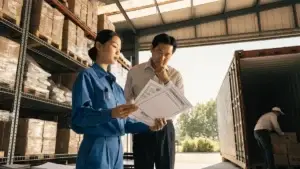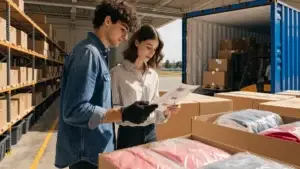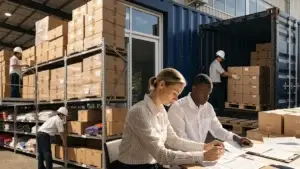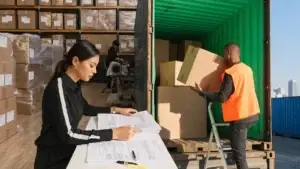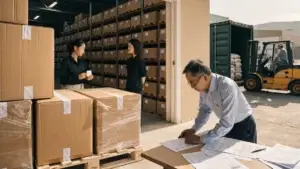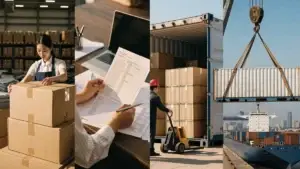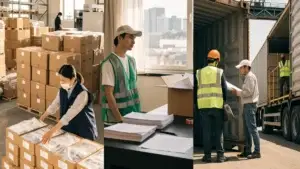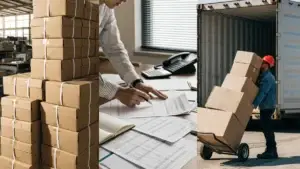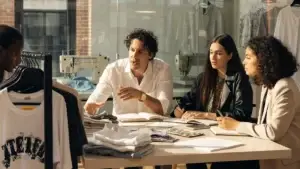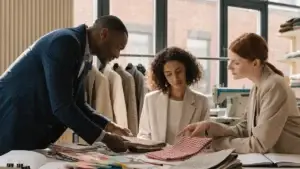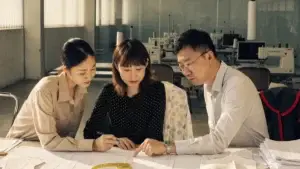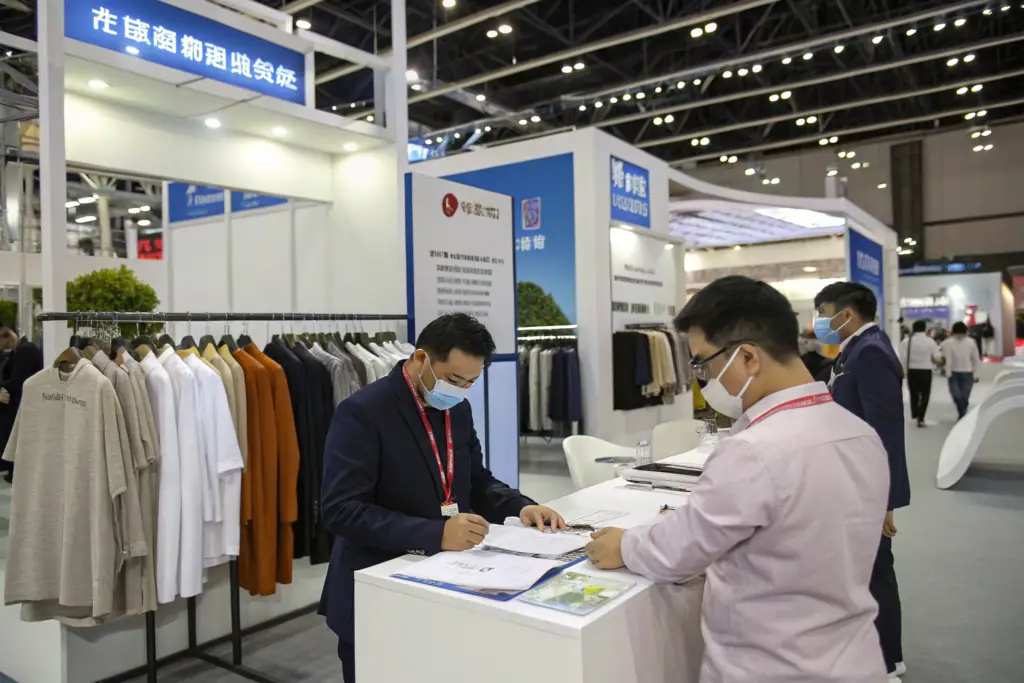
Trade shows used to be simple. You rented a booth. You hung some samples on a rack. You printed a stack of business cards. You smiled at anyone who walked past. You collected a pile of email addresses and spent the next three months following up. That model is dead. The buyers walking the aisles at Magic in Las Vegas, Texworld in Paris, or Première Vision in Milan in 2026 have already done their research. They have visited your website. They have read your LinkedIn posts. They have checked your certifications. They have compared your prices. They are not at the trade show to discover you. They are there to verify you. They are there to touch your fabric, look you in the eye, and ask the hard questions that your website does not answer. The trade show is not a first date. It is a final interview.
A top clothing manufacturer stands out at global trade shows in 2026 by transforming their booth from a product display into a verification experience. They bring not just samples, but live quality data, audit reports, production tracking demonstrations, and compliance documentation that a buyer can inspect in real-time. They staff the booth with technical experts, pattern makers, wash technicians, quality managers, not just salespeople. They use the booth as a laboratory where a buyer can test the factory's capabilities, not just look at them. And they follow up not with a generic email, but with a specific proposal that references the exact conversation, the exact samples, and the exact concerns the buyer raised at the show.
I run Shanghai Fumao. I have exhibited at trade shows in the U.S., Europe, and China. I have learned what works and what is a waste of money. In this article, I will explain how we approach trade shows, what we bring, how we train our team, and how we convert a booth conversation into a long-term client relationship. This is not a theoretical guide. It is our actual trade show playbook.
What Does a Verification-First Booth Look Like in 2026?
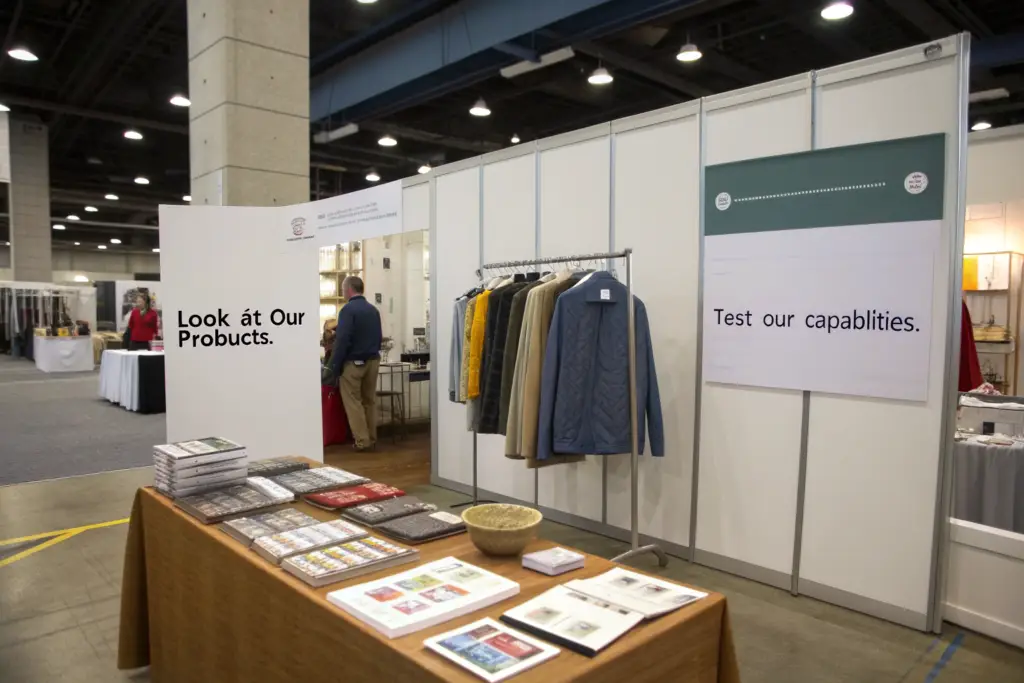
The traditional booth was a gallery. Samples on hangers. Catalogues on a table. A bowl of mints. The message was "look at our products." The modern booth is a laboratory. The message is "test our capabilities." A buyer in 2026 has seen thousands of product photos online. They are not impressed by a rack of denim shorts. They are impressed by evidence that the shorts were made by a factory with systems, standards, and data.
A verification-first booth is designed to answer the buyer's unspoken question: "Are you real, and can you prove it?" Every element of the booth, the samples displayed, the equipment on the tables, the documents in the binders, the people staffing the space, is chosen to provide verifiable evidence of the factory's capabilities. The booth does not just show products. It shows the factory. The buyer should leave the booth feeling like they have toured the production floor, met the quality team, and reviewed the test data.
Let me explain the specific elements that transform a booth from a product gallery into a verification experience.
Why Should You Bring Testing Equipment and Live Data, Not Just Samples?
Samples are necessary but insufficient. Every booth has samples. A buyer can collect twenty denim short samples in an hour. They all look similar. The buyer cannot distinguish a well-made short from a poorly made short by looking at it on a hanger. The differences are in the fabric strength, the color fastness, the zipper durability, the stitch density. These are not visible. They are measurable.
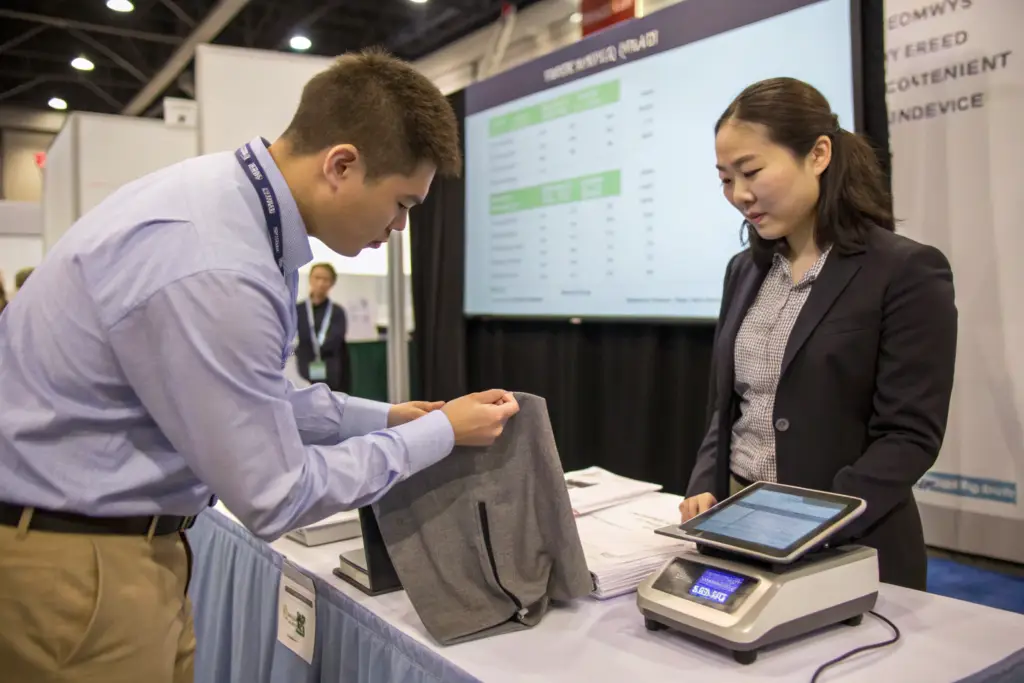
We bring measuring instruments to our booth. A portable spectrophotometer. A fabric weight scale. A seam gauge. A zipper cycle counter. When a buyer picks up a sample and asks "how does this wash hold up after washing?", we do not say "very well." We pull out the spectrophotometer. We show them the Delta E data from the accelerated wash test. We hand them a printout of the crocking test results. The answer is not words. It is numbers.
We also bring a large monitor that displays our live production tracking dashboard. The buyer can see real-time data from our factory floor. They can see the current orders in production, the milestone completion status, the defect rate graphs. This is not a presentation slide. It is a live feed. It proves that the systems we describe in our brochure actually exist and are in use. The immersive trade show booth experiences trend is toward interactivity and demonstration. Buyers want to see the factory in action, even if they cannot visit it in person. Live data brings the factory floor to the trade show floor.
How Do Our Booth Staff Differ from Typical Trade Show Salespeople?
A typical trade show booth is staffed by salespeople. Their skill is conversation. They are friendly, engaging, and persistent. They can answer basic questions about price and lead time. They cannot answer a technical question about enzyme wash concentrations or seam slippage tolerances. When a buyer asks a technical question, the salesperson says "let me get back to you on that." The buyer knows the answer will never come.
We staff our booth with technical experts. Our pattern maker. Our wash technician. Our quality manager. These people are not natural salespeople. They are not slick or polished. They are competent. When a buyer asks a technical question, they answer it immediately, with specificity and data. The buyer asks about the shrinkage rate on our 10.5 oz denim. Our quality manager pulls out the AATCC 135 test report from the binder and walks the buyer through the results. The buyer asks about the minimum line thickness for embroidery on denim. Our pattern maker opens her laptop, shows a digitized embroidery file, and explains the stitch density requirements.
This expertise is disarming. The buyer is used to salespeople who deflect technical questions. They are not used to a factory that puts its technical experts in front of them. It signals confidence. It signals transparency. It signals that the factory has nothing to hide. The trade show booth staffing best practices increasingly emphasize subject matter experts over sales generalists. The buyer's time is limited. They want answers, not small talk. We give them answers.
What Samples and Materials Should You Bring to a 2026 Trade Show?
The sample rack is the backbone of any apparel trade show booth. But the purpose of the samples has changed. In the past, samples were a catalogue. The buyer browsed the rack, picked a style they liked, and asked for a quote. In 2026, samples are a starting point for a customization conversation. The buyer sees a sample and says "I like this fit, but I want it in a lighter wash, with a curved hem, and my logo on the back pocket." The sample is not the product they are buying. It is a reference point for the product they want to create.
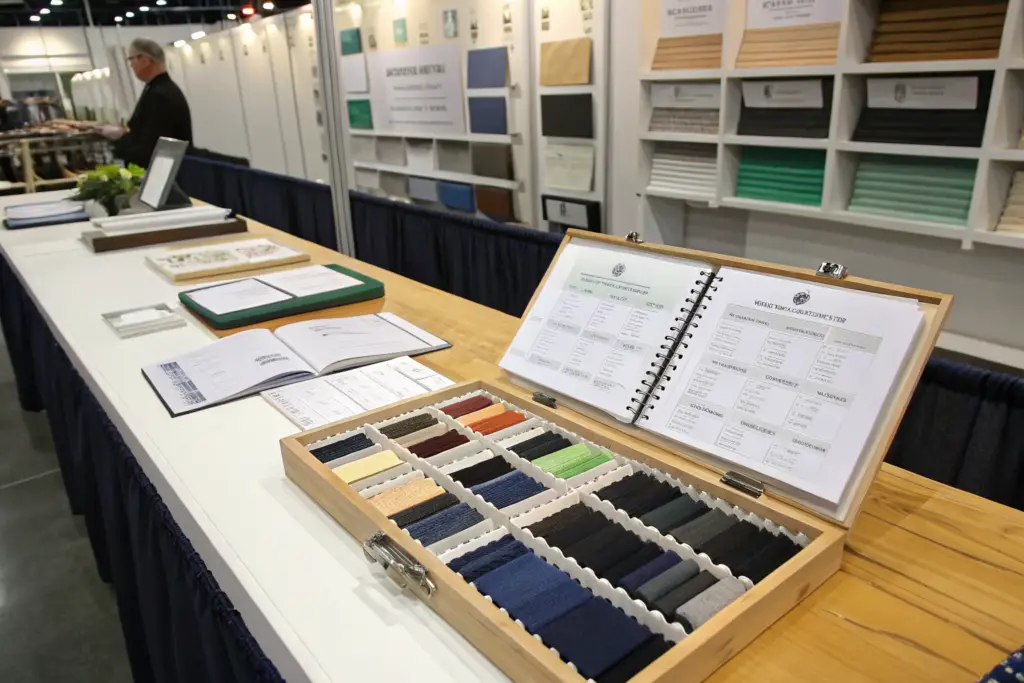
A top manufacturer's booth therefore displays samples that demonstrate range and capability, not a fixed product line. The samples show different fabric qualities, different wash techniques, different fit blocks, different branding methods. The message is "we can make anything in this category, and here are examples of what we have done." The booth also displays material libraries, fabric swatches, wash swatches, hardware samples, branding samples, that invite the buyer to touch, compare, and combine.
Let me explain the specific types of samples and materials we bring and how they facilitate a customization conversation.
How Do We Showcase Customization Capabilities, Not Just Finished Products?
A rack of finished denim shorts is the starting point. But next to that rack, we have a customization demonstration table. On this table, a buyer can see and touch the building blocks of a custom product.
The fabric swatch library. Swatches of our core denim weights, 8 oz, 10.5 oz, 12 oz, in rigid, stretch, and super-stretch compositions. Swatches of alternative fabrics, linen, Tencel, organic cotton twill, hemp blends, that a buyer might want for a women's wear or sustainable line. Each swatch is labeled with the weight, composition, and mill source. The wash swatch library. Swatches showing the progression from dark rinse to vintage fade to light ozone wash. Each swatch has the wash recipe code attached. A buyer can point to a fabric swatch and a wash swatch and say "this fabric, that wash, on that fit." The combination is unique to them. The hardware library. A tray of buttons, rivets, zipper pullers, and snaps in different finishes, brass, nickel-free silver, gunmetal, custom engraving options. The branding library. Samples of leather patches with debossing and foil stamping, woven labels, embroidered logos, screen-printed inside labels, heat-transfer neck labels. A buyer can see and touch the different ways their logo can appear on the garment.
This approach transforms the conversation from "do you have a short I like?" to "let's design a short together." The custom product display at trade shows strategy shifts the buyer's perception of the factory from a product seller to a manufacturing partner.
Why Are Technical Spec Sheets and Audit Reports Part of Our Display?
The samples show the what. The technical spec sheets and audit reports show the how. A buyer who is serious about quality will ask to see the documentation. Having it immediately available, in physical form, signals that we are prepared and transparent.
We bring a documentation binder organized by category. Quality documentation includes sample inspection reports, AQL inspection procedures, our in-line audit checklist, our fabric testing standards with ASTM and AATCC reference numbers. Compliance documentation includes our BSCI audit report with the full findings and corrective action plan, our OEKO-TEX certificate with the verifiable certificate number, our GOTS scope certificate, our ZDHC wastewater test reports. Production documentation includes our production milestone tracking template, our DDP shipping timeline, our capacity calendar for the upcoming season. Technical documentation includes our spec sheet template, our wash recipe development process, our embroidery digitizing guidelines, our Pantone color matching procedure.
A buyer who asks to see the BSCI audit report can hold it in their hands within 30 seconds. They can flip through it. They can see the auditor's name, the date, the findings. They know immediately that our compliance claims are real. A buyer who asks about our fabric testing standards can see the ASTM D5034 tensile strength test procedure printed in the binder. This level of documented evidence is rare. It distinguishes a top manufacturer from a factory that makes verbal claims but cannot back them up. The trade show documentation display best practice is to make evidence easily accessible. Do not bury it in a PDF on a laptop. Print it. Put it in binders. Let the buyer touch it.
How Do You Train Your Team to Convert Booth Conversations into Partnerships?
The booth is the stage. The team is the performance. A beautifully designed booth staffed by people who cannot answer questions or build rapport is a waste of money. The goal of every booth conversation is not to close a sale. It is to begin a relationship. The sale happens months later, after sampling, after negotiations, after the buyer has gone home and compared us to three other factories. The booth conversation is the seed. The follow-up is the water and sunlight.
Our team is trained to listen more than they talk. To ask questions about the buyer's brand, their customer, their pain points, before they talk about our capabilities. To qualify the buyer honestly, even if that means telling them we are not the right fit. To capture detailed notes immediately after the conversation, not rely on memory. And to follow up within 48 hours with a personalized message that references the specific conversation, the specific samples, and the specific next step.
Let me explain the specific training and follow-up processes we use to maximize the return on our trade show investment.
What Questions Do We Train Our Team to Ask Every Booth Visitor?
A bad booth conversation starts with "How can I help you?" The buyer says "just looking." The conversation dies. A good booth conversation starts with an observation or a question that engages the buyer's specific interests.
We train our team to observe the buyer before engaging. What are they looking at? What samples are they touching? What is their badge telling us? Company name, country, job title. The opening question is specific to the observation. "I see you are looking at our vintage washes. Are you finding the right level of distressing for your market?" Or "I noticed you spent some time with our organic cotton swatches. Is sustainability a focus for your brand?"
After the initial engagement, the team member asks qualifying questions. What type of brand do you represent? DTC, wholesale, private label? What is your target customer and price point? What product categories are you sourcing? What is your typical order volume? Have you manufactured in China before, and if so, what was your experience? What are your biggest pain points with your current suppliers? What would an ideal manufacturing partner look like for you?
These questions serve two purposes. They qualify the buyer, so we do not waste time on someone who is not a fit. And they signal that we are interested in their business, not just in selling them shorts. The buyer feels heard. The trade show lead qualification questions are designed to identify the buyer's needs and determine if our factory is a good match. A good match is more valuable than a high volume of unqualified leads.
What Is Our 48-Hour Follow-Up Process After the Show?
The follow-up is where most factories fail. They collect business cards. They send a generic "nice to meet you" email two weeks later. The buyer does not remember them. The email goes to spam. The lead is lost.
Our follow-up process begins at the booth. Immediately after the conversation, the team member writes notes on the back of the buyer's business card, or in a CRM app on their phone. The notes include what products the buyer was interested in, what specific questions they asked, what samples they took, what pain points they mentioned, and what follow-up was promised. The notes are detailed and specific.
Within 48 hours of the show closing, the buyer receives a personalized email from the team member they spoke with. The email is not a template. It references the specific conversation. "It was great meeting you at Magic. I remember you mentioned that your current supplier is struggling with wash consistency on your vintage indigo shorts. We spent some time looking at our wash swatches together. I am attaching the wash recipe development process we discussed, along with the Delta E data from our last production lot of that specific wash. I would love to send you a physical sample of that wash on our 10.5 oz denim so you can evaluate the consistency yourself. Let me know if that would be helpful."
The email does three things. It proves we listened. It provides value immediately, the data, the process document. It proposes a concrete next step, sending a sample. The buyer does not need to figure out what to do next. We have made it easy for them. The trade show lead follow-up best practices emphasize speed, personalization, and a clear call to action. Our process delivers all three.
Conclusion
A top clothing manufacturer stands out at global trade shows in 2026 by flipping the traditional model. The booth is not a gallery. It is a laboratory. The staff are not salespeople. They are technical experts. The samples are not a fixed product line. They are building blocks for a customization conversation. The documentation is not hidden in a PDF. It is printed, accessible, and verifiable on the spot. The follow-up is not a generic email blast. It is a personalized, value-added message sent within 48 hours.
This approach works because it aligns with how buyers buy in 2026. They are informed. They are skeptical. They are short on time. They want evidence, not promises. They want expertise, not small talk. They want a partner, not a vendor. The verification-first booth, the technical staff, the customization library, the documentation binders, the rapid personalized follow-up, all communicate the same message. We are a serious factory. We have nothing to hide. We are ready to earn your business.
We will be exhibiting at several trade shows in the coming season. If you plan to attend, I invite you to visit our booth. Come touch our fabrics. Test our wash swatches under our D65 lightbox. Ask our pattern maker a technical question. Flip through our BSCI audit report. Experience the verification-first approach for yourself. Contact our Business Director, Elaine, to find out which shows we will be attending and to schedule a specific meeting time. Her email is elaine@fumaoclothing.com. At Shanghai Fumao, we do not just exhibit at trade shows. We use them to prove that we are who we say we are. One buyer. One conversation. One piece of evidence at a time.