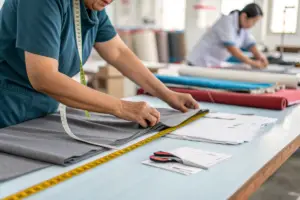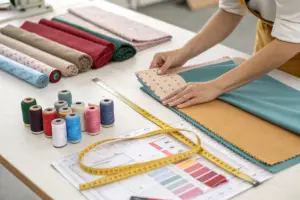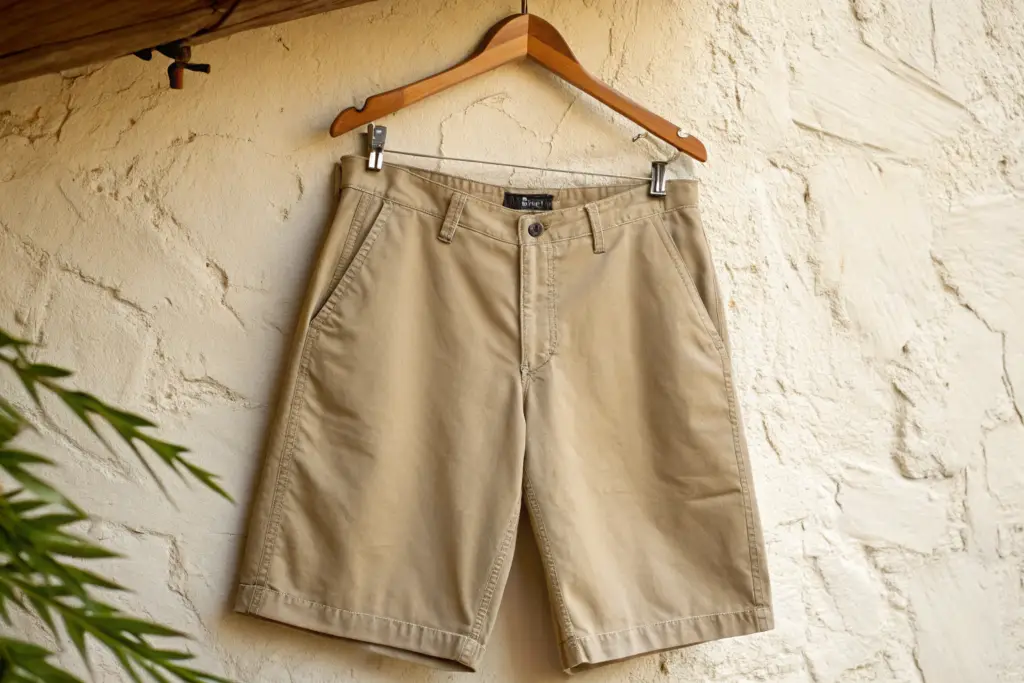
You stand in a fitting room. You try on a pair of shorts. They feel wrong. The fabric scratches. The pockets bulge. The hem flips up. You take them off and put them back on the hanger. You have done this a hundred times. You search for the one pair. The pair that feels like it was made for you. The pair that lasts more than one summer. The pair that looks good with everything. The pair that disappears from your mind when you wear it. You know this pair exists. You owned one ten years ago. It wore out. You have been chasing it ever since. Why is finding a truly classic short so difficult? Why do so many brands fail to make one?
A pair of shorts becomes truly classic and timeless when it satisfies five specific criteria: a universally flattering silhouette that follows the body without squeezing or billowing, a high-quality natural or natural-blend fabric that breathes and ages beautifully, restrained and functional design details that prioritize utility over decoration, a balanced proportion that sits at the natural waist and hits the correct point on the leg, and manufacturing precision that ensures the garment holds its shape through years of washing and wearing. A classic short is not a trend. It is an engineered solution to a permanent human need: to be cool, comfortable, and presentable in warm weather.
At Shanghai Fumao, I have spent years reverse-engineering what makes a short endure. I have analyzed the best-selling SKUs that brands reorder year after year. I have studied the garments that customers buy in three colors. I have examined the shorts that earn five-star reviews and zero returns. The answer is not mysterious. It is a recipe of specific, measurable attributes. This article is that recipe. It breaks down the five pillars of a timeless short. Use these pillars to evaluate any sample. Use them to brief any supplier. Use them to build a product that your customers will love for a decade.
What Defines a Universally Flattering Silhouette for Classic Shorts?
The silhouette is the shape the short makes on the body. It is the first thing the eye sees. It is the first thing the wearer feels. A classic silhouette is not skinny. It is not baggy. It is not high-waisted in an extreme way. It is not low-rise. It sits in the middle. It follows the natural lines of the human form. It allows the body to move without restriction. It looks intentional without looking like it tried too hard.
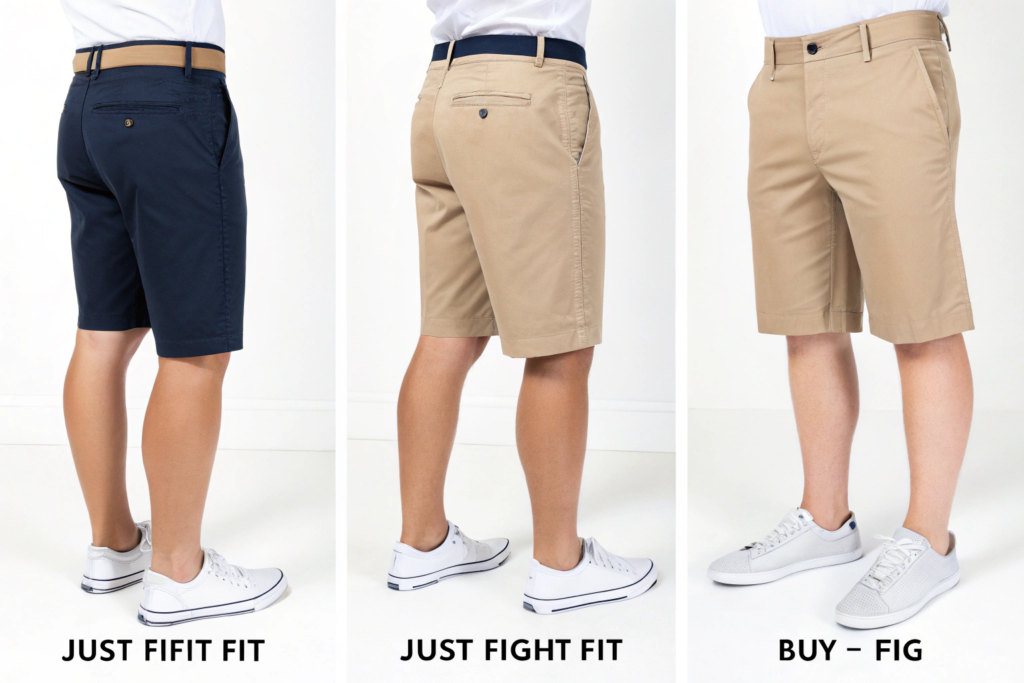
I recall a fitting session with a brand owner and a fit model. We had three versions of the same chino short on the rack. Version A was a slim fit. The leg opening was 20 inches. The thigh was snug. Version B was a straight fit. The leg opening was 22 inches. The thigh had 2 inches of ease. Version C was a relaxed fit. The leg opening was 24 inches. The fit model, a size 32 man, put on all three. He walked. He sat. He stood. He looked in the mirror. The entire room agreed. Version B, the straight fit, looked the best on him. Version A made him look like he was wearing his younger brother's shorts. Version C made him look like he had borrowed his father's shorts. Version B looked like his shorts. They belonged to him. That is the test of a classic silhouette. The garment should look like it belongs to the wearer, not like a costume.
The classic silhouette is an exercise in proportion and ease. It requires a specific set of measurements that work across a wide range of body types. It is not the most fashion-forward fit. It is the most democratic fit. Let's break down the key measurement points.
Why Is the Front Rise Measurement Critical to Timeless Fit?
The front rise is the distance from the crotch seam to the top of the waistband. It determines where the short sits on the torso. A low front rise, 9 inches or less for a size 32, sits on the hip. It is trendy. It is uncomfortable when sitting. It exposes the midsection. A high front rise, 12 inches or more, sits at the belly button or above. It can look like a vintage trouser. It can be flattering, but it is a specific look.
The classic front rise for a men's short is 10.5 to 11 inches for a size 32 waist. This sits just below the natural waist. It covers the seat when sitting. It allows for a comfortable tuck. For women, a classic front rise is 11 to 12 inches for a size medium. This also sits at the natural waist and provides coverage and comfort. This medium rise has been the standard for decades. It flatters most body types. It does not go out of style because it follows human anatomy, not fashion whims. The front rise measurement guide is a document every designer should have open when developing a classic short. The rise dictates the entire personality of the garment.
How Does Leg Opening Width Determine the Short's Longevity?
The leg opening is the circumference of the hem. It determines the visual weight of the short. A narrow leg opening, 19 to 20 inches on a size 32, creates a tapered, more fitted look. This look cycles in and out of fashion. It can look dated quickly. A wide leg opening, 24 inches or more, creates a full, retro silhouette. This is also cyclical.
The classic leg opening for a men's straight-fit short is 21 to 22 inches on a size 32 waist. This width creates a straight line from the hip to the hem. It does not taper in. It does not flare out. It hangs cleanly. For a women's short, a classic leg opening is 22 to 24 inches on a size medium. This allows the leg of the short to skim the thigh without gripping it. This width has persisted because it works with the proportions of the human leg. It does not constrict. It does not overwhelm. It allows air to circulate. It photographs well. It is the classic shorts leg opening standard. A short with this leg opening, combined with a medium rise, will look acceptable for years, not months.
Why Is Fabric Selection the Soul of a Timeless Garment?
Fabric is not just the material of the short. It is the experience of the short. The customer touches the fabric before they try on the garment. The hand feel is the first quality signal. A classic short must use a fabric that feels substantial, breathable, and natural. Synthetics can perform, but they rarely feel timeless. A 100% polyester short feels of a specific era. A 100% cotton twill short feels of no era. It feels permanent.
I remember a brand owner who tried to launch a "classic" chino short in a technical polyester-cotton blend. The fabric had a high polyester content. It had a slight sheen. It made a swishing sound when the wearer walked. The shorts did not sell. The customer picked them up, felt the synthetic hand, and put them back. The brand owner returned the next season with a 100% cotton garment-dyed twill. The sell-through was immediate. The customer felt the difference. The lesson was clear. A classic garment requires a classic fabric. The fabric must have a natural origin. It must age gracefully. It must not announce its material composition with noise or shine.
The fabric choice is a complex decision involving fiber, weave, weight, and finish. Each variable affects the look, the feel, and the longevity of the short. Let's examine the two most important fabric families for classic shorts.
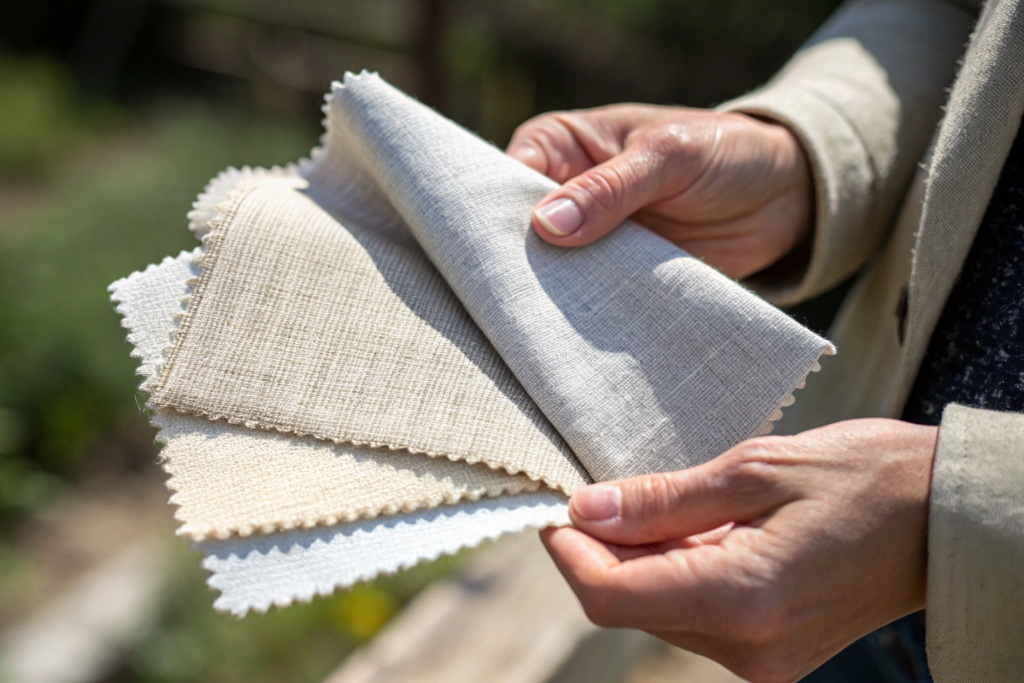
Why Is 100% Cotton Twill the Gold Standard for Classic Shorts?
Cotton twill is the gold standard because it checks every box. Cotton is a natural, breathable fiber. It absorbs moisture and releases it. It feels soft against the skin. The twill weave is a diagonal structure. It creates a dense, durable face with a smooth back. The diagonal rib gives the fabric a subtle visual texture. It catches the light in a pleasing way.
The weight of the twill is critical. A classic short uses a 260 to 300 GSM cotton twill. This weight has body. It hangs straight. It resists wrinkling. It is not transparent. It wears like iron. A lighter 200 GSM twill feels flimsy. A heavier 350 GSM twill feels like a winter pant. The 260-300 range is the sweet spot for summer weight and durability. The finish of the twill also matters. A garment-dyed twill has been dyed after the short was sewn. This process gives the fabric an incredibly soft, broken-in hand. It also creates a subtle color variation at the seams. This looks instantly classic. A piece-dyed twill, where the fabric is dyed before cutting, is crisper and more uniform. Both are acceptable. The cotton twill fabric specifications for a classic short should be detailed in the tech pack. A classic short cannot be made from a mystery fabric.
How Does a Linen-Cotton Blend Create an Enduring Warm-Weather Texture?
Linen is the oldest textile fiber. It has been used for thousands of years. A pure linen short is beautiful but has drawbacks. It wrinkles deeply. It can feel rough at first. A linen-cotton blend captures the texture and breathability of linen while adding the softness and stability of cotton. A ratio of 55% linen and 45% cotton is a classic blend.
This blend creates a fabric with a slubby, organic texture. It has a matte finish. It breathes exceptionally well. The cotton in the blend helps the fabric hold its shape and reduces the sharp creasing of pure linen. A classic linen-blend short is often found in relaxed, vacation-oriented styles. It ages beautifully. The linen softens with every wash. The color fades slightly in a pleasing way. The fabric tells a story of summers past. This is the hallmark of a timeless material. It does not fight time. It collaborates with time. The linen-cotton blend benefits include durability, breathability, and a unique aesthetic that synthetic fibers cannot replicate. A customer who buys a linen-blend short is buying a garment that will look better in three years than it does on day one.
What Design Details Separate a Classic Short from a Passing Trend?
Design details are the vocabulary of a garment. A classic short speaks a restrained, functional language. It does not shout. It does not use excessive decoration. Every detail serves a purpose. The pockets are where the hands naturally fall. The zipper is strong and smooth. The button is simple and secure. There are no superfluous straps, no unnecessary zips, no random patches. The design is quiet. The quality of the execution is loud.
I once reviewed a sample from a brand that wanted to "update" the classic chino short. They added a zippered cargo pocket on the thigh. They added a contrast drawstring at the waist. They added a reflective logo on the back. The short looked like a piece of equipment. It was not a classic short. It was a confused garment trying to be three things at once. The brand struggled to sell it. The customer who wanted a classic chino short looked at it and saw a hiking short. The customer who wanted a hiking short looked at it and saw a chino fabric. The design language was muddled. A classic short has design integrity. Every element is intentional and consistent with the garment's identity.
The design of a classic short is an exercise in subtraction. You remove everything that is not essential. What remains is the pure, functional form. Let's look at two specific design elements that signal classic intent.
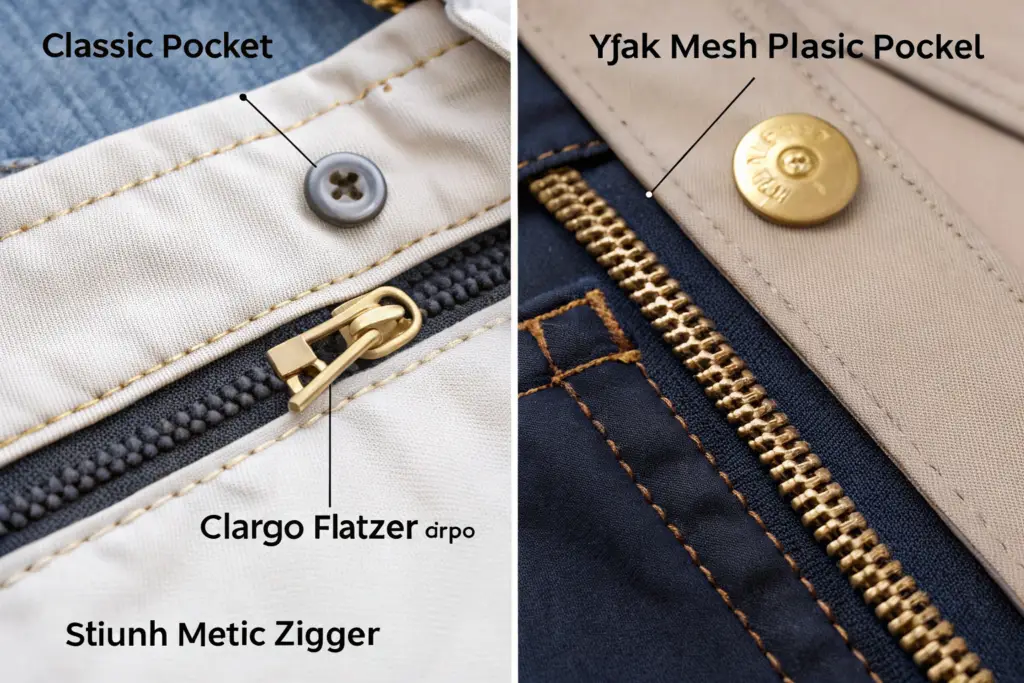
Why Are Slash Pockets and Welt Pockets Preferred for a Timeless Look?
Pocket styles define the formality of a short. A slash pocket is cut into the side seam at an angle. It is sleek. It lies flat. It is the standard pocket for a chino or tailored short. A welt pocket is a finished slit, often with a button, on the back. It is the most formal pocket style. These two pocket types create a clean, uncluttered surface.
A patch pocket, sewn onto the outside, is more casual. It is found on jeans and work shorts. A cargo pocket, with a flap and bellows, is purely utilitarian. The classic short uses slash and welt pockets. This combination has been the standard for tailored casual trousers for nearly a century. It is not a trend. It is a type. The pockets function perfectly. They hold a phone, a wallet, and keys. They do not add visual bulk. They do not draw the eye. They serve and then disappear. This is the essence of good design. The classic short pocket styles guide explains the hierarchy of formality. A timeless short sits at the refined casual level.
How Does the Choice of Zipper and Button Impact Longevity and Perception?
The zipper and button are small parts. They have an outsized impact. The customer interacts with them every single time they wear the shorts. A zipper that sticks or a button that falls off destroys trust. The brand is judged as cheap.
A classic short uses a YKK zipper. YKK is not the only zipper manufacturer, but it is the gold standard. A YKK zipper operates smoothly. It does not jam. It does not rust. The metal teeth are precisely formed. The slider is robust. The button should be a natural material or a high-quality metal. A corozo nut button, carved from a tagua palm nut, is a classic choice. It has a subtle grain. It is durable. It does not crack. A metal shank button with a smooth back edge is also acceptable. The button should not have an aggressive, oversized brand logo. A small, subtle embossing is acceptable. The logo on the button should be an easter egg, not a billboard. The YKK zipper quality standards are a known quantity in the industry. Specifying a YKK zipper in the tech pack is a signal to the factory that quality trims are non-negotiable.
What Proportion and Inseam Balance Defines a Classic Length?
Proportion is the relationship between the garment and the body. A classic short finds a length that balances the torso and the legs. It does not cut the leg at an awkward point. It does not make the wearer look shorter or wider. The classic inseam lengths have been stable for decades because they are based on human proportion, not fashion. A radical change in inseam is usually a trend. The micro-short of the 1970s. The long baggy short of the 1990s. The skinny short of the 2010s. The classics sit in the middle of these extremes.
I analyzed our sales data across five years. Our 7-inch men's inseam and our 4-inch women's inseam had the lowest return rates. They had the highest repeat purchase rates. Customers who bought these lengths came back and bought more colors. They did not buy the 5-inch men's short and then complain it was too short. They did not buy the 9-inch men's short and then complain it was too long. The data told a clear story. The classic lengths are classic for a reason. They work on the most people.
The inseam is not an isolated measurement. It interacts with the rise and the leg opening to create an overall proportion. The classic short manages these three measurements in harmony. Let's look at the gold standard lengths.
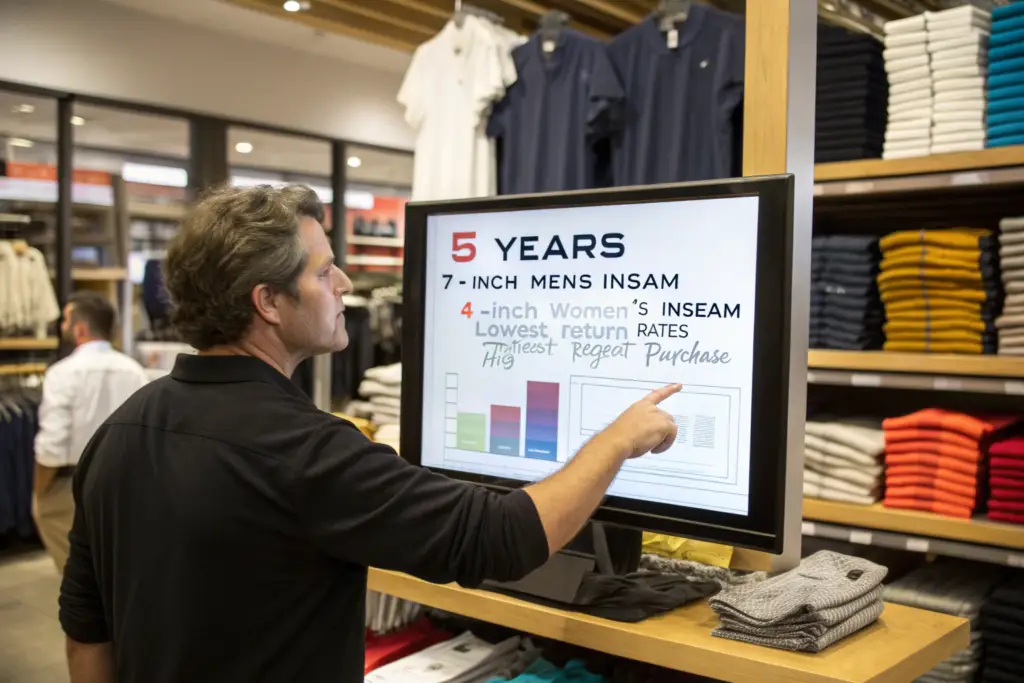
Is the 7-Inch Inseam the Settled Classic for Men?
The 7-inch inseam is the current classic standard for men. It exposes about two-thirds of the thigh. It hits 2 to 3 inches above the kneecap on a man of average height. This length visually elongates the leg. It pairs well with low-profile shoes. It looks intentional and modern without being extreme.
This length has become the consensus choice of menswear publications, stylists, and data-driven brands. It is not too short for a 45-year-old. It is not too long for a 25-year-old. It is the democratic length. The men's classic shorts inseam guide repeatedly settles on the 7-inch mark. A 9-inch inseam is the conservative classic. It is still widely worn and sold. It hits just above the knee. It is preferred in more traditional regions and for more formal casual looks. A brand should offer both. The 7-inch is the fashion-forward classic. The 9-inch is the traditional classic. Both are timeless.
Why Is a 4 to 5-Inch Inseam the Enduring Choice for Women?
For women, the classic inseam is shorter, typically 4 to 5 inches. This length hits at the mid-thigh. It shows enough leg to be undeniably a summer garment. It provides enough coverage to be comfortable and appropriate for most casual settings.
This length works with the proportions of the female leg. It balances the hip. It avoids the "chopped" look of a longer Bermuda short on some body types. It is the standard length for a chino short, a linen short, or a tailored city short for women. The women's shorts inseam length guide consistently recommends this range for a classic, versatile short. A 3-inch inseam is a short short. It is a specific style choice. A 7-inch Bermuda is a longer, more modest choice. The 4-5 inch range is the center. It is the starting point for a classic women's shorts program.
How Does Manufacturing Precision Lock In the Timeless Quality?
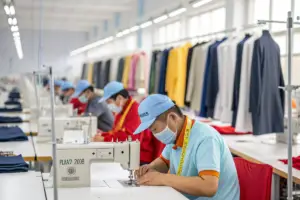
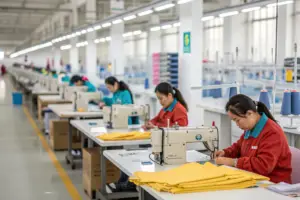
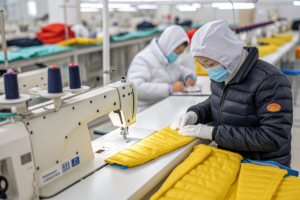
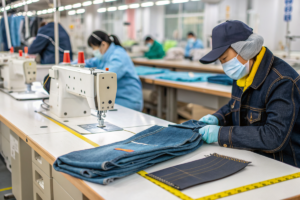
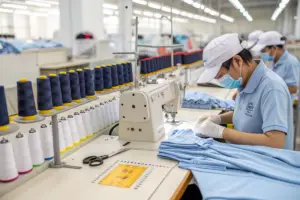
The design can be perfect on paper. The fabric can be the finest cotton twill. But if the sewing is sloppy, the short will fail. A timeless garment is a well-made garment. The seams are straight. The stitches are even. The stress points are reinforced. The garment survives the laundry. It survives the wear and tear of real life. Manufacturing precision is the invisible quality that the customer feels but cannot name.
I have seen two identical patterns made into two completely different shorts by two different factories. One factory used a stitch density of 8 stitches per inch. The other used 12. One factory used a single-needle lockstitch on the back rise. The other used a safety stitch. One factory pressed the hem before sewing. The other did not. The first batch of shorts looked fine on day one. It fell apart after ten washes. The second batch looked sharp on day one. It looked sharp after fifty washes. The difference was manufacturing precision. The difference was invisible in a product photo. It was painfully visible in a customer's laundry basket.
Manufacturing precision is a culture. It is a set of standards enforced at every station. A buyer cannot inspect this into a product. It must be built into the factory's process. Let's look at the two most critical aspects of construction.
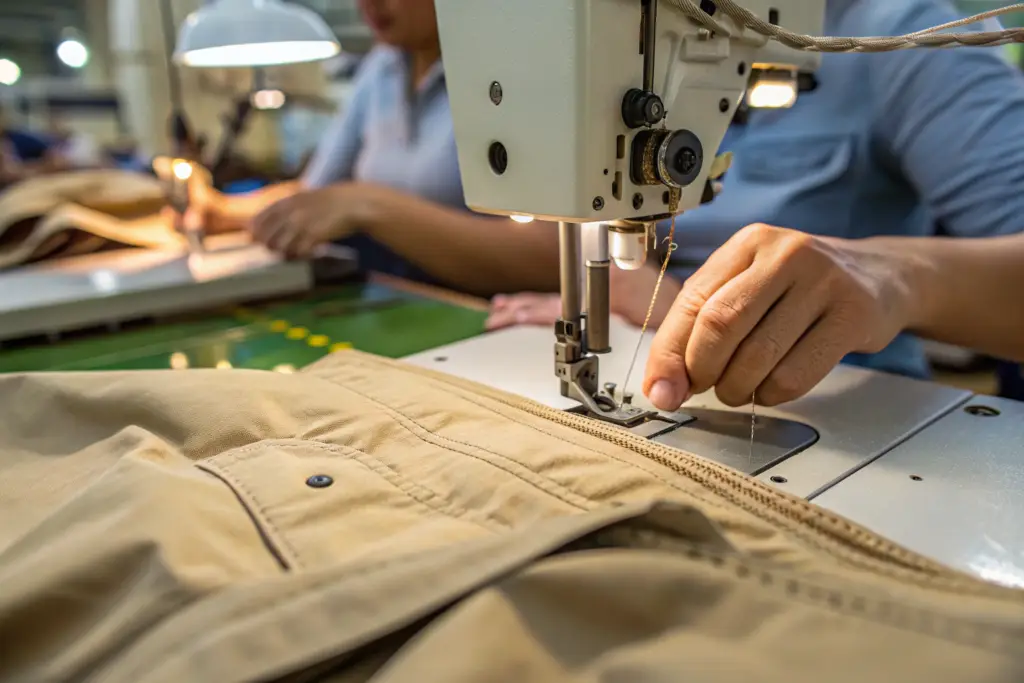
What Stitch Type and Density Guarantee a Short That Lasts Years?
The stitch type determines the seam's strength. A 301 lockstitch is a straight stitch. It is strong. It is used for most seams. But it has no stretch. A 401 chainstitch has a looped structure. It has inherent stretch. It is used on seams that need to move with the body. A 516 safety stitch combines a 401 chainstitch and a 504 overlock. It is the strongest construction for a stress point.
The back rise of a classic short, where the two legs join at the crotch, must be a safety stitch. This seam takes massive force when the wearer sits. A single lockstitch can snap. A safety stitch is virtually unbreakable in normal use. The stitch density, measured in stitches per inch, determines the seam's resistance to pulling apart. A classic short should have a density of 10 to 12 stitches per inch. Eight stitches per inch is too loose. The seam will gape. Fourteen stitches per inch is too tight. It can perforate the fabric and weaken the seam. The thread must be a high-quality polyester core-spun thread. The polyester core provides strength. The cotton wrap provides a soft feel and heat resistance. The garment stitch type guide is essential reading. Specifying the stitch type and density in the tech pack is non-negotiable for a quality product.
Why Is Pre-Shrinking Fabric the Most Important Invisible Quality Step?
A short that shrinks after the first wash is a returned short. The customer puts on the short. It fits. They wash it in cold water. They hang it to dry. The short is now an inch shorter. The waist is tighter. The fabric is pulling. They are angry. They write a one-star review. This tragedy is preventable.
The solution is pre-shrinking the fabric before cutting. We use a sanforizing process. The fabric roll is fed through a machine that compresses the fibers. This releases the inherent shrinkage stress. The residual shrinkage is reduced to under 2%. We also wash finished garment samples in a home laundry simulation. We measure the shrinkage. We adjust the pattern if necessary. This is invisible to the customer. They receive a short that fits. They wash it. It still fits. They are happy. They buy another pair. This is the quiet work of quality manufacturing. The fabric shrinkage control standards provide a measurable target. A classic short must have a maximum residual shrinkage of 2%. This is a specification that should be in every purchase order.
Conclusion
A classic short is not born. It is built. It is built on a medium rise that sits at the natural waist. It is built with a straight leg opening that skims the thigh. It is built from a 280 GSM cotton twill or a textured linen-cotton blend. It is built with slash pockets and welt pockets that lie flat. It is built with a YKK zipper and a simple metal button. It is built with a 7-inch or 4-inch inseam that flatters the leg. It is built with a safety stitch on the back rise and a stitch density of 12 stitches per inch. It is built with pre-shrunk fabric that does not distort. These are not opinions. These are specifications. These specifications have been refined over decades of trial and error. They represent the accumulated wisdom of the apparel industry.
A brand that follows these specifications will produce a short that sells. Not because it is trendy. Because it is right. The customer will feel the difference. The short will fit. It will last. The customer will return to buy another color. She will tell her friends. The short will become a steady, reliable source of revenue. It will not need to be marked down. It will not generate a wave of returns. It will quietly build the brand's reputation, one pair at a time.
At Shanghai Fumao, these specifications are the foundation of our production. We do not cut corners on stitch density. We do not use mystery fabric. We do not skip the pre-shrinking process. We build classic shorts for brands that want to sell a product they are proud of, season after season. If you are developing your own classic short, I invite you to use the specifications in this article as your quality standard. If you need a manufacturing partner who can meet those specifications, contact our Business Director, Elaine, at elaine@fumaoclothing.com. She will prepare a sample that demonstrates every point I have made. Let us build a timeless product together.