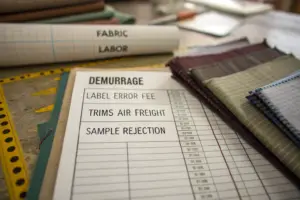
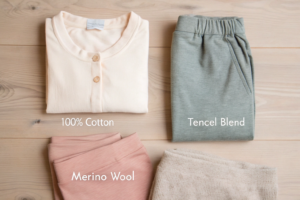
Fabric choice is the single most significant factor determining your garment's production cost. I've seen brands dramatically underestimate how material selection impacts their bottom line. The right fabric choice can make your product profitable; the wrong one can make it unsustainable.
Fabric typically constitutes 45-65% of total garment cost, directly impacting material expenses, production efficiency, and final quality. Beyond the obvious price per yard, fabric choice influences cutting efficiency, sewing speed, defect rates, and shipping costs—creating a ripple effect throughout your entire production budget.
Understanding this impact helps brands make informed decisions that balance aesthetics, quality, and cost. Let me break down exactly how different fabric characteristics affect your production expenses.
How Does Fabric Price Per Meter Affect Overall Cost?
The direct cost of fabric is the most obvious impact, but many brands don't realize how small price differences multiply across production volumes.
Fabric prices range dramatically—from $1.5/meter for basic cotton jersey to $50+/meter for technical or luxury fabrics. This initial cost difference is just the starting point, as it affects multiple cost components throughout production. We recently helped a client switch from a $8/meter fabric to a $6.5/meter alternative with similar properties, saving them $4,500 on a 3,000-unit order.

What are the main factors determining fabric price?
Fiber content, construction complexity, finishing treatments, and brand reputation all influence fabric cost. Natural fibers like silk and wool typically cost more than synthetics, while technical finishes like waterproof coatings or anti-microbial treatments add significant expense. We guide clients through these variables to find the optimal balance for their target price point.
How do fabric width and utilization impact cost?
Wider fabrics generally yield better utilization, reducing waste and cost. A fabric that's 60" wide might achieve 85% utilization, while a 45" width might only reach 70%—creating 15% more waste. We use nesting software to maximize utilization, but the fabric's inherent width and pattern repeat significantly influence what's achievable.
How Does Fabric Type Influence Production Efficiency?
Different fabrics require different handling, equipment, and skill levels—all affecting labor costs and production speed.
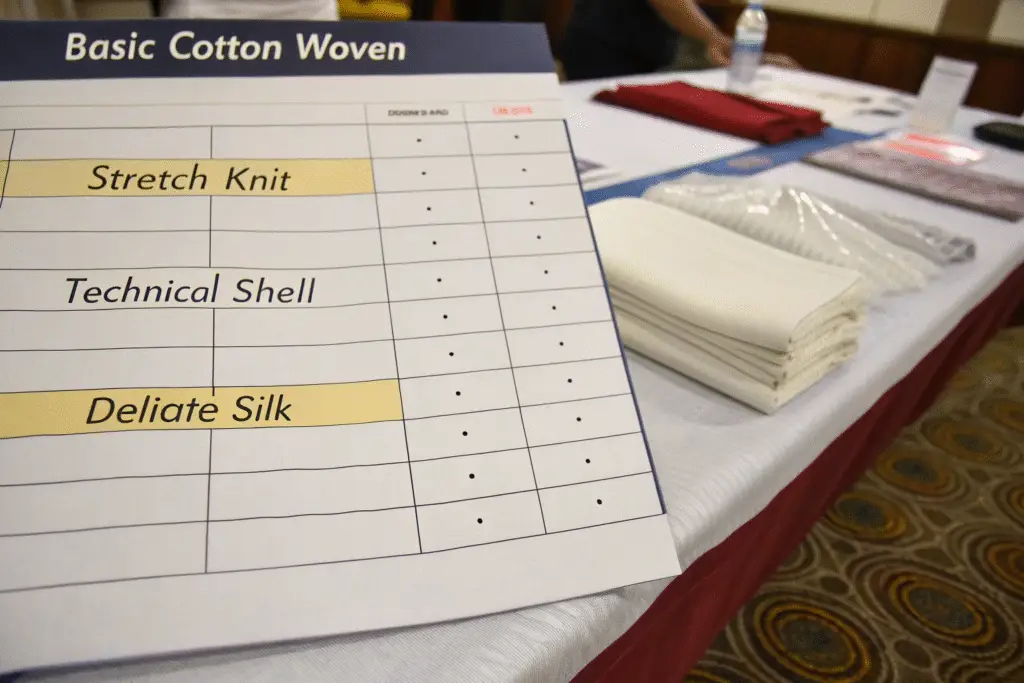
Slippery silks, stretchy knits, and heavy denims each present unique production challenges that impact efficiency. A simple woven cotton might be sewn at 25 pieces per hour, while a delicate chiffon might only achieve 15 pieces per hour with the same design. This labor efficiency difference directly impacts your cost.
| Fabric Type | Average Sewing Speed | Special Equipment Needed | Skill Level Required |
|---|---|---|---|
| Basic Cotton Woven | 22-28 pieces/hour | Standard | Beginner |
| Stretch Knit | 18-24 pieces/hour | Coverstitch machine | Intermediate |
| Technical Shell | 12-18 pieces/hour | Specialized pressers | Advanced |
| Delicate Silk | 10-15 pieces/hour | Fine needles, tissue | Expert |
Why do some fabrics require more skilled operators?
Complex fabrics demand experienced operators who understand how to handle material-specific challenges. Slippery fabrics require techniques to prevent layer shifting, while stretch fabrics need proper handling to maintain shape. We invest significantly in operator training for different fabric categories, which is reflected in our pricing structure.
How does fabric behavior affect cutting efficiency?
Stretchy, slippery, or thick fabrics require specialized cutting equipment and techniques. Knits need tension control during spreading, while waterproof coatings require special cutting blades. These factors influence both cutting room efficiency and fabric waste percentage, directly impacting your cost.
What Hidden Costs Does Fabric Choice Create?
Beyond the obvious fabric and labor costs, material selection triggers numerous hidden expenses that significantly impact your total cost.
Hidden costs include higher defect rates, specialized equipment requirements, additional processing steps, and increased shipping weight. A beautiful fabric that shrinks unpredictably or ravels excessively can generate unexpected costs throughout production. We recently calculated that a fabric with 8% shrinkage versus 3% added $1.20 per piece in extra processing and yield loss.

How does fabric shrinkage impact costing?
Fabrics with higher or unpredictable shrinkage require additional processing like pre-shrinking, larger pattern allowances, or special handling—all adding cost. We include shrinkage testing in our development process to identify these issues early, but the cost implications remain significant.
What is the cost impact of fabric defects?
Fabrics with higher defect rates require more inspection time, generate more waste, and increase the likelihood of finished garment rejects. A fabric with 3% defects versus 1% can add 2-4% to your total cost through these inefficiencies. Our quality team provides defect rate analysis during fabric selection to help clients make informed decisions.
How Can Strategic Fabric Selection Reduce Costs?
Intelligent fabric selection can significantly reduce costs without compromising quality or aesthetics when you understand the cost drivers.
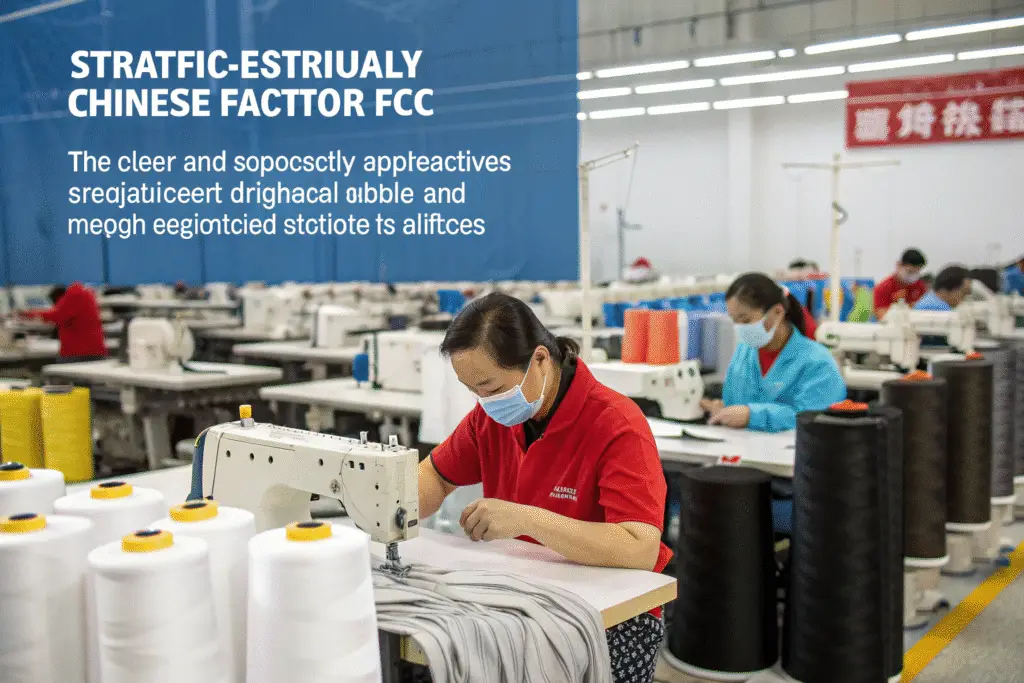
Strategies include selecting readily available fabrics, choosing materials that match your factory's expertise, optimizing for production efficiency, and considering total cost rather than just fabric price. We helped a client reduce costs by 15% by switching to a fabric that was easier to sew, despite having a slightly higher per-meter cost.
Why does fabric availability impact cost?
Limited availability fabrics often carry premium pricing and minimum purchase requirements, while widely available materials benefit from competition and economies of scale. We maintain a preferred fabric library of well-priced, reliable materials that have proven successful for similar applications.
How can fabric-production alignment save money?
Matching fabric characteristics to your factory's specialized expertise improves efficiency and reduces defects. A factory specializing in knits will produce better results with stretch fabrics than a woven-focused factory, even with the same material. We're transparent about our production specialties to ensure clients choose fabrics aligned with our capabilities.
How Does Fabric Choice Affect Shipping and Duties?
Fabric composition and weight influence shipping costs, import duties, and compliance requirements—adding another layer to cost considerations.
Heavier fabrics increase shipping costs, while synthetic content may affect duty rates in certain markets. Additionally, fabric certifications like Oeko-Tex or GOTS may be required for specific markets, adding verification costs. We recently helped a client optimize their fabric choice to qualify for lower duty rates under specific trade agreements, saving 6% on landed cost.

What is the impact of fabric weight on shipping cost?
Heavier fabrics directly increase shipping costs, which are typically calculated by weight or volume. A winter coat using heavy wool versus a mid-weight blend could see a 20-30% increase in shipping cost per piece. We provide weight comparisons during fabric selection to help clients understand these implications.
How do fiber content and origin affect import duties?
Natural fibers often have different duty rates than synthetics, and fabrics from certain countries may qualify for preferential treatment. Understanding these tariff implications helps optimize total landed cost. Our sourcing team stays current on trade agreements that benefit our clients.
Conclusion
Fabric choice impacts nearly every aspect of your production cost—from raw material expense to sewing efficiency, defect rates, and even shipping. The most cost-effective approach considers the total impact rather than just the price per meter.
Smart brands treat fabric selection as a strategic decision involving their manufacturer early in the process. The right partnership helps navigate these complex cost interactions to find the optimal balance for your specific product and market.
If you're evaluating fabric options and want to understand the full cost implications for your project, we can provide detailed analysis based on your specific designs. At Fumao Clothing, we help brands make informed fabric decisions that align with their quality requirements and budget constraints. Contact our Business Director, Elaine, at elaine@fumaoclothing.com for personalized fabric selection guidance.